Baby Mole Rat: The Bizarre Biology of Naked Mole Rat Pups
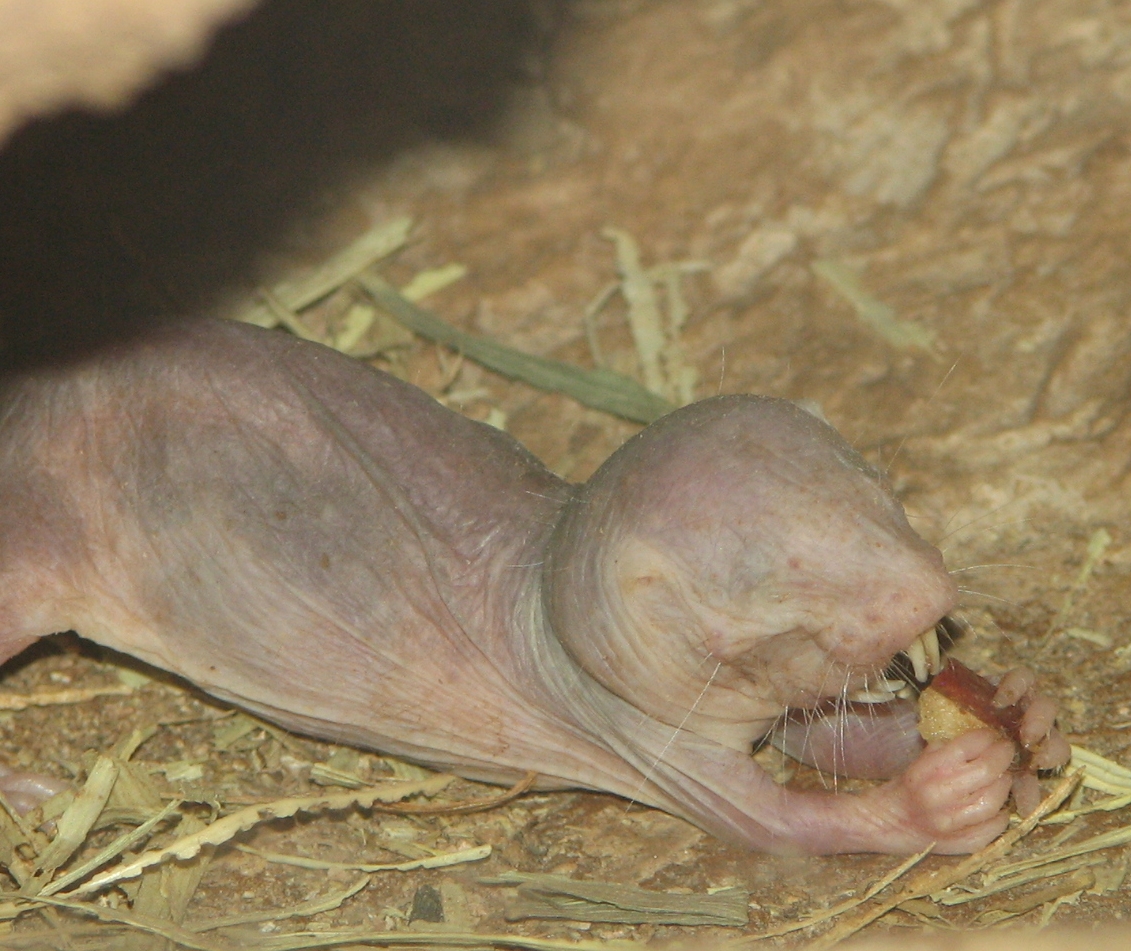
A baby naked mole rat is called a pup, born into one of the most genuinely unusual social structures found in any mammal species, since naked mole rats live in eusocial colonies remarkably similar in structure to bee or ant colonies, complete with a single reproductive queen who is the only female in the entire colony to bear young, while dozens or even hundreds of other colony members function as non-reproductive workers, an arrangement essentially unique among mammals and shared with only one other rodent species, the Damaraland mole rat.
Beyond this remarkable social structure, naked mole rat pups inherit a genuinely extreme set of biological adaptations from birth, including an almost complete lack of pain sensitivity to certain types of skin irritation, resistance to cancer that has made this species a genuinely significant subject of aging and disease research, and a documented lifespan reaching 30 years or more, extraordinarily long for a rodent this size and making naked mole rats one of the more scientifically fascinating mammals studied specifically for insights into longevity and disease resistance. This guide covers naked mole rat pup birth and colony social structure, their unusual sensory and pain biology, their remarkable longevity and cancer resistance, and what makes this species such a genuinely significant subject of ongoing scientific research.
| Fact | Baby Naked Mole Rat (Pup) |
|---|---|
| Name | Pup |
| Litter size | Up to 27 pups, commonly 10-15 |
| Reproductive structure | Single queen breeds for entire colony |
| Colony size | Often 75-150+ individuals |
| Potential lifespan | 30+ years |
| Notable trait | Cancer resistance, reduced pain sensitivity |
What Is a Baby Naked Mole Rat Called?
Baby naked mole rats are called pups, born to a single reproductive queen who is the sole breeding female within an entire colony, a genuinely remarkable reproductive structure called eusociality, essentially identical in basic principle to the social organization seen in bees, ants, and termites, but almost entirely unique among mammals, with naked mole rats and the closely related Damaraland mole rat representing the only two known mammalian species to organize their reproduction and colony structure this particular way.
The queen can produce genuinely large litters, sometimes reaching up to 27 pups in a single litter, though litters commonly run smaller, in the range of 10 to 15 pups, and she typically continues producing multiple litters over her reproductive lifetime, meaning a single queen can be responsible for the vast majority of individuals present within her entire colony over the course of her extended reproductive tenure.
All other colony members, both male and female, remain non-reproductive workers for as long as the queen remains dominant and reproductively active, a suppression maintained partly through behavioral and chemical signals from the queen herself, meaning naked mole rat pups are born into a colony structure where their own future reproductive role, or lifelong non-reproductive worker status, depends considerably on the queen’s continued presence and colony social dynamics rather than being predetermined from birth alone.
Colony Structure and Pup Rearing
Naked mole rat colonies typically include anywhere from 75 to over 150 individuals living within extensive underground burrow systems, and pup care, while the queen herself provides some direct nursing, involves considerable cooperative effort from non-reproductive colony members, who help maintain and protect the nest area, gather food, and generally support the colony’s overall function in ways that indirectly support successful pup survival and development.
This cooperative colony structure means naked mole rat pups grow up within a genuinely complex social environment considerably different from the more typical mammalian family structure most other rodent species display, with worker colony members organized into something resembling different task specializations, though naked mole rat social organization remains somewhat more flexible than the more rigid caste systems seen in genuinely eusocial insects like bees or ants.
Pups remain within the underground colony structure for their entire lives in most cases, since naked mole rats rarely leave their established burrow systems, meaning the colony a pup is born into effectively represents its permanent home and social community throughout its life, whether that pup eventually becomes simply another non-reproductive worker or, in rarer cases, potentially inherits a reproductive role should colony circumstances change significantly.
The Naked Mole Rat’s Unusual Pain Biology
Naked mole rats display a genuinely remarkable and scientifically significant reduced sensitivity to certain types of pain, particularly the burning sensation normally triggered by acid exposure on skin, a specific pain insensitivity linked to documented differences in their nerve fiber structure and neurotransmitter function compared to most other mammals, making this species a genuinely important subject for pain research specifically.
This unusual pain biology likely reflects an evolutionary adaptation to the naked mole rat’s specific underground environment, where carbon dioxide levels can build up considerably higher than in more typical mammalian habitats, creating a more acidic tissue environment that would normally trigger significant pain responses in other mammals, meaning this particular pain insensitivity likely provides genuine practical survival benefit within their specific ecological niche rather than representing a random, functionless biological quirk.
Researchers studying human pain conditions have taken genuine scientific interest in understanding the specific mechanisms behind naked mole rat pain insensitivity, since insights into how this species has evolved to suppress certain pain pathways could potentially inform future human pain management research, making naked mole rat pups, as they develop and inherit this same unusual pain biology, part of an ongoing and genuinely significant area of biomedical research interest.
Remarkable Longevity and Cancer Resistance
Naked mole rats live remarkably long lives for their small body size, with documented individuals reaching 30 years or more in captivity, a lifespan dramatically exceeding what body-size-based predictions would suggest for a rodent this size, since most similarly sized rodents typically live only a few years, making naked mole rats a genuinely significant outlier within broader mammalian aging research specifically.
Perhaps even more scientifically notable, naked mole rats display remarkable natural resistance to cancer, with documented cases of this disease occurring at rates dramatically lower than would be expected across a population living this long, a resistance researchers have connected to specific cellular mechanisms including unusual properties of the naked mole rat’s cellular environment that appear to naturally suppress the uncontrolled cell growth characteristic of cancerous tumors.
This combination of exceptional longevity and cancer resistance has made naked mole rats one of the more actively studied model organisms in aging and cancer research specifically, with ongoing scientific investigation into the precise cellular and genetic mechanisms behind these traits potentially offering insights relevant to human aging and cancer prevention research, giving naked mole rat pups, as future research subjects themselves, genuine ongoing scientific significance beyond simple biological curiosity.
Physical Development and Adaptations
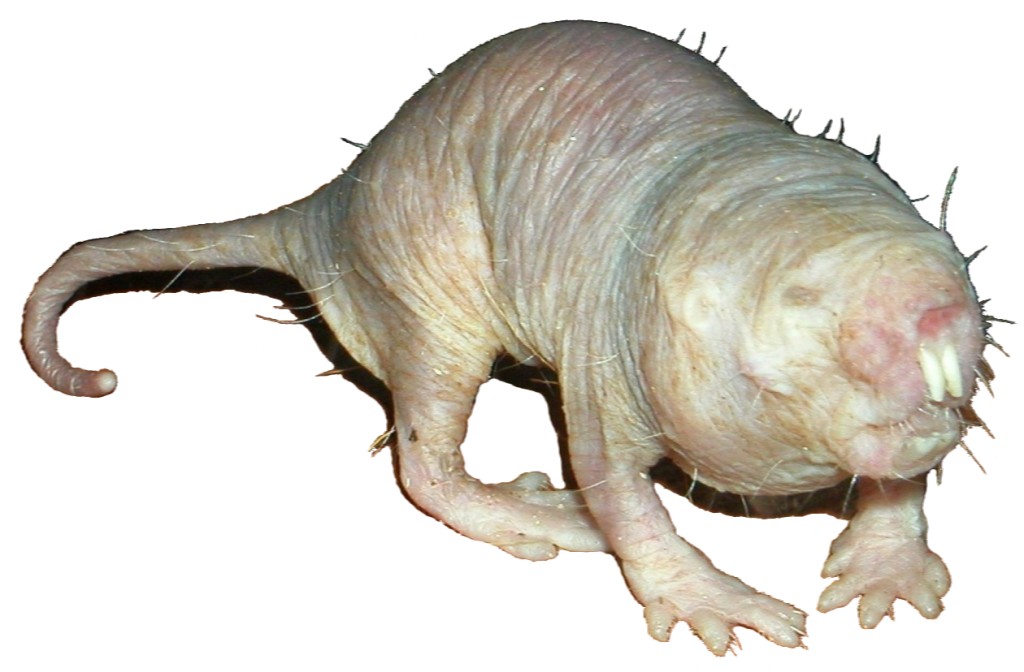
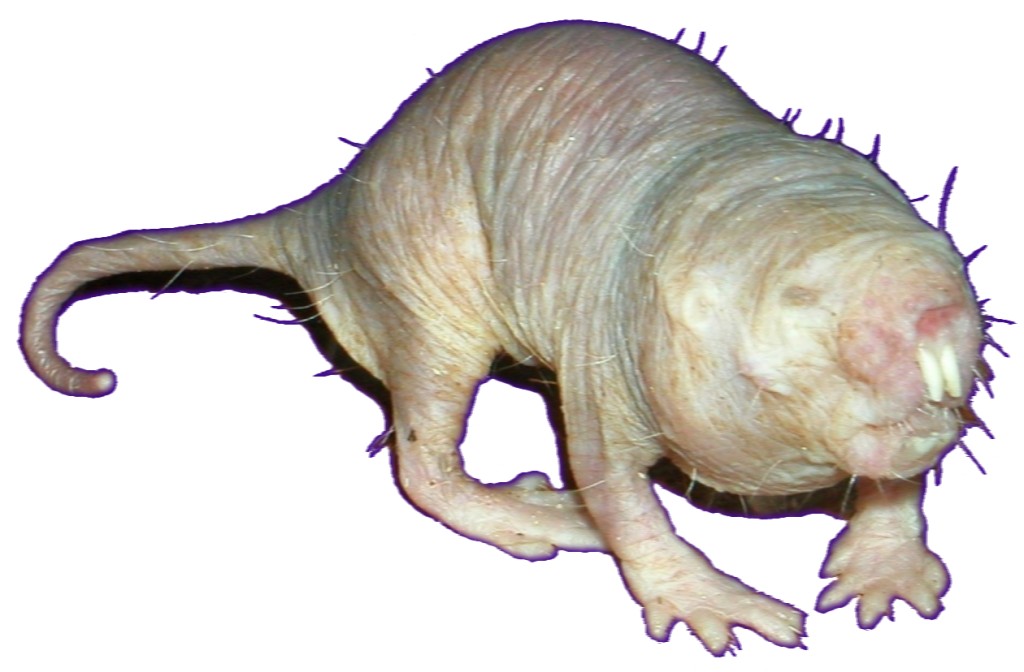
Naked mole rat pups are born hairless, consistent with the adult naked mole rat’s characteristic lack of fur, an adaptation suited to their stable, temperature-controlled underground burrow environment where the insulating function fur typically provides other mammals becomes considerably less necessary given the relatively constant underground temperature conditions this species inhabits throughout its life.
Pups also develop the same prominent, forward-projecting incisor teeth adults use extensively for digging their extensive burrow systems, with these teeth positioned outside the lips specifically, allowing naked mole rats to dig continuously without ingesting soil, a genuinely specialized dental adaptation that develops as pups mature toward taking on their eventual role contributing to the colony’s ongoing burrow excavation and maintenance work.
Eyesight remains genuinely poor throughout a naked mole rat’s life, reflecting minimal evolutionary pressure to maintain strong vision within their permanently dark underground environment, with pups instead developing heightened reliance on touch, smell, and vocalization for navigation and communication within the colony’s extensive tunnel system, senses considerably more relevant to their specific underground lifestyle than vision would provide.
Naked Mole Rats Among the Animal Kingdom’s Biological Extremes
Naked mole rats join a genuinely select group of animals whose extreme biological adaptations have made them significant subjects of scientific study well beyond typical wildlife interest, sharing this distinction with species like the Komodo dragon, whose own remarkable biology, including documented parthenogenesis, has similarly attracted dedicated ongoing research attention for reasons quite different from typical wildlife conservation concerns.
Compared to the desert-adapted heat-dissipation ears of the fennec fox or the cold-tolerance adaptations of the arctic fox, both representing genuinely impressive but more conventionally understood environmental adaptations, the naked mole rat’s combination of eusocial structure, cancer resistance, and extreme longevity represents a considerably more unusual and scientifically significant set of traits, illustrating just how dramatically biological adaptation can diverge even among broadly similar small mammal body plans.
This positions naked mole rats as a genuinely unique case study within the broader diversity of small mammal biology, standing apart even from other biologically notable species like leopard geckos with their own temperature-dependent sex determination, or the rapid developmental timelines seen in species like goldfish, worth understanding both for their own remarkable natural history and for the broader scientific insights their unusual traits continue to offer researchers studying aging, cancer, and pain biology across the wider animal kingdom, connecting this single unusual rodent species to genuinely significant ongoing biomedical research relevant well beyond naked mole rat biology alone.
Naked Mole Rats in Scientific Research
Beyond the pain, longevity, and cancer resistance research already covered throughout this guide, naked mole rats have attracted broader scientific interest specifically for their unusual eusocial structure among mammals, offering researchers a genuinely unique mammalian model for studying the evolution of complex social behavior and reproductive suppression mechanisms not available through study of more typical, non-eusocial mammalian species.
Research institutions maintaining naked mole rat colonies specifically for ongoing scientific study, including work connected to major research universities and biomedical research centers, continue investigating the specific genetic and cellular mechanisms behind this species’ most notable traits, with naked mole rat pups born within these research colonies representing an ongoing, renewable resource for this continuing scientific investigation into aging, cancer, and pain biology.
This genuine scientific significance means naked mole rats occupy a somewhat unusual position among commonly discussed mammal species, valued considerably more for their research importance and genuinely unusual biology than for typical wildlife appreciation or conservation concern, though this scientific value has also contributed to broader public fascination with this genuinely peculiar and biologically remarkable rodent species.
Related reading: Rat Lifespan.
Frequently Asked Questions
What is a baby naked mole rat called?
A pup. Naked mole rat colonies have a single reproductive queen who produces all pups for the entire colony, with litters commonly ranging from 10 to 15 pups, sometimes reaching up to 27.
Why are naked mole rats called eusocial?
This term describes their colony structure, with a single breeding queen and non-reproductive worker colony members, a social organization essentially unique among mammals and more typically associated with insects like bees and ants.
How long do naked mole rats live?
Remarkably long for their small size, with documented individuals reaching 30 years or more in captivity, dramatically exceeding typical rodent lifespans and making them a significant subject of aging research.
Why don’t naked mole rats get cancer?
They display natural resistance to cancer connected to specific cellular mechanisms that appear to suppress uncontrolled cell growth, a trait researchers actively study for potential insights into human cancer prevention.
Do naked mole rats feel pain?
They show reduced sensitivity to certain types of pain, particularly acid-triggered burning sensations, likely an adaptation to their carbon-dioxide-rich underground environment, making them significant subjects of pain research.
Why are naked mole rats hairless?
Their lack of fur reflects adaptation to their stable, temperature-controlled underground burrow environment, where the insulating function fur provides other mammals becomes considerably less necessary.
How big are naked mole rat colonies?
Typically 75 to over 150 individuals, living within extensive underground burrow systems, with most colony members functioning as non-reproductive workers supporting the single breeding queen.