Baby Arctic Fox: Why Litters Are So Unusually Large
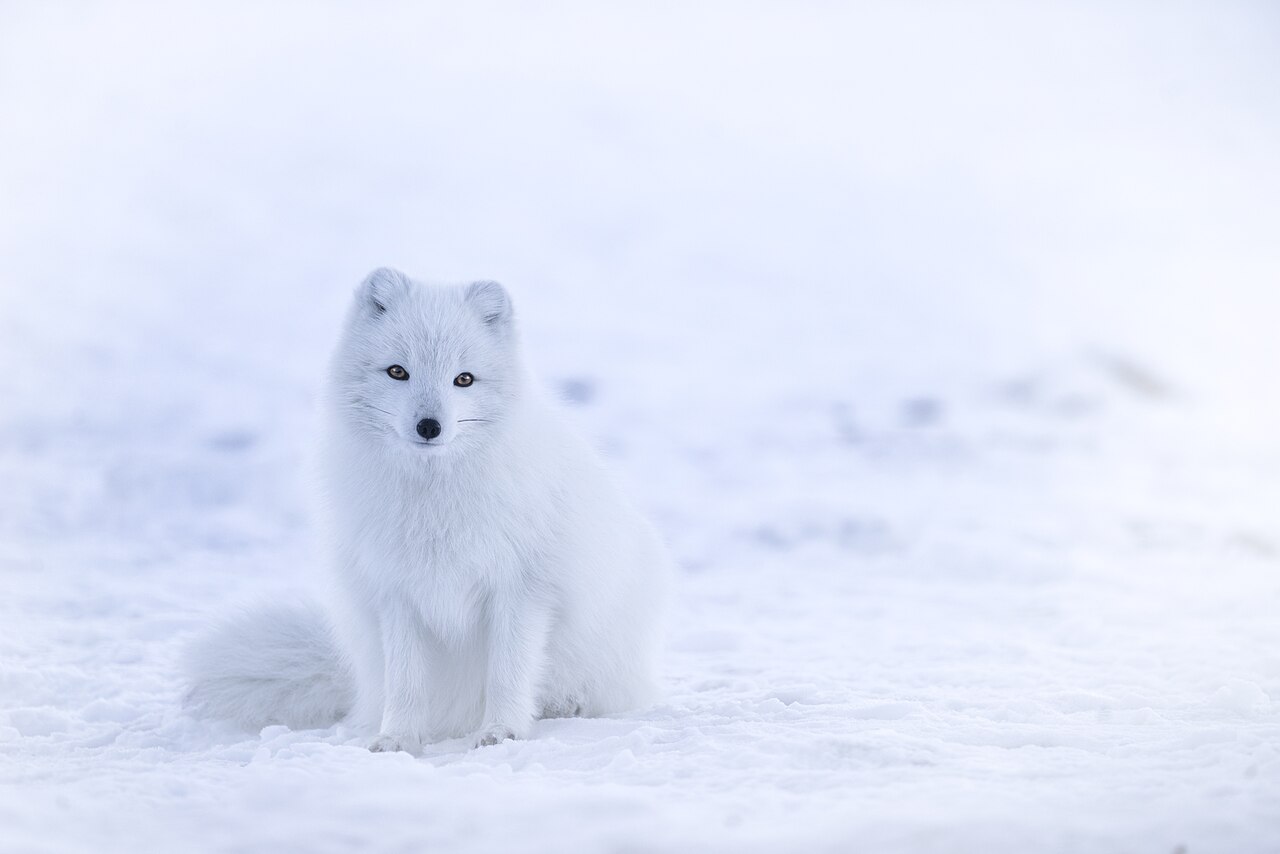
A baby arctic fox is called a kit or pup, born in one of the largest litters of any wild carnivore, with arctic fox litters commonly numbering 5 to 8 kits and occasionally reaching up to 14 or more in years when food, particularly lemmings, is especially abundant. This remarkable litter size, dramatically larger than the litters produced by most other fox species, reflects the arctic fox’s adaptation to an unforgiving, highly variable Arctic environment where reproductive strategy leans heavily toward producing many offspring during good years to offset the high mortality that harsh conditions and unpredictable food availability otherwise impose.
Beyond their exceptional litter size, arctic fox kits face genuinely extreme environmental challenges from birth, born into some of the coldest inhabited terrestrial environments on Earth, and their growth and survival strategy reflects that reality at every stage. This guide covers arctic fox reproduction and litter size specifically, the den systems that shelter kits through their vulnerable early weeks, growth timeline, the lemming-dependent boom-and-bust cycle that shapes survival odds so dramatically, and how arctic fox kits compare to the red fox kits most Americans are more familiar with.
| Fact | Baby Arctic Fox (Kit) |
|---|---|
| Name | Kit or pup |
| Typical litter size | 5 to 8, up to 14+ in good years |
| Born | April to June |
| Den use | Multi-generational, decades old |
| Weaned | Around 9 weeks |
| Independence | 3 to 5 months |
An Exceptionally Large Litter for a Fox
Arctic foxes produce notably larger litters than most other fox species worldwide, typically 5 to 8 kits per litter under average conditions, but capable of reaching 14 or more kits in exceptional years when prey, especially the lemming populations arctic foxes depend on so heavily, happens to be unusually abundant, a documented reproductive flexibility tied directly to food availability rather than a fixed litter size regardless of conditions.
This litter size variability connects directly to the boom-and-bust population cycles of lemmings and other small rodents across much of the arctic fox’s range, since females in good lemming years can invest in considerably larger litters, essentially capitalizing on abundant food to maximize reproductive output during the relatively brief windows when Arctic conditions actually favor higher survival odds for a larger number of kits simultaneously.
Conversely, in poor lemming years, arctic foxes may produce meaningfully smaller litters or in some cases forgo breeding entirely for that season, a genuinely adaptive reproductive strategy that avoids investing heavily in offspring during years when survival odds are already stacked against successfully raising a large litter to independence given insufficient food availability to support it.
Den Systems: Multi-Generational Arctic Architecture
Arctic fox dens represent some of the most impressive den architecture found among wild canids, often featuring dozens of entrances spread across a complex system of tunnels, and many established dens show evidence of use spanning many decades, sometimes even centuries, by successive generations of arctic foxes, making these dens genuinely significant, long-term landscape features rather than simply temporary burrows dug fresh each breeding season.
These long-lived den systems typically occupy well-drained, elevated ground, often on eskers, hillsides, or other terrain features providing good drainage and visibility, practical advantages in the flat, often waterlogged tundra terrain surrounding many such sites, and the same favorable den locations tend to be reused repeatedly across generations precisely because suitable well-drained denning terrain is often genuinely limited across much of the arctic fox’s tundra range.
Within an established den, kits remain sheltered underground for their first several weeks of life, protected from both the extreme Arctic weather and potential predators, while parents, and often additional related adults helping at some dens in a cooperative breeding arrangement occasionally documented in this species, work to provision the growing litter with food brought back from increasingly wide-ranging foraging trips as the kits grow and their food demands increase substantially.
Growth Timeline: Kits Through Their First Summer
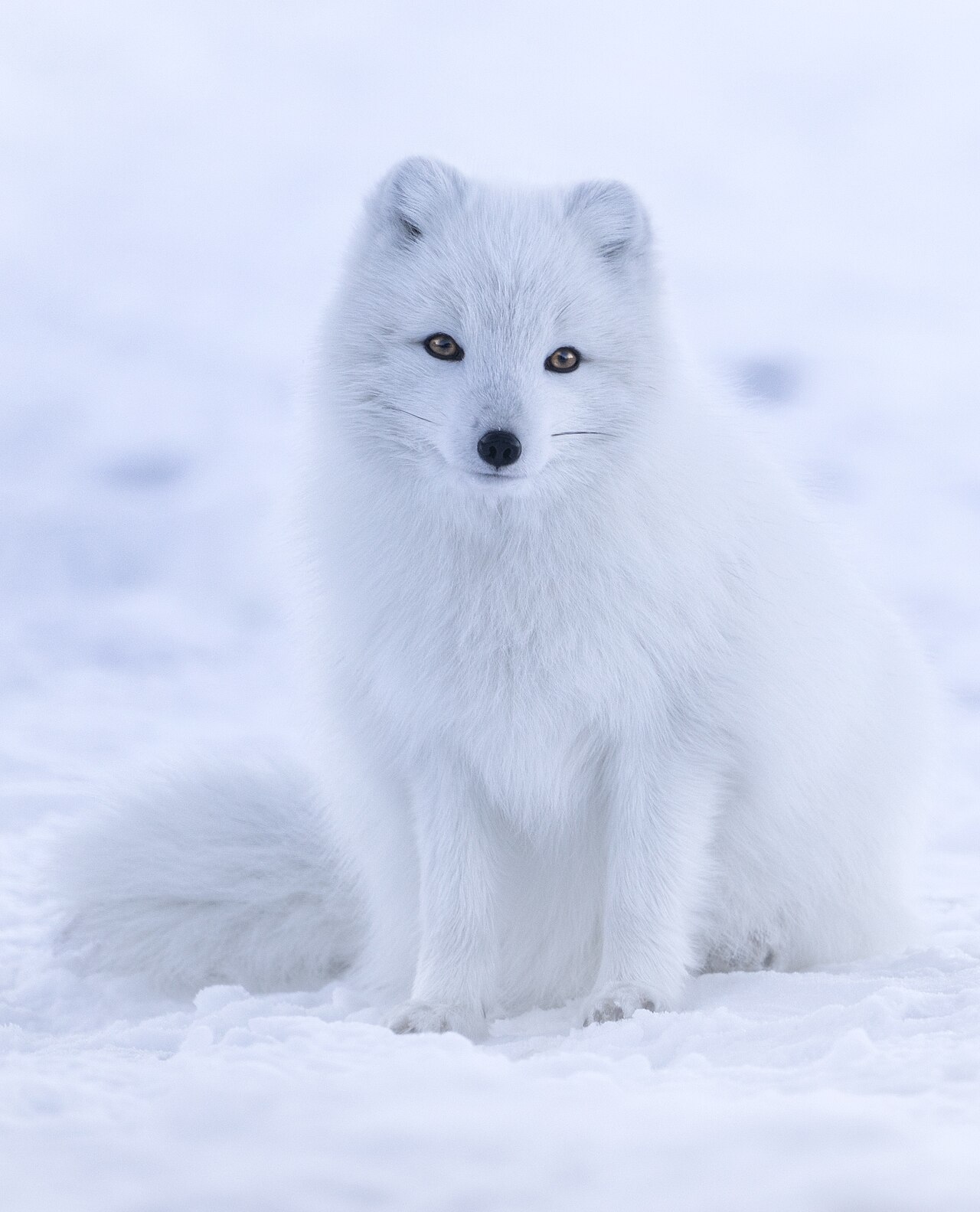
Arctic fox kits are born blind and entirely dependent, typical for canids generally, with eyes opening within the first couple of weeks and kits beginning to emerge from the den entrance to explore and play in the surrounding area by roughly three to four weeks of age, a period when the entire litter often becomes visible together for the first time, tumbling and wrestling near the den entrance under parental supervision. For a closely related question, see our guide to fruit bat.
Weaning generally occurs around nine weeks of age, though kits begin sampling solid food brought back by parents well before fully weaning, and by this stage the considerable size of many arctic fox litters becomes a genuinely demanding provisioning challenge for parents, who must successfully hunt enough food to support what may be eight or more rapidly growing kits simultaneously during the brief Arctic summer feeding season.
Independence typically arrives by three to five months of age, timed to align with the short Arctic summer during which kits must grow substantially and develop the hunting and survival skills needed before the return of harsh winter conditions, a considerably compressed developmental window compared to species living in more temperate, less seasonally extreme environments where growing seasons extend considerably longer.
The Lemming Connection: Boom, Bust, and Kit Survival
Arctic fox reproductive success and kit survival rates are tied unusually closely to lemming population cycles, which themselves fluctuate dramatically across multi-year boom-and-bust patterns well documented across much of the Arctic, meaning arctic fox breeding success in any given year often depends heavily on where that year falls within the broader lemming population cycle rather than on more general environmental conditions alone.
During lemming boom years, arctic foxes not only produce larger litters as covered above but also see meaningfully higher kit survival rates through to independence, since abundant prey supports both the larger litter sizes themselves and the sustained provisioning effort required to successfully raise that many kits through to weaning and beyond during the relatively narrow Arctic summer window.
Lemming bust years present a starkly different picture, with arctic fox breeding success dropping considerably, smaller litters, higher kit mortality, and in severe bust years, many pairs skipping reproduction entirely for that season, a boom-and-bust reproductive pattern research published through Arctic ecology programs, including work associated with institutions like the Smithsonian, has documented as one of the clearest examples of prey-dependent reproductive strategy found among wild carnivores anywhere in the world.
Coat Color: The Famous Seasonal Transformation
Arctic fox kits are born with a dark, grayish-brown natal coat rather than the famous white winter coloration most people associate with the species, and this initial coloration provides some camouflage advantage against the exposed, often still partially snow-free tundra ground surrounding many dens during the relatively early spring to early summer denning period.
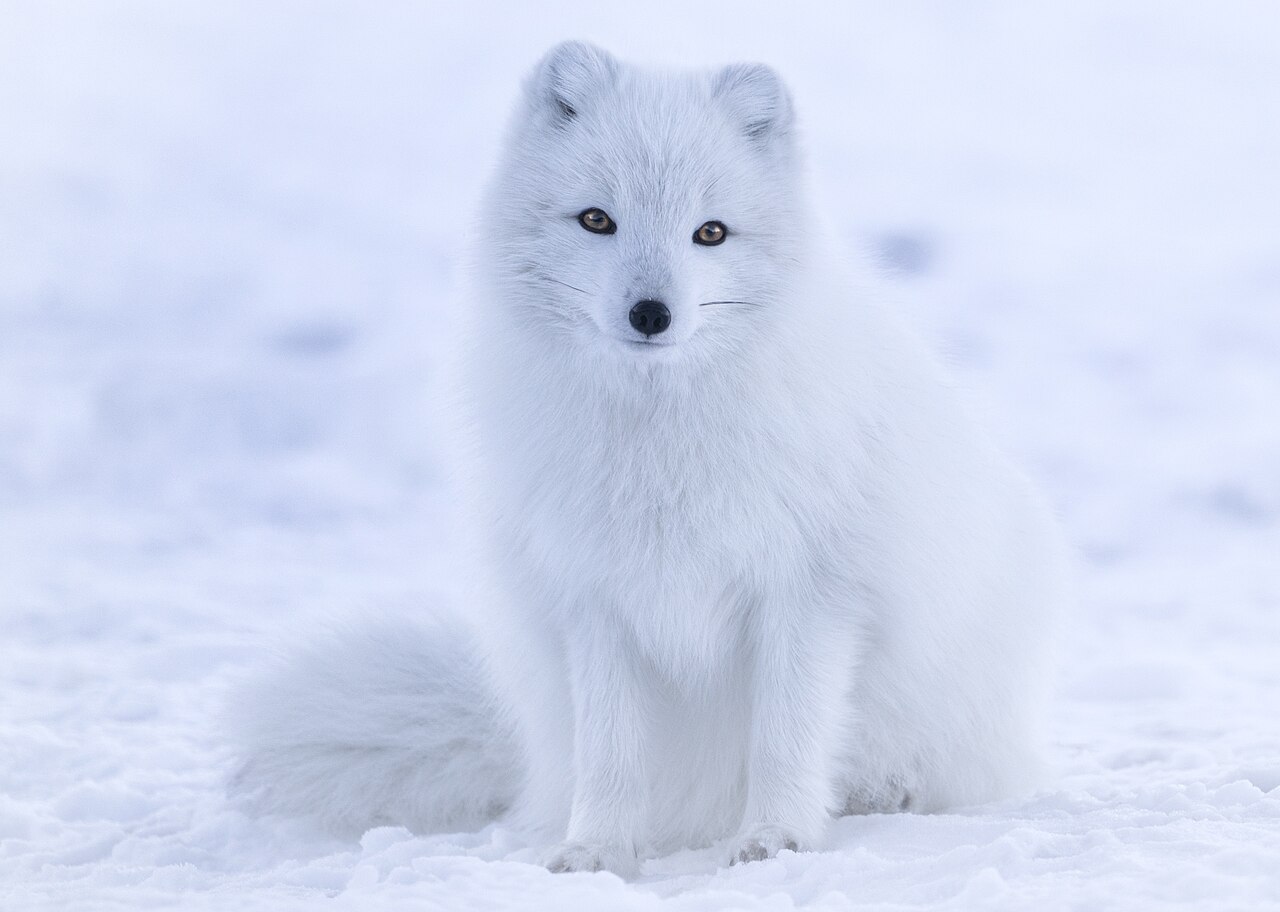
As kits grow through their first summer, most begin developing the seasonal coat-color pattern that defines arctic fox biology broadly, transitioning toward either the classic white winter coat that provides camouflage against snow, or in the case of the less common “blue” color morph found in some coastal populations, a darker bluish-gray coat maintained year-round rather than shifting seasonally the way the white morph does.
This coat transformation process continues developing through the kit’s first year, with full adult seasonal coat-color patterns generally not fully established until the animal’s first complete annual molt cycle, meaning young arctic foxes navigating their critical first winter may show a somewhat less complete or refined version of the eventual adult camouflage coloring compared to fully mature individuals that have been through the complete seasonal transformation cycle multiple times already.
Arctic Fox Behavior and Range Compared to Temperate Foxes
Arctic foxes show several behavioral adaptations distinguishing them from more temperate fox species, including the red fox covered above, most notably a genuinely extreme cold tolerance allowing activity at temperatures well below what would incapacitate most other canid species, supported by exceptionally dense winter fur and a compact body shape that minimizes heat loss across their extremities specifically.
Range overlap between arctic foxes and red foxes does occur across some transitional zones, and in areas where both species compete for similar resources, red foxes, which are somewhat larger and more aggressive, have in some documented cases displaced arctic foxes from portions of their historical range, a competitive dynamic that research on Arctic ecosystems, and a genuine concern raised alongside broader questions of fox behavior and range shifts more generally, has linked partly to climate warming trends allowing red fox range to expand further north than historically typical.
Beyond the litter size and den differences already covered, arctic foxes also show a notably more nomadic tendency outside the breeding season compared to the more consistently territorial year-round behavior many red foxes display, with some arctic foxes documented traveling remarkably long distances, occasionally hundreds of miles, in search of food during particularly lean periods when local prey availability drops especially low.
Arctic Fox Kits vs Red Fox Kits
While arctic fox and red fox kits share considerable general canid developmental biology, blind at birth, weaned around similar ages, reaching independence within a few months, the arctic fox’s exceptional litter size stands as a genuinely striking difference, with red fox litters typically running considerably smaller, generally 4 to 6 kits, compared to the arctic fox’s routine 5 to 8 and occasional much larger litters in good lemming years.
Den architecture differs meaningfully as well, since while red foxes do reuse den sites across seasons, arctic fox dens tend toward the more elaborate, multi-generational, many-entranced systems covered above, a difference likely reflecting both the more extreme and consistent environmental pressures arctic foxes face across their tundra range and the genuinely longer timescales over which suitable Arctic denning terrain, once identified, tends to get reused by successive fox generations.
The two species also differ in their fundamental relationship with a single dominant prey species, since while red foxes maintain a considerably more varied, generalist diet across most of their range, arctic fox reproduction and kit survival ties unusually closely to lemming population cycles specifically, making the arctic fox’s breeding strategy considerably more boom-and-bust dependent on a narrower prey base than the red fox’s more consistently varied year-to-year foraging and reproductive pattern typically shows, a contrast also reflected in the very different droppings the two species leave, covered in our fox poop guide.
Related reading: Baby Fennec Fox.
Related reading: Arctic Fox Adaptations.
Related reading: Arctic Fox Lifespan.
Frequently Asked Questions
What is a baby arctic fox called?
A kit or pup. Arctic fox litters typically number 5 to 8 kits, occasionally reaching 14 or more in years when lemmings and other prey are especially abundant.
Why do arctic foxes have such large litters?
Litter size scales with lemming abundance, a key prey species whose population cycles boom and bust dramatically. Good lemming years support larger litters and higher kit survival, while poor years mean smaller litters or skipped breeding entirely.
What color are baby arctic foxes when they are born?
A dark, grayish-brown natal coat rather than white, providing camouflage against exposed tundra ground. Most kits develop their eventual white or blue-morph adult coloring gradually through their first summer and year.
How long do arctic fox kits stay with their parents?
Weaning occurs around nine weeks, with independence typically reached by three to five months of age, a compressed timeline aligned with the short Arctic summer available for growth before winter arrives.
Do arctic foxes reuse the same den every year?
Yes, often for many decades or even centuries across successive generations. Established dens feature dozens of entrances and occupy well-drained terrain that is genuinely limited across much of the tundra range.
How is an arctic fox kit different from a red fox kit?
Arctic fox litters run considerably larger on average, and their survival ties much more closely to lemming population cycles specifically, whereas red foxes maintain a more varied generalist diet and somewhat more consistent year-to-year litter sizes.
What do arctic fox parents feed their kits?
Primarily lemmings and other small Arctic rodents when available, supplemented with birds, eggs, and carrion. Food abundance during the provisioning period directly affects how many kits in a large litter ultimately survive to independence.