Are Foxes Nocturnal? Activity Patterns Explained
Foxes are mainly crepuscular and nocturnal, most active around dawn and dusk and through the night, but daytime activity is completely normal and is not a sign of rabies. That last point matters, because the belief that a fox seen in daylight must be sick leads to a great many healthy animals being reported and killed every year.
Their schedule is flexible rather than fixed. Foxes shift toward daylight when raising cubs, when food is available during the day, in areas with little human pressure, and in winter when nights are long and cold. This guide covers the actual activity pattern, why daytime sightings happen, how to tell a genuinely sick fox from a normal one, and what their nocturnal habits mean for people living alongside them.
| Quick Facts | Fox Activity |
|---|---|
| Primary pattern | Crepuscular and nocturnal |
| Peak activity | Dusk, night, and dawn |
| Daytime activity | Normal, especially when raising cubs |
| Daylight sighting | Not a rabies indicator on its own |
| Urban foxes | More nocturnal than rural ones |
| Home range | Roughly 1 to 5 sq mi, smaller in cities |
The Actual Activity Pattern
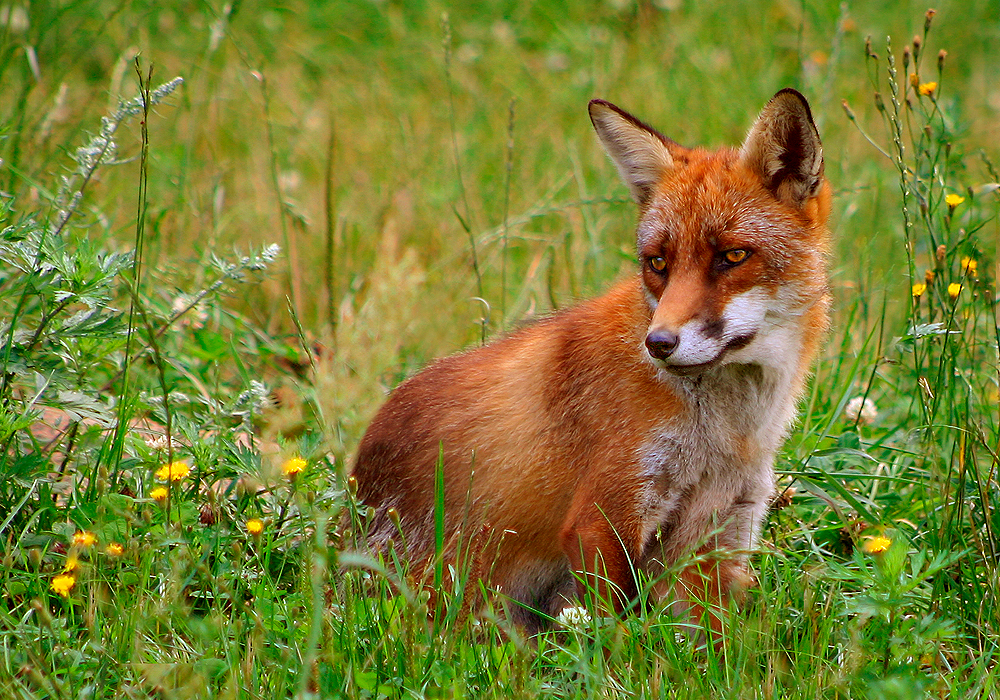
Red foxes are most active in the hours around sunset and sunrise, with substantial activity through the night, which makes them crepuscular with strong nocturnal tendencies rather than strictly nocturnal in the way that owls or bats are.
Their senses match that schedule. Foxes have a reflective layer behind the retina called the tapetum lucidum that improves low-light vision and produces eyeshine in a torch beam, vertical slit pupils that open very wide in darkness, and exceptional hearing tuned to low-frequency rustling, which lets them locate rodents under snow or vegetation.
What they do not have is any obligation to that schedule. Foxes are opportunistic and adjust to whatever conditions produce food with the least risk, and in the absence of pressure they will hunt whenever prey is available. Our guide to whether foxes are dangerous covers the behavior side of encounters.
Why You See Them in Daylight
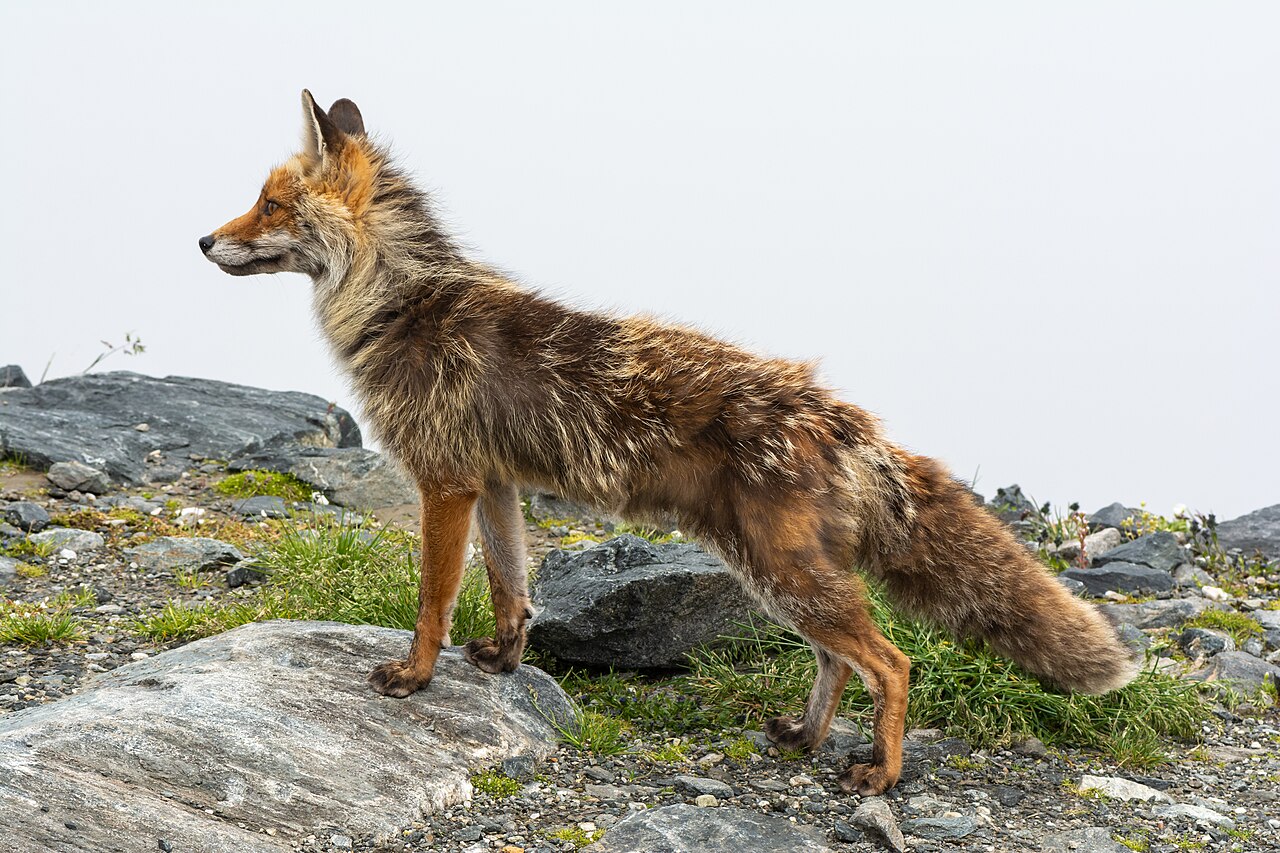
Cub season is the most common reason and it accounts for a large share of spring and early summer sightings. A vixen with a litter needs far more food than usual, and she hunts during daylight to meet that demand, often while looking thin and harried, which reinforces the impression that something is wrong.
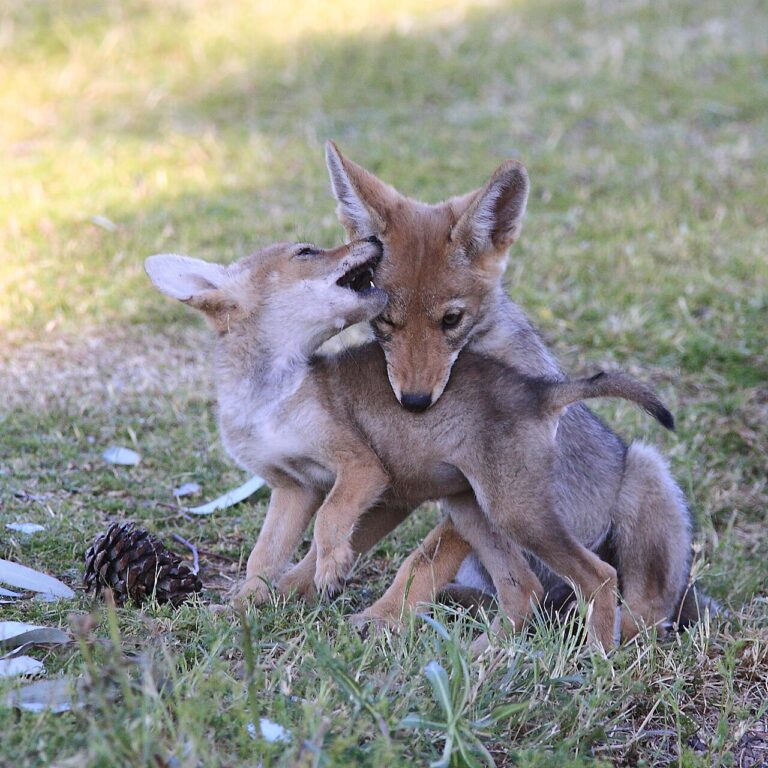
Cubs themselves play outside the den in daylight from around four weeks old, which produces sightings of several small foxes tumbling around a garden or field edge in late spring. This is entirely normal and the vixen is usually nearby.
Food availability drives the rest. A fox that has learned a bird feeder produces spilled seed and therefore rodents, or that a compost heap or bin is accessible, will visit when the resource is available rather than at a preferred hour. Urban foxes in particular adapt their timing to rubbish collection days, restaurant closing times, and the movements of people who feed them.
Daylight Does Not Mean Rabies
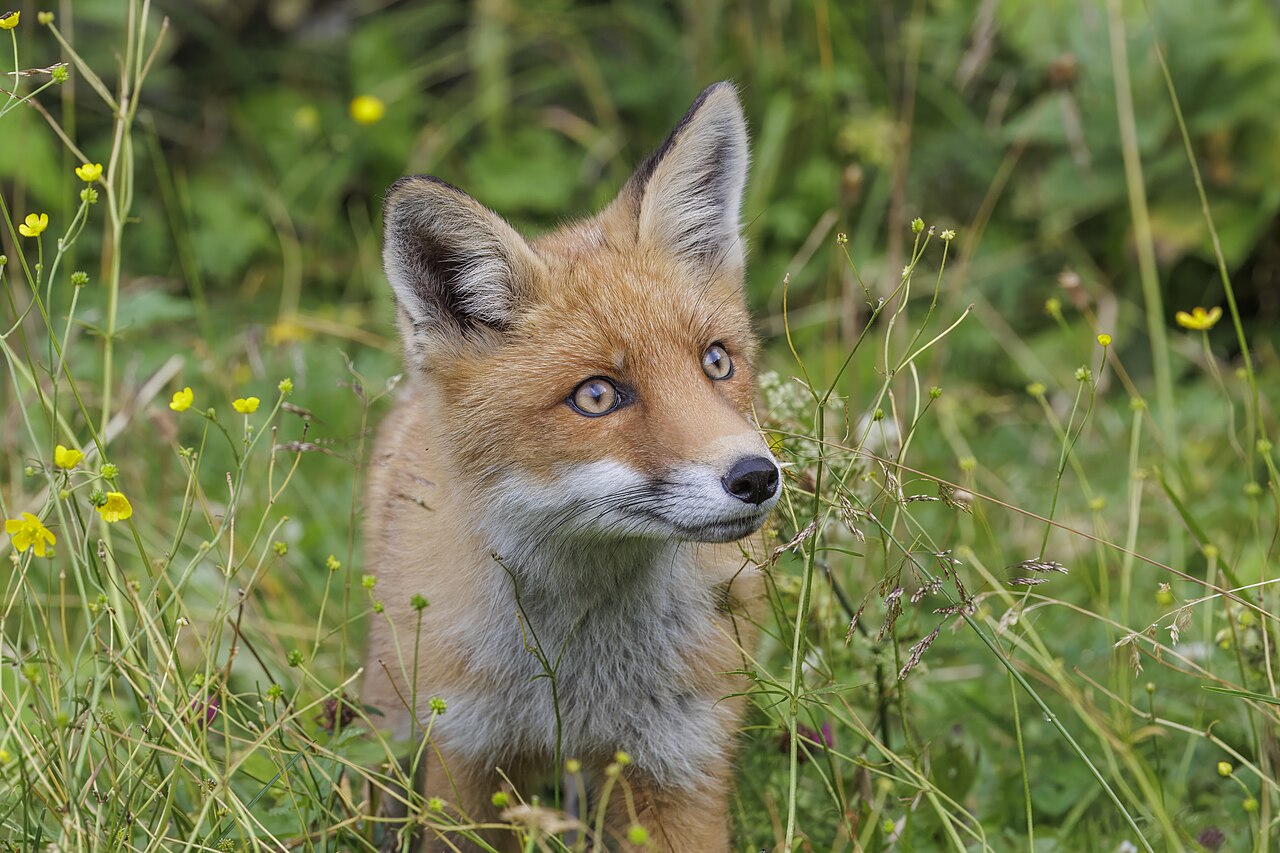
This is worth stating plainly because it costs healthy animals their lives. A fox seen in daylight, crossing a garden, hunting in a field, or trotting along a street, is displaying normal behavior for the species.
Genuine rabies signs are behavioral and unmistakable rather than schedule-based. They include disorientation and stumbling, apparent partial paralysis particularly of the hind legs, aggression without provocation, approaching people directly without fear, circling, excessive drooling, and unusual vocalization. A rabid animal looks wrong in ways that do not require expertise to notice.
Mange is the other condition frequently mistaken for rabies. Sarcoptic mange causes severe hair loss, thickened crusted skin, and emaciation, producing an animal that looks alarming and often behaves oddly through sheer debilitation. It is treatable and is a welfare issue rather than a public health emergency, and wildlife rehabilitators can advise. If you see any of the genuine neurological signs, keep people and pets away and call animal control or your state wildlife agency rather than approaching.
Urban Foxes and the Shift to Night
City foxes are measurably more nocturnal than rural ones, and the reason is human activity rather than any difference between the animals. Studies across several countries have found that foxes in urban environments concentrate their activity in the hours when streets are quietest.
That shift is a risk calculation. Urban foxes face traffic, dogs, and people rather than the predators and hunting pressure their rural counterparts encounter, and the quietest hours are the safest ones for covering ground.
Where people are tolerant, the pattern relaxes. Foxes in parks, cemeteries, and gardens where they are never harassed become noticeably bolder and more diurnal, and in places where they are deliberately fed they show up on schedule in broad daylight. That habituation is generally bad for the animals, since a fox that has lost its wariness is more likely to be killed by a car, a dog, or a person who finds it threatening.
What They Do at Night
Hunting occupies most of it. Red foxes cover several miles a night within a home range of roughly 1 to 5 sq mi, smaller in cities where resources are concentrated, quartering fields and gardens systematically.
The hunting technique is distinctive and worth watching for. A fox locating a rodent by sound will freeze, orient its ears, and then leap almost vertically, coming down front-first onto the prey through snow or vegetation. This mousing pounce is one of the more remarkable predatory behaviors in a common mammal.
Caching fills the rest. Foxes bury surplus food in shallow scrapes across their range and return to it later, remembering locations with considerable accuracy, and this is why a fox may spend time apparently digging aimlessly in a lawn. Their diet is broad, including rodents, rabbits, birds, insects, earthworms, fruit, and scavenged material, which our guides to what possums eat and whether possums are dangerous place in context for another adaptable omnivore.
Fox Sounds at Night
Foxes are vocal and their calls alarm people who have not heard them before. The most striking is the vixen’s scream, a drawn-out shriek that sounds disturbingly like a person in distress and is heard mainly during the winter breeding season.
Males give a sharp triple bark, often described as wow-wow-wow, used to advertise territory and locate other foxes over distance. Cubs produce a range of whickers and squeals around the den, and adults use a low chattering gekkering during disputes.
Peak vocal activity runs from December through February in most of the northern range, coinciding with mating, and this is when calls to police and wildlife agencies about screaming spike every year. The sounds are normal, they indicate breeding rather than injury, and they stop as the season passes.
Seasonal Changes
Winter shifts foxes toward daylight in the north, partly because the nights are long and cold and partly because food is scarce enough to justify hunting whenever opportunity allows. A fox hunting a snowy field at midday in January is doing something entirely ordinary.
Spring and early summer produce the most daytime sightings overall, driven by cub provisioning. Vixens with litters hunt through the day, cubs play outside dens, and the whole family is far more visible than at any other time of year.
Late summer brings dispersal, when young foxes leave their natal range and travel, often turning up in unfamiliar places including suburbs and towns. Autumn is generally the quietest period for sightings, with foxes well fed and back on a mostly nocturnal schedule.
Reading the Signs They Leave
Nocturnal animals are identified more often by evidence than by sighting. Fox droppings are twisted and tapered at one end, typically 2 to 3 in long, and frequently contain visible fur, bone fragments, feathers, or fruit seeds, and foxes deposit them conspicuously on raised objects such as molehills, stones, and lawn edges as territorial markers.
Tracks are narrow and roughly diamond-shaped, about 2 in long, with four toes and claw marks, and a fox trail runs in a notably straight line compared with a dog’s meandering path. In snow the line of prints is often almost perfectly aligned, since foxes place their hind feet in the prints of their front feet.
The other reliable sign is smell. Fox scent is strong, musky, and distinctive, and a persistent odor around a shed or deck frequently indicates a den underneath. Dens are usually in banks, under structures, or in enlarged burrows, with a scatter of prey remains and flattened vegetation at the entrance during cub season.
Foxes and Pets at Night
Cats are largely safe. Adult cats and foxes are comparable in size and generally avoid each other, and documented predation is rare and mostly involves kittens or very old or sick animals. Cats and foxes are routinely photographed eating side by side in urban gardens.
Small pets outdoors are a genuine risk. Rabbits, guinea pigs, and poultry are prey, and a fox will take them given access, so secure housing with a solid floor or buried wire skirt matters more than any deterrent. Chickens need a properly built coop rather than a run alone, since foxes dig and climb.
Dogs are rarely at risk from foxes, which avoid them, though foxes can transmit sarcoptic mange to dogs on rare occasions. Keeping pets in at night, securing bins and compost, and removing accessible food is the practical set of measures, and it is the same list that reduces conflict with the animals in our guides to foxes versus coyotes and coyotes versus wolves.
Related reading: Fox Sounds.
Related reading: are deer nocturnal.
Related reading: are squirrels nocturnal.
Frequently Asked Questions
Are foxes nocturnal?
Mainly crepuscular and nocturnal, with peak activity around dawn and dusk and through the night, but the pattern is flexible rather than fixed. Daytime activity is normal, especially when raising cubs, in winter, and where human pressure is low.
Is a fox out during the day sick?
No, not on its own. Daytime activity is normal fox behavior. Genuine rabies signs are behavioral: disorientation, stumbling, hind leg paralysis, unprovoked aggression, approaching people without fear, circling, and drooling. Mange causes hair loss and emaciation and is a welfare issue.
Why do I see foxes more in spring?
Cub season. A vixen with a litter needs far more food and hunts through the day to get it, and cubs play outside the den in daylight from around four weeks old. Spring and early summer produce the most daytime sightings of the year.
Are urban foxes more nocturnal than rural ones?
Yes, measurably. Urban foxes concentrate activity in the quietest hours as a response to traffic, dogs, and people. Where they are tolerated or fed, they become bolder and more diurnal, which generally shortens their lives.
What is the screaming sound at night?
Usually a vixen’s mating call, a drawn-out shriek that sounds like a person in distress, heard mainly from December through February. Males give a sharp triple bark. The sounds indicate breeding rather than injury and stop as the season passes.
Do foxes hunt cats at night?
Rarely. Adult cats and foxes are comparable in size and generally avoid each other, with documented predation mostly involving kittens or very old or sick animals. Rabbits, guinea pigs, and poultry are genuinely at risk and need secure housing.
How far do foxes travel at night?
Several miles within a home range of roughly 1 to 5 sq mi, considerably smaller in cities where food is concentrated. They hunt by sound, using a distinctive near-vertical pounce onto prey, and cache surplus food in shallow scrapes across the range.