Are Deer Nocturnal? What the Activity Pattern Really Is
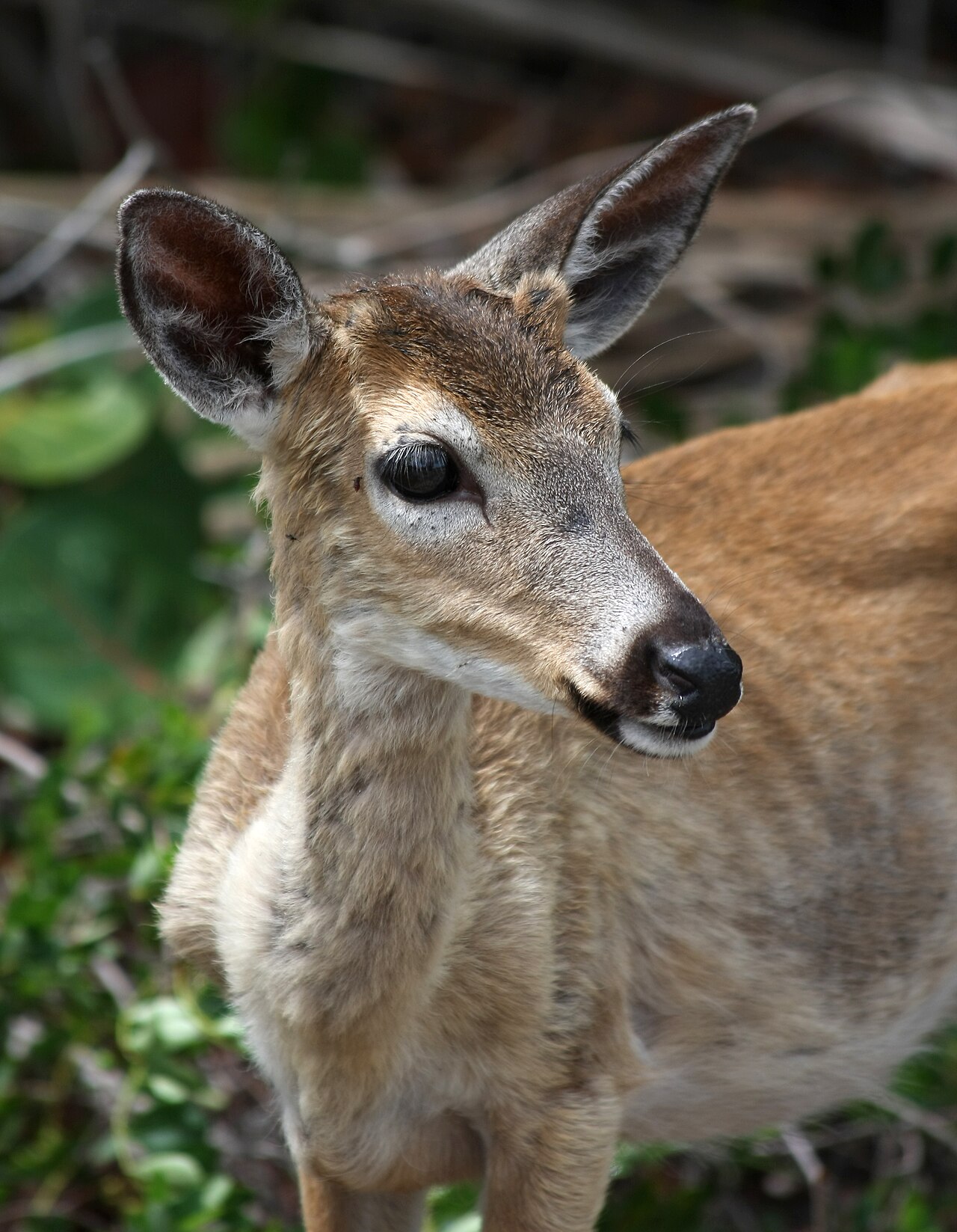
Deer are not nocturnal. They are crepuscular, meaning most active at dawn and dusk, with secondary activity through the night and long rest periods during the middle of the day. That pattern is why deer are seen at first light and last light far more often than at noon or at two in the morning.
It also shifts. Deer become far more nocturnal where they are hunted or heavily disturbed, moving under cover of darkness and bedding through daylight, and studies of hunted populations show measurable shifts within days of a season opening. Understanding that flexibility explains most of what people notice about deer behaviour. This guide covers the activity pattern, where deer go by day, night vision, and why they behave differently in some places.
Deer are crepuscular, not nocturnal, with peak activity at dawn and dusk and lower activity through the night and midday. They shift toward night movement under hunting pressure, human disturbance, heat, and bright moonlight. Deer see well in low light thanks to a reflective tapetum lucidum but see reds and oranges poorly.
| Period | Deer Activity |
|---|---|
| Dawn, roughly an hour either side | Peak feeding and movement |
| Morning to midday | Bedded, chewing cud, resting |
| Afternoon | Low; brief feeding periods |
| Dusk, roughly an hour either side | Second peak; heaviest feeding |
| Night | Moderate; feeding in open areas |
| Under hunting pressure | Shifts strongly toward night |
| Rut | Movement at all hours, including midday |
Are Deer Nocturnal or Not?
Crepuscular is the accurate word. White-tailed deer, mule deer, and most other deer species show two clear activity peaks each day, one around sunrise and one around sunset, with reduced movement between them and moderate activity overnight.
The pattern is a compromise. Low light gives good cover from visually hunting predators while still allowing the deer to see well enough to move and feed efficiently, and it also avoids the heat of midday, which matters for an animal that cannot sweat effectively and carries a heavy coat in winter.
Rumination shapes the rest of the schedule. Deer are ruminants and feed in concentrated bouts, then bed down to chew cud and digest, so a deer’s day alternates between short intense feeding periods and long stationary ones. That is why a field full of deer at dusk can be empty an hour later without anything having disturbed them. The mule deer vs whitetail guide covers differences between the two main North American species.
Where Do Deer Go During the Day?
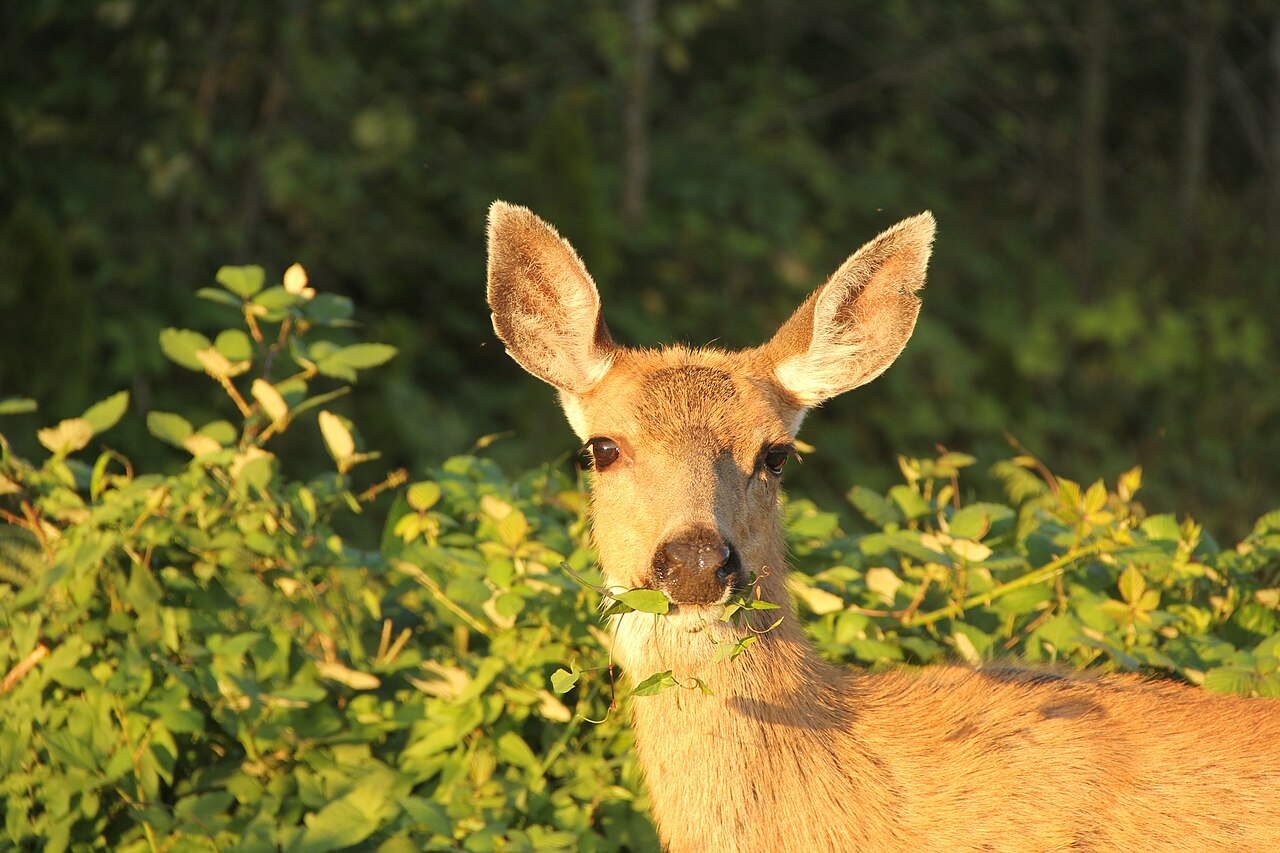
Into bedding cover, usually within a few hundred yards of where they fed. Deer bed in thick brush, young forest regrowth, cedar and conifer stands, standing crops, tall grass, swamp edges, and any dense vegetation that breaks up sightlines and offers escape routes.
Position within cover is deliberate. Deer commonly bed with the wind at their back and a view down the slope in front, so scent covers what they cannot see and vision covers what they cannot smell. That combination is why still-hunting into the wind toward bedding areas so rarely works.
They are not asleep for most of it. Deer doze in short bouts of a few minutes at a time, remaining alert between them, and total deep sleep is minimal. A bedded deer is generally aware of what is happening around it long before anything approaches, which is why they seem to appear from nowhere and vanish equally fast. The baby deer guide covers the exception, since fawns lie motionless for long periods.
Why Do Deer Become More Nocturnal?
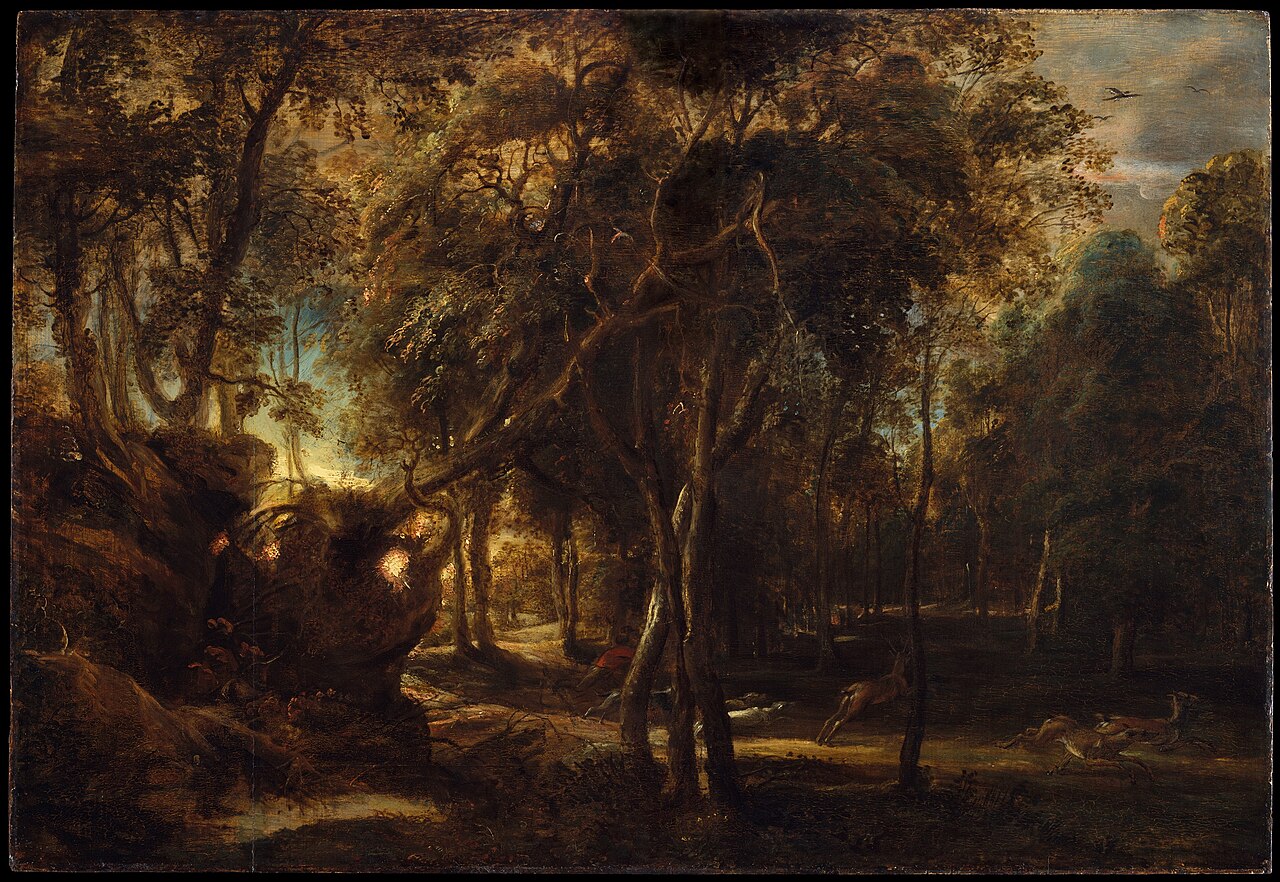
Pressure. The single strongest driver is hunting, and research using GPS collars has repeatedly found that deer, particularly mature bucks, shift daytime movement into darkness within days of a hunting season opening and shift back once it closes.
Human disturbance generally produces the same effect. Deer in suburbs, near trails, in areas with dogs, and around agricultural activity move more at night, and suburban deer in particular are frequently almost entirely nocturnal despite living at high density among people.
Weather and season also move the dial. Heat pushes activity later into the evening and earlier into the morning, cold and approaching storms often trigger heavy feeding at unusual hours, and bright moonlight is widely believed to increase night movement, though the research on moon phase is mixed and far weaker than the effect of pressure.
Can Deer See in the Dark?
Very well, better than people by a wide margin. Deer eyes have a tapetum lucidum, a reflective layer behind the retina that bounces light back through the photoreceptors for a second chance at detection, which is what makes their eyes shine in headlights and roughly doubles the useful light available.
The rest of the eye is built for the same job. Deer have a high proportion of rod cells for low-light sensitivity, large pupils that open wide, and a horizontally elongated pupil that gives a wide panoramic field of about 300 degrees, useful for detecting movement from the sides.
The trade-off is colour and detail. Deer are dichromatic, seeing blues and yellows well but reds and oranges poorly, which is why blaze orange works as a safety colour for hunters, and their visual acuity is poor, roughly 20/100, so they detect movement far better than shape. Standing still genuinely works; standing still in something that reflects ultraviolet does not. The deer sounds guide covers how they use hearing alongside it.
What Time Are Deer Most Active?
Roughly an hour either side of sunrise and an hour either side of sunset in most conditions, with the evening period usually heavier because deer are moving from bedding cover to feeding areas with the whole night ahead.
The rut breaks the pattern completely. During the breeding season, roughly late October through December for white-tailed deer across most of the United States, bucks move at all hours including the middle of the day, chasing does and covering far more ground than usual. Midday deer sightings peak during the rut.
Season shapes it further. Late summer and early autumn deer feed heavily on acorns, soft mast, and crops and often move in daylight to reach them, while deep winter deer conserve energy, move less, and bed for longer, sometimes going a full day without significant movement in severe cold. Spring green-up brings a return to regular dawn and dusk patterns as new growth appears.
Local conditions matter more than any general rule. Deer patterns are shaped by where food, water, and cover sit relative to each other, and a herd may move at consistent times through one field for weeks and then change entirely when a crop is harvested or an acorn drop begins. Trail cameras are the practical way to learn a specific property rather than relying on averages.
Why Do Deer Freeze in Headlights?
Because their eyes are optimised for darkness and cannot adapt quickly. A deer’s pupils are wide open at night and the tapetum is amplifying available light, so a sudden headlight beam produces total temporary blindness, and the animal stops because moving blind toward an unknown hazard is the worse option.
The freeze is not stupidity, it is the same response that serves them well with predators, where staying still avoids detection. It works against wolves and fails badly against a vehicle, and deer collisions kill large numbers of deer and cause substantial human injury and property damage every year.
Collisions peak in autumn during the rut, when deer move more and pay less attention, and around dawn and dusk when activity coincides with commuting traffic. The practical advice is to slow down at those times in deer country, use high beams when possible, watch verges rather than only the road, and expect more deer if one crosses, since they rarely travel alone. Deer whistles on vehicles have no evidence of working.
Do Deer Sleep at Night?
Barely, and not in the way most animals do. Deer sleep in short bouts of a few minutes, often with eyes partly open and ears moving, and total deep sleep across a full day may amount to under an hour. They do this while bedded, both day and night.
Ruminating takes up much of the bedded time instead. A deer regurgitates and rechews food in long sessions, which is the main activity between feeding bouts, and a bedded deer chewing steadily is digesting rather than resting.
Bedding sites are used repeatedly but not exclusively. Deer often have several favoured beds within a home range and rotate between them depending on wind, weather, and disturbance, which is why oval flattened patches in grass and snow turn up in the same general areas year after year. The deer poop guide covers reading the other sign left behind.
Do Deer Come Into Yards at Night?
Frequently, and in suburban areas the great majority of garden feeding happens after dark. Suburban deer learn that daylight movement brings people, dogs, and vehicles, and shift almost entirely to night, which is why damage appears overnight with nothing seen.
What draws them is food and edge habitat. Hostas, tulips, daylilies, arborvitae, yews, fruit trees, and vegetable beds are all heavily browsed, and a garden backing onto woodland provides exactly the cover-and-food adjacency deer prefer. Deliberate feeding compounds it and is illegal in several states because it concentrates deer and spreads disease.
Fencing is the only reliably effective answer, at eight feet or an angled or double fence at lower height, since deer jump well. Repellents work temporarily and need rotating, motion-activated sprinklers help, and plant selection makes a real difference, though a hungry deer will eat almost anything. State extension services such as Penn State (psu.edu) publish regional deer-resistant plant lists worth checking. The deer symbolism guide covers the other side of encountering them.
Related reading: are squirrels nocturnal.
Frequently Asked Questions
Are deer nocturnal?
No, they are crepuscular, with peak activity around dawn and dusk, moderate movement overnight, and long bedded periods in the middle of the day.
Where do deer go during the day?
Into thick bedding cover within a few hundred yards of feeding areas, often positioned with wind at their back and a view downhill so scent and sight cover opposite directions.
Why do deer become more nocturnal?
Hunting pressure above all, with GPS studies showing shifts into darkness within days of a season opening. Human disturbance, heat, and suburban living produce the same effect.
Can deer see in the dark?
Yes, far better than people, thanks to a reflective tapetum lucidum and a high proportion of rod cells. They see blues and yellows but red and orange poorly, and detect movement far better than shape.
What time are deer most active?
About an hour either side of sunrise and sunset, with the evening period usually heavier. During the rut in late autumn, bucks move at all hours including midday.
Do deer sleep at night?
Only in short bouts of a few minutes with ears and eyes still working, totalling well under an hour of deep sleep a day. Most bedded time is spent chewing cud.
Do deer come into yards at night?
Yes, and in suburbs most garden browsing happens after dark. An eight-foot fence is the only reliably effective answer; repellents work temporarily and need rotating.

Similar Posts
Mice in Walls: How to Get Rid of Them for Good
Learn how to find where mice are entering your walls, seal the gaps, and set traps in the right spot to clear an infestation for good.
Baby DeKay’s Brown Snake: ID and Why It Is Harmless
A baby DeKay’s brown snake is a 3-inch harmless snake with a pale collar. How to tell it from ring-necked and venomous species, what it eats, and why gardeners want it.
Coyote vs Wolf: Key Differences Explained
The key size, physical, track, and behavioral differences that reliably distinguish a coyote from a wolf.
Red-Spotted Purple Butterfly: ID, Mimicry, and Host Plants
The red-spotted purple mimics the toxic pipevine swallowtail and never visits flowers. Identification, host plants, why it seems rare, and how to attract it.
House Centipede
House centipedes look alarming but are harmless, fast-moving hunters that eat roaches, silverfish, and even bed bugs. Here’s what to know.
Orange Ladybug Meaning: Symbolism and the Real Species
An orange ladybug means creativity, energy, and earned good fortune. What the folklore says, why most orange ones are introduced Asian lady beetles, and whether to let one stay.