Turtle Sounds: 6 Noises They Make and What Each One Means
Turtle sounds are real, quiet, and easy to miss: a sharp hiss when the animal pulls its head in, low grunts and groans from a courting male, and thin squeaks or chirps that can mean either excitement or a sick respiratory tract. Turtles have no vocal cords, so almost everything you hear is air being forced past the throat or through the nostrils.
That is also why the same noise means different things depending on when it happens. A hiss while you lift the shell is mechanical and harmless. The identical sound while the turtle sits still with its mouth open is a warning sign. The sections below take each call in turn, with the time of day and season you are most likely to hear it.
Turtles hiss when they retract their head, grunt and groan while mating, and squeak or chirp in short bursts. Hissing is forced air and normal. Repeated clicking, wheezing, or whistling with open mouth breathing points to a respiratory infection and needs a reptile veterinarian rather than a recording app.
What kind of noise do turtles make?
The honest answer is that most turtles are nearly silent most of the time. A healthy pond slider can go weeks without making a sound a person would notice from 6 ft (1.8 m) away. The noises that do carry fall into four groups: hisses, grunts, squeaks, and the abnormal clicks and wheezes that signal illness.
Sea turtles and some freshwater species add a fifth group, low underwater calls that human ears cannot pick up from shore. Those were only documented with hydrophones in the last two decades, which is one reason older field guides claim turtles are mute.
| Sound | How it sounds | What it means | When you hear it |
|---|---|---|---|
| Hiss | Short pssh, like a tire losing air | Head retracting, air pushed out of the lungs | Any time the turtle is startled or handled |
| Grunt or groan | Low uh uh, repeated in rhythm | Male courtship and mating effort | Spring and early summer, daylight |
| Squeak or chirp | Thin high peep, 1 to 3 notes | Breathing effort, excitement, sometimes illness | Feeding time, basking, after exertion |
| Click or wheeze | Wet click or whistle on each breath | Respiratory infection, mucus in the airway | Any time, often with open mouth breathing |
| Nest chirp | Faint cheep from under sand or soil | Hatchlings coordinating emergence | Late summer and fall, often after dark |
| Shell knock | Hollow tap of shell on shell or glass | Not a call, just contact | Crowded basking spots, aquarium walls |
Hissing: the sound almost every turtle makes
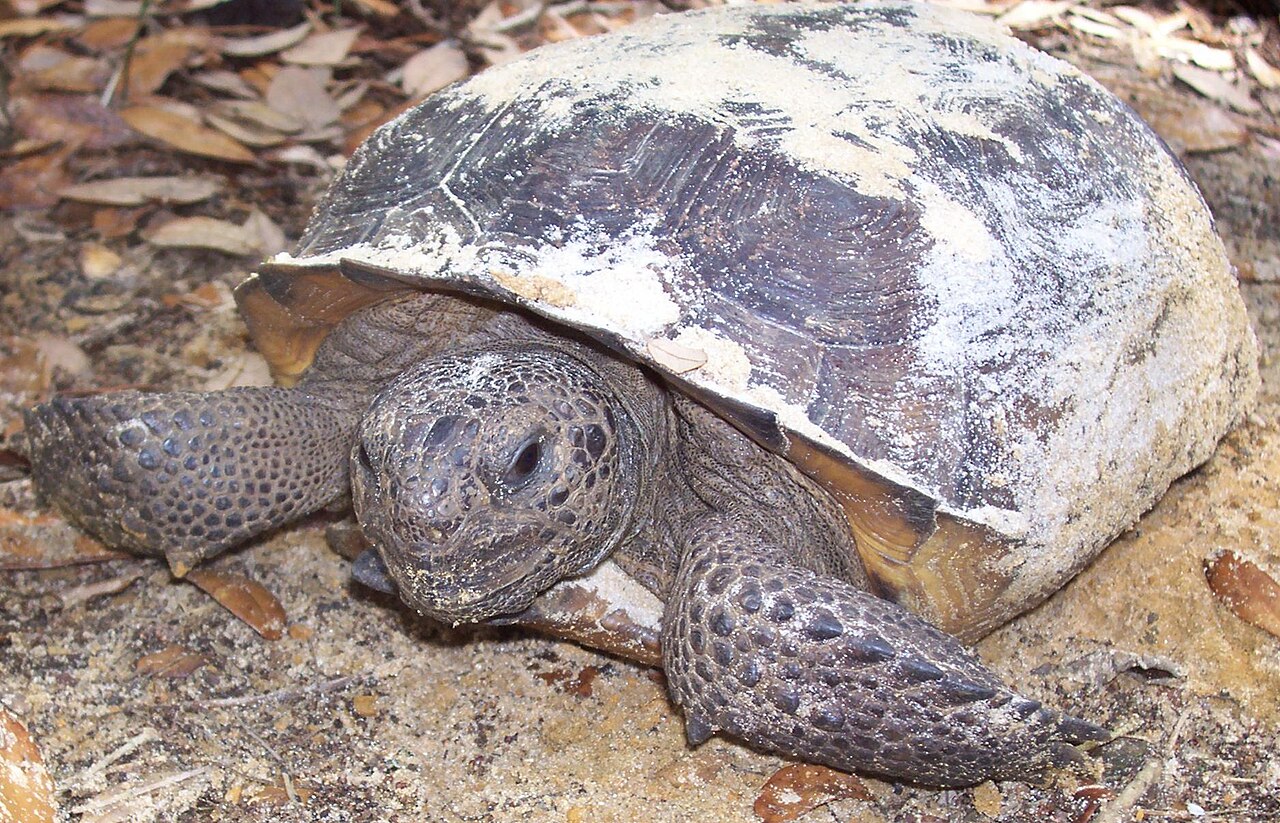
Hissing is the sound most people mean when they ask what noise a turtle makes. When a turtle retracts its head and legs, the shell leaves no room for inflated lungs, so air is squeezed out through the nostrils and windpipe in one burst. The result is a flat pssh lasting under a second.
Snapping turtles and box turtles hiss loudest because they withdraw hardest. You can trigger it by picking a turtle up, which is the one reason not to test it: the hiss costs the animal its breath and adds stress. If a turtle hisses while standing still and not withdrawing, look for other signs of illness instead.
Grunts and groans: the courtship call
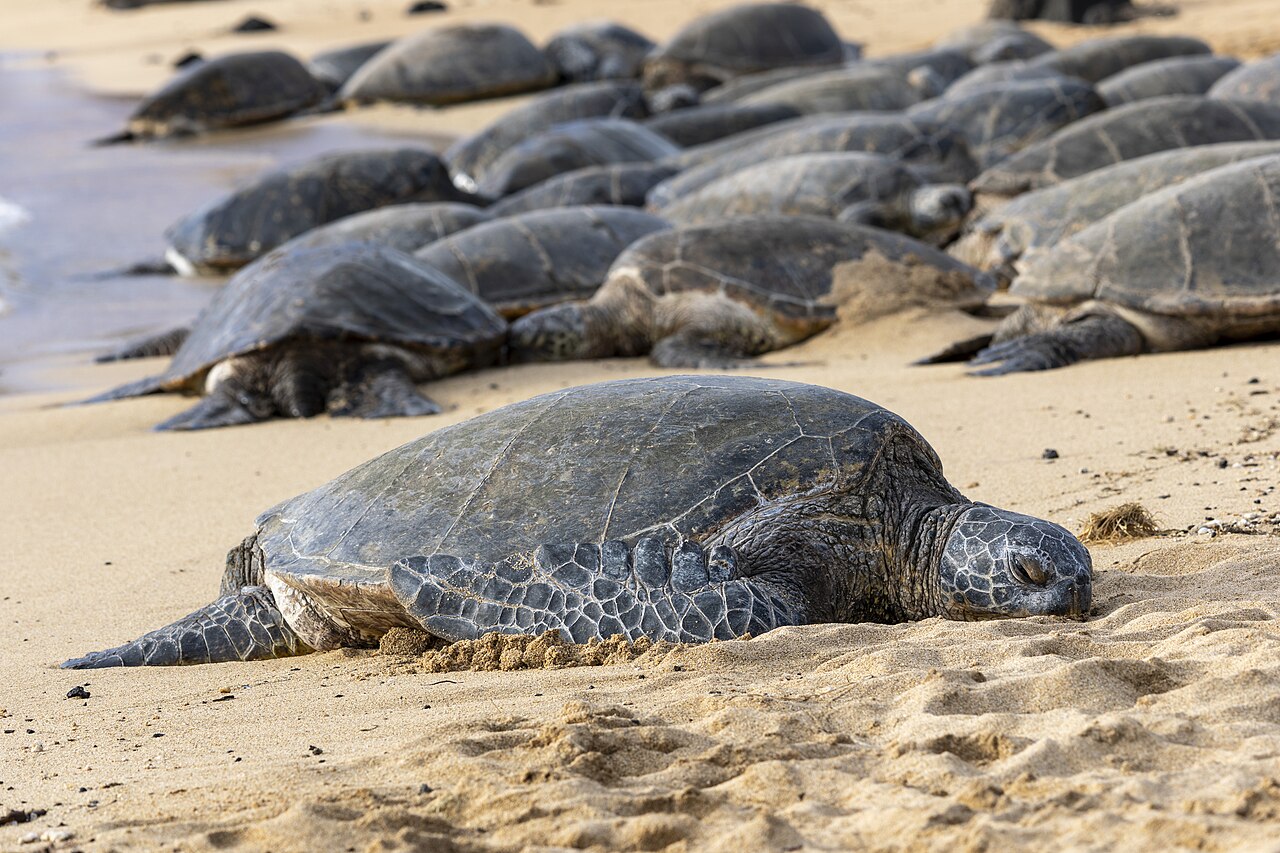
Male tortoises and some freshwater turtles grunt rhythmically while mating, and this is the only turtle sound loud enough to carry across a yard. Gopher tortoises, red footed tortoises, and the large Galapagos and Aldabra species produce a low repeated uh uh that visitors to zoos often mistake for a distressed mammal.
The call runs in time with the male’s pushing effort rather than functioning as a song, and it stops the moment mating ends. Season matters: in the United States you will hear it from roughly April through June in the south, later and more briefly farther north. Outside the breeding season the same animal is silent.
Squeaks and chirps: why do turtles squeak?
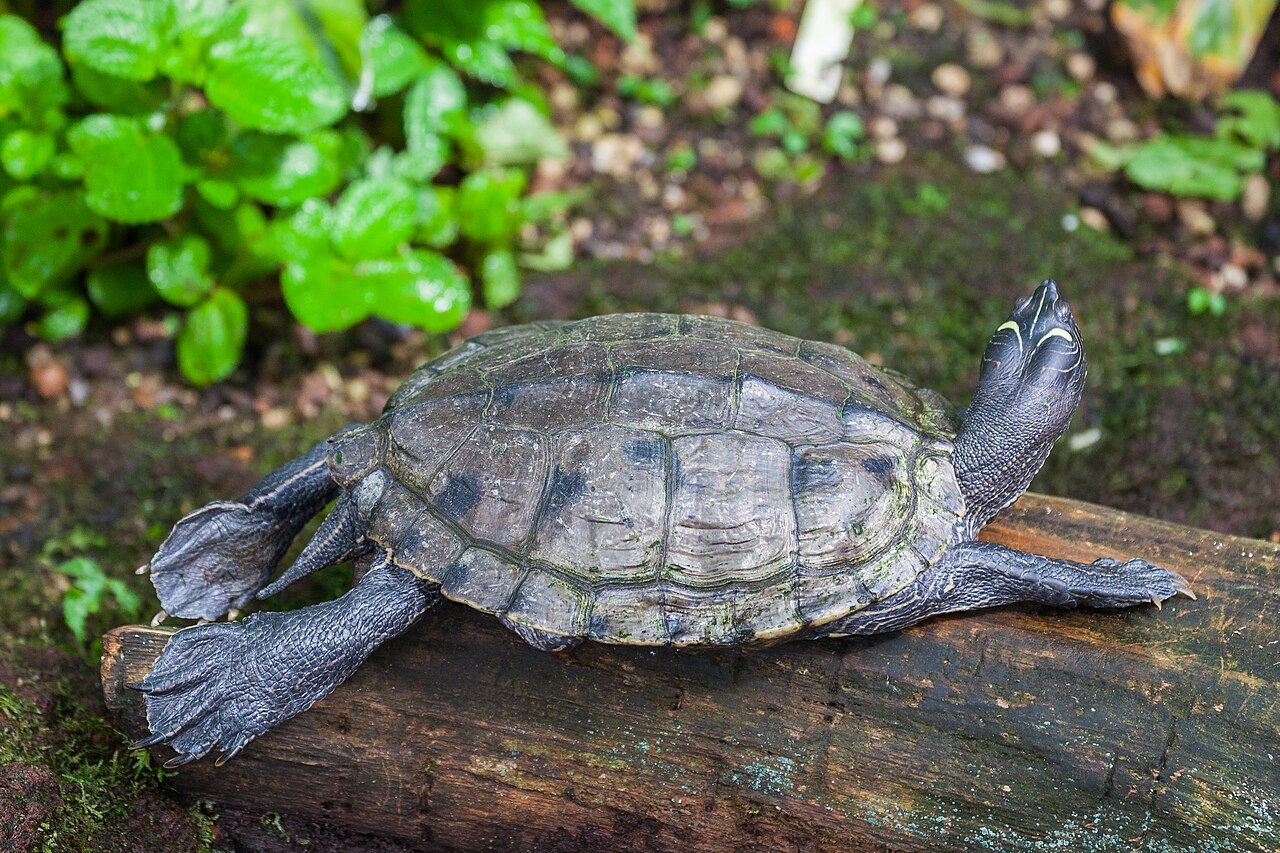
Turtles squeak because air moves quickly through a narrow glottis, usually after exertion, during a deep breath, or when a feeding animal gulps at the surface. In a healthy turtle the squeak is dry, brief, and not repeated on every breath. Many keepers hear it only when the animal climbs out onto a basking dock.
The sound is not communication in the way a bird call is, so there is no meaning to decode. What matters is the pattern. One squeak after climbing is normal; a squeak on every inhale for days is the early stage of the respiratory problem described in the next section.
Clicking and wheezing: when a turtle sound means illness
Wet clicking, whistling, and wheezing on each breath are the classic signs of a respiratory infection in turtles. They usually arrive with other symptoms: bubbles or discharge at the nostrils, open mouth breathing, swimming lopsided, puffy eyes, and a turtle that stops eating and stays on its basking spot.
Cold water, poor filtration, and a basking area that never reaches temperature are the common causes. This is a veterinary case, not a husbandry tweak you can wait out, and reptile infections progress to pneumonia faster than most owners expect. Raise the ambient temperature to the top of the species range and call a reptile veterinarian the same week.
Hatchling and nest calls: what baby turtles say
Hatchlings of several species make faint chirps inside the nest before they dig out, and researchers working on Amazon river turtles recorded both nest calls and answering sounds from adult females waiting in the water. The working interpretation is that the noise helps a clutch emerge together, which lowers each hatchling’s odds of being the one a predator takes.
If you hear a thin cheeping from bare sand or a dirt bank in late summer, mark the spot and leave it alone. Digging a nest open exposes the clutch, and in the United States most native turtle nests are protected on public land; the National Park Service asks visitors to report them rather than approach. Identification of the young is covered in our guide to baby turtles.
What is tortoise sound?
Tortoise sound is the same toolkit as a turtle’s, shifted lower and louder. Because tortoises are larger, have bigger lungs, and live on land where air carries, their grunts and hisses travel much better than a slider’s do. A big male tortoise in breeding condition is audible from 50 ft (15 m) away.
Tortoises also huff and puff while walking uphill or pushing an obstacle, a slow breathy sound with no social meaning at all. One useful distinction for keepers: a tortoise hiss ends when the head is in, while a tortoise wheeze continues breath after breath. The second one is a reason to make a call.
Sea turtle sounds above and below water
Nesting female sea turtles are the noisiest turtles most people ever hear. A green or loggerhead female digging above the tide line sighs, grunts, and exhales heavily for over an hour, and the sound is often the first thing patrol volunteers notice in the dark. Leatherbacks add a deeper groan.
Underwater, hydrophone studies have logged low frequency pulses and clicks from several species, including hatchlings calling as they cross the surf. These are not songs and are far quieter than whale or fish sounds, which is why they went unrecorded for so long. Beach rule stays the same: no lights, no flash, and stay well behind a nesting female.
When you hear turtle sounds: time of day and season
Mating grunts belong to spring and early summer, in the warm part of the day when turtles are active. Hisses happen whenever something startles the animal, so they cluster where people walk: trails, boat ramps, and road crossings in June, when females are moving to nest sites.
Nest chirps come late in the season, from roughly August into October depending on latitude, and most often in the evening or at night as the clutch works upward. Through winter you hear nothing at all from wild turtles in most of the country, because brumating animals sit still in mud and barely breathe.
Sounds people mistake for a turtle
Nearly every reported turtle call that turns out to be something else is a frog. The deep jug o rum of a bullfrog carries from the same pond edge where you saw a basking turtle, and it is loud, rhythmic, and nothing a turtle can produce; compare it in bullfrog sound. Treefrogs and cricket frogs account for most of the clicking reports.
Clicking in a quiet marsh at dusk usually comes from insects or frogs, and the squeaks people attribute to a turtle in a woodpile are typically rodents. In a yard setting, an unexplained night call is more often a bird; the look alike calls in birds that sound like owls and the daytime notes in cardinal sounds catch many of them.
Turtle sounds at night in a tank or pond
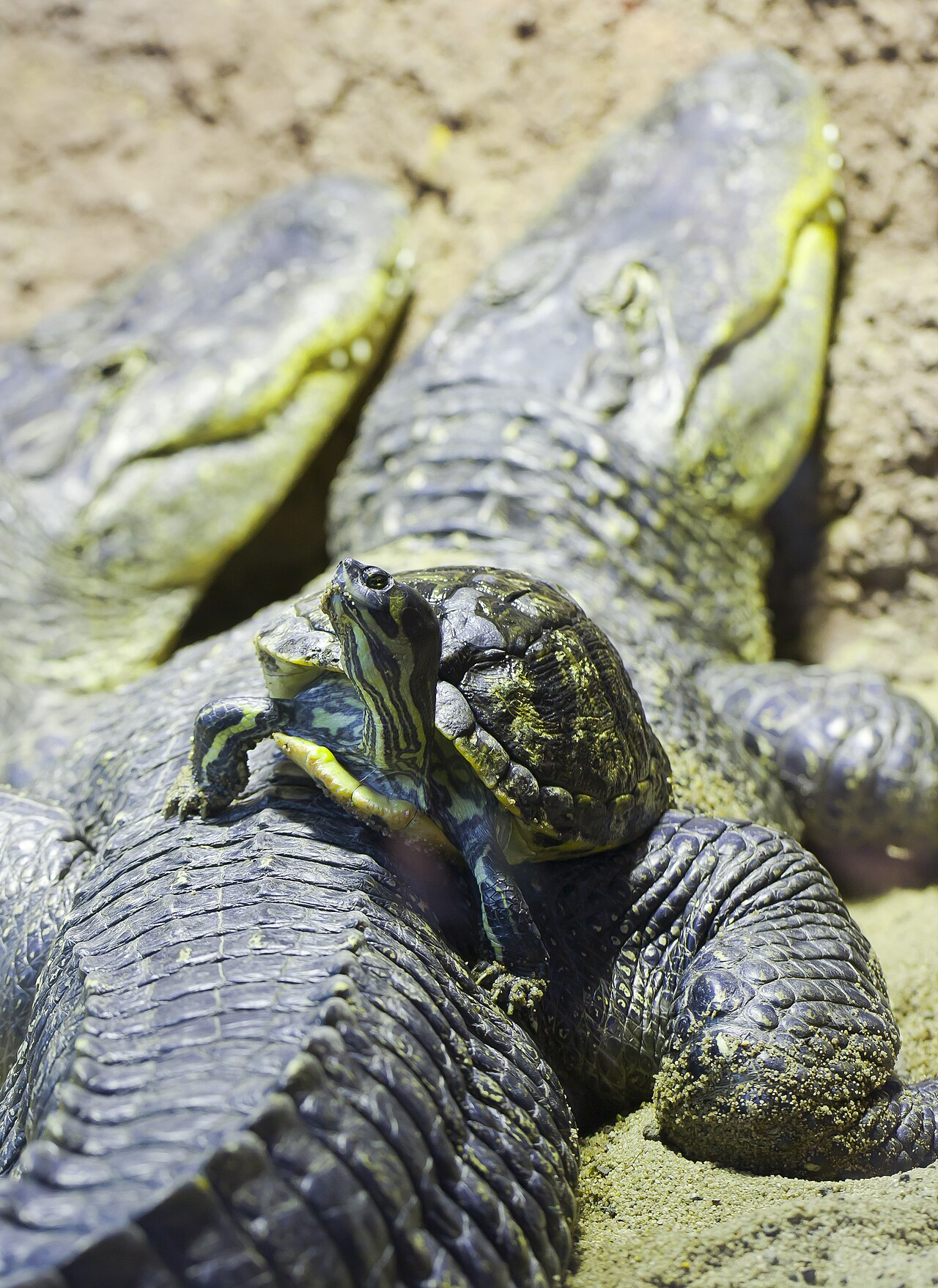
A pet turtle that makes noise after lights out is almost always moving, not calling. Claws scraping glass, the shell knocking a filter intake, a basking dock tipping, and splashing as the animal pushes off the wall produce most of the sounds owners record at 2 a.m. Add a few hollow taps as it tries to climb.
Run through the physical causes before you worry about the turtle’s health: water too cool to settle, too little room to turn, a light left on, or a tank mate crowding the dock. A genuine nighttime wheeze is a different matter and belongs in the illness section above. Scratching inside a wall or ceiling is never a turtle; those cases are covered in bat sounds and barred owl sound.
Frequently Asked Questions
What do the turtles say?
Turtles have no language and no call repertoire comparable to a bird’s. What they say, in practical terms, is startled, mating, or struggling to breathe. Hisses mean the head went in, grunts mean breeding behavior, and repeated clicks or whistles mean the airway is blocked and the animal needs help.
Why do turtles make weird noises?
Because every sound they make is a side effect of moving air rather than a deliberate call. Lungs sit directly under a rigid shell, so retracting the head, climbing out of water, or pushing against something forces air out in odd bursts. The result sounds oddly human and surprises most first time owners.
Why can’t you pick up a baby turtle?
Handling a hatchling stresses an animal with almost no energy reserve, and small turtles are a documented source of Salmonella in children, which is why selling turtles under 4 inches (10 cm) is restricted in the United States. Wild hatchlings also need to reach water on their own to orient correctly.
Can turtles get attached to humans?
They learn to associate a person with food and will approach, beg, and follow a hand along the glass, which is real learning but not affection in the way a dog shows it. Turtles do not seek contact for its own sake, and most show lower stress when handled less.
Is it a felony to touch a turtle?
Not usually, but it can be. Touching a sea turtle, its nest, or its hatchlings violates the federal Endangered Species Act, and penalties in states such as Florida are severe. Many states also prohibit collecting native freshwater turtles. Moving a turtle off a road in the direction it was heading is generally allowed.
Do turtles pee when picked up?
Often, yes. Emptying the bladder is a defensive reflex that lightens the animal and discourages a predator, and snapping turtles are especially reliable about it. It is one more reason to lift a turtle only to move it out of traffic, holding the back of the shell with both hands.