Black and White Bee: 6 Species and Which One Stings
A black and white bee is usually a bald faced hornet, a sand wasp, or a leafcutter bee. How to tell them apart and which one is worth avoiding.
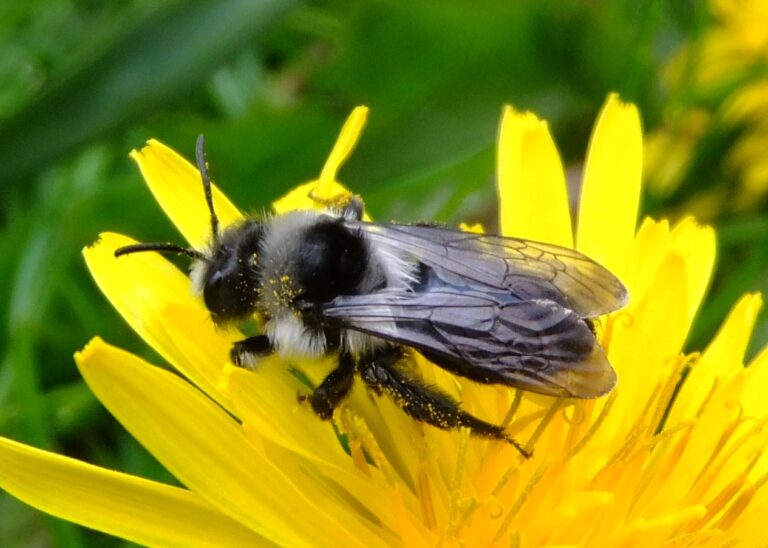
A black and white bee is usually a bald faced hornet, a sand wasp, or a leafcutter bee. How to tell them apart and which one is worth avoiding.
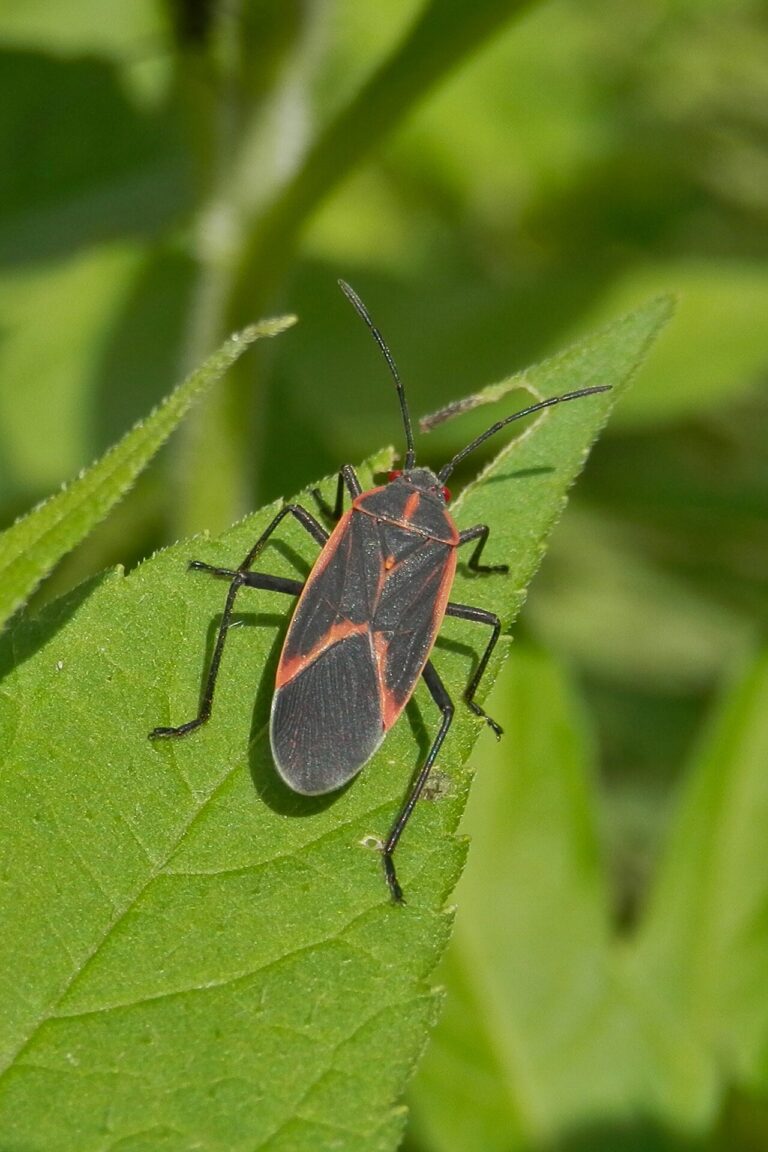
Red-shouldered bugs, milkweed bugs, and seed bugs all get called boxelder bugs. Here is how to tell them apart, and how to spot the one lookalike that bites.
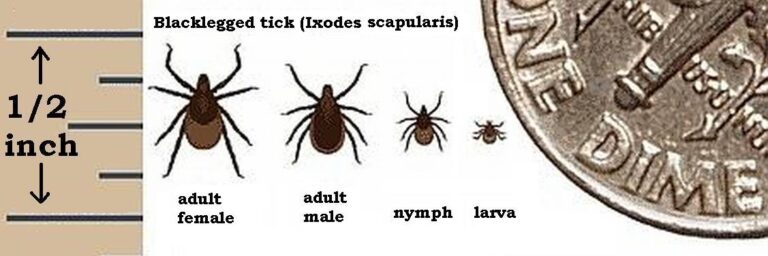
Most tick bites look like one small painless red bump. Here is the day by day timeline, the lookalikes, and the signs that need a doctor.

No US moth has fully blue wings. Here is where the blue really sits on each of the seven species, and which blue moth photos are not from America at all.
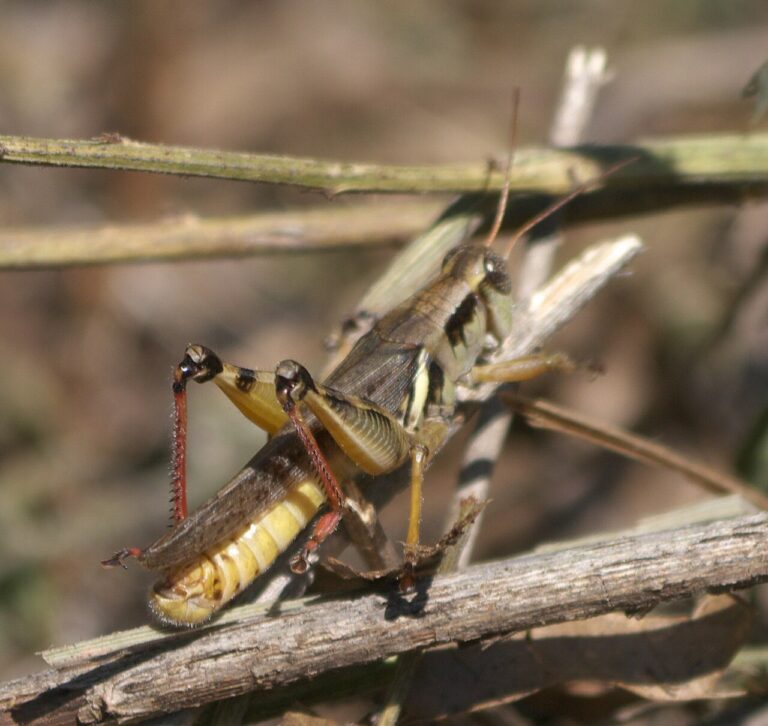
Birds, skunks, spiders, mantises and parasitic flies all eat grasshoppers, and beetle larvae destroy the eggs underground. Here is the predator list by life stage and habitat.

A snail stands for patience, shelter and slow, steady progress. Here is what one in your house, on your path or in an empty shell means, plus its place in the Bible, Hinduism and medieval art.
Seeing a spider is a good omen in most readings, standing for patience, creativity and a protected home. Here is what it means by room, color, species and Bible passage.
Ants in the house are read as a call to restore order at home through patience, teamwork and planning ahead. Here is what the sign means by time of day, room, color and faith, from Proverbs to the Quran.
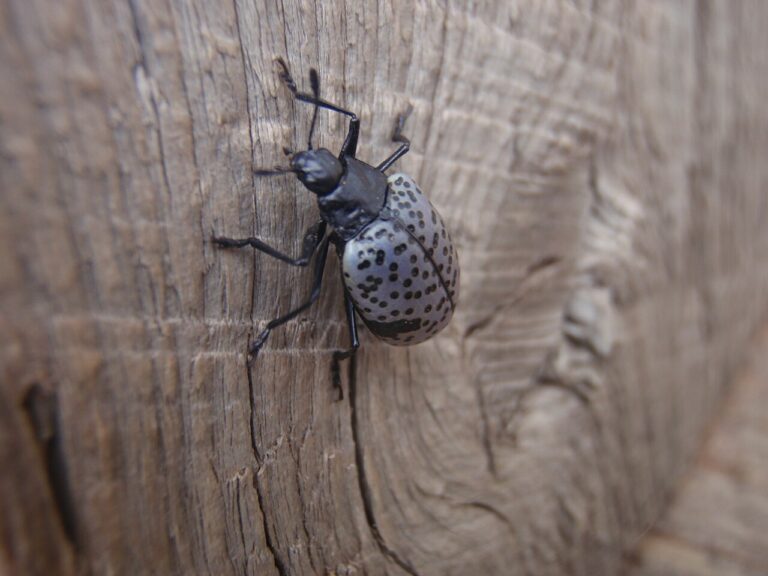
A beetle signals transformation, endurance, protection and grounding, and when one lands on you it reads as a nudge to stay steady through a change already underway. Here is what the sign means by situation, species, color and culture.
Flies in your house point to something stale that needs clearing, not a curse. Get a good or bad omen verdict for each situation, the Bible verses, and what each fly species means.