Baby Rabbit: Nests, Care, and What to Do
A baby rabbit is called a kit or kitten, and wild cottontails are born naked, blind, and helpless in a shallow, fur-lined nest hidden right out in the open, often in the middle of a lawn. Baby rabbits grow astonishingly fast, leaving the nest and living on their own in just three to four weeks. The single most important thing to know is that a nest of baby rabbits sitting alone is almost never abandoned, because the mother visits only briefly at dawn and dusk to avoid drawing predators.
This guide covers what baby rabbits are called, what they look like, how quickly they develop, what they eat, where they nest, how to tell if one is truly orphaned, and exactly what to do if you find a nest. Getting this right saves the lives of countless wild rabbits every spring.
| Fact | Detail |
|---|---|
| Name for a baby rabbit | Kit or kitten (also bunny) |
| Born | Naked, blind, deaf, in a ground nest |
| Litter size | Usually 3 to 6 |
| Eyes open | Around 10 days |
| Leave the nest | Around 3 to 4 weeks |
| Mother visits | Only at dawn and dusk |
| If found alone | Almost always not abandoned, leave it |
What Is a Baby Rabbit Called?
A baby rabbit is called a kit, short for kitten, and both terms are correct. In everyday speech people also simply call them bunnies, especially the wild cottontails that appear in yards each spring. A group of baby rabbits born together is a litter, and the mother rabbit is called a doe while the father is a buck.
The word bunny is informal and applies at any age, but kit specifically means a young rabbit still dependent on its mother. Domestic pet rabbits and wild cottontails share this vocabulary, since they are the same kind of animal, though their care needs differ enormously once you find one.
These names come up constantly in spring, when people discover nests of tiny kits in their lawns and gardens and search for what the babies are called and what to do. Whether you call them kits, kittens, or bunnies, the animal is the same, a fast-growing young rabbit that needs very little help from people to survive.
What Does a Baby Rabbit Look Like?
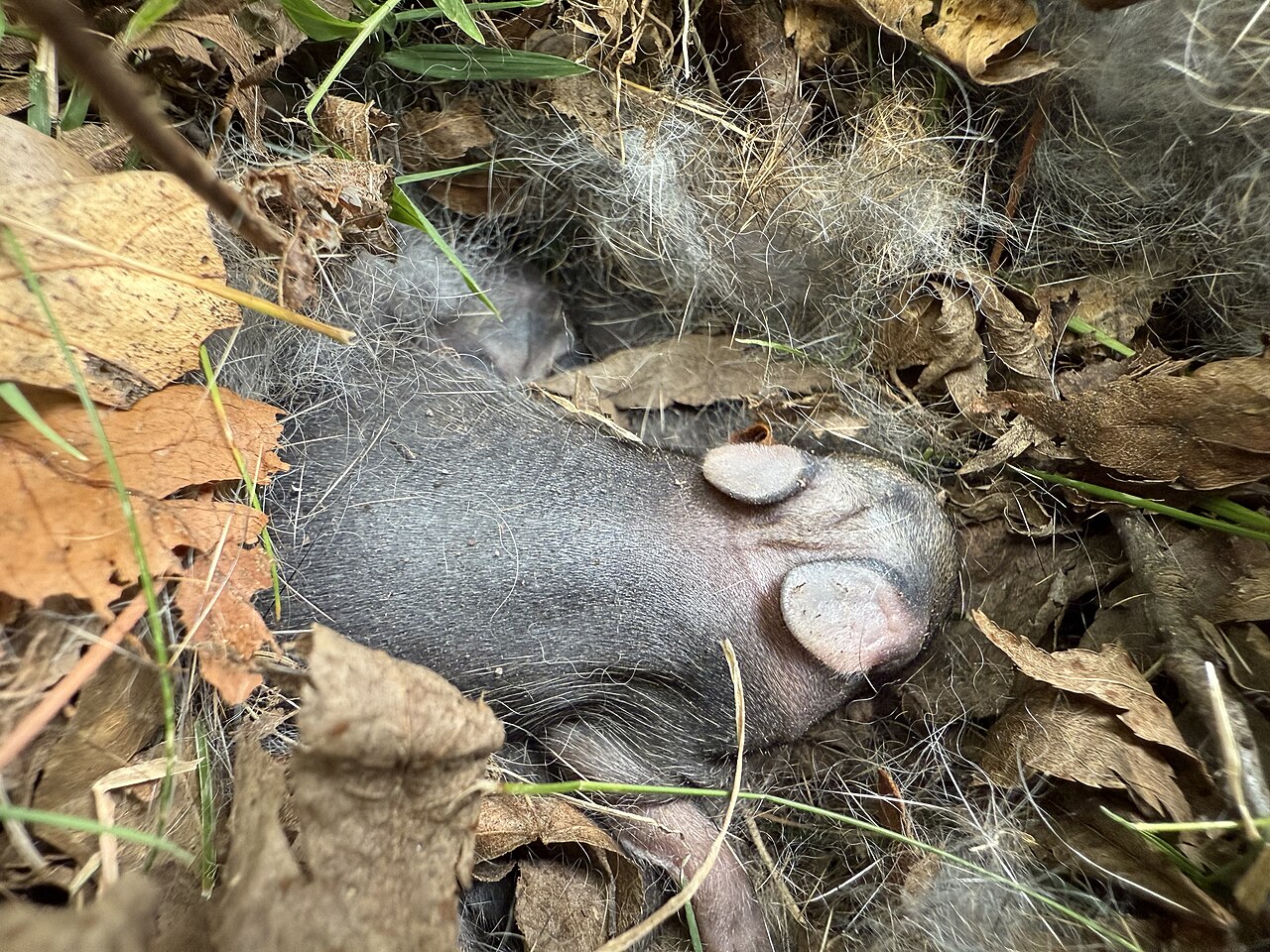
Newborn wild rabbits look almost nothing like the fluffy bunnies of storybooks. At birth a cottontail kit is tiny, about the size of a thumb, and completely naked, pink, blind, and deaf, with its eyes and ears sealed shut. It depends entirely on the warmth of the nest and its siblings, since it cannot regulate its own temperature.
Within days a fine coat of fur grows in, and by about ten days the eyes open and the ears begin to lift. By two to three weeks the kit is a recognizable miniature rabbit, fully furred, hopping, and starting to nibble greenery. Wild cottontails at this stage often have a small white blaze on the forehead that fades as they mature.
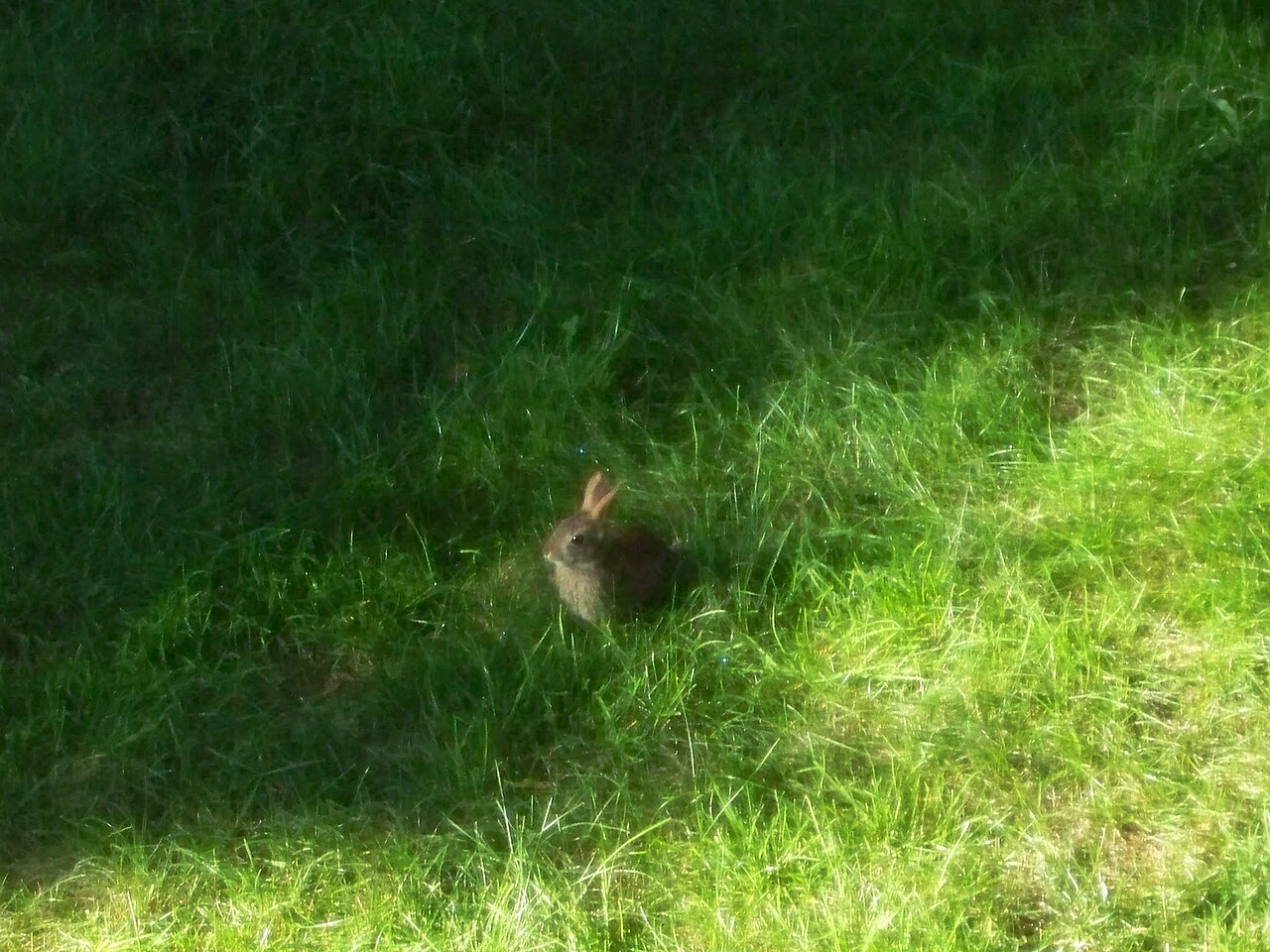
Size is a useful guide to independence. A wild cottontail that is about the size of a tennis ball, roughly four to five inches long, with open eyes and erect ears, is old enough to be on its own even though it looks small and vulnerable. Finding a bunny this size hopping around alone is normal, not a sign that it needs rescue.
How Fast Do Baby Rabbits Grow?
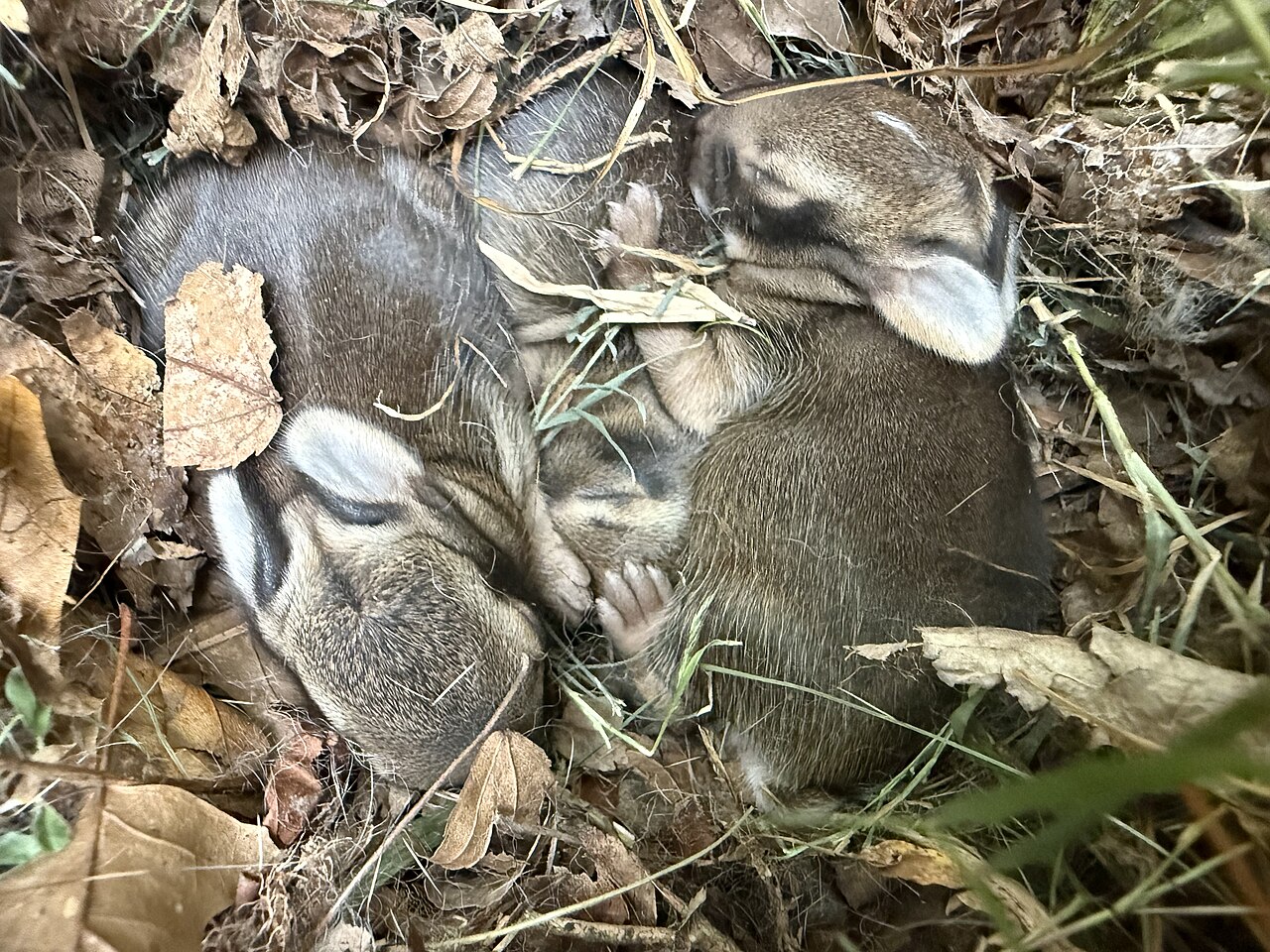
Baby rabbits develop at a remarkable pace, which is central to understanding how to help them. Born helpless, they open their eyes at around ten days, and by three to four weeks they are weaned, mobile, and ready to leave the nest for good. This is one of the shortest nestling periods of any backyard mammal.
This speed is a survival strategy. Cottontails are prey animals with many predators, so a doe raises each litter quickly and can produce several litters in a single breeding season. The fast turnaround means the vulnerable nest stage lasts only a few weeks, minimizing the time the babies are exposed in one spot.
Because they mature so fast, wild baby rabbits become independent while still small. A cottontail leaves its mother and the nest at three to four weeks old, long before it reaches adult size, and never returns. This is why a tiny but fully furred, bright-eyed bunny found alone is not lost, it is simply a young rabbit already living on its own.
What Do Baby Rabbits Eat?
For their first weeks, baby rabbits drink only their mother’s milk, which is extraordinarily rich. The doe nurses her kits just once or twice a day, usually at dawn and dusk, for only a few minutes at a time, and that concentrated milk sustains the litter between visits. This brief, infrequent nursing is why the mother is so rarely seen at the nest.
As the kits approach three weeks, they begin nibbling solid food, starting with tender grasses, clover, and leafy greens near the nest. By the time they leave, they are eating the same plant diet as adult wild rabbits, grazing on grasses, weeds, and garden greens. Their shift from milk to greens happens quickly during that final week in the nest.
This natural diet is why feeding a found wild baby rabbit is both unnecessary and dangerous. Their digestive systems are delicate and specialized, and cow’s milk or the wrong foods can quickly kill them, which is one more reason a healthy nest is best left for the doe to tend. The plants they graze are the same yard greenery that supports many creatures, from garden insects to grazing wildlife.
Where Do Baby Rabbits Nest?
Wild cottontails make one of the most surprising nests of any backyard animal, a shallow depression in the ground lined with grass and the mother’s own fur, placed right out in the open. Lawns, gardens, flower beds, and the base of shrubs are all common sites, and the nest is often discovered by accident during mowing or yard work.
The nest looks deceptively casual, sometimes little more than a fur-covered dip in the grass, and the doe deliberately keeps it inconspicuous. She stays away from it most of the time precisely so her scent and movement do not lead predators to the babies, returning only for those brief dawn and dusk nursing visits.
This open-ground nesting is why people so often stumble on baby rabbits and assume something is wrong. A nest in the middle of a yard is completely normal for a cottontail, not a mistake, and the babies are not abandoned just because no adult is in sight. Recognizing the shallow, fur-lined nest for what it is prevents well-meaning but harmful intervention, much as understanding other backyard babies does.
How to Tell If a Baby Rabbit Is Orphaned
Because does visit so briefly, an intact nest almost always still has an attentive mother, even when she is never seen. The reliable way to check is to test whether she is returning at night. Lay a few thin sticks or a light crisscross of string over the nest in a tic-tac-toe pattern, then check in the morning without disturbing the babies.
If the pattern has been pushed aside by morning, the doe visited and the litter is fine, so the nest should be left alone. If the pattern is undisturbed for a full day and night and the babies look cold, thin, weak, or are crying constantly, the litter may truly be orphaned and need help. Warm, quiet, plump babies in the nest are being fed.
Signs of a genuinely orphaned or injured kit include obvious wounds, fly eggs or maggots, sunken bellies, wrinkled skin from dehydration, and cold, limp bodies. Only in those cases does a baby rabbit need rescue, and even then the right move is to contact a licensed wildlife rehabilitator rather than to attempt care yourself.
What to Do If You Find a Baby Rabbit Nest
The overwhelming answer is to leave the nest alone and keep pets and children away from it for the two to three weeks until the babies disperse. A nest of quiet, warm kits is being cared for, and doing nothing is almost always the correct and kindest action, however vulnerable the babies look.
If you accidentally uncovered the nest, simply rebuild it. Replace the grass and fur lining over the babies and cover them back up, since the doe will not abandon a nest that has been touched by human hands. If a dog or mower disturbed it, gather any scattered kits gently, return them to the nest, and restore the covering.
Intervene only if you have confirmed the mother is not returning, or if a kit is clearly injured or in immediate danger. In that case, keep it warm and quiet in a covered box, do not feed it, and call a licensed wildlife rehabilitator right away, as recommended by the Humane Society and wildlife rehabilitators. Keeping the nest safe from a roaming coyote or a neighborhood cat, and mowing around it, does far more good than handling the babies.
Baby Rabbits and Backyard Predators
Cottontails are prey animals, and their entire reproductive strategy is built around the heavy predation baby rabbits face. Ground-level nests in the open are vulnerable to many animals, which is exactly why does raise litters so fast and visit so rarely, minimizing the clues that lead predators to the young.
A long list of backyard hunters takes baby rabbits, including foxes, coyotes, hawks, owls, snakes, and free-roaming domestic cats and dogs. Cats in particular are a major cause of baby rabbit deaths in suburban yards, which is one strong reason to keep pet cats indoors during nesting season and to supervise dogs near a known nest.
You can help a nest survive by giving it space, keeping pets away, and mowing around rather than over it until the kits leave. Beyond that, a healthy yard supports the whole web of wildlife, from the birds you attract to the small mammals they share the space with, and letting nature run its course is usually the best policy. Planting cover with wildlife-friendly plantings gives young rabbits and other creatures places to hide as they grow.
Related reading: Baby Fox.
Related reading: Baby Fox.
Related reading: Baby Fox.
Related reading: Baby Fox.
Related reading: Baby Fox.
Related reading: Baby Fox.
Related reading: Baby Fox.
Related reading: Baby Fox.
Related reading: Baby Fox.
Related reading: Baby Fox.
Related reading: Baby Fox.
Related reading: Baby Fox.
Related reading: Baby Fox.
Related reading: Baby Fox.
Related reading: Baby Fox.
Related reading: Baby Fox.
Related reading: Baby Wolf.
Related reading: Baby Mole.
Related reading: Baby Beaver.
Related reading: are possums dangerous.
Related reading: Baby Hedgehog.
Related reading: Baby Coyote.
Related reading: Baby Skunk.
Related reading: Netherland Dwarf Rabbit.
Related reading: Baby Chipmunk.
Related reading: Baby Bat.
Related reading: Baby Groundhog.
Related reading: Baby Arctic Fox.
Related reading: Rabbit Sounds.
Frequently Asked Questions
What is a baby rabbit called?
A baby rabbit is called a kit or kitten, and people also call them bunnies. A group born together is a litter, the mother is a doe, and the father is a buck. Kit specifically means a young rabbit still dependent on its mother.
What do baby rabbits eat?
For their first weeks baby rabbits drink only their mother’s rich milk, delivered in brief dawn and dusk nursing visits. Around three weeks they start eating grasses, clover, and leafy greens, and by the time they leave the nest they graze like adults.
I found a baby rabbit nest, what do I do?
Leave it alone and keep pets and children away for the two to three weeks until the kits disperse. A nest of warm, quiet babies is being cared for by the doe, who visits only briefly at dawn and dusk. Doing nothing is almost always correct.
How do I know if a baby rabbit is orphaned?
Lay thin sticks or string in a pattern over the nest and check in the morning. If it is disturbed, the mother visited and the litter is fine. Only if it stays undisturbed for a full day and the babies are cold, thin, or crying is the litter likely orphaned.
How long do baby rabbits stay in the nest?
Wild cottontails leave the nest at only about three to four weeks old, weaned and independent. A small but fully furred, bright-eyed bunny hopping alone is old enough to be on its own and does not need rescue despite its size.
Can you touch a baby rabbit?
It is best not to handle wild baby rabbits, but the myth that a mother will reject a touched baby is false. If you must return a kit to its nest, do so and rebuild the cover. The doe will keep caring for the litter even after it has been handled.
What eats baby rabbits?
Many backyard predators take baby rabbits, including foxes, coyotes, hawks, owls, snakes, and free-roaming cats and dogs. Domestic cats are a leading cause of baby rabbit deaths in suburbs, so keeping cats indoors during nesting season helps litters survive.