Baby Hedgehog: Hoglet Facts, Growth, Diet, and Care
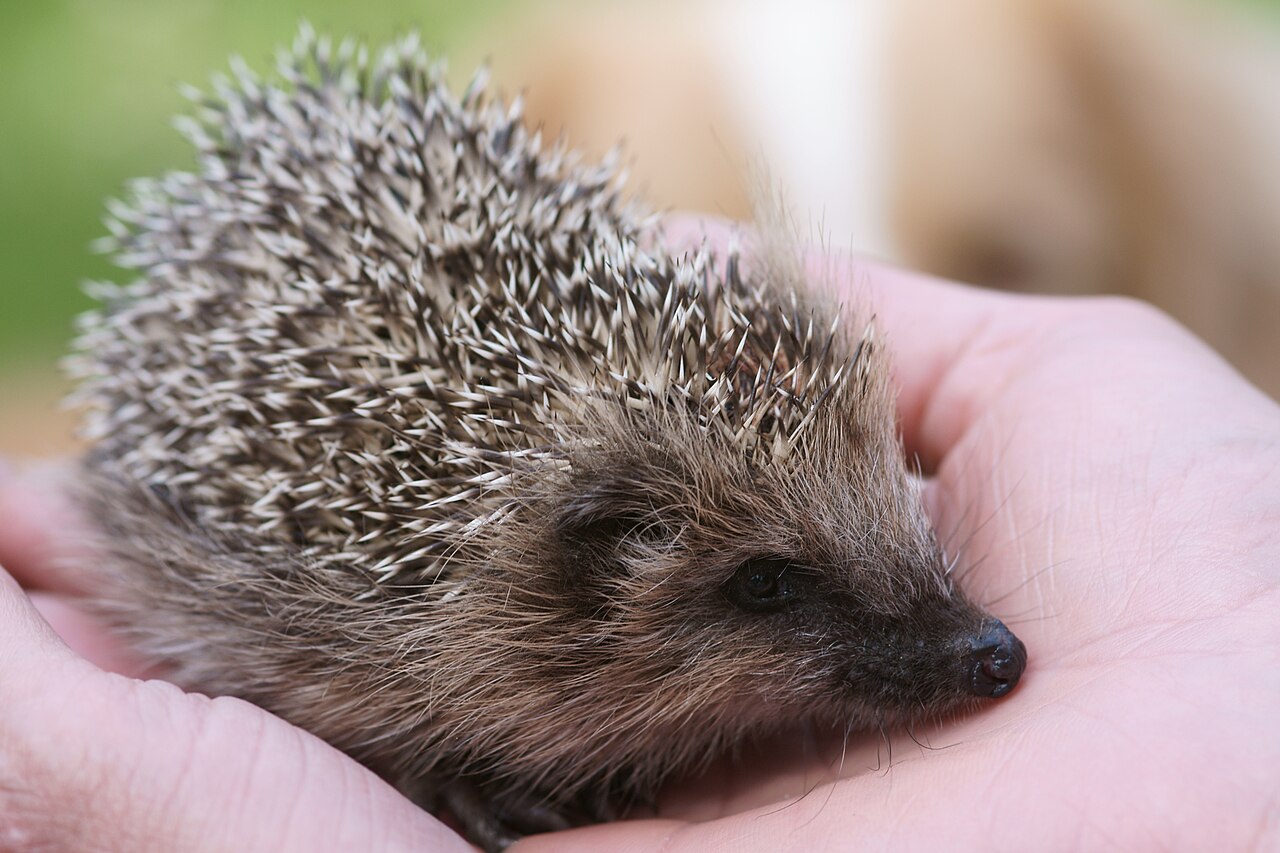
A baby hedgehog is called a hoglet. Litters usually contain 4 to 5 young, each weighing about 0.3 to 0.9 oz at birth, and they arrive blind, deaf, and pink with their spines still hidden beneath a layer of fluid-filled skin. Those first white spines push through within hours of birth, and a second set of darker ones follows within days.
One thing surprises most American readers: there are no wild hedgehogs anywhere in North America. Every hoglet born on this continent is a captive-bred African pygmy hedgehog, a pet species that is illegal to own in several states. This guide covers hoglet development week by week, what they eat, how to tell a hoglet from a baby porcupine, what to do if you find one, and what caring for a pet hoglet actually involves.
| Quick Facts | Baby Hedgehog (Hoglet) |
|---|---|
| Proper name | Hoglet |
| Litter size | 4 to 5 typical, range 1 to 7 |
| Birth weight | 0.3 to 0.9 oz |
| Gestation | About 35 days in African pygmy hedgehogs |
| Eyes open | Around 14 to 18 days |
| Weaning | 4 to 6 weeks |
What Is a Baby Hedgehog Called?
The standard term is hoglet, occasionally written as hedgehoglet, and it applies to any young hedgehog from birth through weaning. Adult females are sows and adult males are boars, borrowing pig vocabulary that the animal’s common name already gestures at, even though hedgehogs are not remotely related to pigs. A group is called an array, a word almost nobody has occasion to use since hedgehogs are solitary.
The name confusion runs deeper than vocabulary. Hedgehogs belong to the family Erinaceidae in the order Eulipotyphla, which makes their closest relatives shrews and moles rather than porcupines or rodents. There are 17 species worldwide, spread across Europe, Asia, and Africa, plus New Zealand where they were introduced.
The species most Americans encounter is the African pygmy hedgehog, a domesticated hybrid derived from the four-toed hedgehog (Atelerix albiventris). It is smaller than the European hedgehog, reaching about 0.5 to 1.25 lb as an adult, and it exists in the United States purely as a pet. Their nearest relatives in the wild here are covered in our guide to the baby mole.
What a Newborn Hoglet Looks Like
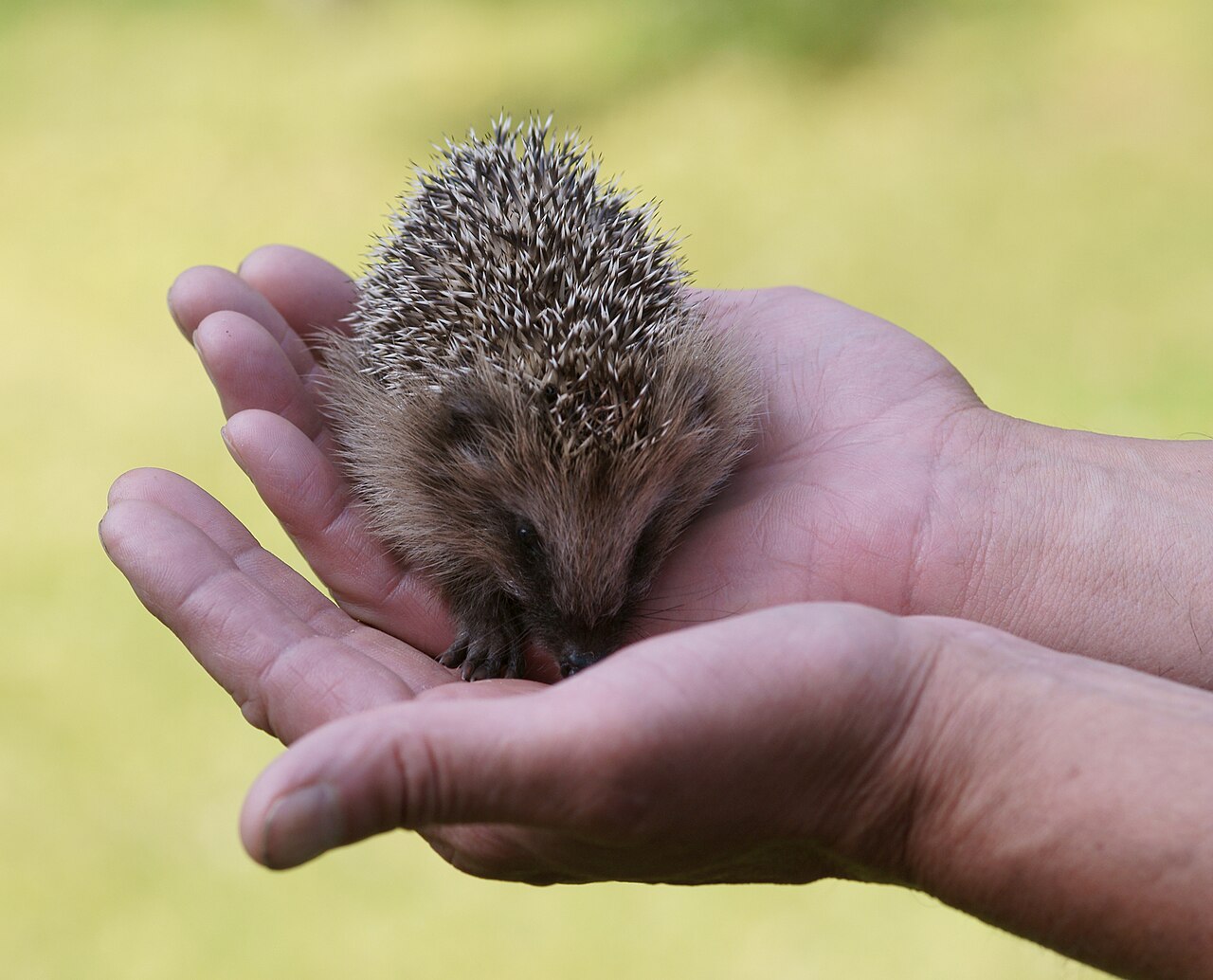
A newborn hoglet is startling to see. It is pink, blind, deaf, roughly the size of a large grape, and appears almost spineless, because the quills are buried under a layer of fluid-swollen skin. This is not an accident of development but an adaptation that protects the mother during birth.
The fluid absorbs quickly. Within hours the skin contracts and around 150 soft white spines emerge, and within the first few days a second set of darker, harder spines pushes through between them. By two weeks a hoglet carries several hundred spines and looks recognizably like a hedgehog in miniature.
Spines are modified hairs made of keratin, the same protein as fingernails, and unlike porcupine quills they are not barbed and do not detach on contact. A hedgehog cannot shoot or throw them. An adult carries roughly 5,000 to 7,000, and the muscles at the base allow the animal to raise them into a defensive crest and roll into a tight ball.
Hoglet Development Week by Week
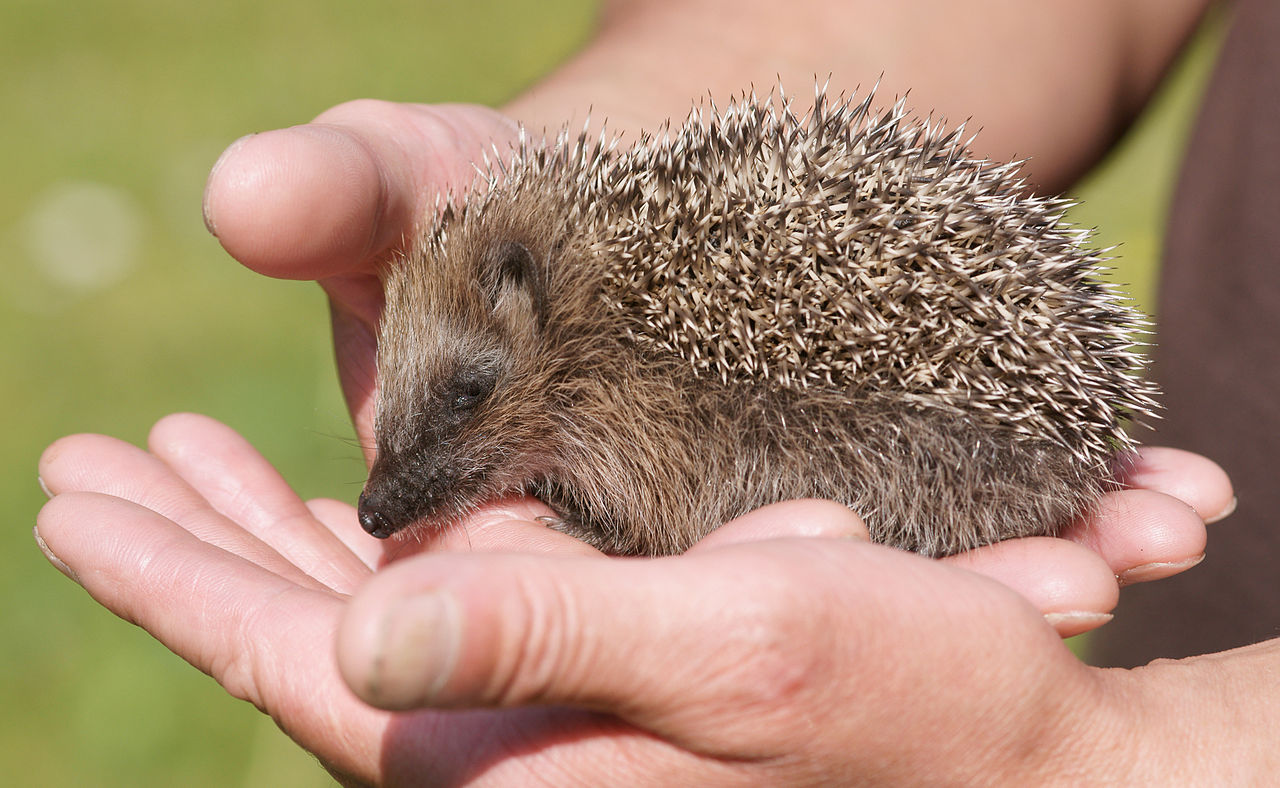
The first two weeks are entirely dependent. Hoglets cannot see, hear, or thermoregulate, and they rely completely on the mother’s milk and body heat. The mother nurses them in a nest of leaves and grass, and disturbance during this window is genuinely dangerous, because a stressed sow may abandon or even cannibalize her litter.
Eyes open at around 14 to 18 days, ears become functional at a similar point, and the young begin moving around the nest. Between three and five weeks the animal goes through quilling, a process in which juvenile spines are shed and replaced by adult ones. Quilling is uncomfortable, and a pet hoglet in this stage often becomes irritable, eats less, and dislikes being handled, which is normal rather than a sign of illness.
Weaning happens at four to six weeks, and the young start following the mother on foraging trips and eating solid food. By six to eight weeks they are independent and disperse, and pet hoglets should not go to new homes before at least six weeks, with many breeders holding them to eight. Sexual maturity arrives surprisingly early, at around two months in African pygmy hedgehogs, which is why breeders separate males and females promptly.
What Do Baby Hedgehogs Eat?
For the first several weeks a hoglet drinks nothing but its mother’s milk, nursing frequently through the day and night. Hedgehog milk is high in fat and protein, and hoglets gain weight rapidly on it, often doubling within the first week.
Solid food enters the picture at around three weeks, alongside continued nursing. In the wild that means insects, and hedgehogs are primarily insectivores despite being classified as omnivores. Beetles, caterpillars, earwigs, millipedes, worms, and slugs make up the bulk of a wild diet, supplemented by the occasional egg, small vertebrate, or fallen fruit.
Never give a hedgehog cow’s milk. Hedgehogs are lactose intolerant, and dairy causes severe diarrhea that can kill a young animal through dehydration. This is the single most common and most damaging mistake made by well-meaning people who find one. Pet hoglets are fed a high-protein, low-fat hedgehog or high-quality cat kibble softened with water during weaning, plus live insects for enrichment, and our guide to what crickets eat covers gut-loading feeder insects so they carry more nutrition.
Where Baby Hedgehogs Actually Live
Hedgehogs are native to Europe, Asia, and Africa, and they were introduced to New Zealand. They are not native to North or South America or Australia, and there is no wild hedgehog population anywhere in the United States or Canada. Anyone who thinks they have seen a wild hedgehog in an American yard has almost certainly seen an escaped pet, a young opossum, or a porcupine.
The European hedgehog is the familiar garden animal of Britain and continental Europe, and its populations have declined significantly, driven by habitat fragmentation, road mortality, pesticide use that reduces insect prey, and tidy gardens that eliminate nesting sites. British conservation groups now treat garden hedgehog support as a meaningful conservation activity.
Legality matters in the United States because these are pets, not wildlife. Hedgehog ownership is prohibited in California, Hawaii, Georgia, and Pennsylvania, and in New York City, with restrictions in several other jurisdictions. Anyone considering a hoglet should confirm current local rules first, since the laws change and enforcement usually means confiscation.
Baby Hedgehogs vs Baby Porcupines
The two are unrelated and frequently confused, which matters in North America because porcupines are here and hedgehogs are not. A baby porcupine is called a porcupette, and North American porcupines are rodents that can exceed 20 lb as adults, whereas the largest hedgehog species tops out near 3 lb.
The defensive equipment is completely different. Porcupine quills are barbed and detach on contact, embedding in whatever touched them and working deeper with muscle movement, which is why a dog with a face full of quills needs a veterinarian. Hedgehog spines are smooth, firmly rooted, and do not detach. A hedgehog defends itself by curling into a ball rather than by leaving quills behind.
Behavior separates them too. Porcupines climb trees and eat bark, twigs, and leaves, while hedgehogs stay on the ground and eat insects. Echidnas add a third layer of confusion in Australia and New Guinea, but they are egg-laying monotremes and are not closely related to either. If the spiny animal in your North American yard is real and wild, it is a porcupine.
What to Do If You Find a Baby Hedgehog
In the United Kingdom and Europe, where wild hedgehogs live, a hoglet out alone during the day is usually in trouble. Healthy young stay in the nest until they are old enough to forage at night, so a small hoglet wandering in daylight, lying still, or making a distress call needs help. The standard advice is to place it in a high-sided box with a towel and a covered hot water bottle and contact a wildlife rescue immediately.
The rule is different for a nest of quiet hoglets you accidentally uncover. Cover it back up, leave the area, and keep pets away, because the mother is almost certainly nearby and human interference is the thing most likely to cause abandonment. Only intervene if the mother is confirmed dead or the young are cold and unresponsive after several hours.
In North America the calculus changes entirely. Since there are no wild hedgehogs, any hedgehog found outdoors is an escaped or dumped pet that cannot survive local winters or find appropriate food. Contain it safely, keep it warm, and contact a local exotic animal veterinarian, a rescue that handles small exotics, or animal control. The same judgment about whether a young animal actually needs help applies across species, as our guides to the baby rabbit and the baby fox explain.
Caring for a Pet Baby Hedgehog
Temperature is the single most important variable and the one most often mishandled. African pygmy hedgehogs need an ambient range of roughly 72 to 80 F, maintained consistently. Below that they attempt hibernation, a state their domesticated line cannot survive, and attempted hibernation is a leading cause of death in pet hedgehogs. A ceramic heat emitter with a thermostat, not a heat rock or a heat mat alone, is the standard setup.
Housing needs more space than most starter cages provide. A solid-bottom enclosure of at least 4 sq ft, a large solid-surface running wheel, a hide, paper-based or fleece bedding, and no wire flooring are the baseline. Hedgehogs run several miles a night in the wild, and a wheel is not optional enrichment but a health requirement.
They are solitary, nocturnal, and require patient daily handling to stay tame. Expect anointing, the odd behavior in which a hedgehog chews something with a novel smell and spreads frothy saliva across its own spines, which looks alarming and is entirely normal. Common health problems include obesity, mites, dental disease, and wobbly hedgehog syndrome, a progressive neurological condition with no cure, and all of them need a veterinarian experienced with exotic mammals rather than a general small animal practice. The Smithsonian’s National Zoo and similar institutions publish husbandry information that is a better starting point than most pet store guidance. Anyone weighing a hedgehog against a more conventional small pet will find useful comparison in our guide to guinea pig breeds.
Frequently Asked Questions
What is a baby hedgehog called?
A baby hedgehog is called a hoglet, sometimes written hedgehoglet. Adult females are sows and adult males are boars. Litters typically contain 4 to 5 hoglets, and the young are weaned at four to six weeks.
Are hedgehogs native to North America?
No. Hedgehogs are native to Europe, Asia, and Africa, and were introduced to New Zealand. There is no wild hedgehog population in the United States or Canada. Any hedgehog found outdoors in North America is an escaped or released pet.
When do baby hedgehogs get their spines?
Hoglets are born with spines buried beneath fluid-swollen skin, which protects the mother during birth. Around 150 soft white spines emerge within hours as the fluid absorbs, and a second set of darker, harder spines follows within days. Adults carry roughly 5,000 to 7,000.
What do baby hedgehogs eat?
Mother’s milk exclusively for the first three weeks, then solid food alongside nursing until weaning at four to six weeks. Wild hedgehogs are primarily insectivores, eating beetles, caterpillars, worms, and slugs. Never give cow’s milk, since hedgehogs are lactose intolerant and dairy causes fatal diarrhea in young animals.
What is quilling in baby hedgehogs?
Quilling is the process between roughly three and five weeks when juvenile spines are shed and replaced by adult ones. It makes the skin sore, so hoglets often become irritable, eat less, and resist handling. It is normal, and a warm oatmeal bath with reduced handling helps them through it.
What is the difference between a hedgehog and a porcupine?
They are unrelated. Porcupines are rodents that can exceed 20 lb with barbed quills that detach on contact and embed in whatever touches them. Hedgehogs are insectivores related to shrews and moles, weighing under 3 lb, with smooth spines that never detach. A baby porcupine is a porcupette.
Can you keep a baby hedgehog as a pet?
In many places yes, but ownership is prohibited in California, Hawaii, Georgia, and Pennsylvania, and in New York City, with restrictions elsewhere. Pet hedgehogs need a consistent 72 to 80 F environment, a large solid running wheel, at least 4 sq ft of solid-floor housing, and a veterinarian experienced with exotic mammals.