Baby Alpaca: Cria Facts, Growth, Care, and Wool Explained
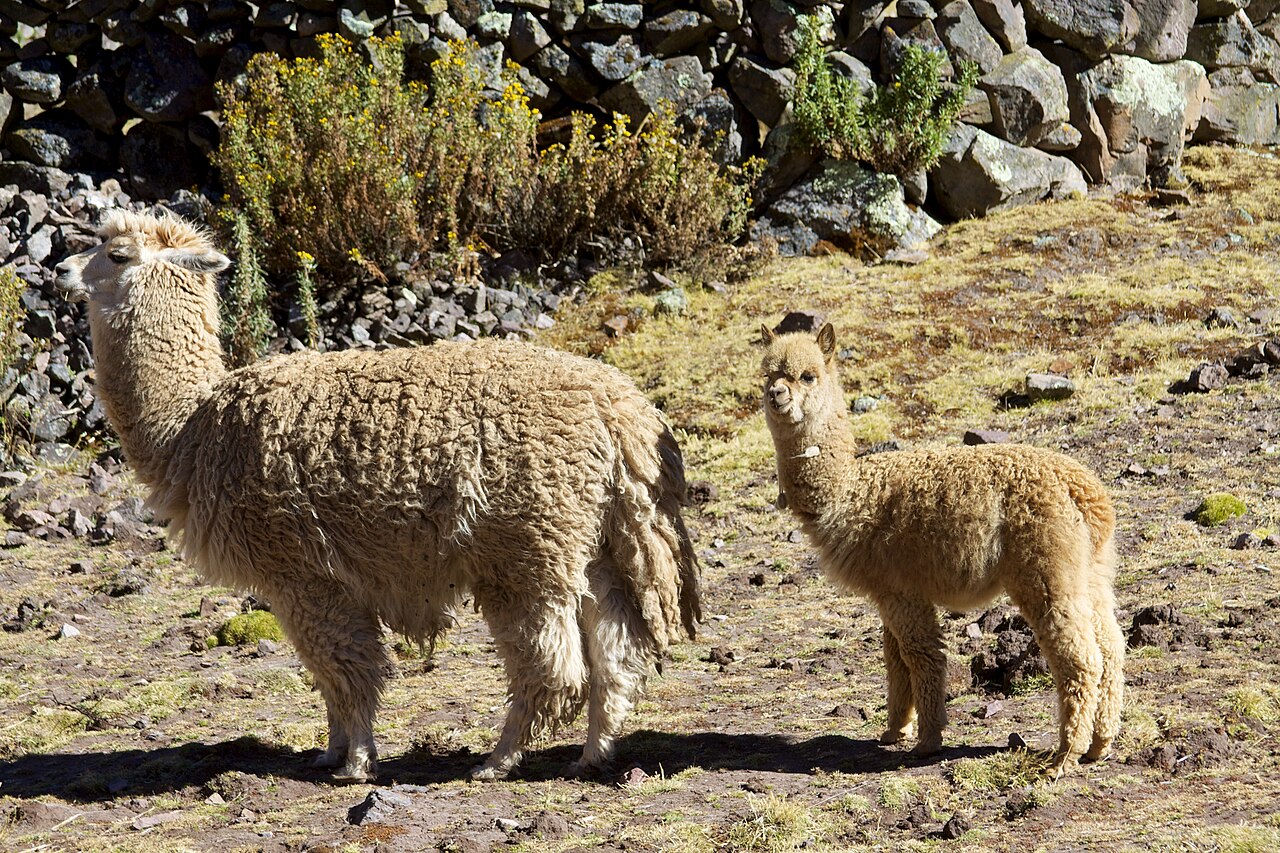
A baby alpaca is called a cria, pronounced KREE-ah, and the word comes from the Spanish term for a young animal raised by its mother. A cria weighs roughly 15 to 20 lb at birth after a gestation of about 11.5 months, and it is usually standing and nursing within the first hour or two of life. Almost all crias are born during daylight hours, an inherited trait from the cold high-altitude Andes where a wet newborn had to dry off before nightfall to survive.
The phrase baby alpaca causes constant confusion, because it also names a grade of fleece that has nothing to do with the age of the animal it came from. This guide covers both meanings, walking through what a cria looks like at birth, how fast it grows, what it eats, the health problems that kill crias in their first week, and what the yarn label on a baby alpaca sweater actually promises.
| Quick Facts | Baby Alpaca (Cria) |
|---|---|
| Proper name | Cria (KREE-ah) |
| Gestation | About 335 to 345 days (11 to 11.5 months) |
| Birth weight | 15 to 20 lb, occasionally up to 22 lb |
| Standing and nursing | Within 30 minutes to 2 hours of birth |
| Weaning age | About 5 to 7 months |
| Litter size | Single cria; twins are very rare |
What Is a Baby Alpaca Called?
The correct term is cria, a word borrowed from Spanish and used across the whole South American camelid group, so baby llamas, guanacos, and vicunas carry the same label. English does not have a native word for a young alpaca the way it has calf, lamb, or foal, so cria filled the gap and became standard among breeders worldwide. You will see it capitalized only at the start of a sentence, and the plural is simply crias.
The rest of the family vocabulary follows the same borrowed pattern. An adult female alpaca is a hembra, an adult male is a macho, and a castrated male is a gelding, though many North American farms simply say female, male, and gelding in everyday conversation. A group of alpacas is a herd, and the collective noun does not change for a group of youngsters.
Crias stay with the herd from the moment they are born, and the herd matters enormously to their development. Alpacas are obligate social animals, which means a single alpaca kept alone will suffer psychologically and physically no matter how much human attention it receives. Anyone considering crias should plan on a minimum of three animals from the start, which is also the standard advice from breed organizations such as the Alpaca Owners Association.
Baby Alpaca Size and Weight at Birth
A healthy cria arrives weighing 15 to 20 lb and standing roughly 30 in tall at the shoulder once it gets its legs under it. That is a remarkably small package relative to the mother, who typically weighs 120 to 180 lb, and the size difference is one reason alpaca births are usually straightforward compared with sheep or cattle. Huacaya crias, the fluffy crimped type most people picture, often look larger than they weigh because of the fleece.
Birth weight is the single most useful predictor of survival in the first month. Crias born under 12 lb are considered at risk and generally need supplemental feeding, warmth, and close monitoring, while those over 22 lb can signal a difficult delivery or a metabolic issue in the dam. Most farms weigh every cria at birth and then daily for the first two weeks, because a newborn that fails to gain weight is telling you something is wrong days before it looks sick.
Expect steady gains of roughly 0.5 to 1 lb per day through the first month in a thriving cria. By six months a well-grown animal typically reaches 60 to 70 lb, and full adult size arrives somewhere between 18 months and 2 years. Farms tracking growth alongside other small livestock will find the same weigh-and-record discipline pays off with birds too, as our guide to raising coturnix quail demonstrates on a much smaller scale.
How Crias Are Born
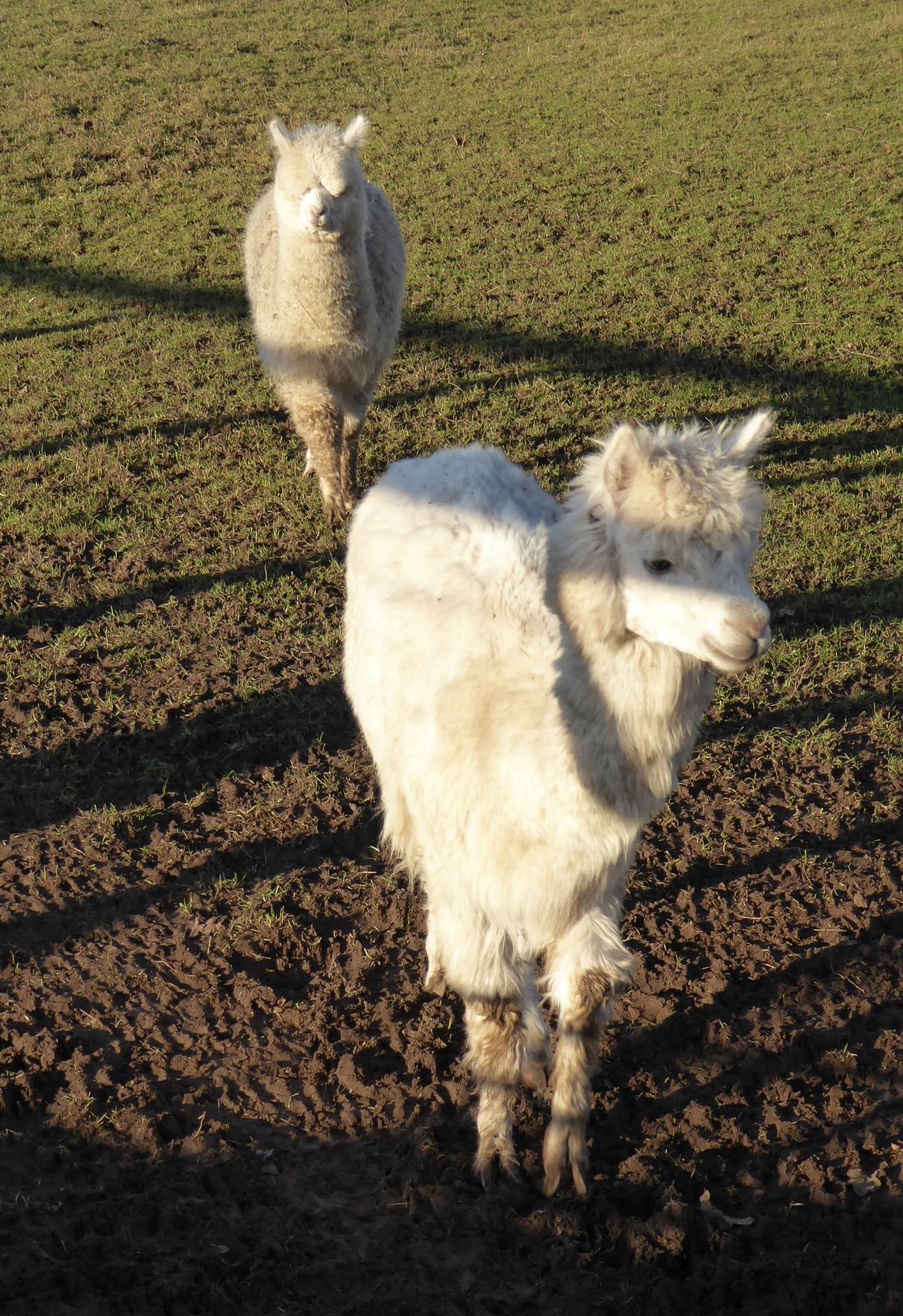
Alpaca births are overwhelmingly daytime events, with the large majority occurring between mid morning and early afternoon. This is not coincidence but adaptation. In the Andean highlands where alpacas were domesticated more than 6,000 years ago, temperatures plunge after sunset, and a newborn born in the evening would not have time to dry and thermoregulate before the cold hit. The rhythm persists in North American herds even in mild climates.
Active labor is usually fast, often 20 to 45 minutes once the cria’s nose and front feet appear. The dam typically stays standing or in a cush position and rarely needs assistance. A birth that stalls past an hour, presents a single foot, or shows a nose without feet warrants an immediate call to a veterinarian experienced with camelids, because malpresentations do not resolve themselves. For a closely related question, see our guide to saanen goat. For a closely related question, see our guide to icelandic sheep.
The first six hours are the critical window. A cria should stand within 30 minutes to 2 hours, find the udder, and nurse successfully, taking in colostrum that carries the antibodies its own immune system cannot yet produce. Alpaca placentas do not transfer antibodies before birth, so a cria that misses colostrum in the first 12 to 24 hours has no immune protection at all. That gap, called failure of passive transfer, is the leading cause of preventable cria death.
What Baby Alpacas Eat
For the first several weeks a cria lives entirely on its mother’s milk, nursing in short bouts many times a day rather than in long sessions. Alpaca milk is comparatively low in fat and high in protein, which suits the frequent-feeding pattern, and a healthy cria may nurse 15 to 20 times in a 24-hour period during its first week. The mother produces on the order of 4 to 6 pints per day at peak lactation.
Curiosity does the rest of the work. By two to three weeks crias start nibbling hay and pasture alongside the adults, and by six to eight weeks they are grazing meaningfully even though milk still supplies most of their calories. Many farms offer a creep feed, a small ration accessible only to the young animals through a barrier that adults cannot pass, to support growth through this transition.
Weaning is typically done at five to seven months, either naturally as the dam pushes the cria off or by separating them on the farm’s schedule. Post-weaning, an alpaca eats what the adults eat: good-quality grass hay, pasture, a modest camelid-specific supplement, free-choice minerals, and constant fresh water. Their three-compartment stomachs ferment forage efficiently, and overfeeding grain is a far more common mistake than underfeeding it.
Baby Alpaca Growth Milestones in the First Year
Crias develop fast in the first fortnight. Within a day they are following the dam closely and beginning to pronk, the stiff-legged bouncing run that young camelids do for no obvious purpose beyond play. By the end of the first week they are exploring several yards from the mother, and by two weeks they are sampling forage and interacting with other crias in the herd. That early wobble-then-bounce sequence mirrors what happens with other newborn herbivores, and it plays out the same way in our guides to the baby deer and the baby rabbit.
Between one and three months the social structure takes hold. Crias establish playgroups, learn the herd’s alarm calls, and start using the communal dung pile that alpacas famously maintain, a habit that makes pasture management dramatically easier than with most livestock. Their fleece also begins showing the crimp pattern or lock structure that will define its adult quality, which is when breeders start making retention decisions.
The first shearing usually happens in the spring following birth, at roughly 6 to 12 months of age depending on the birth date and the climate. That first fleece is the finest an alpaca will ever produce, and it is exactly what the yarn trade means when it markets baby alpaca fiber. Sexual maturity comes later, with females typically bred at 18 months or on reaching about 90 lb, and males not fully fertile until 2 to 3 years.
What Baby Alpaca Wool Actually Means
Here is the point that trips up almost every shopper. On a label, baby alpaca is a fiber grade defined by fineness, not by the age of the animal. It designates fleece measuring roughly 21.5 to 22.5 microns in diameter, and it can come from an adult animal whose fleece happens to fall in that range. No cria is harmed or shorn prematurely to produce it.
The grading ladder runs from royal alpaca at about 19 microns or less, through baby alpaca at 21.5 to 22.5 microns, then superfine, medium, and coarser grades used for rugs and outerwear. Finer fiber feels softer against skin because thinner fibers bend more easily rather than prickling, which is the same principle that governs merino wool grading. The name baby alpaca stuck because a first fleece usually does fall into that range, so the two ideas became linked in the market.
Alpaca fiber has genuine practical advantages beyond softness. It contains no lanolin, which makes it a workable option for many people who react to sheep wool, and its hollow core structure gives it strong insulation for its weight. When you buy a baby alpaca scarf you are buying a fineness specification, and the animal that grew it was very likely a healthy adult standing in a field somewhere in Peru or Ohio.
Caring for a Cria: Health and Common Problems
Most cria losses happen in the first week, and most of them trace back to a small number of preventable causes. Failure of passive transfer heads the list, followed by hypothermia, dehydration, and congenital defects such as choanal atresia, a blocked nasal passage that prevents normal breathing. Extension programs including Oregon State University Extension publish camelid health guidance that walks producers through the newborn checklist in detail.
The standard newborn protocol is short and worth following exactly. Dip or spray the navel with a dilute iodine solution to prevent infection, weigh the cria, confirm it nurses within the first two hours, and check that it passes meconium and urinates within the first day. Many farms also run an IgG blood test at 24 to 48 hours to verify antibody transfer rather than assuming it happened.
Cold and wet weather is the other major threat, because a newborn cria has almost no fat reserve and a large surface area relative to its body mass. A cria coat, a dry deeply bedded shelter, and a heat lamp positioned safely out of reach handle most cases. Ongoing care then settles into a routine of monthly weight checks, regular parasite monitoring through fecal testing, vitamin D supplementation in northern winters, and toenail trimming as the animal grows.
Baby Alpacas Compared With Baby Llamas
Alpacas and llamas are separate domesticated species and their young differ accordingly, starting with size. A llama cria weighs roughly 20 to 35 lb at birth, noticeably heavier than an alpaca cria at 15 to 20 lb, and the gap widens through life until an adult llama is roughly twice the mass of an adult alpaca. Both are called crias, which adds to the confusion.
The ears settle most identification questions. Llamas have long curved ears often described as banana shaped, while alpacas have short straight spear-shaped ears. Alpaca faces are also blunter and more heavily fleeced, whereas llamas have a longer muzzle and typically less facial wool. Both traits are visible from the first day of life.
Purpose diverges too. Alpacas were bred over thousands of years for fiber, so a cria’s fleece quality is the central concern of any alpaca breeding program. Llamas were bred as pack animals and guards, and llama crias grow into animals that routinely protect sheep, goat, and alpaca herds from coyotes and dogs. If your interest is in raising manageable animals on a small acreage, the same considerations apply across species that our guide to guinea pig breeds covers at the companion animal end of the scale.
Can You Buy or Raise a Baby Alpaca?
You can, but not one at a time and not immediately after birth. Reputable breeders will not sell a cria before weaning at five to seven months, and most will not sell a single animal at all, because an alpaca kept alone develops stress behaviors and declines in health. Plan on buying at least three, or two with a firm plan to add more.
Price ranges widely with fleece quality and pedigree. Pet-quality geldings often sell for several hundred dollars, while breeding females with strong fiber genetics can run into five figures. The purchase price is usually the smallest cost in the equation, because fencing, shelter, hay, annual shearing, veterinary care, and camelid-specific supplements accumulate every year regardless of what you paid up front.
Space needs are modest by livestock standards, with a common rule of thumb of five to ten alpacas per acre of decent pasture, plus a three-sided shelter and secure perimeter fencing that keeps dogs and coyotes out rather than keeping alpacas in. Anyone stacking multiple species on a small holding will find the feeding-rules discipline familiar, and our guides to keeping button quail and to whether chickens can eat pineapple apply the same measured approach to poultry treats and housing.
Frequently Asked Questions
What is a baby alpaca called?
A baby alpaca is called a cria, pronounced KREE-ah, from the Spanish word for a young animal being raised. The same term applies to baby llamas, guanacos, and vicunas. The plural is crias.
How much does a baby alpaca weigh at birth?
Most crias weigh 15 to 20 lb at birth and stand about 30 in tall at the shoulder. Anything under 12 lb is considered at risk and usually needs supplemental feeding and warmth. Healthy crias gain roughly 0.5 to 1 lb per day in the first month.
How long is an alpaca pregnant?
Alpaca gestation runs about 335 to 345 days, or roughly 11.5 months, and nearly always produces a single cria. Twins are extremely rare and rarely survive. Most births occur during daylight hours, an adaptation to the cold Andean nights of the species’ native range.
Is baby alpaca wool taken from baby alpacas?
No. Baby alpaca is a fiber grade describing fleece of about 21.5 to 22.5 microns, and it can come from adult animals whose fleece falls in that range. The name reflects the fact that a first shearing is usually the finest fleece an alpaca produces, not that young animals are harmed.
When do baby alpacas stop nursing?
Crias are typically weaned at five to seven months, either naturally or by separating them from the dam. They begin nibbling hay and pasture at two to three weeks and are grazing meaningfully by six to eight weeks, although milk supplies most of their calories until weaning.
Can you keep just one baby alpaca as a pet?
No. Alpacas are herd animals and a single animal kept alone develops stress behaviors and declining health regardless of human attention. Reputable breeders will not sell one alone, and a minimum of three animals is the standard recommendation.
What is the difference between a baby alpaca and a baby llama?
Both are called crias, but a llama cria weighs 20 to 35 lb at birth compared with 15 to 20 lb for an alpaca. Llamas have long banana-shaped ears and longer muzzles, while alpacas have short spear-shaped ears and blunter, more heavily fleeced faces. Alpacas were bred for fiber and llamas for packing and guarding.