Guinea Pig Breeds: Complete Guide to All 13 Types
There are 13 officially recognized guinea pig breeds, distinguished almost entirely by coat type and texture rather than size or temperament, since all companion guinea pigs weigh roughly 1.5 to 2 pounds regardless of breed. This guide covers the major breeds from the classic short-haired American to the high-maintenance, flowing-coated Peruvian, what actually differs between them, and the genuine health concern tied to one specific coat trait that shows up across several breeds.
| Breed | Coat | Grooming need |
|---|---|---|
| American | Short, smooth | Low |
| Abyssinian | Short, rough, rosettes | Moderate |
| Peruvian | Long, silky, flowing | High (daily) |
| Teddy | Short, plush/kinked | Low-moderate |
| Silkie | Long, no rosettes | High |
| Satin (any breed) | Sheen coat | Varies; health risk |
Are All Guinea Pig Breeds the Same Size?
Yes, essentially. Unlike dog breeds, which range from a few pounds to well over a hundred, all standard companion guinea pig breeds are roughly the same size, typically weighing 1.5 to 2 pounds with a similar rectangular body shape. The differences between guinea pig breeds are overwhelmingly about coat type, texture, and pattern rather than any meaningful variation in size, build, or, according to most experienced keepers, temperament, since anecdotal evidence and expert observation both suggest personality varies far more between individuals than between breeds specifically.
Guinea Pig Origins and Domestication
Guinea pigs (Cavia porcellus) originate from South America, where they were domesticated thousands of years ago, initially for food, and remain raised as livestock in parts of the Andes region today even as they became one of the most popular small companion pets worldwide, alongside other small pets like reptiles that have similarly crossed over from a more utilitarian or wild origin into mainstream companion animal status. This dual history as both livestock and beloved companion animal, similar in some respects to how certain bird species carry both ornamental and practical historical significance, or how other exotic pets moved from a narrower original context into mainstream companion animal keeping, is reflected in the modern “Cuy” terminology discussed further below, a direct link back to the species’ South American origins.
American Guinea Pig
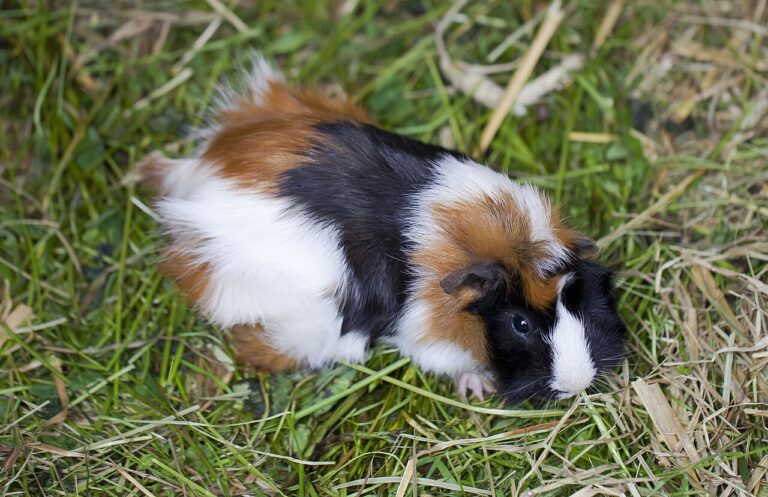
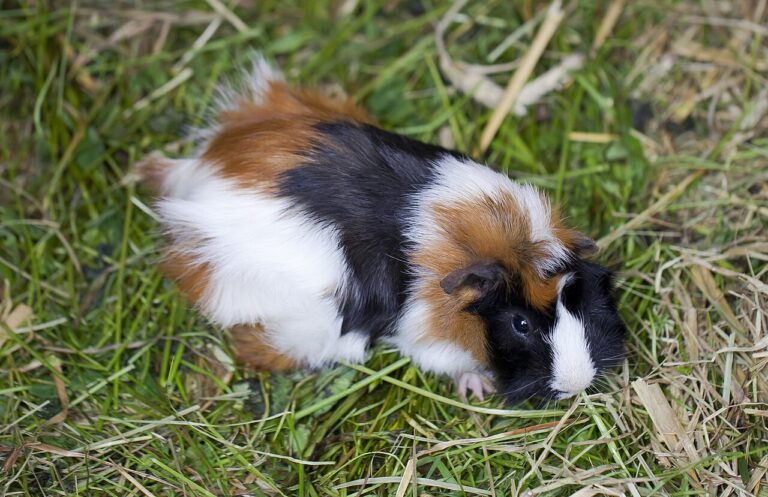
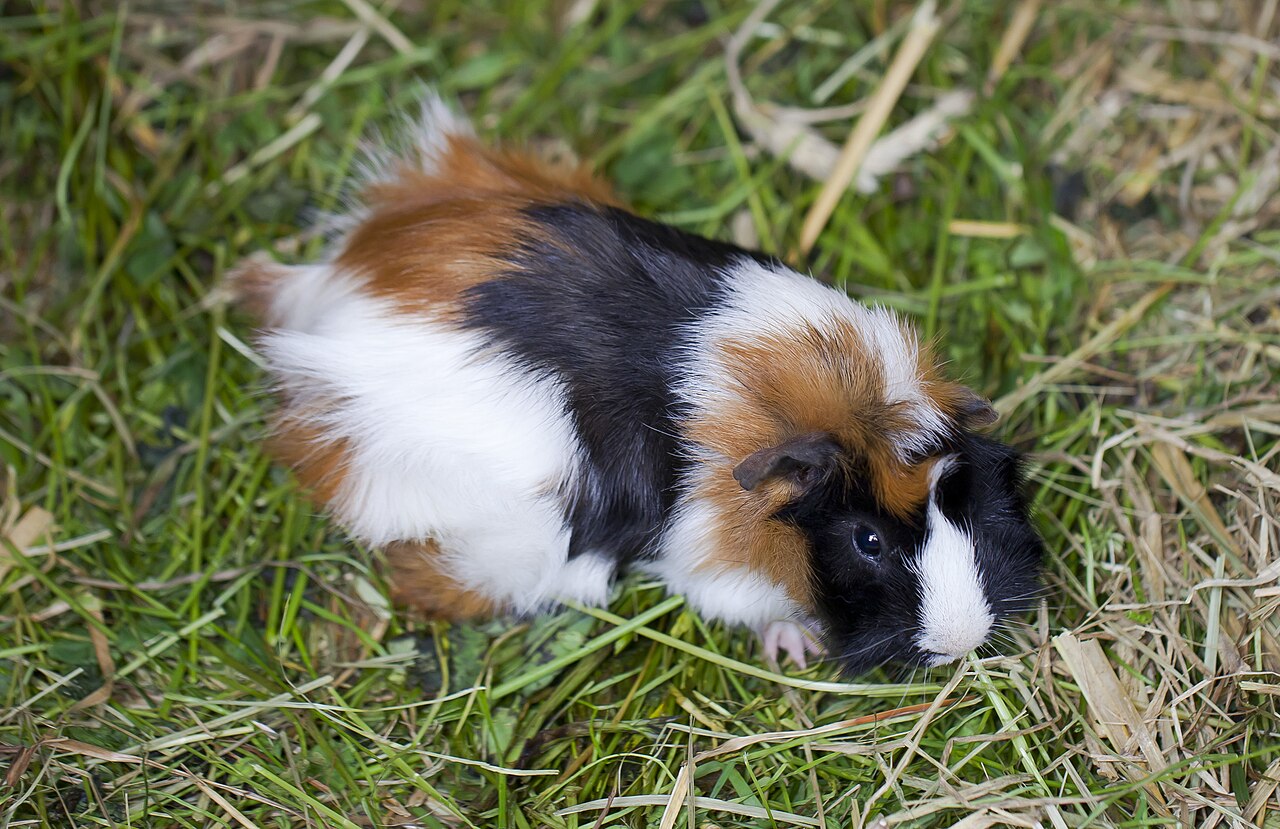
The American is the most commonly owned guinea pig breed, recognized by its short, smooth coat available in 19 different official color classifications, with no cowlicks or rosettes disrupting the flat, sleek lay of the fur. This breed’s low grooming needs and generally sweet, docile temperament make it a frequently recommended choice for first-time guinea pig owners, and its straightforward, easy-care coat is a large part of why it remains the default image most people picture when they think of a pet guinea pig.
Abyssinian Guinea Pig
Abyssinians are immediately recognizable by their short, rough coat that grows in distinctive rosettes, whorled patterns where fur radiates outward from a central point, with show-quality individuals ideally displaying around 8 to 10 well-placed rosettes across the body. Beyond their unmistakable coat, Abyssinians are often noted for a bigger, more energetic and curious personality, sometimes affectionately called “abbytude” by enthusiasts, and tend to run slightly larger on average than several other guinea pig breeds despite the overall size similarity across the species.
Peruvian Guinea Pig
The Peruvian is the classic long-haired guinea pig breed, growing straight, silky hair that can extend over 10 centimeters and require serious, genuinely daily grooming commitment to prevent matting and keep the coat healthy. Distinguished from other long-haired breeds by a single cowlick on the head that directs the fur’s growth pattern, giving rise to the breed’s signature forward-falling fringe, Peruvians are frequently described as especially affectionate and cuddle-seeking, which makes the substantial grooming demands feel more manageable for owners drawn to a genuinely interactive, high-maintenance pet.
Other Popular Guinea Pig Breeds
Beyond the original three exhibition breeds, American, Abyssinian, and Peruvian, several other recognized breeds each bring a distinct look. The Teddy has a short, plush, kinked coat reminiscent of a Rex rabbit’s texture, requiring only low to moderate grooming despite its dense, fuzzy appearance. The Silkie, sometimes called a Sheltie, has long hair like the Peruvian but lacks a cowlick, instead parting naturally down the middle of the back and flowing backward away from the face rather than forward over it. The Coronet combines a long coat with a single rosette specifically on the forehead, called a crest, while the Texel features a uniquely curly, long coat that sets it apart from every other recognized breed’s straight or plush texture.
What Are Satin Guinea Pigs, and Why the Genetic Concern?
The Satin coat variation can appear across several base breeds, including Abyssinian, American, Peruvian, Silkie, and Teddy, and is defined by a translucent quality in the hair shaft that produces a distinctive, brilliant sheen unlike an ordinary shiny coat. This appealing visual trait comes with a genuinely serious downside: the Satin gene is linked to a bone disease called osteodystrophy, causing symptoms like a stiff, hopping gait and progressive weight loss, and the resulting health complications mean many Satin guinea pigs die young, sometimes before reaching even a single year of age. Because of this documented health risk, breeding Satin guinea pigs is illegal in some countries, and prospective owners specifically drawn to the Satin sheen should weigh this genuine welfare concern carefully before choosing a Satin individual over a non-Satin guinea pig of the same base breed.
What Is a Cuy Guinea Pig?
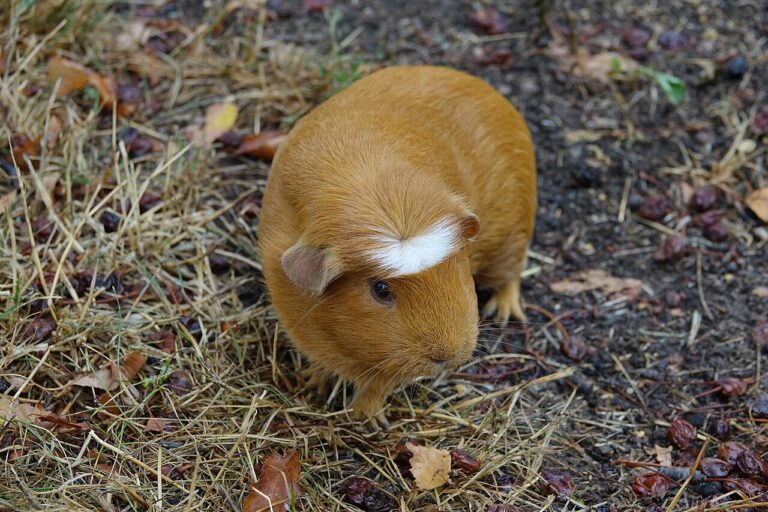
“Cuy” is the term used in parts of South America for guinea pigs generally, but in the United States the term has come to specifically describe an unusually large guinea pig, since in some South American countries guinea pigs are raised as livestock and deliberately bred larger for meat production rather than kept purely as companion pets. Despite their larger size, Cuy guinea pigs share the same short coat as the American breed and are frequently described by keepers as notably gentle, mellow, and easygoing, making them a genuine option for someone specifically drawn to a larger guinea pig without wanting the grooming demands of a long-haired breed.
Do Guinea Pig Breeds Affect Health Beyond the Satin Gene?
Coat type itself generally does not directly cause health problems beyond the documented Satin gene concern, but long-haired breeds specifically carry a genuinely elevated practical health risk tied to grooming neglect rather than genetics: matted fur can trap moisture and waste against the skin, leading to skin irritation, infection, or, in severe untreated cases, fly strike, a serious condition where flies lay eggs in soiled, matted fur. University veterinary extension resources consistently emphasize that this risk is entirely preventable through consistent grooming, making it a maintenance issue rather than an inherent breed-specific health flaw the way the Satin gene genuinely is.
How to Choose a Guinea Pig Breed
Choosing between breeds ultimately comes down almost entirely to how much grooming commitment a prospective owner genuinely wants to take on, since size and, by most accounts, underlying temperament stay fairly consistent regardless of breed chosen. Short-coated breeds like the American, Teddy, or Cuy suit owners wanting a lower-maintenance pet, while long-haired breeds like the Peruvian or Silkie demand daily grooming attention and suit someone specifically seeking a more involved, hands-on relationship with their pet. Whatever breed is chosen, guinea pigs are social herd animals that generally do best living with at least one companion guinea pig, a care consideration that matters more for long-term wellbeing than coat type ever will.
Related reading: Guinea Pig Sounds.
Related reading: Hamster Poop.
Related reading: Duroc Pig.
Related reading: Texel Guinea Pig.
Related reading: Abyssinian Guinea Pig.
Related reading: Teddy Bear Hamster.
Frequently Asked Questions
How many guinea pig breeds are there?
There are 13 officially recognized guinea pig breeds, distinguished primarily by coat type, texture, and pattern rather than size, since all standard companion guinea pigs are roughly the same size regardless of breed.
What is the easiest guinea pig breed to care for?
The American guinea pig, with its short, smooth coat, requires the least grooming and is frequently recommended for first-time owners. The Teddy and Cuy are also relatively low-maintenance short-coated options.
What is the difference between a Peruvian and Silkie guinea pig?
Both have long, flowing coats, but the Peruvian has a single cowlick that directs hair forward into a fringe, while the Silkie lacks a cowlick and its hair parts naturally down the back, flowing away from the face.
Are Satin guinea pigs healthy?
No, the Satin gene is linked to a bone disease called osteodystrophy, causing a stiff gait and weight loss, and many Satin guinea pigs die before reaching one year old. Breeding them is illegal in some countries.
What is a Cuy guinea pig?
Cuy is a term used in South America for guinea pigs generally, but in the US it typically refers to an unusually large guinea pig, since some South American countries breed guinea pigs larger for meat production.
Do different guinea pig breeds have different personalities?
Most experts and experienced keepers report no consistent personality differences between breeds, though Abyssinians are often anecdotally described as especially energetic and curious compared to other breeds.
How much grooming does a Peruvian guinea pig need?
Peruvians need essentially daily grooming to prevent their long, silky coat from matting, since their hair can grow to over 10 centimeters and requires consistent maintenance to stay healthy and tangle-free.
Whatever breed ultimately joins the household, understanding these coat-driven differences upfront leads to a far better long-term match between owner and pet than choosing based on appearance alone without considering the genuine daily commitment involved.
New owners researching guinea pigs for the first time often find that the actual day-to-day care differences between breeds come down almost entirely to that single grooming variable rather than anything more complex.
Regardless of the specific breed chosen, consistent socialization, a suitable multi-guinea-pig household, and attentive daily care matter far more to a guinea pig’s overall quality of life than coat type alone ever will.
Choosing a guinea pig ultimately means choosing a coat-care commitment first and a personality second, a genuinely different priority order than most people expect when first researching the species.
Comparing coat-care demands against other small companion animals, from a low-maintenance fish to a higher-upkeep exotic pet, helps put the guinea pig’s own grooming spectrum into useful context for a first-time small-pet owner, alongside the daily attention any fancy goldfish or terrarium pet also demands in its own way.
Bringing a guinea pig home, whatever breed is ultimately chosen, means committing to that specific coat-care reality for the animal’s full five-to-eight-year typical lifespan, not just the appealing first impression a breed’s photo might create.
That upfront honesty about grooming commitment, more than any single fact in this guide, is the detail most likely to determine whether a new guinea pig owner and their pet both thrive long-term.
Whichever of the 13 recognized breeds ultimately joins a household, thoughtful research beforehand consistently produces happier outcomes for both the animal and its new owner.
Small pet ownership across species, whether guinea pigs, amphibians, or fish, ultimately rewards the same upfront honesty about time and care commitment before bringing any animal home.