Teddy Bear Hamster: Lifespan, Price, and Care Explained
A teddy bear hamster is a long-haired Syrian hamster (Mesocricetus auratus), not a separate species or a distinct breed. Pet stores use the name for the fluffy coat variety, and you will see the same animal sold as a fancy bear hamster, an angora hamster, or simply a long-haired Syrian. Everything about its care, lifespan, and temperament follows the standard Syrian hamster, with one extra job added: the coat needs help staying clean.
That marketing tangle causes real problems. Buyers expect a small, low-maintenance pocket pet and end up with an animal that needs a 450 square inch cage floor, lives strictly alone, and sleeps through most of the hours the family is awake. This guide covers temperament, handling, realistic prices, life expectancy, cage requirements, coat care, and the health issues that actually kill hamsters.
A teddy bear hamster is a long-haired Syrian hamster. Adults reach 5 to 7 inches (13 to 18 cm), live 2 to 3 years, and cost $15 to $30 plus roughly $150 to $250 in setup. They must be housed alone, need at least 450 square inches of floor space, and tame well with daily gentle handling.
| Quick Facts | Teddy Bear Hamster |
|---|---|
| Species | Mesocricetus auratus (Syrian hamster) |
| Adult size | 5 to 7 in (13 to 18 cm), 4 to 7 oz (115 to 200 g) |
| Lifespan | 2 to 3 years |
| Purchase price | $15 to $30 |
| Minimum cage floor | 450 sq in (2,900 sq cm), unbroken |
| Housing | Strictly one hamster per cage |
| Activity | Crepuscular, active at dusk and through the night |
What Is a Teddy Bear Hamster?
The teddy bear hamster is a coat variety of the Syrian hamster, the same animal that has been kept as a pet since a single wild litter was collected in Syria in 1930. Every domestic Syrian alive today descends from that small founding group, which is why the species shows so little genetic variation despite a wide range of colors.
Long hair is a recessive trait. Males grow the dramatic skirt that gives the variety its name, sometimes two inches of coat trailing behind the hips. Females carry the same gene but usually show only a slightly fluffier, shorter coat, so a shop labeling every fluffy hamster as a teddy bear is stretching the term.
Nothing else about the animal changes. Anatomy, diet, cage needs, breeding, and behavior are identical to a short-haired Syrian. When you research care, search for Syrian hamster rather than teddy bear hamster, because the short-haired name pulls in far more reliable veterinary material.
Are Teddy Bear Hamsters Friendly?
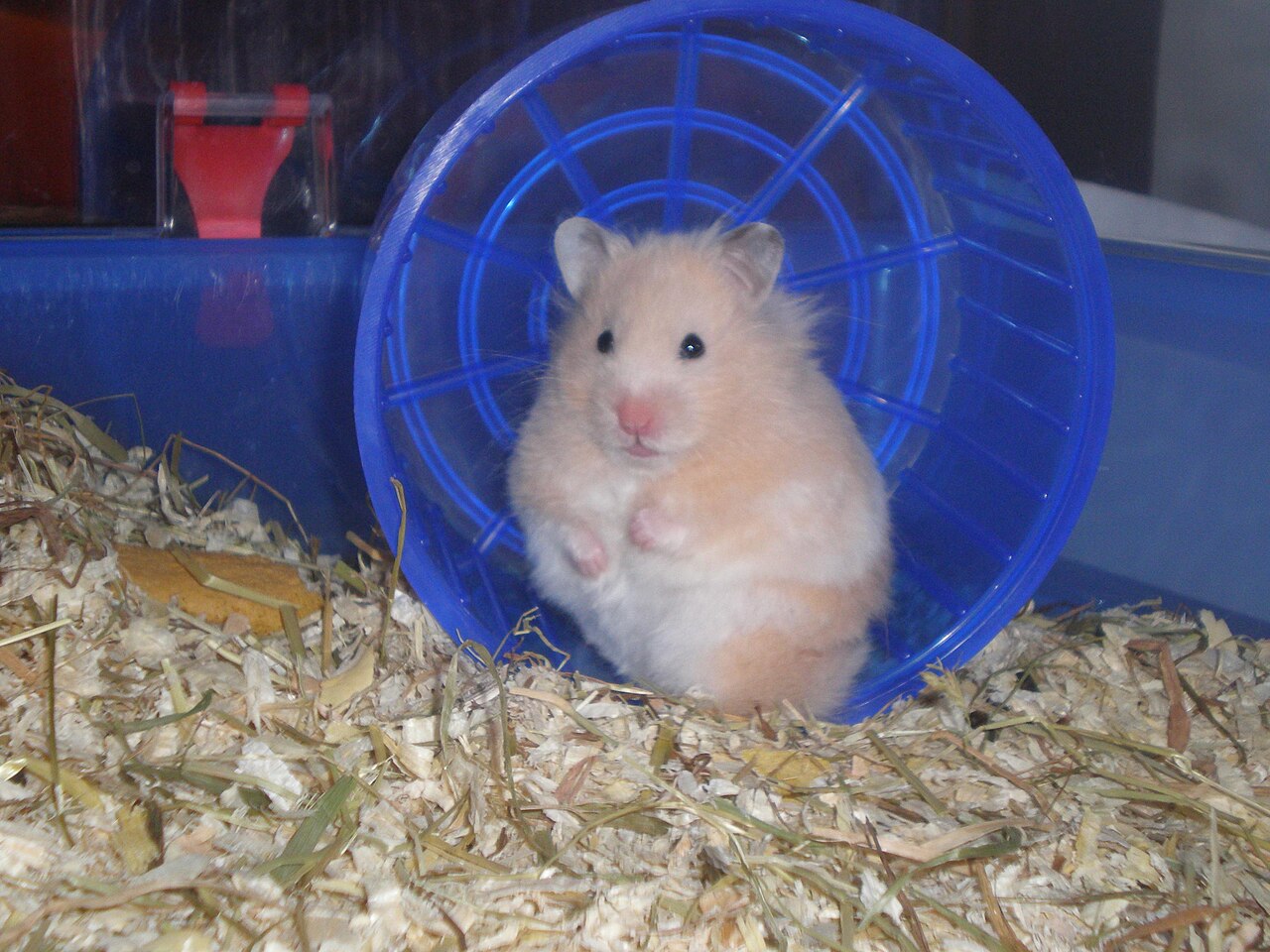
Syrians are the friendliest of the commonly kept hamsters toward people, and teddy bears share that reputation. They are slow to bite, they tolerate handling better than dwarf species, and a well-socialized adult will walk onto an open hand without hesitation. Most reported bites trace back to a startled sleeping hamster or to hands that smell like food.
They are not friendly toward other hamsters. Syrians are solitary and territorial, and two adults sharing a cage will fight, often fatally. Pet stores sometimes house juveniles together, which misleads buyers badly. One hamster, one cage, with no exceptions and no reintroductions after separation.
Temperament also varies by individual and by line. A hamster from a small breeder who handles litters daily is usually calmer than a store animal that was moved through a wholesale chain at five weeks old. Give any new hamster three to five quiet days before you begin handling it.
Do Teddy Bear Hamsters Like to Be Held?
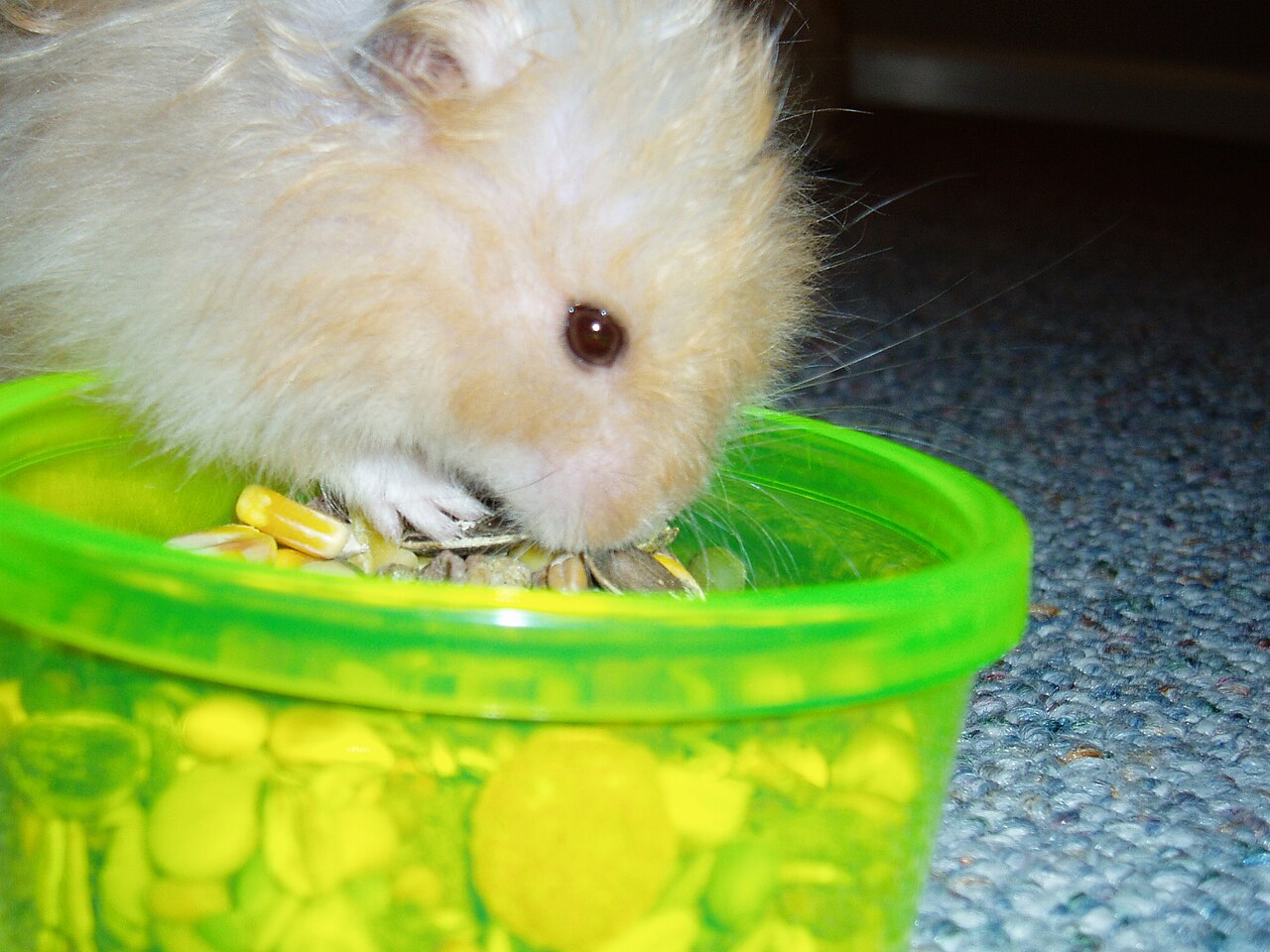
Most tolerate and eventually enjoy short handling sessions, but they are not cuddly in the way the name suggests. A hamster held in cupped hands close to your lap is comfortable. A hamster held above chest height feels exposed and will try to climb down, and a fall of even two feet can break bones.
Build the habit gradually. Start by resting your hand flat in the cage for a few minutes a day, let the hamster investigate and climb on, then scoop from underneath rather than grabbing from above. Overhead grabs mimic a predator and reliably produce a defensive animal.
Timing matters more than technique. These animals are crepuscular, most active at dusk and again before dawn. Waking a hamster at two in the afternoon for a handling session is how most families end up with a biter. Evening sessions of 10 to 15 minutes work far better than long daytime ones.
How Much Is a Teddy Bear Hamster?

The animal itself costs $15 to $30 at a chain pet store, and small breeders and rescues typically charge $10 to $40. Price is the least significant number in the decision. The setup is what costs money, and skimping on it is the single most common mistake new owners make.
Budget $150 to $250 for a proper start: a large bin or wire cage with at least 450 square inches of unbroken floor, a solid-surface wheel of 10 to 12 inches (25 to 30 cm), six or more inches of paper or aspen bedding for burrowing, a sand bath, hides, a water bottle, and the first month of food.
Running costs are modest at roughly $20 to $35 a month for bedding and food. The wildcard is veterinary care. An exotics vet visit runs $60 to $150 before treatment, and a wet tail case or a tumor removal can exceed the lifetime cost of everything else combined.
What Is the Life Expectancy of a Teddy Bear Hamster?
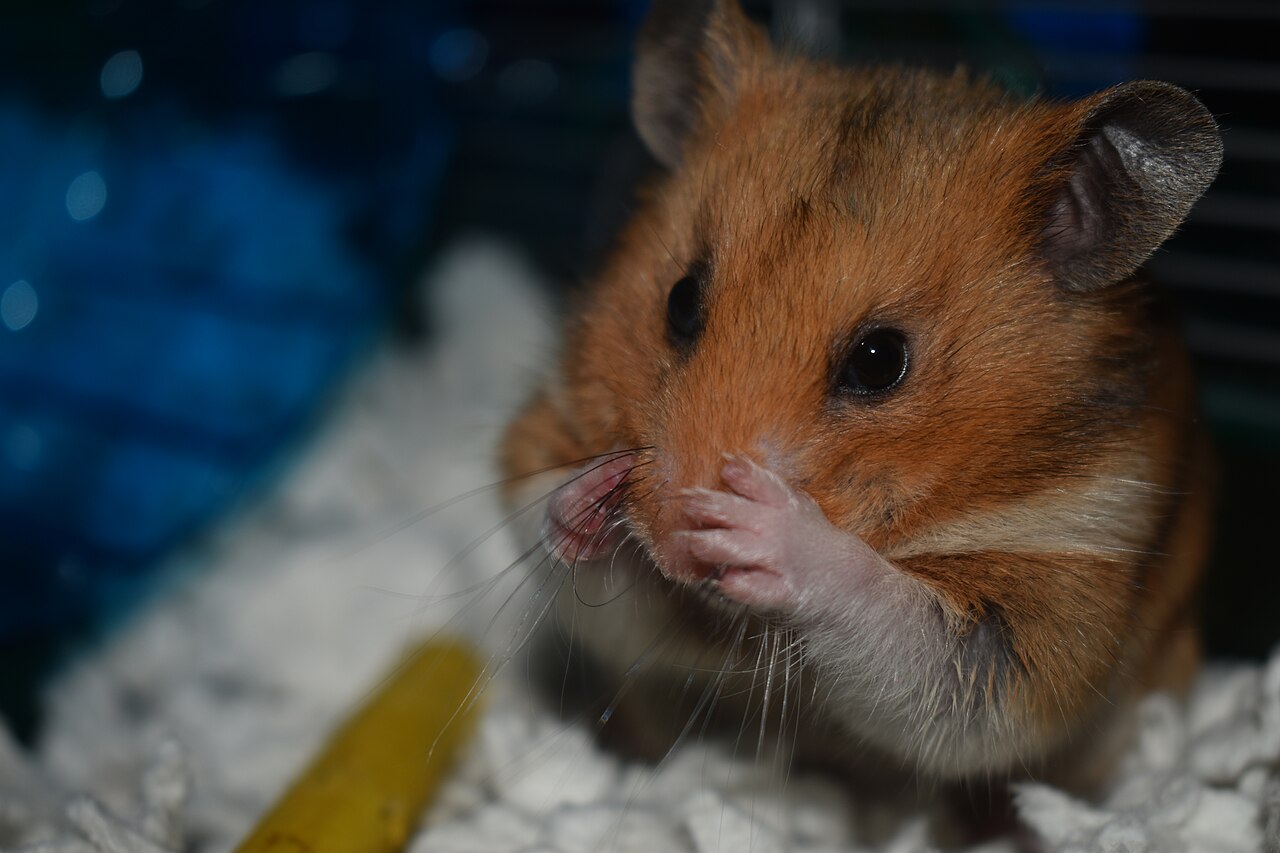
Two to three years is the realistic range, and the average pet Syrian dies at about two. Three years is uncommon, and anything past three and a half is exceptional. This is a short-lived animal, which is worth stating plainly before a child picks one out.
Genetics set the ceiling and husbandry decides whether the animal reaches it. The narrow founding gene pool means many Syrians carry predispositions to heart disease and tumors. A hamster kept in a cramped cage with a small wheel, sugary treat mixes, and constant daytime disturbance will typically fall short of two years.
Sex makes little reliable difference. Studies on laboratory Syrians have found small and inconsistent gaps between males and females, nothing like the clear split seen in some other rodents. Cage size, diet, and stress level predict lifespan far better than whether you chose a male or a female.
Cage Size and Setup
The floor space figure that matters is 450 square inches (about 2,900 square cm) of continuous, unbroken floor. A 40 gallon breeder tank, a 120 quart storage bin conversion, or a large bar cage all reach this. Multi-level cages that count upper platforms toward the total do not, because a hamster burrows sideways rather than climbing.
Bedding depth is the second requirement people miss. Six to ten inches of paper bedding or aspen lets the hamster dig real tunnels, which is the behavior that most reduces cage stress and bar chewing. Cedar and pine shavings should be avoided because their aromatic oils irritate the respiratory tract.
Add a solid running wheel of at least 10 inches (25 cm) so the spine stays straight, a sand bath of chinchilla sand, two or three hides, and chew material. Long-coated hamsters do best without cotton-style nesting fluff, which tangles into the skirt and can wrap around limbs.
What to Feed a Teddy Bear Hamster
Base the diet on a formulated pellet or a high quality lab block with 16 to 24 percent protein, offered free choice at about a tablespoon per day. Seed mixes look appealing but invite selective feeding, where the hamster eats the sunflower seeds and leaves the balanced portion behind.
Fresh food supplements the base in small amounts. Broccoli, carrot, cucumber, plain cooked egg, and mealworms are all fine several times a week. Citrus, onion, garlic, raw beans, chocolate, and almonds are not. Portions should be thumbnail sized, because a hamster hoards everything it does not eat and damp produce rots in the burrow.
Water goes in a bottle checked daily, since a stuck ball bearing is a common and quiet cause of death. Monitoring output is the easiest health check available; our guide to hamster poop covers what normal looks like and which changes warrant a vet call.
Grooming the Long Coat
This is the only genuine difference between a teddy bear and a standard Syrian. The long coat picks up bedding, food, and droppings, and the area around the rear legs mats first. Comb the coat once or twice a week with a soft toothbrush or a flea comb, working in short sessions the hamster will tolerate.
Never bathe a hamster in water. Wet fur strips the coat oils and chills the animal quickly, and chilling is far more dangerous than dirt. A deep sand bath does the cleaning, and most hamsters will roll in one enthusiastically within minutes of it appearing.
Trim mats out with blunt-nosed scissors rather than pulling them. If the fur around the rear is persistently soiled, the cause is usually a wet spot in the bedding or early diarrhea, so check the enclosure and the droppings before blaming the coat.
Can a Hamster Be Left Alone for 3 Days?
Two nights is the practical limit, and three is pushing it. A hamster with a full food bowl, a hoard, and a working water bottle will physically survive three days. The risk is not starvation but the failures nobody is there to catch: a jammed water bottle, a tipped wheel, a blocked bottle spout, or the fast onset of wet tail.
For anything longer than two nights, arrange a visit. A neighbor who checks water, adds a small amount of fresh food, and confirms the hamster is moving is enough. Automatic feeders are unnecessary because hamsters hoard, but a second water bottle on the opposite wall is cheap insurance.
Leave the cage where the temperature stays between 65 and 75 F (18 to 24 C). Below about 60 F a Syrian can enter torpor, which looks alarmingly like death and is sometimes reported as exactly that by returning owners.
Common Health Problems and Causes of Death
The most common cause of death in hamsters overall is age-related organ failure, since two years is simply a full life. Among preventable causes, wet tail leads, especially in animals under twelve weeks. It presents as watery diarrhea, a soiled rear, hunching, and lethargy, and it can kill within 48 hours, so it is an emergency rather than a wait and see.
Tumors are the second large category and are very common in Syrians past 18 months, appearing as firm lumps under the skin. Others to watch for are overgrown incisors, impacted cheek pouches, respiratory infection from dusty or aromatic bedding, and hind limb weakness in older animals.
A hamster nearing the end typically stops using the wheel, sleeps in the open rather than the nest, loses weight along the spine and hips, and becomes unsteady. That picture in a two year old animal usually means age. The same picture in a young hamster means see an exotics vet today.
Are Hamsters Hard to Keep Alive?
They are not difficult, but they are unforgiving of a bad setup. A hamster with an oversized cage, deep bedding, a large solid wheel, a pellet based diet, and an evening handling routine is a remarkably low effort pet. A hamster in a small colorful starter cage with a five inch wheel and a seed mix produces most of the problems owners complain about.
The other honest caution is the schedule. These animals sleep through the afternoon and wake around the time a young child goes to bed. Families expecting a daytime playmate are frequently disappointed, and the disappointment tends to become neglect.
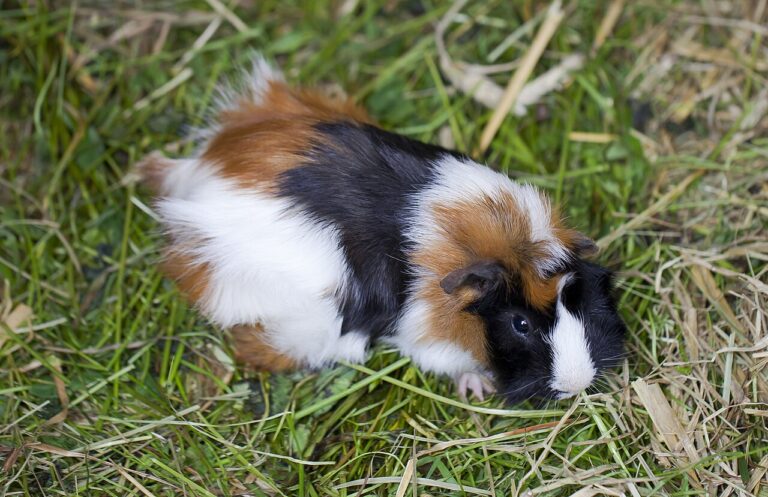
If you want a small pet that is awake in the evening, sociable with its own kind, and vocal enough to interact with, a pair of guinea pigs is a better fit. Our guinea pig breeds overview and the notes on guinea pig sounds explain what that commitment looks like.
Teddy Bear Hamster vs Other Small Pets
Against dwarf hamsters, the Syrian wins on handling. Roborovski and Campbell’s dwarfs are faster, smaller, and more likely to nip, and they are often sold in pairs that later fight. A teddy bear is the better first hamster for anyone who wants to hold the animal.
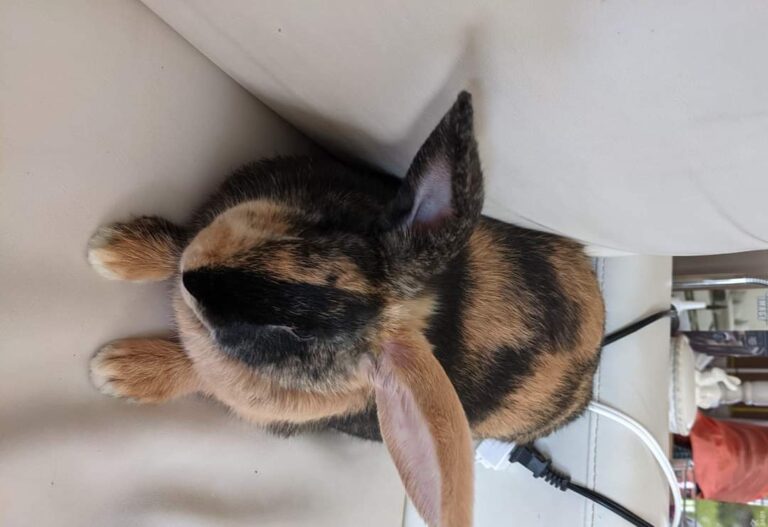
Against a rabbit, the trade is space for interaction. A Netherland Dwarf rabbit lives 8 to 12 years, needs a room rather than a cage, and forms a genuine bond, while a hamster asks for far less and gives back less. Against a Abyssinian guinea pig, the hamster is cheaper and shorter lived.
Against an exotic like a baby hedgehog, the hamster is legal everywhere, cheap to vet, and far simpler to feed. For balanced species-by-species care comparisons, the ASPCA publishes practical small pet care guidance worth reading before any purchase.
Related reading: Dwarf Hamster Care.
Frequently Asked Questions
Are teddy bear hamsters friendly?
Yes, toward people. Syrians are the most handleable pet hamster and rarely bite once socialized with short daily evening sessions. They are not friendly toward other hamsters. Two adults in one cage will fight, sometimes fatally, so every teddy bear hamster must be housed completely alone for its whole life.
Do teddy bear hamsters like to be held?
Most tolerate and come to enjoy brief handling if you scoop from underneath, stay low over your lap, and pick evening hours when the hamster is naturally awake. Sessions of 10 to 15 minutes work best. Grabbing from above or waking a sleeping hamster produces defensive nipping in almost any individual.
How much is a teddy bear hamster?
The hamster costs $15 to $30 at a pet store, or $10 to $40 from a breeder or rescue. Proper setup adds $150 to $250 for a 450 square inch cage, a 10 inch wheel, deep bedding, sand bath, and food. Monthly costs run $20 to $35, plus exotics vet fees.
What is the life expectancy of a teddy bear hamster?
Two to three years, averaging close to two. Three years is uncommon. Lifespan depends far more on cage size, wheel size, diet quality, and stress than on coat type or sex. Long-haired Syrians live exactly as long as short-haired ones when both are kept the same way.
Can a hamster be left alone for 3 days?
Two nights is the safe limit. A hamster will physically survive three days with food and water, but a jammed bottle or the onset of wet tail can kill in that window with nobody watching. For three days or more, arrange a daily check and leave a second water bottle.
What does a hamster do before it dies?
It typically stops using the wheel, sleeps in the open instead of the nest, loses muscle over the spine and hips, eats and drinks less, and moves unsteadily. In an animal near two years this usually reflects age. The same signs in a young hamster call for an exotics vet the same day.