Comet Goldfish: How Big They Get and What They Actually Need
The comet goldfish is a single tailed, hardy variety of Carassius auratus that reaches 10 to 12 in (25 to 30 cm) and lives 10 to 15 years in the right setup, which is a pond or a large tank rather than a bowl. It was developed in the United States in the 1880s and is the fast, streamlined goldfish sold in pet stores as a feeder fish, which is exactly why so many end up in homes that are far too small for them.
Almost everything that goes wrong with a comet goldfish traces back to that size and that lifespan. Get the volume and the filtration right and this is one of the most durable freshwater fish you can own. Get them wrong and you have a stunted, short lived fish in cloudy water.
Comet goldfish grow to 10 to 12 in (25 to 30 cm) and need at least 40 gallons for one fish, plus 20 gallons for each additional comet. They tolerate 50 to 75 F (10 to 24 C) without a heater, live 10 to 15 years, and do best in outdoor ponds.
| Trait | Comet Goldfish |
|---|---|
| Adult size | 10 to 12 in (25 to 30 cm) |
| Lifespan | 10 to 15 years, up to 20 in ponds |
| Minimum tank | 40 gallons for one, plus 20 per extra fish |
| Temperature | 50 to 75 F (10 to 24 C), no heater needed |
| pH | 6.5 to 8.0 |
| Diet | Omnivore: sinking pellets, greens, occasional protein |
| Temperament | Peaceful, fast, constantly foraging |
How Big Will Comet Goldfish Get?
A healthy comet goldfish reaches 10 to 12 in (25 to 30 cm) including the tail, and pond raised individuals occasionally pass 14 in (36 cm). That growth is not optional or slow: most comets hit 6 in (15 cm) within their first two years when they are fed properly and the water stays clean.
Fish kept in small tanks often stay at 3 to 4 in (7.5 to 10 cm), and that is not a convenient adaptation. Stunting comes from accumulated nitrate and growth inhibiting hormones in unchanged water, and it compresses the lifespan along with the body. A stunted comet rarely lives past three or four years.
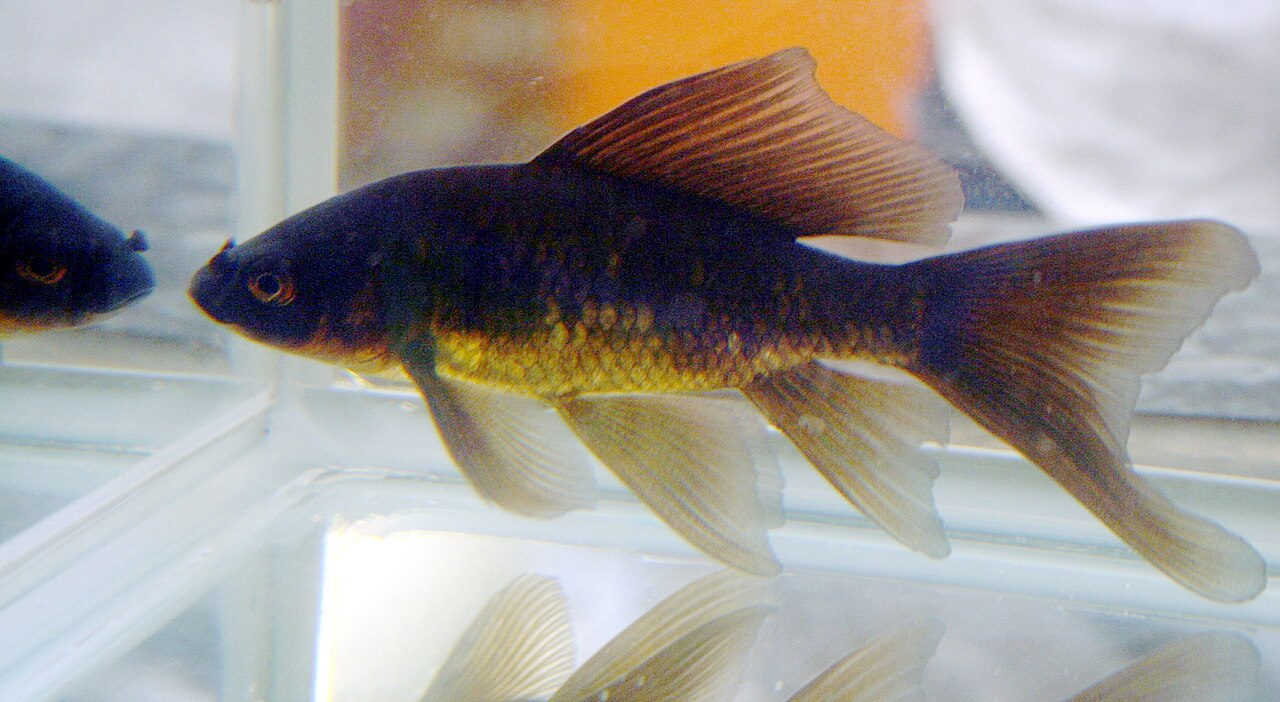
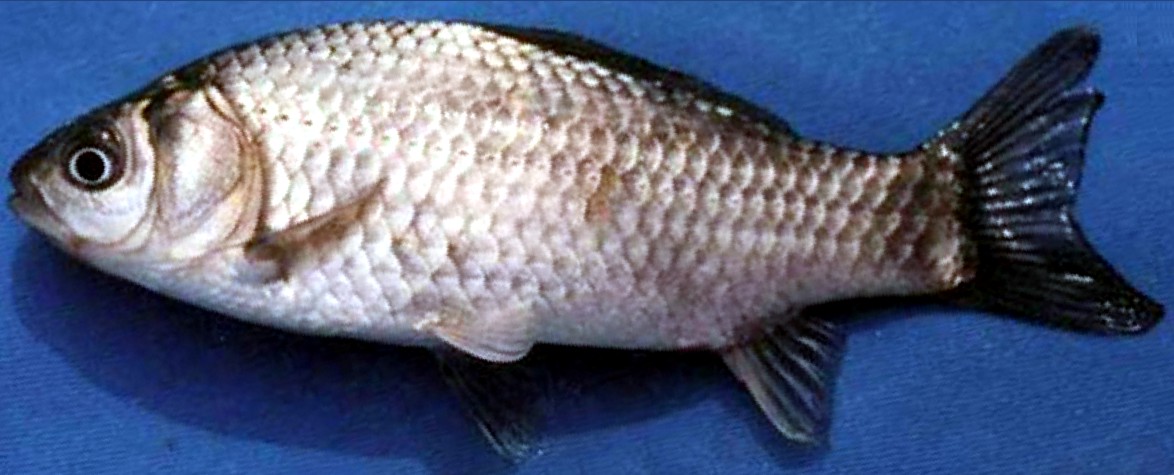
The single tail is what makes the difference between a comet and the fancy varieties. Streamlined body, one long forked caudal fin, and a swimming speed no oranda or black moor can match.
Comet, Common, and Shubunkin: Telling Them Apart
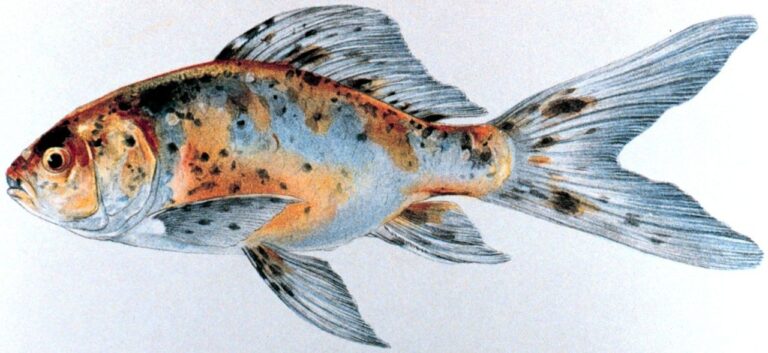
All three are single tailed goldfish, and pet stores mix them constantly. The comet has the longest, deepest forked tail, often a third of its total length, and the slimmest body. A common goldfish has a shorter tail and a thicker body, closer to the wild form. The shubunkin is a calico patterned comet in everything but color, with blue, black, and orange mottling over a pearly base.
Comets come in orange, red, yellow, white, and the red and white sarasa pattern. Color develops with age and sunlight, so a pale bronze juvenile may need a year to show its final color.
Care is identical across all three. If you can house a comet, you can house a common goldfish or a shubunkin in the same water without changing anything.
Tank or Pond? What Comets Actually Need
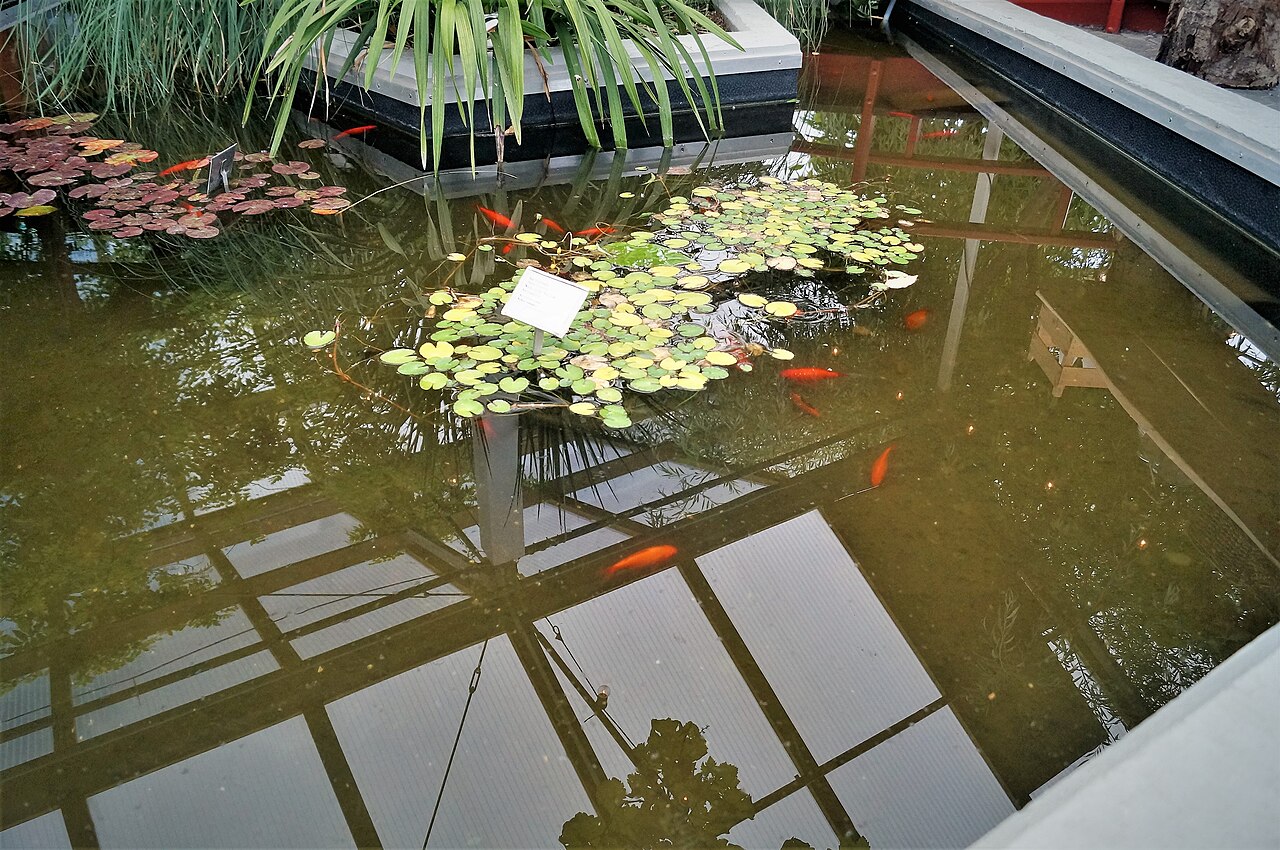
A pond is the honest answer. Comet goldfish are built to swim long distances, and a 300 gallon garden pond gives them the room, the natural food, and the seasonal temperature swing they evolved for. They overwinter safely under ice as long as part of the surface stays open for gas exchange and the water is at least 18 in (45 cm) deep.
Indoors, start at 40 gallons for a single comet and add 20 gallons per additional fish. Prioritize a long footprint over height, since these fish swim horizontally. Filtration should turn the tank over at least four times an hour, because goldfish produce far more ammonia than tropical fish of the same size.
No heater is needed. Comets are coldwater fish that do best between 50 and 75 F (10 and 24 C), and keeping them in a tropical tank at 80 F (27 C) shortens their lives by accelerating their metabolism.
Are Comet Goldfish Hard to Keep?
Comet goldfish are easy to keep and hard to keep well. They tolerate a pH from 6.5 to 8.0, survive temperature swings that would kill most aquarium fish, and eat almost anything. What they do not tolerate is a small volume of water with a weak filter, which is the setup most of them get.
Weekly water changes of 25 to 30 percent handle most of the risk. Test for ammonia and nitrite during the first two months of a new tank, and keep nitrate below 40 ppm afterward. Swim bladder problems, the most common comet ailment, usually trace back to overfeeding floating pellets that make the fish gulp air.
Soak dry food for 30 seconds before feeding, or switch to sinking pellets entirely. That one change prevents most of the buoyancy issues people attribute to bad genetics.
What Can I Put in a Tank With Comet Goldfish?
Other single tailed goldfish are the best tank mates: commons, shubunkins, and other comets. All match on temperature, diet, and speed. Weather loaches and white cloud mountain minnows also work, since both handle cool water and stay out of the way.
Avoid fancy goldfish. An oranda or a ryukin cannot compete with a comet at feeding time, and a black moor’s poor eyesight makes the mismatch worse. Avoid tropical community fish too, because the temperature requirements do not overlap.
Butterfly koi share a pond happily with comets but eventually reach 24 in (60 cm) or more, so that pairing only makes sense outdoors in a pond built for koi.
Do Comet Goldfish Need Friends?
Comet goldfish do better in groups of three or more. They are social foragers that feed more confidently, explore more of the tank, and show less stress behavior when they have company. A solitary comet will survive, but it tends to hang in one corner and react nervously to movement in the room.
Groups also breed. Comets spawn in spring when temperatures rise past about 60 F (16 C), scattering adhesive eggs over plants. The adults eat most of them, which keeps a pond population roughly stable. If you want to raise them, see what baby goldfish need.
Plan the volume for the group, not the individual. Three comets in a 40 gallon tank are overstocked within two years.
How Do I Know If My Comet Goldfish Is Happy?
A content comet swims steadily around the whole tank, holds its dorsal fin upright, and comes to the front glass when you approach. Color stays bright, the fish grazes on the substrate throughout the day, and it feeds without hesitation.
Warning signs run the other way: clamped fins, sitting on the bottom, gasping at the surface, flicking against decor, or a fish that hangs listlessly near the filter outflow. Surface gasping almost always means an ammonia problem or low oxygen rather than hunger. Diet detail is covered in what to feed goldfish. Species data on Carassius auratus, including its native range in East Asia and its status as an introduced species across North America, is documented by the U.S. Geological Survey and by FishBase.
Trust growth as the long term indicator. A comet that gains size steadily through its first three years is in water that suits it.
Frequently Asked Questions
Why are comet goldfish so cheap?
Comets are mass produced as feeder fish for larger predatory pets, so they are bred by the thousands in outdoor ponds with minimal individual care. The low price reflects volume and low overhead, not poor quality of the fish itself. A feeder comet given proper housing can live 15 years and reach full size.
Should goldfish be fed every day?
Feed adult comets once or twice a day, giving only what they finish in about 30 seconds. Juveniles benefit from three smaller meals. In an outdoor pond below 50 F (10 C), stop feeding entirely, since goldfish cannot digest food properly at those temperatures and undigested food causes serious problems.
What are the signs that a goldfish is hungry?
Hungry goldfish forage actively across the substrate, pick at plants and decor, and crowd the front glass when someone approaches. That behavior is normal and constant in goldfish, though, so it is a poor guide to portion size. Feed on a schedule and judge by body condition instead.
Can goldfish hear you talk?
Yes. Goldfish hear well for a fish, detecting sounds from roughly 20 to 3,000 Hz using their swim bladder and a chain of small bones called the Weberian apparatus. They can be conditioned to associate a specific sound with feeding, which is why many goldfish gather at the surface when they hear their keeper’s voice or footsteps.
How long do comet goldfish live?
Comet goldfish live 10 to 15 years in adequate housing and over 20 years in a well maintained pond. The often quoted lifespan of two or three years comes from fish kept in bowls and small tanks, where accumulated waste and stunted growth cut the lifespan to a fraction of its potential.
Can a comet goldfish live in a bowl?
No. A bowl holds a gallon or two, has no filtration, and cannot support a fish that reaches 12 in (30 cm). Ammonia builds within days and the fish stunts, then dies early. A single comet needs 40 gallons indoors, and a pond is better.