Black Moor Goldfish: Tank Size, Care, and Problems
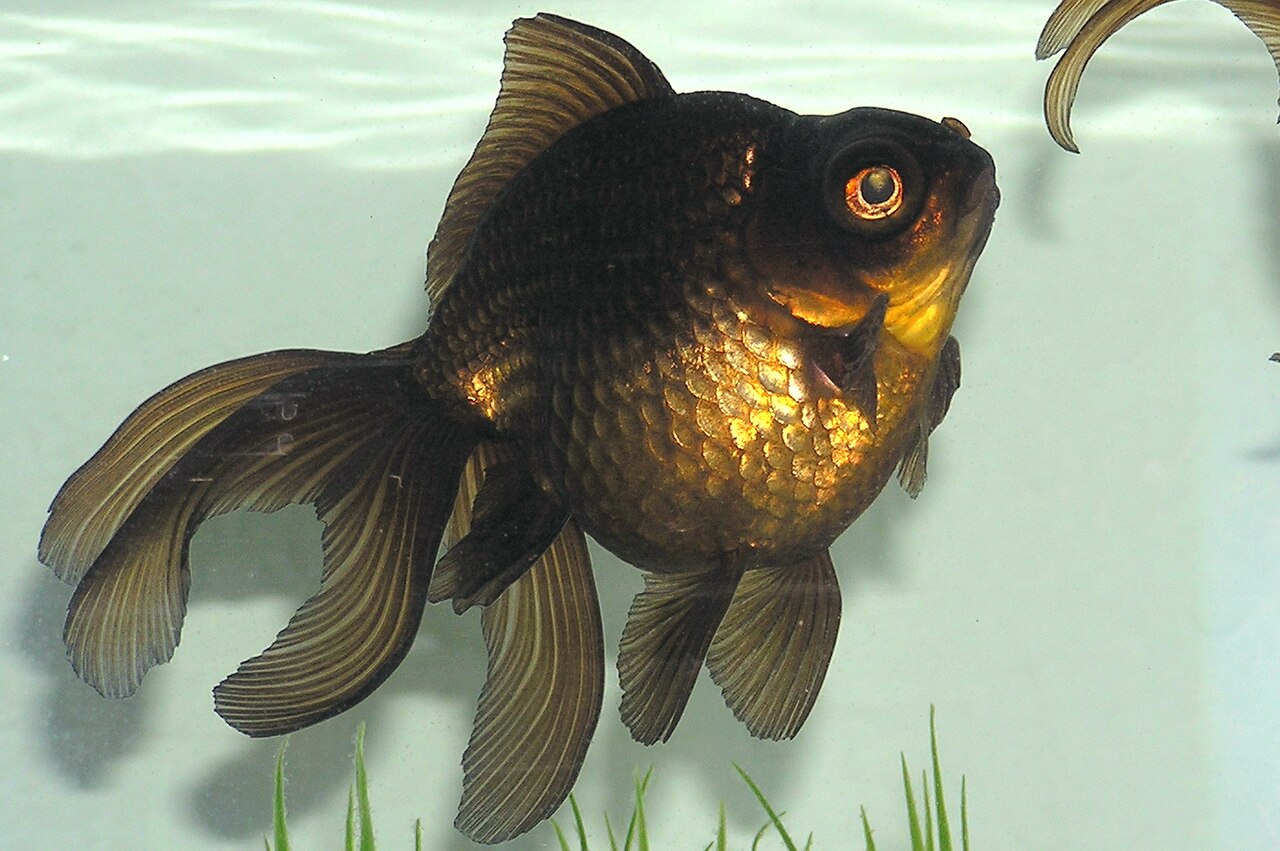
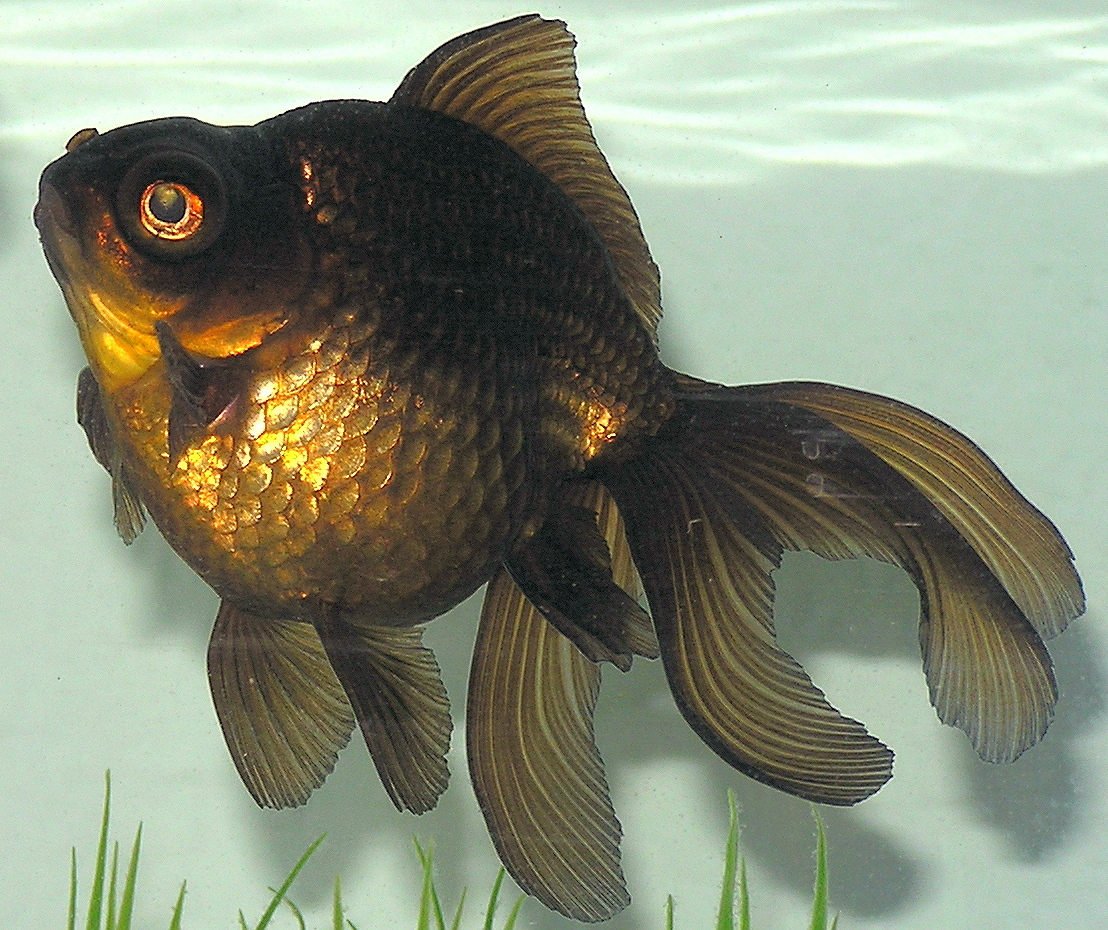
The black moor is a velvety black fancy goldfish with protruding telescope eyes, an egg-shaped body, and flowing fins, reaching six to eight inches and living ten to fifteen years with good care. It is one of the more demanding goldfish varieties, not because of water requirements but because the eyes give it poor vision and the body shape makes it slow.
Those two traits shape everything about keeping one. A black moor cannot compete for food with fast fish, injures its eyes on sharp decor, and is prone to the buoyancy problems that affect all round-bodied fancy goldfish. This guide covers tank size, tank mates, the colour changing question, common problems, and whether one suits a beginner.
The black moor is a black telescope-eyed fancy goldfish reaching six to eight inches and living ten to fifteen years. It needs at least 20 gallons for one fish and 10 more per additional fish, smooth decor because the protruding eyes injure easily, and slow tank mates. Many fade to bronze or orange with age, which is normal.
| Feature | Black Moor Goldfish |
|---|---|
| Adult size | 6 to 8 in |
| Lifespan | 10 to 15 years, sometimes 20 |
| Minimum tank | 20 gal for one, plus 10 per extra fish |
| Temperature | 65 to 75 F |
| Vision | Poor despite the large eyes |
| Decor | Smooth only; no sharp edges or gravel |
| Tank mates | Other slow fancy goldfish only |
What Is a Black Moor?
A telescope-eyed fancy goldfish selectively bred for a deep velvety black colour, a rounded egg-shaped body, a double tail, and eyes that protrude on stalks from the sides of the head. It descends from the same wild carp ancestor as every other goldfish, developed through centuries of Chinese and later Japanese breeding.
Body shape is the defining constraint. Like all round-bodied fancy goldfish, the black moor has a compressed body with a folded intestinal tract and a swim bladder that sits awkwardly, which makes it slow, less manoeuvrable, and prone to buoyancy disorders that streamlined goldfish rarely suffer.
The eyes are the other. Telescope eyes look dramatic but do not improve vision at all; black moors see poorly and rely heavily on smell and on lateral line sensing to find food, which is why feeding requires thought rather than just dropping flakes in. The oranda goldfish guide covers a related fancy variety.
What Size Tank Does One Need?
At least twenty gallons for a single fish and around ten more for each additional one, so a pair needs thirty and a group of four around fifty. The bowl and small tank stereotype is where most goldfish die, and it applies to black moors as much as to any variety.
Waste output drives the requirement. Goldfish produce a large amount of ammonia for their size, have no stomach so food passes through quickly, and grow to a substantial adult size, so water volume and filtration have to be generous. A filter rated well above the tank volume is standard.
Shape matters as well as volume. Long shallow tanks give more surface area for gas exchange and more swimming length than tall narrow ones of the same capacity, which suits a slow fish. Weekly partial water changes of 25 to 50 percent are the routine that keeps everything else working. The goldfish food guide covers the feeding side.
Are Black Moors Hard to Keep?
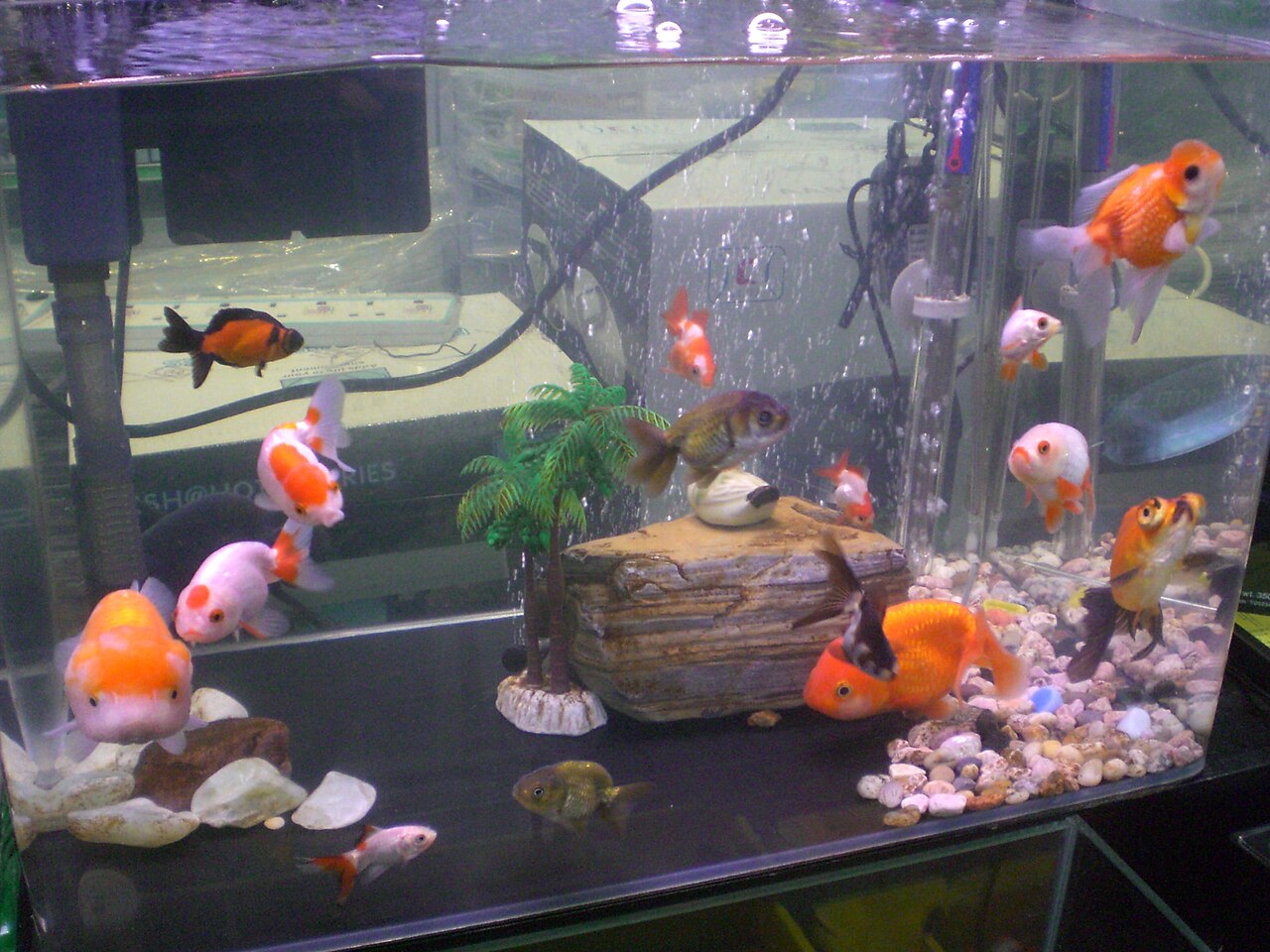
Harder than a common goldfish, easier than most tropical fish. The water requirements are not demanding and they tolerate a wide temperature range from around 65 to 75 degrees Fahrenheit without a heater in most homes, which makes them undemanding in that respect.
The difficulties are physical rather than chemical. Poor vision means they miss food that faster fish take first, so they need feeding in a way that gives them time, ideally sinking pellets placed in the same spot each time so they learn where to look. Underfeeding through competition is a common cause of slow decline.
Vulnerability to injury is the other issue. Protruding eyes catch on sharp gravel, rough ornaments, plastic plants, and intake grilles, and a damaged eye frequently becomes infected and can be lost. Smooth substrate, silk or live plants, and rounded decor are not optional for this variety.
Can They Live With Other Fish?
Only with other slow fancy goldfish. Orandas, ryukins, fantails, lionheads, ranchus, bubble eyes, and other telescope varieties all share the same speed and temperament and make suitable companions.
Fast goldfish are the common mistake. Common goldfish, comets, and shubunkins are streamlined, fast, and grow much larger, reaching a foot or more, and they will take all the food before a black moor finds it. They also need pond-scale space rather than a tank.
Tropical fish are unsuitable for temperature reasons and often for behaviour. Fin-nipping species including many barbs and some tetras target flowing goldfish fins, and fish that need 78 degrees or more are being kept at the top of a goldfish’s comfortable range. Snails and some cold-tolerant invertebrates work; almost nothing else does. The shubunkin goldfish guide covers the pond varieties that need different housing.
Why Did My Black Moor Turn Orange?
Because black is unstable in goldfish. The black colour comes from melanin in the upper skin layers, and many black moors gradually fade to bronze, grey, or orange as they age, often starting on the belly and spreading. This is normal genetics rather than illness.
Environment influences it. Warmer water, brighter lighting, and in some cases diet appear to accelerate fading, and fish kept in cooler dimmer conditions tend to hold their colour longer. Some individuals stay black for life and others begin changing within a year, and there is no reliable way to predict which.
The reverse also happens. Goldfish sometimes darken temporarily, particularly on the fin edges, in response to healing from ammonia burns or injury, so a previously orange fish developing black patches usually indicates recovery from a water quality problem rather than a new colour. If black patches appear alongside clamped fins or gasping, test the water.
What Are Common Black Moor Problems?
Swim bladder disorder is the most frequent, showing as a fish floating at the surface, sinking to the bottom, or swimming sideways or upside down. In round-bodied fancy goldfish it is usually caused by constipation or by swallowed air from surface feeding rather than by disease.
The standard first response is to fast for a day or two, then feed shelled blanched peas, which supply fibre and move things through. Switching from floating flakes to pre-soaked sinking pellets addresses the swallowed air, and it is the single most effective preventive change for this body type.
Eye injuries and infections come next, from sharp decor or from netting the fish, and they need clean water and sometimes treatment. Beyond that, ich, fin rot, and fungal infections are the usual goldfish complaints and nearly all trace to water quality. Cloudy eye can be normal in telescope varieties or a sign of poor water, so test before treating.
How Long Do They Live?
Ten to fifteen years with good care, and individuals reach twenty. That is the figure people find hardest to believe, because the typical black moor bought in a bowl dies within a year, and the gap between typical and possible is almost entirely tank size, filtration, and feeding.
Growth to full size takes two to three years, and a fish that stays small is usually stunted by inadequate water volume rather than genetically small. Stunting is not benign: it goes with organ damage and shortened life, and it is the reason small-tank goldfish die young.
Practical longevity comes down to a short list: a properly sized tank, oversized filtration, weekly water changes, restrained feeding of sinking food, smooth decor, and cool stable temperature. None of it is complicated but all of it is required. The baby goldfish guide covers the early stage.
Do They Need a Heater?
Usually not. Black moors are coldwater fish and are comfortable from around 65 to 75 degrees Fahrenheit, which most heated homes provide year-round without any equipment. Stability matters more than the exact number.
Where a heater helps is in a cold room or an unheated space where temperatures swing, since rapid changes stress fish and suppress the immune system. A heater set low, around 68 degrees, used purely to prevent drops rather than to warm the tank, is the sensible use.
The other direction is the real risk. Above about 78 degrees, oxygen solubility falls while the fish’s metabolism rises, which is a bad combination for a heavy-bodied goldfish, and summer heat in an unairconditioned room is a common cause of gasping at the surface. Increased surface agitation and a fan across the water help more than ice, which causes sudden swings.
Is a Black Moor a Good First Fish?
Reasonable, with caveats. They are hardy, tolerate a range of temperatures, do not need a heater in most homes, are peaceful, and their slow deliberate swimming makes them engaging to watch. Many people find them more characterful than faster fish.
The caveats are the ones that catch beginners. The tank has to be much larger than it looks like it should be, the decor has to be chosen for the eyes, the food has to sink, and the fish has to be fed somewhere it can find. None of that is difficult but all of it is unintuitive.
The other caveat is the commitment. A ten to fifteen year lifespan on a fish costing five to fifteen dollars is a considerable mismatch, and cycling a tank properly before adding fish takes several weeks that most impulse purchases do not allow for. University extension aquaculture programmes such as Florida’s (ufl.edu) publish water quality guidance that applies directly to home tanks. The butterfly koi guide covers the pond relatives at larger scale.
Frequently Asked Questions
What is a black moor goldfish?
A telescope-eyed fancy goldfish with a velvety black body, egg-shaped build, and flowing double tail, reaching six to eight inches and living ten to fifteen years.
What size tank do black moors need?
At least 20 gallons for one and about 10 more per additional fish, so two need 30. Long shallow tanks suit them better than tall narrow ones of the same volume.
Are black moor fish hard to keep?
Moderately. Water requirements are undemanding, but poor vision means they lose out at feeding time and protruding eyes injure easily on sharp decor.
Can black moors live with other fish?
Only slow fancy goldfish such as orandas, ryukins, fantails, and ranchus. Comets and common goldfish outcompete them, and tropical fish need warmer water and often nip fins.
Why did my black moor turn orange?
Normal genetics. Black is unstable in goldfish and many fade to bronze or orange with age, often starting on the belly. Warmth and bright light appear to accelerate it.
What are common black moor problems?
Swim bladder disorder from constipation or swallowed air, treated by fasting then feeding shelled peas and switching to soaked sinking pellets, plus eye injuries from sharp decor.
How long do black moor goldfish live?
Ten to fifteen years with proper care and occasionally twenty. Most die within a year in undersized tanks, and stunting from low water volume shortens life permanently.

Similar Posts
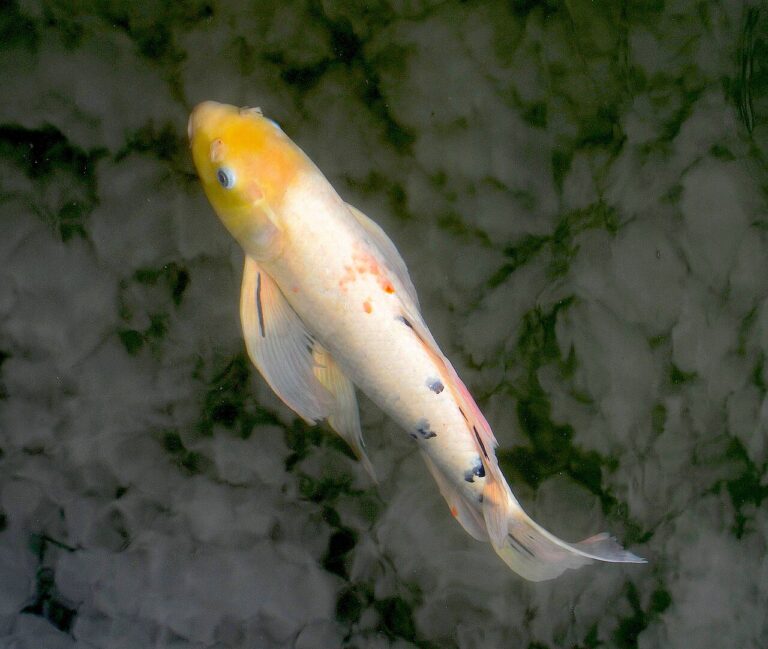
Butterfly Koi Fish: Size, Lifespan, Varieties, and Care
Butterfly koi fish are long-finned koi bred in 1980s North Carolina. Their size, lifespan, color varieties, price, pond needs, and how they differ from standard koi.
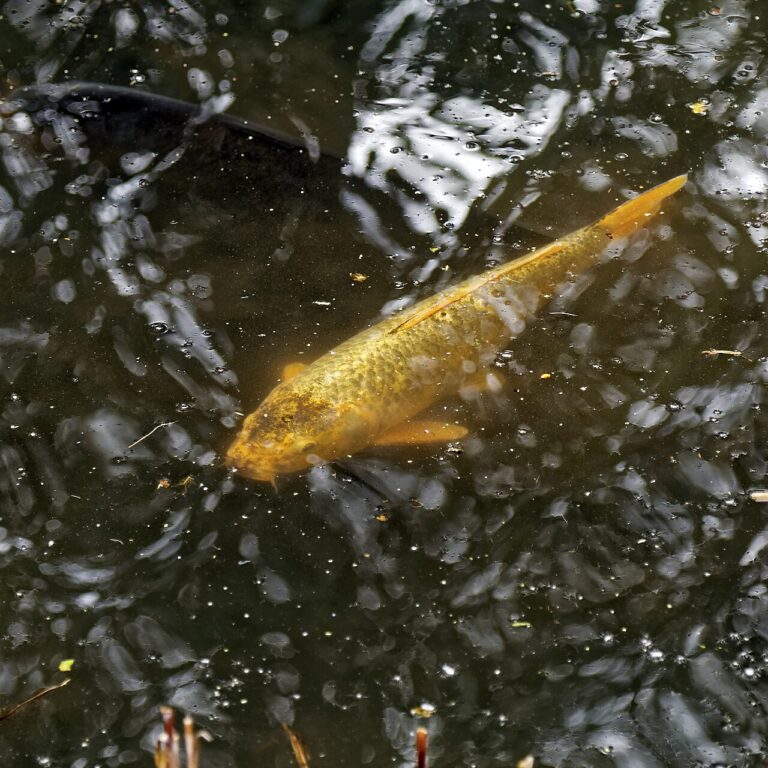
Koi Fish Tattoo Meaning: Colors, Direction, and Symbolism
A koi fish tattoo means perseverance and transformation, from the legend of the carp that becomes a dragon. What each color means, which direction to face, and the truth about the upstream rule.
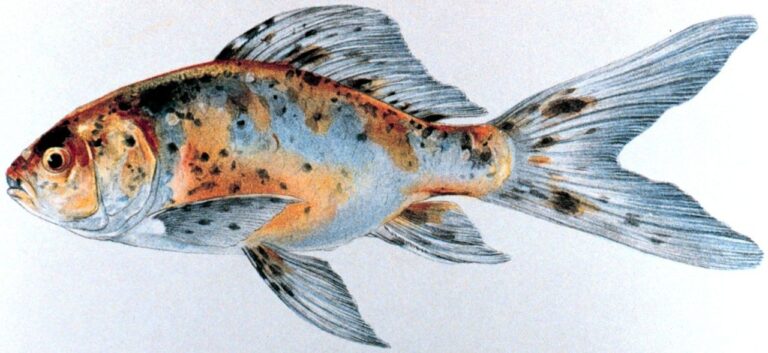
Shubunkin Goldfish: Care, Varieties, and Real Size
Shubunkins reach 14 inches and live decades, which makes them pond fish rather than tank fish. Here is the care guide and why blue takes years.
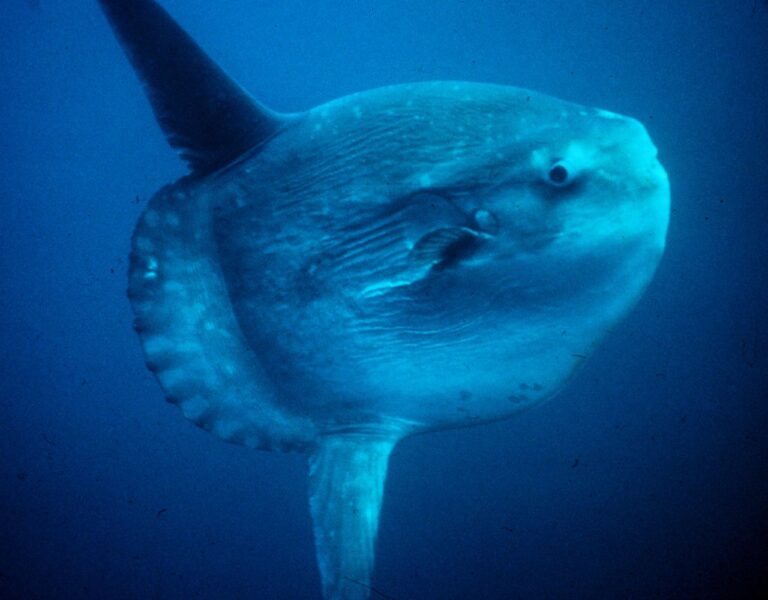
Sunfish: Ocean Giant and Freshwater Panfish Explained
Two unrelated fish share the name sunfish. Here is the ocean sunfish, heaviest bony fish alive, and the bluegill relatives anglers actually catch.
Oranda Goldfish: Wen Health & Complete Care Guide
A complete oranda goldfish care guide covering the wen, correct tank sizing, diet, tank mates, and common health issues.
Koi Fish Meaning: Symbolism, Colours, and the Legend
Koi symbolise perseverance and transformation, from the carp that became a dragon at Dragon Gate. What each colour means, why direction matters, and the Japanese tradition.