Wild Betta Fish: 75 Species, Real Size, Price, and Care
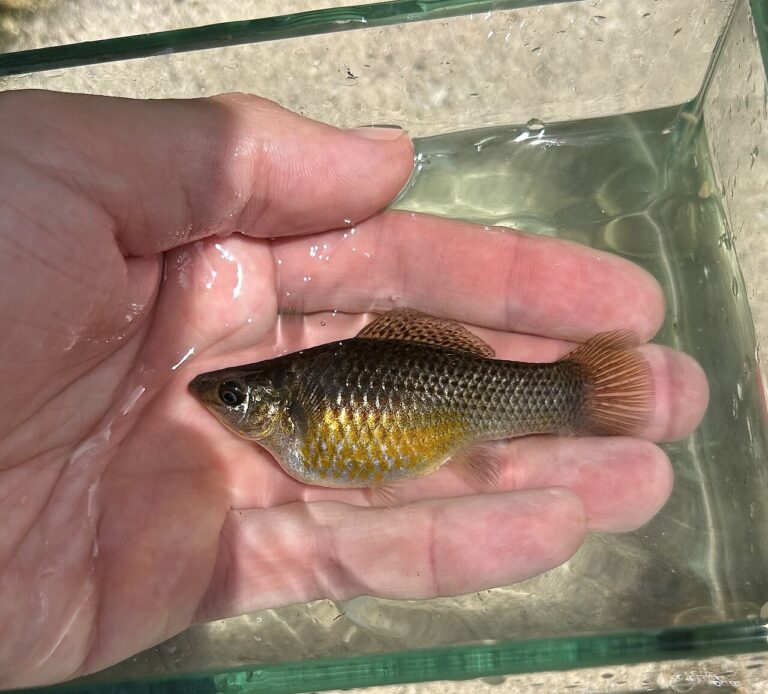
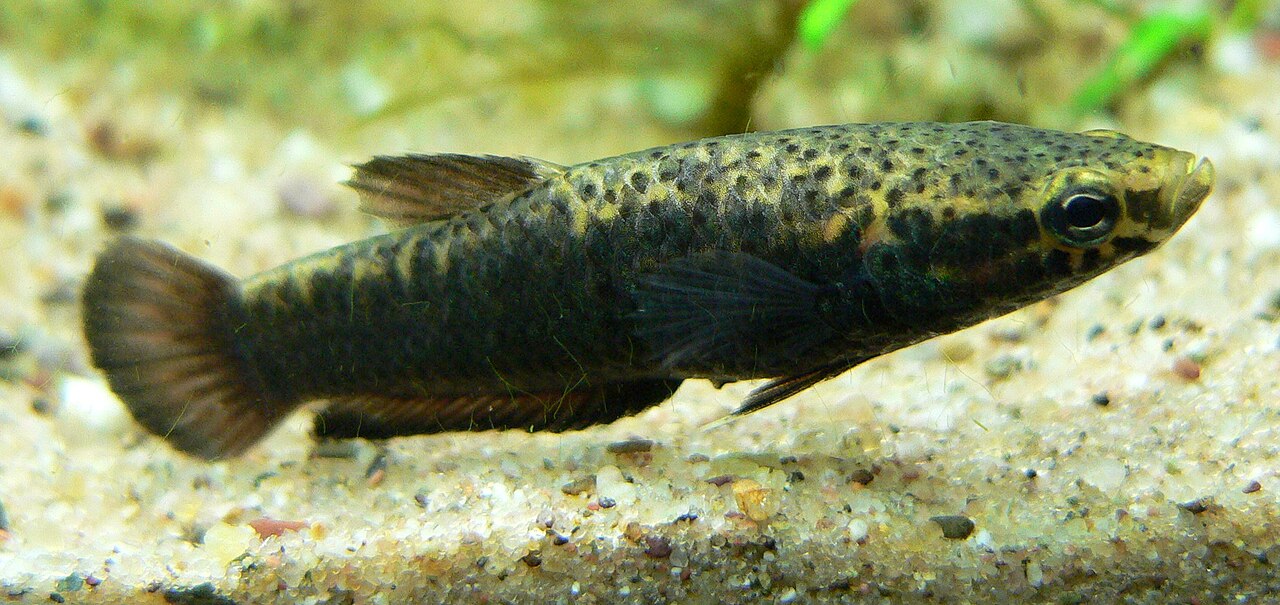
Wild betta fish are the undomesticated species of the genus Betta, roughly 75 of them, living in slow, shallow, heavily vegetated waters across Thailand, Malaysia, Indonesia, Cambodia, and Vietnam. They look almost nothing like the long finned fish sold in cups: a wild betta is a short finned, olive to brown fish of about 2 in (5 cm) that flashes red and green iridescence only when it displays.
The wild ancestor of the pet trade fish, Betta splendens, is now listed as Vulnerable in its native Thailand while billions of its captive bred descendants circle the globe. That gap between the wild animal and the ornamental one drives everything below: size, color, lifespan, price, and care.
Wild betta fish are about 75 naturally occurring Betta species from Southeast Asia. They grow to 1.5 to 2.5 in (4 to 6.5 cm), have short rounded fins, show muted brown and green coloring outside of display, live 2 to 3 years, and cost $15 to several hundred dollars depending on species. Wild Betta splendens is classified as Vulnerable.
| Trait | Wild betta | Domestic betta |
|---|---|---|
| Body length | 1.5 to 2.5 in (4 to 6.5 cm) | 2.5 to 3 in (6.5 to 7.5 cm) |
| Fins | Short, rounded | Long, flowing |
| Resting color | Olive, brown, dull green | Solid red, blue, koi, pastel |
| Lifespan | About 2 years wild, 3 in a tank | 3 to 5 years |
| Temperament | Some species live in pairs | Males strictly solitary |
| Price | $15 to $400 or more | $5 to $40 |
Are There Any Betta Fish in the Wild?
Yes. Wild Betta splendens still occurs in the central Thai floodplain around the Chao Phraya basin, and dozens of other Betta species occupy swamps, streams, and peat forests across Southeast Asia. What has changed is how much habitat is left. The IUCN Red List assesses wild Betta splendens as Vulnerable after decades of rice field conversion, urban expansion, and pollution.
A second pressure is genetic. Released ornamental bettas interbreed with wild fish, so some Thai sites now hold hybrids rather than true wild stock, and escaped bettas are logged as nonnative in Florida waters by the U.S. Geological Survey. A wild betta sold without a collection locality is worth less to anyone tracking the species.
Wild Betta vs Domestic Betta: What Actually Differs

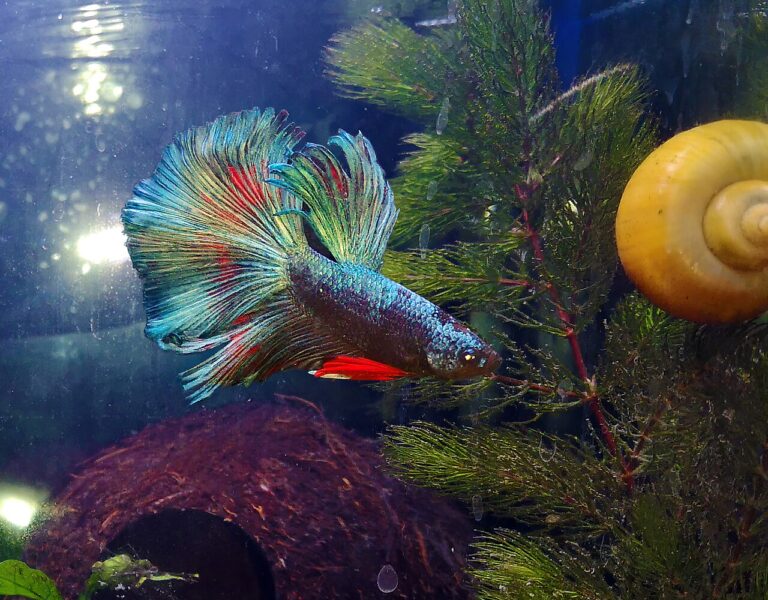
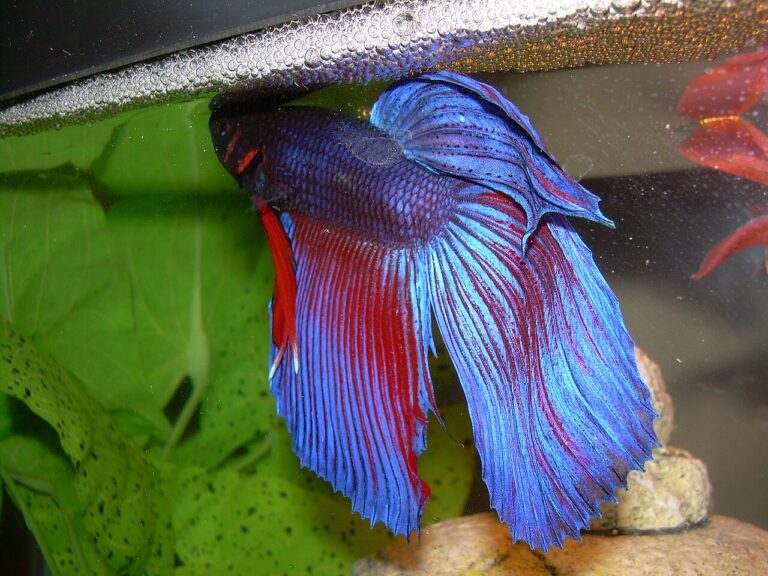
Centuries of Thai breeding, first for fighting and then for the aquarium trade, produced fins two to three times the natural length and solid colors that do not exist in the wild. The trade offs are real: long finned bettas swim poorly, tire quickly, and are prone to fin rot. A wild betta is a fast, compact fish that holds position in moving water.
Temperament differs too, and not the way most people expect. Wild males are territorial but often less explosive than show strains, and in several species, including Betta imbellis and the mouthbrooding Betta albimarginata, a pair can live together permanently in a planted tank. The side by side comparison sits with our general betta fish profile.
How Big Is a Wild Betta and How Long Does It Live?

Most wild bettas measure 1.5 to 2.5 in (4 to 6.5 cm) in total length, and the giant of the genus, Betta macrostoma, reaches about 4.5 in (11 cm). That is smaller than the domestic fish, whose fins add length the body does not have. Lifespan in the wild is near 2 years because predation and seasonal drying take a heavy toll, while a stable aquarium usually buys a third year, comparable to the fish in our lifespan guide.
Wild Betta Habitat: Do They Really Live in Puddles?
The puddle story is an exaggeration built on a real fact. Wild bettas live in shallow, warm, slow water: rice paddies, marsh margins, forest streams, and blackwater peat swamps, often only a few inches deep and choked with plants. In the dry season those habitats shrink into isolated pools, and fish do survive there, but a puddle is a crisis rather than a home.
Survival in that water depends on the labyrinth organ, a folded, blood rich structure above the gills that lets a betta breathe air at the surface. It handles low oxygen. It does not excuse a small unheated bowl, since those same waters hold 75 to 82 F (24 to 28 C) year round, the range in our betta water temperature guide.
Keeping Wild Bettas: Cost, Care, and Conservation
Wild bettas cost far more than pet store fish, from about $15 for a pair of Betta imbellis to $300 or more for Betta macrostoma. They want soft, slightly acidic water, dim light, dense planting, leaf litter, and a tight lid, because nearly every species jumps. Live or frozen food is close to mandatory; most refuse the pellets in our betta feeding guide.
Buy captive bred stock with a stated locality rather than wild caught fish. Females of wild species are territorial in their own right, which surprises keepers used to the calmer domestic females in our female betta guide.
Frequently Asked Questions
How much do wild bettas cost?
Common species such as Betta imbellis and Betta smaragdina run $15 to $40 a pair from hobbyist breeders. Mouthbrooders like Betta albimarginata and Betta channoides sit near $50 to $100, and Betta macrostoma regularly exceeds $300 a pair because it is hard to breed and restricted to Borneo.
Why can’t you touch betta fish?
A betta is coated in a protective slime layer that blocks bacteria, fungus, and parasites, and human hands strip it away while transferring oils and soap residue. Handling also loosens scales and stresses the fish badly. Move bettas with a soft net or, better, a cup of their own tank water.
Do betta fish like when you talk to them?
They respond to the vibration and to your movement at the glass, not to words. Bettas learn to associate a person’s approach with feeding within days and will swim to the front to meet it. That recognition is real, and it is the same learned response behind feeding ring training.
Can betta fish bite my finger?
A betta can nip a finger placed in the tank, and a wild male guarding a bubble nest is more likely to try than a domestic one. The mouth is tiny and the jaws cannot break skin, so it registers as a light tap. Keep hands out anyway, for the fish’s sake.