Common Goldfish: How Big They Get and the Tank They Need
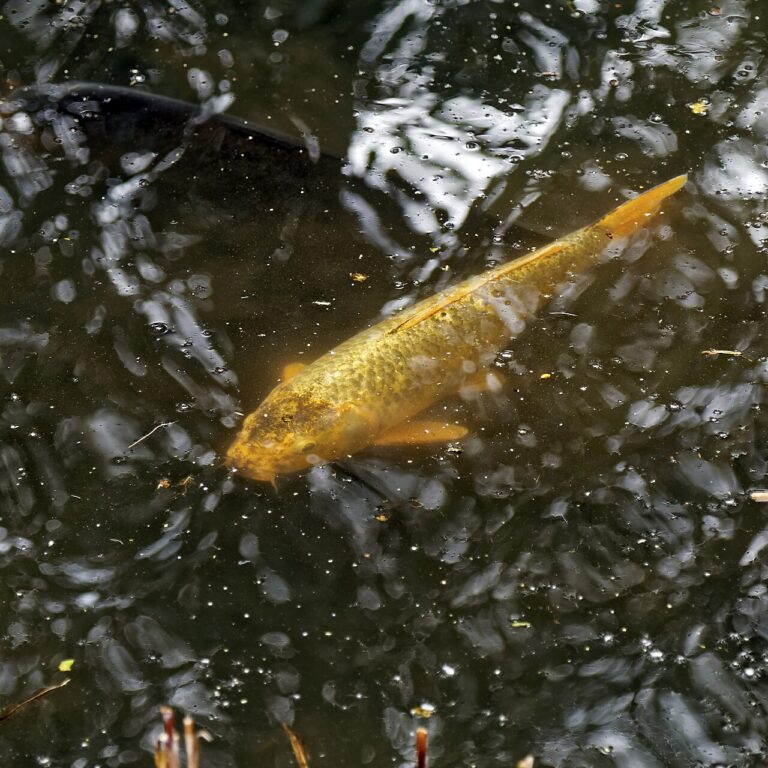
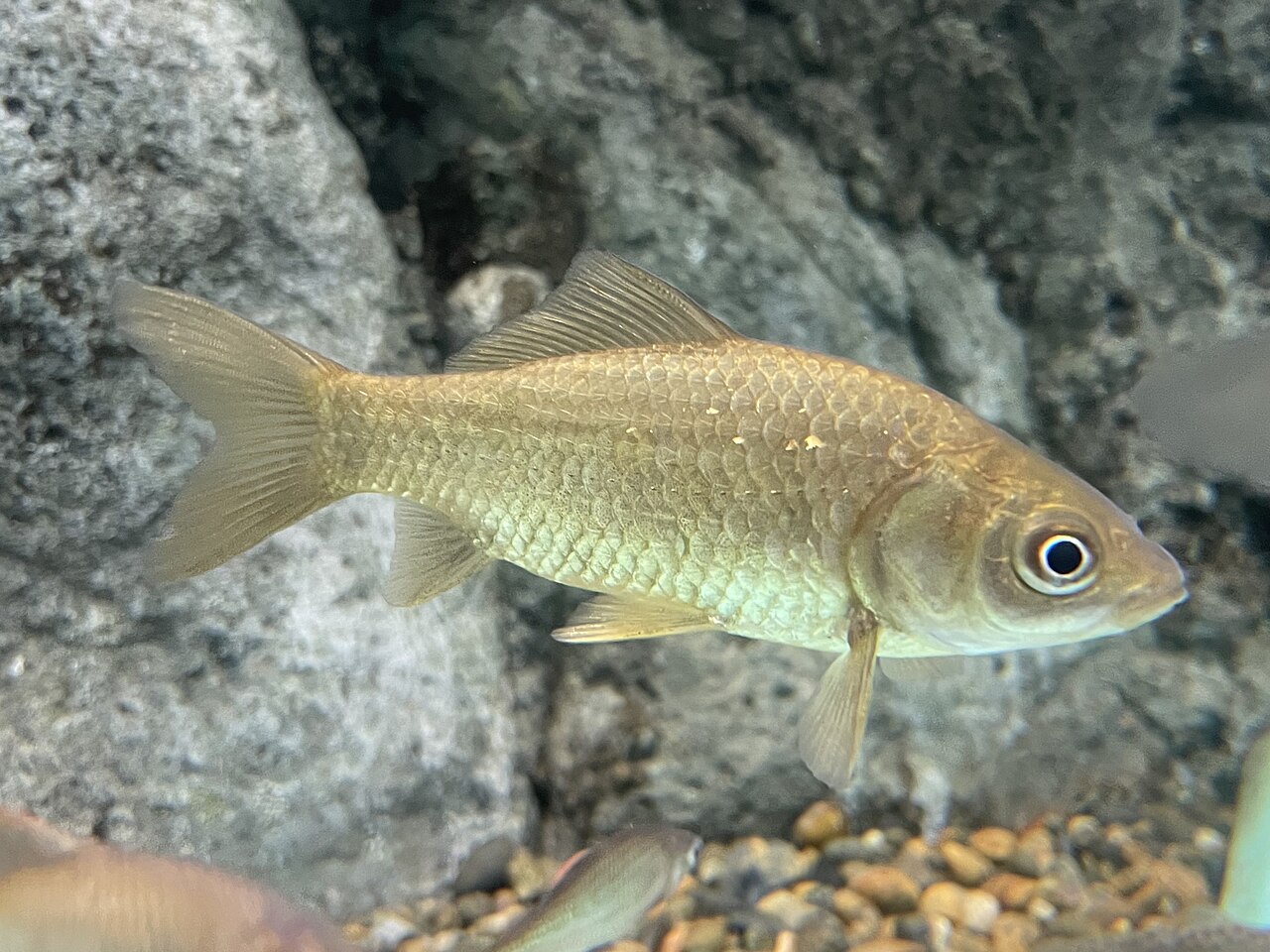
The common goldfish is the original single tailed, torpedo shaped form of Carassius auratus, the variety sold as a feeder fish and won at fairs, and it is by far the largest and longest lived goldfish you can buy. Kept properly it reaches 10 to 14 in (25 to 36 cm) and outlives most dogs, which is exactly why a 10 gallon tank is the wrong home for one.
Every fancy variety, from the bubble eye to the ranchu, was bred down from this fish. What breeders removed along the way was speed, swim bladder stability, and hardiness. The common goldfish kept all three, so the care that follows is less about pampering and more about giving a large, fast, cold water fish enough room.
A common goldfish is the single tailed, streamlined form of Carassius auratus. It grows 10 to 14 in (25 to 36 cm), lives 15 to 25 years, and needs 30 gallons for the first fish plus 12 gallons for each additional one, in unheated water between 65 and 72 F (18 to 22 C).
| Quick Facts | Common Goldfish |
|---|---|
| Scientific name | Carassius auratus |
| Adult size | 10 to 14 in (25 to 36 cm), pond fish larger |
| Lifespan | 15 to 25 years |
| Minimum tank | 30 gal for one, plus 12 gal per extra fish |
| Temperature | 65 to 72 F (18 to 22 C), no heater |
| Body type | Single tail, flat sided, fast swimmer |
| Diet | Omnivore: sinking pellets, blanched greens, frozen foods |
What Is the Difference Between a Goldfish and a Common Goldfish?
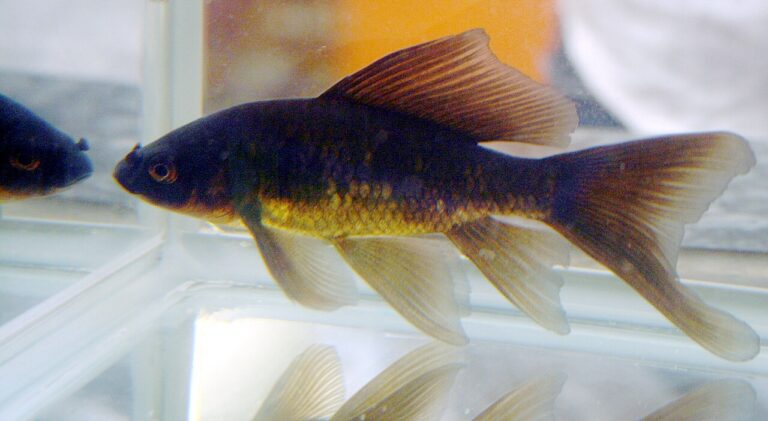
“Goldfish” is the species, Carassius auratus, and “common goldfish” is one variety within it, the one closest to the wild ancestor in shape. It has a single tail fin, a streamlined flat sided body, and no exaggerated features. Everything else on a store shelf, the fantail, the oranda, the black moor, is a selectively bred form of the same species.
The distinction has practical weight. Common and comet goldfish are built to swim, so they need length of tank or a pond, and they outcompete rounder varieties at feeding time. Egg shaped fancy goldfish are slower, more prone to swim bladder trouble, and should not share a tank with commons for that reason. If you are unsure which you own, compare the profile against the overall goldfish species profile and the comet, which differs mainly in its longer, deeply forked tail.
How Big Will Common Goldfish Get?
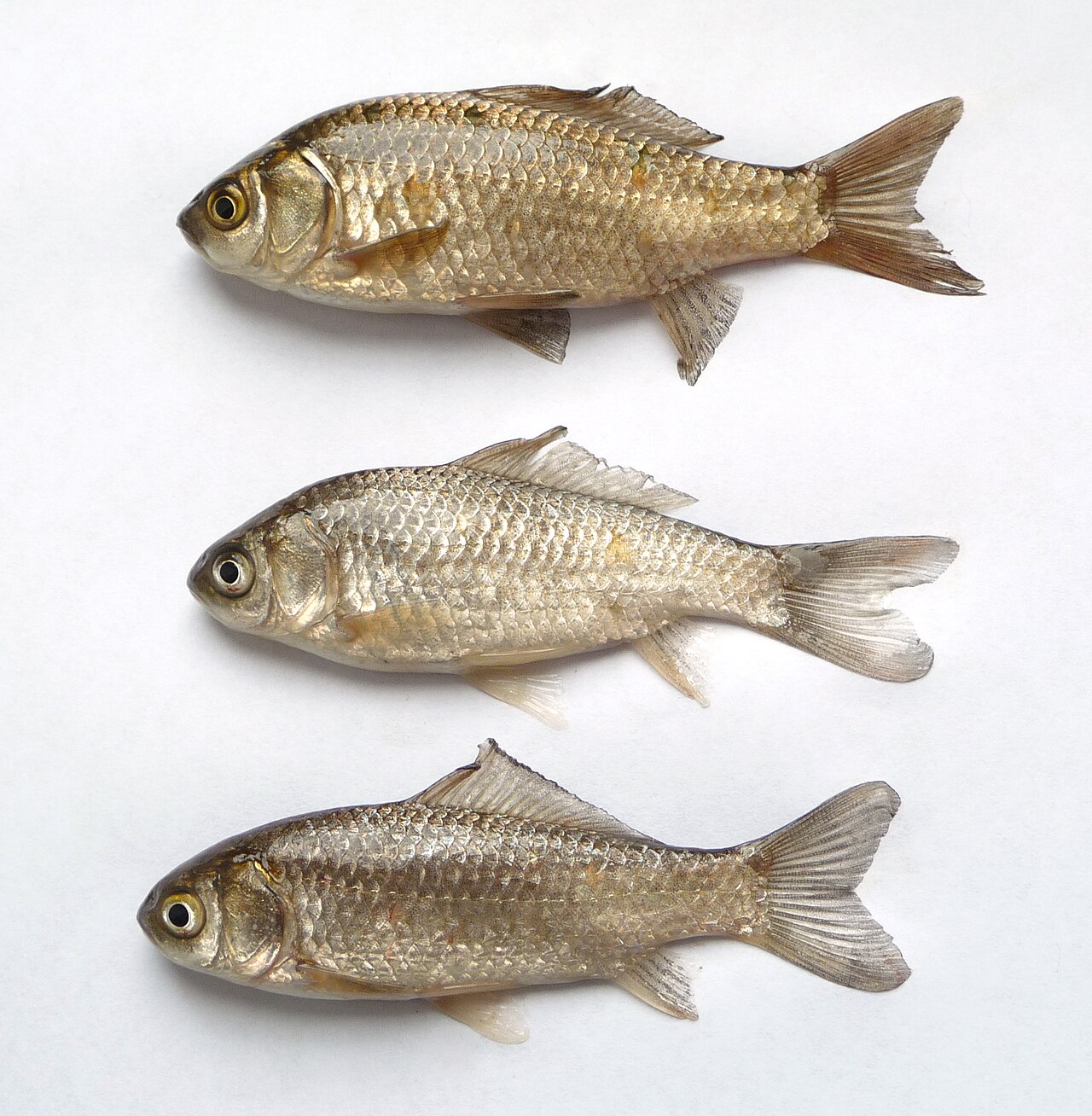
A healthy common goldfish reaches 10 to 14 in (25 to 36 cm) including the tail within 5 to 7 years, and pond raised fish regularly pass 16 in (41 cm). The record specimens are larger still. Growth does not stop at maturity, it slows, which is why a fish that looks finished at 6 in (15 cm) at age three may not be.
The old claim that a goldfish only grows to the size of its bowl is half true and entirely bad news. Stunted growth in a small tank comes from accumulated nitrate and growth inhibiting hormones, and while the body stops lengthening, the internal organs keep developing. The result is a fish that dies at three or four instead of twenty. Tank size sets lifespan far more than it sets length, and the largest specimens, the ones covered under giant goldfish, are almost all pond fish.
What Size Tank for 2 Common Goldfish?
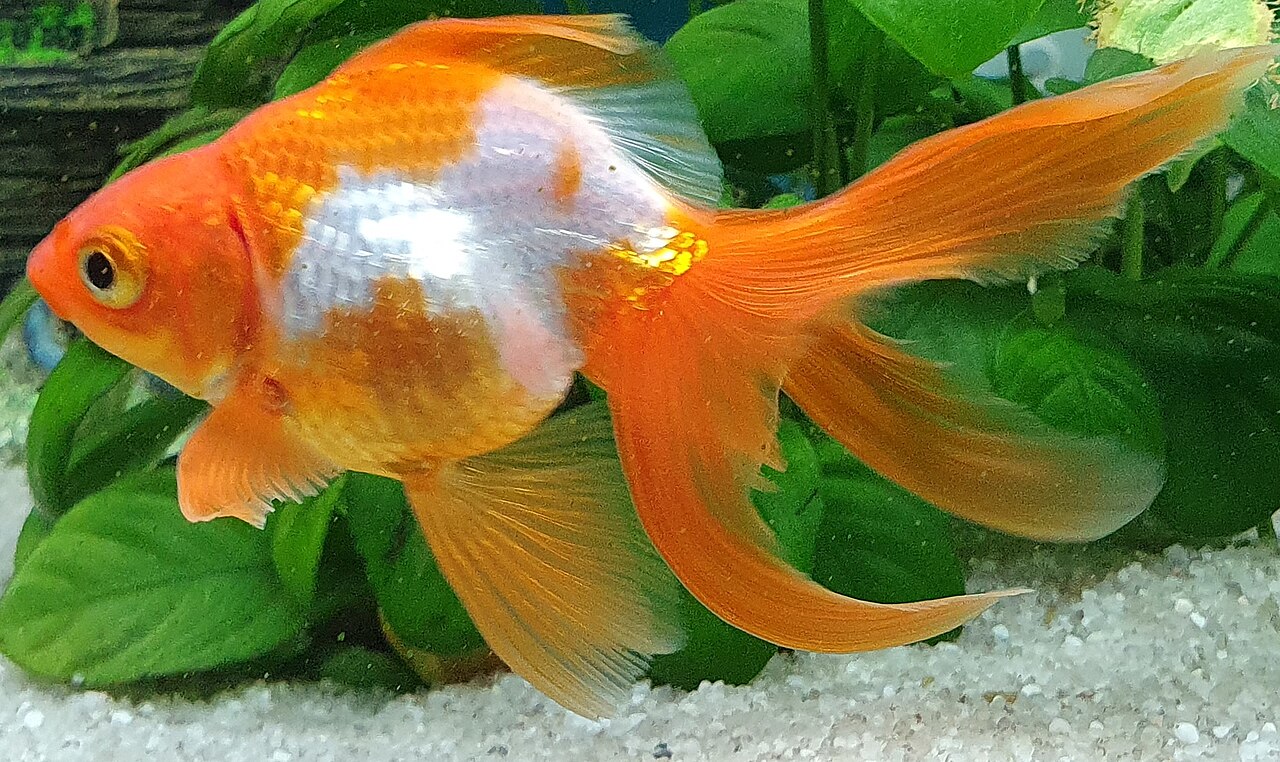
Two common goldfish need a minimum of 42 gallons, using the standard of 30 gallons for the first fish and 12 for each additional one. In practice a 55 gallon long tank is the realistic starting point, because floor length matters as much as volume for a fish that swims in straight lines.
Filtration should be rated for at least twice the tank volume per hour. Goldfish are unusually heavy waste producers, with no stomach and a constant feeding habit, so ammonia climbs quickly in an underfiltered tank. Plan on a 25 to 30 percent water change weekly and sinking pellets rather than flakes, which the fish gulps at the surface along with air. Details on portion size are in the goldfish feeding guide.
Which Fish Can Live With Common Goldfish?
The safest tank mates for a common goldfish are other single tailed goldfish: comets, shubunkins, and other commons. They match in speed, appetite, and temperature range, and they will not be outcompeted at feeding time. Beyond that, the list of genuinely good options is short because goldfish want cool water that most popular aquarium fish do not.
Workable cold water companions include white cloud mountain minnows in a large tank, hillstream loaches, and rosy barbs, all of which tolerate 65 to 72 F (18 to 22 C). Dojo loaches are the classic pairing. Avoid tropical species entirely, avoid anything small enough to be swallowed, and avoid long finned fish, which get nipped. Goldfish released into local ponds have become an invasive problem in much of the US, tracked by the USGS in its nonindigenous aquatic species database, so rehoming an outgrown fish means finding a person, never a waterway.
What Are Some Common Causes of Death in Goldfish?
The leading cause of death in pet goldfish is ammonia poisoning in an undersized or uncycled tank, and it usually happens in the first month. Symptoms are red streaked fins, gasping at the surface, and clamped fins. A tank cycled for four to six weeks before the fish arrives prevents nearly all of it.
After that come overfeeding, which fouls the water and causes constipation and swim bladder problems, and sudden temperature or pH swings during careless water changes. Ich outbreaks follow stress rather than causing it. Genuine old age is rare in home aquariums, which is the whole point: a fish that should manage two decades, as covered in goldfish lifespan, typically dies inside three.
Frequently Asked Questions
Should I have 1 or 2 goldfish?
Two is better if you have the space. Goldfish are social and shoal loosely in the wild, and a pair feeds more confidently and shows more activity than a single fish. A lone goldfish will not pine away, so if your tank only supports 30 gallons, one well kept fish beats two crowded ones.
How many common goldfish should be kept together?
Three to five is a comfortable group in a 75 to 100 gallon tank or any garden pond above 200 gallons. The limiting factor is filtration and floor space, not sociability. In ponds, keep the total stocking under 1 in (2.5 cm) of fish per 2 gallons of water to leave room for the growth that will come.
What fish can goldfish not live with?
Avoid all tropical species, including bettas, guppies, angelfish, and cichlids, because they need water 6 to 10 F warmer than goldfish tolerate long term. Also avoid fin nippers such as tiger barbs, anything under 1.5 in (4 cm) that fits in a goldfish mouth, and slow black moors or other fancy varieties that cannot compete for food.
What can live with goldfish to clean a tank?
Nerite snails and Japanese trapdoor snails handle algae and tolerate cool water, though large goldfish may harass smaller snails. Hillstream loaches graze algae on glass and hardscape. Skip plecos, which need tropical temperatures and grow too large, and skip shrimp, which goldfish treat as food. No cleanup crew replaces weekly water changes.