Shubunkin Goldfish: Care, Varieties, and Real Size
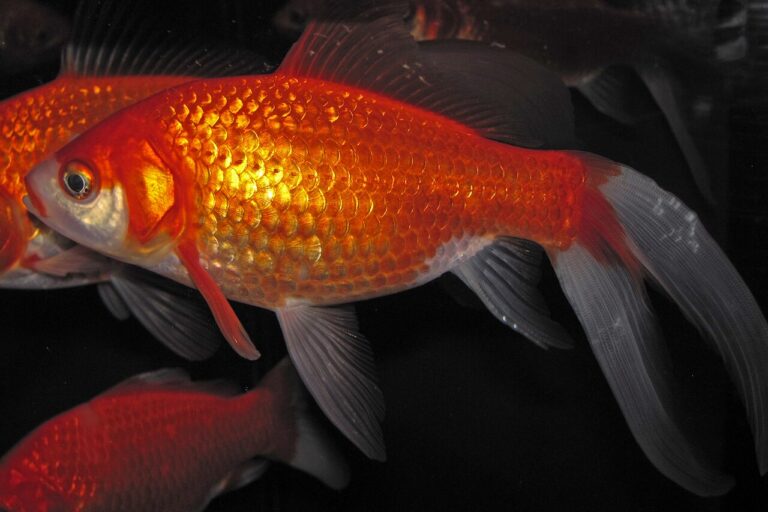
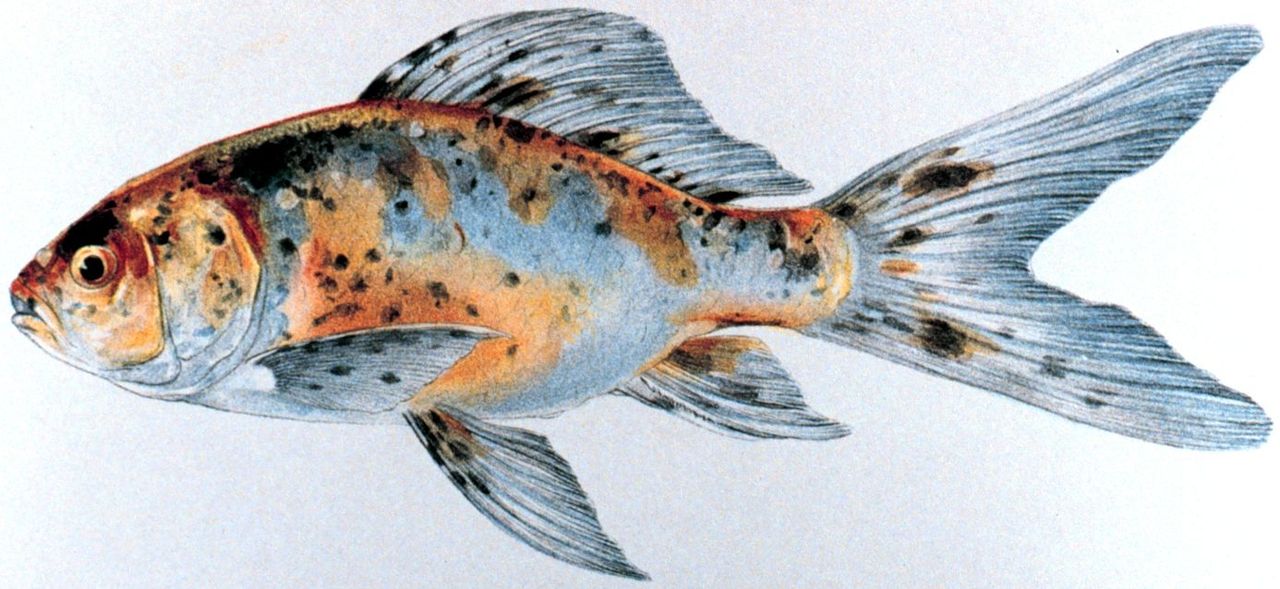
The shubunkin is a single-tailed goldfish with calico coloring, patterned in blue, orange, red, black, and white over a translucent scale type that gives the blue its depth. It is hardy, fast, and grows to 10 to 14 in in a pond, which makes it a pond fish rather than the bowl or small-tank fish it is frequently sold as.
The blue is the point. A good shubunkin shows substantial blue-grey base coloration, which is the hardest color to breed in goldfish and the one that determines quality, and it develops over the fish’s first two to three years rather than being present at purchase. This guide covers the three varieties, tank and pond requirements, the lifespan people underestimate, and why shubunkins and fancy goldfish should not be kept together.
| Quick Facts | Shubunkin Goldfish |
|---|---|
| Body type | Single-tailed, slim, fast swimming |
| Size | 10 to 14 in in a pond, less when confined |
| Lifespan | 10 to 20 years, some considerably longer |
| Minimum indoor tank | Around 75 gallons for one adult |
| Temperature | Wide range, roughly 40 to 78 F |
| Coloring | Calico over nacreous scales, blue is prized |
What a Shubunkin Is
Shubunkins were developed in Japan in the early twentieth century, produced by crossing calico telescope-eye goldfish with common and comet goldfish, and the name translates roughly as red brocade. They combine the calico coloring of fancy goldfish with the hardy single-tailed body of a common goldfish.
That body type matters more than the coloring for practical purposes. A shubunkin is streamlined, powerful, and fast, with none of the compressed body, doubled tail, or modified swim bladder that make fancy goldfish slow and vulnerable.
Scale type is what produces the appearance. Shubunkins are nacreous, meaning their scales are partly transparent rather than fully reflective, which allows the underlying pigment layers to show through and gives the blue its characteristic depth. Our guide to the oranda goldfish covers the fancy end of the same species.
The Three Varieties
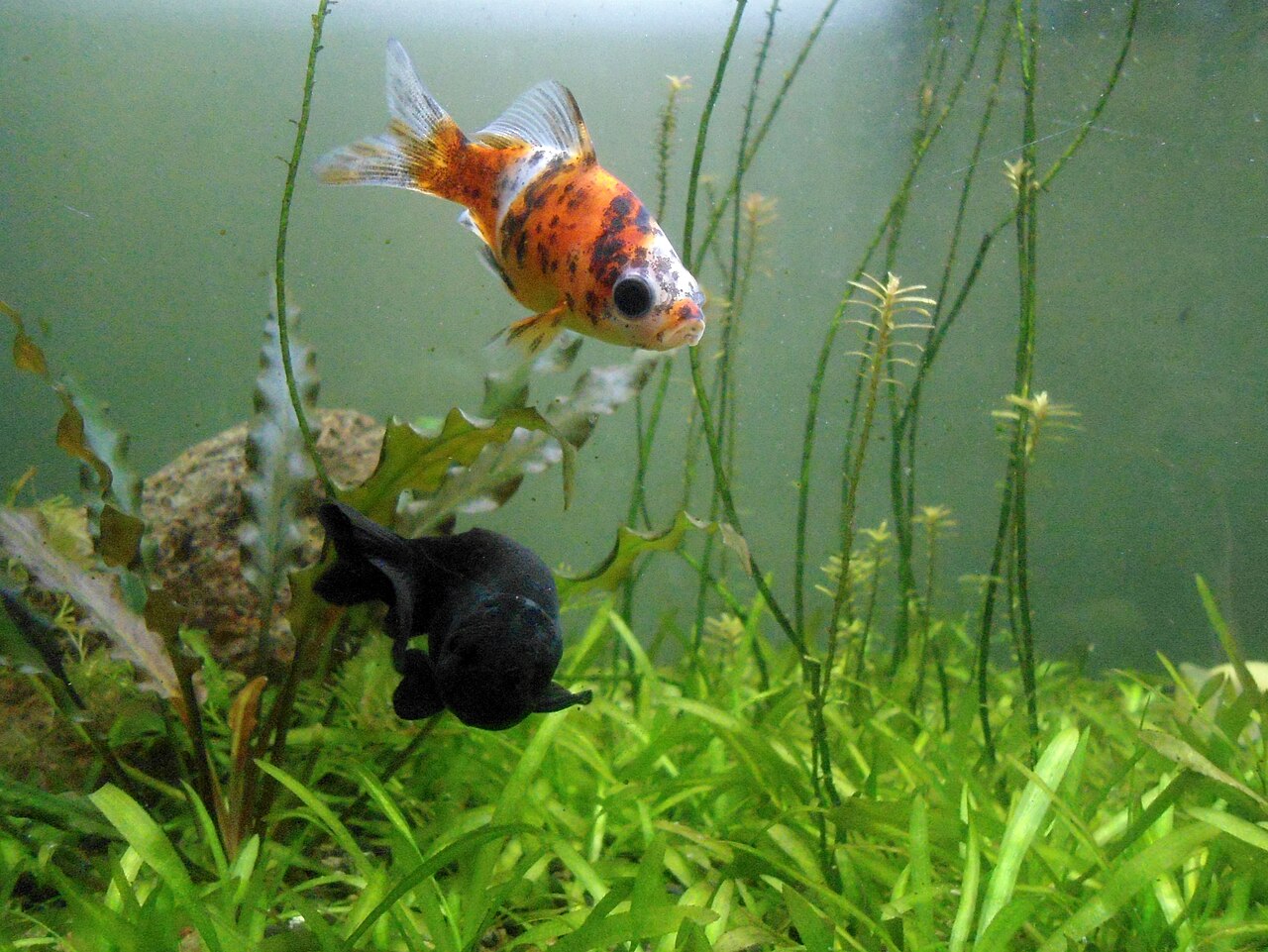
London shubunkins have the stockiest build and the shortest, most rounded fins, closely resembling a common goldfish in shape with calico coloring. They are the hardiest and the most forgiving of the three.
American shubunkins, also called Japanese shubunkins, sit in the middle with a moderately elongated body and a deeply forked tail similar to a comet goldfish. This is the type most commonly sold in North America and the one most people picture.
Bristol shubunkins are the show variety and the most distinctive, bred for a large heart-shaped or B-shaped tail held high and spread wide. Good Bristols are genuinely striking and correspondingly hard to find outside specialist breeders, since the tail shape requires careful selective breeding to maintain.
Why the Blue Matters
Among goldfish keepers, a shubunkin is judged primarily on blue. The ideal is a fish with a substantial blue-grey base overlaid with patches of orange, red, black, and white, and violet or purple tones in the blue are prized further.
Blue is difficult because it depends on pigment sitting deep in the skin, visible only through nacreous scales, and it does not breed true reliably. A spawning produces fish across a wide range, most with little blue, which is why quality shubunkins cost more than the ones in a general aquatic shop.
It also takes time. Juvenile shubunkins are often drab or predominantly dark, and the adult coloring develops over the first two to three years, with blue frequently the last color to appear. A young fish that looks unremarkable may develop into an excellent adult, and buying juveniles is a gamble that experienced keepers accept knowingly.
Tank and Pond Requirements
The size requirement is the point where most shubunkins are failed. They reach 10 to 14 in in adequate space and occasionally more, and they are active continuous swimmers rather than sedentary fish.
Indoors, plan on roughly 75 gallons for a single adult with substantial additional volume per extra fish, and prioritize tank length over height since these fish swim horizontally. The bowls and 20 gallon tanks they are commonly sold for produce stunted, short-lived fish, and stunting in goldfish is a genuine welfare problem involving deformed growth and organ damage rather than simply a smaller fish.
A pond is the better home in most climates. Shubunkins tolerate a wide temperature range from around 40 to 78 F, overwinter successfully under ice provided the pond is deep enough not to freeze solid and gas exchange is maintained, and they reach full size and color in outdoor conditions. A minimum depth of around 3 ft is standard advice for overwintering in cold regions.
Water Quality and Filtration
Goldfish produce a heavy bioload, and shubunkins at full size produce a great deal of waste. Filtration should be rated well above the nominal volume, and in ponds a combination of mechanical and biological filtration with adequate flow is standard.
Ammonia and nitrite must read zero, with nitrate kept low through regular water changes. Goldfish tolerate poorer water than many species, which is precisely why they are so often kept in conditions that shorten their lives, and tolerance is not the same as thriving.
Aeration deserves specific mention in ponds. Goldfish demand more oxygen as water warms, and a summer pond with heavy fish load, decaying plant matter, and no moving water can drop to dangerous levels overnight, when plants consume oxygen rather than producing it. A fountain, waterfall, or air stone addresses it cheaply. They are also diggers. Shubunkins root through substrate constantly, uprooting plants and clouding water, so either use larger gravel or bare bottom, or accept that delicate planting will not survive. Robust plants such as anubias attached to hardscape, and floating plants out of reach, are the practical answer.
Feeding
A quality goldfish pellet or flake formulated for the species forms the base, and sinking pellets are preferable to floating ones since surface feeding causes goldfish to gulp air, contributing to buoyancy problems.
Supplement with vegetable matter, which goldfish need more of than most keepers provide. Blanched peas with skins removed, spinach, lettuce, courgette, and duckweed are all readily taken, and vegetable content supports digestion and reduces buoyancy issues.
Feed small amounts once or twice daily, only what is consumed in a couple of minutes, and reduce or stop feeding entirely in a pond as temperatures drop below about 50 F since digestion slows and undigested food causes problems. Overfeeding is the most common error and it degrades water quality faster in a goldfish system than in almost any other. Our guide to what fish eat covers the broader feeding picture.
Tankmates
Other single-tailed goldfish are the natural match. Comets, common goldfish, and other shubunkins share the same speed, size, and requirements, and they form an active group that behaves naturally together.
Fancy goldfish are a poor match despite being the same species. Orandas, ryukins, lionheads, and telescope-eyed varieties are slow, and a shubunkin will take most of the food before a fancy reaches it, leading to gradual starvation of the slower fish. Keeping the two types together is one of the more common mistakes in goldfish keeping.
Beyond goldfish, options are limited by temperature and bioload. Weather loaches and white cloud mountain minnows suit similar conditions, while tropical community fish do not, and anything small enough to fit in a goldfish mouth will eventually be eaten. Our guides to betta fish and molly fish cover species with quite different requirements that should not share a tank with these.
Lifespan
Shubunkins live 10 to 20 years routinely in good conditions, and single-tailed goldfish in ponds have reached considerably greater ages, with well-documented individuals passing 30 and the record for the species reported at over 40.
That longevity is the single most underestimated fact about goldfish. They are sold as starter pets and disposable fish, and the reality is a commitment comparable to a dog, which is why so many end up rehomed, released illegally into waterways, or dead within a year in inadequate housing.
The gap between potential and typical lifespan is almost entirely about space and water quality. A shubunkin in a 20 gallon tank lives a fraction of the time one in a pond does, and the difference is not luck but stunting, chronic poor water, and the disease susceptibility that follows both.
Common Health Problems
Swim bladder issues are less common in shubunkins than in fancy goldfish, which is one of the advantages of the streamlined body type. When they occur, causes include overfeeding, gulping air at the surface, constipation, and poor water quality, and switching to sinking food and adding vegetable matter resolves many cases.
Ich, or white spot, appears as small white dots and typically follows temperature swings or the stress of a new environment. It responds to standard treatments and to gradual temperature adjustment, and it spreads fast enough that early action matters.
Fin rot and ulcers both follow poor water quality and physical damage. Goldfish are also susceptible to fish lice and anchor worm in ponds, both visible parasites requiring specific treatment. In practice the majority of goldfish health problems trace back to inadequate volume and filtration, so the durable answer is almost always more space and better water rather than medication. Our guide to the sunfish covers the wild relatives that share their ponds in some regions.
Related reading: Baby Goldfish.
Related reading: Goldfish Food.
Related reading: Black Moor Goldfish.
Related reading: Goldfish Colors.
Related reading: Bubble Eye Goldfish Care.
Frequently Asked Questions
How big do shubunkin goldfish get?
Ten to 14 in in a pond and occasionally more, though fish kept in small tanks stay smaller through stunting, which involves deformed growth and organ damage rather than simply being a smaller healthy fish. They need around 75 gallons indoors for a single adult.
What are the three types of shubunkin?
London shubunkins are stocky with short rounded fins and are the hardiest. American or Japanese shubunkins have a moderately elongated body and deeply forked tail and are most commonly sold. Bristol shubunkins have a large heart-shaped tail and are the show variety.
Why is my shubunkin not blue?
Blue develops over the first two to three years and is usually the last color to appear, so juveniles are frequently drab or dark. Blue also does not breed true reliably, so most fish from a spawning show little of it, which is why quality shubunkins cost more.
Can shubunkins live in a pond over winter?
Yes, in most temperate climates. They tolerate roughly 40 to 78 F and overwinter under ice provided the pond does not freeze solid, with around 3 ft minimum depth standard advice in cold regions, and provided gas exchange is maintained through the ice.
Can shubunkins live with fancy goldfish?
Not well. Shubunkins are fast and will take most of the food before slow-bodied orandas, ryukins, or telescope-eyed varieties reach it, leading to gradual starvation of the fancy fish. Keep them with comets, commons, and other single-tailed goldfish instead.
How long do shubunkin goldfish live?
Ten to 20 years routinely in good conditions, with pond fish reaching 30 or more and the species record reported above 40. The gap between this and typical lifespans is almost entirely about space and water quality rather than luck.
What should I feed a shubunkin?
A quality sinking goldfish pellet as the base, since floating food causes air gulping and buoyancy problems, supplemented with blanched peas, spinach, courgette, and duckweed. Feed small amounts once or twice daily and stop feeding in ponds below about 50 F.