What Do Fish Eat? Wild, Pond & Aquarium Diet Guide
What fish eat depends heavily on species, habitat, and water temperature, but most fall into one of three broad categories: herbivores that graze algae and plants, carnivores that hunt insects and smaller animals, and omnivores that eat a flexible mix of both. This guide covers what fish eat in the wild versus in ponds and aquariums, how temperature changes feeding behavior, and how to avoid the most common feeding mistakes that harm water quality and fish health alike.
| Diet type | Typical foods | Example species |
|---|---|---|
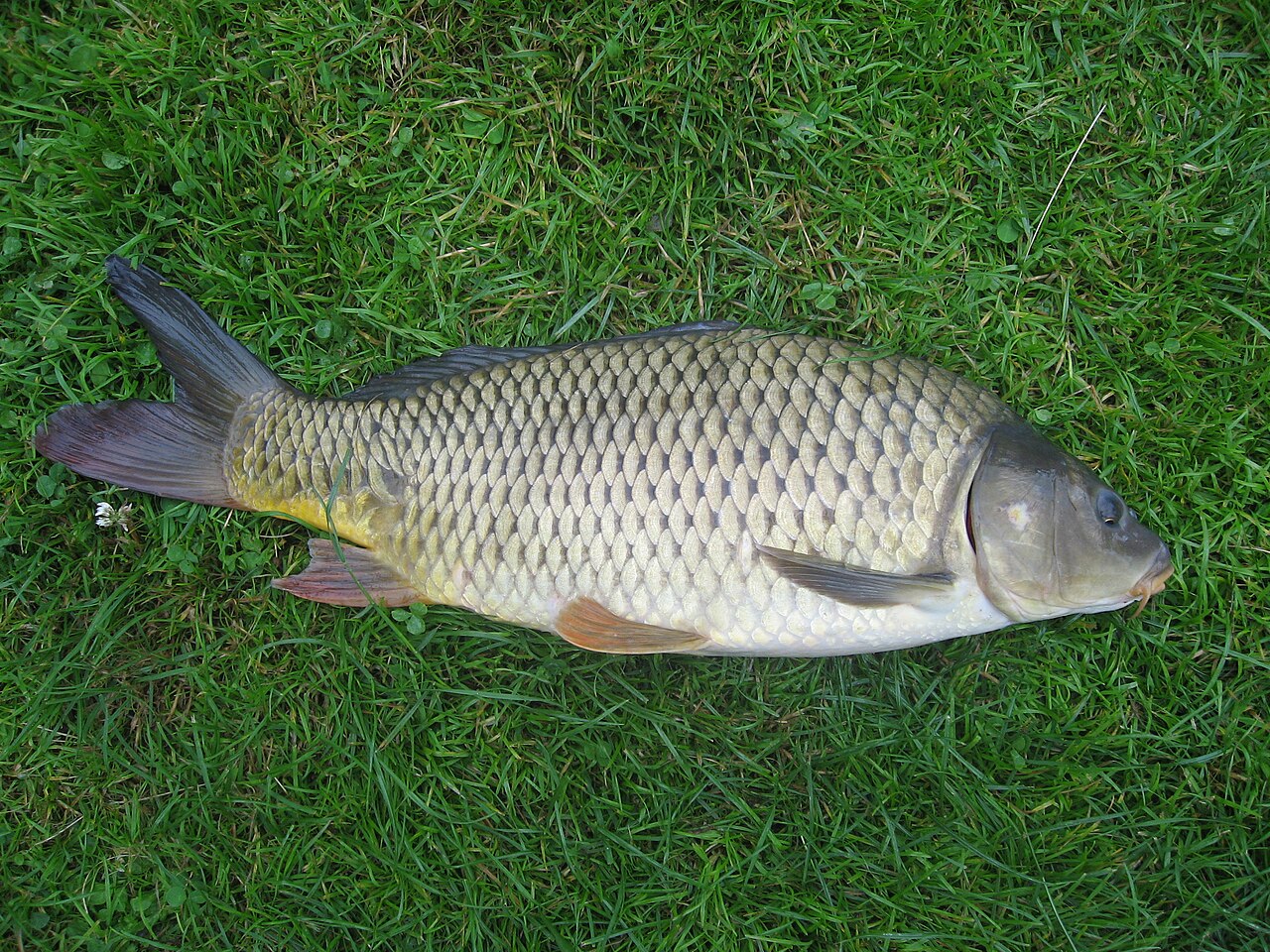
| Herbivore | Algae, aquatic plants, soft vegetation | Many carp species, grass carp |
| Carnivore | Insects, crustaceans, smaller fish | Bass, bluegill, other game fish |
| Omnivore | Mixed plant and animal matter | Goldfish, koi, tilapia |
| Bottom feeder | Sediment, decaying matter, worms | Catfish and related species |
What Do Fish Eat in the Wild?
Wild fish rely entirely on what their ecosystem naturally provides, and that varies enormously by habitat. Insects and their larvae, particularly aquatic species like caddisfly, mayfly, and mosquito larvae, make up a major protein source across many freshwater environments, alongside algae, zooplankton, and phytoplankton that form the base of the aquatic food chain for smaller fish and fry. Predatory species take a more active role, hunting smaller fish, tadpoles, and larger invertebrates like snails, while plant-focused species graze on aquatic vegetation such as duckweed and water sprite. Diet also shifts with size: fry and juvenile fish typically need smaller, protein-dense food particles, while adults of the same species may shift toward a broader or more plant-heavy diet.
Are Fish Herbivores, Carnivores, or Omnivores?
Most commonly kept pond and aquarium fish fall closer to the omnivore end of the spectrum, and popular species like koi and goldfish specifically need a mix of plant matter and protein to grow properly and maintain healthy color. Dedicated predatory game fish like bass and bluegill lean much further toward carnivory, generally needing diets of 40 percent protein or higher to support their fast growth and muscle development, while herbivorous or near-herbivorous species like grass carp can thrive on a diet dominated by soft aquatic plants. This classification is not absolute: even primarily plant-eating fish will often take an easy insect meal opportunistically, and the reverse holds for many nominally carnivorous species as juveniles.
How Water Temperature Changes What Fish Eat
Feeding behavior in cold-blooded fish is tightly linked to water temperature, since metabolism itself slows dramatically as water cools. In warmer water, generally above about 60°F, fish metabolism runs high and they benefit from protein-rich foods to support that increased activity and growth. Below roughly 60°F, metabolism drops significantly, and a diet lower in protein and higher in easily digestible carbohydrates, such as fruits and vegetables, becomes more appropriate since fish need considerably less energy overall, a seasonal shift not unlike how insect-eating mice and other small animals adjust their foraging as food availability changes with the seasons. This is also why feeding essentially stops in very cold water: an outdoor pond fish in near-freezing conditions may eat rarely or not at all for extended stretches, and force-feeding during this period can do more harm than good.
Do Fish Need Variety in Their Diet?
Yes, much like most animals, fish fed a single unchanging food source over long periods can develop nutritional deficiencies even if that one food is generally high quality. Rotating between a primary staple like pellets or flakes and occasional live, frozen, or fresh alternatives helps ensure a broader range of vitamins, minerals, and amino acids than any single formulated food typically provides on its own. This matters most for long-lived fish kept for years in the same tank or pond, where the cumulative effect of a nutritionally narrow diet becomes more apparent over time than it would in a short-lived feeder fish.
What Do Pond Fish Eat?
Pond fish like koi and goldfish combine natural foraging with supplemental feeding in a typical backyard setup. Left to forage naturally, they will eat algae, aquatic insects, crustaceans, worms, and even smaller fish or frogs if the pond supports them, alongside plants like water lily and water lettuce. Owners commonly supplement this natural diet with high-quality floating pellets formulated for koi or goldfish, and can add variety with foods like peas, leafy greens, squash, shrimp, and bloodworms. A well-established pond with healthy water quality and some natural vegetation actually supports a meaningful portion of a fish’s diet on its own, reducing how much supplemental feeding is strictly necessary.
What Do Aquarium Fish Eat?
Aquarium fish depend entirely on their keeper for nutrition, unlike wild or even pond fish that can supplement with natural foraging. Flake food suits surface-feeding species well, while sinking pellets are better matched to bottom-dwelling or mid-water species; matching food type to a fish’s natural feeding zone in the tank meaningfully improves how much food actually gets eaten versus wasted. Live or frozen foods such as bloodworms and brine shrimp add valuable variety and can improve digestion and coloration compared with a diet of dry food alone, similar to how variety benefits betta fish and other commonly kept aquarium species that thrive on more than a single staple food, a principle also reflected in how feeder insects are gut-loaded before being offered to other pets.
How Often Should Fish Be Fed?
Feeding frequency depends heavily on species, life stage, and water temperature, but a common general guideline is once or twice daily for most adult fish, with fry needing more frequent, smaller feedings to support faster growth. University aquaculture extension guidance generally recommends erring toward slightly underfeeding rather than overfeeding, since healthy adult fish can comfortably survive short gaps without food, while excess uneaten food reliably causes the water quality problems that harm an entire tank or pond population at once.
Bottom Feeders: What Catfish and Similar Species Eat
Bottom-dwelling fish like catfish occupy a distinct feeding niche, sifting through sediment on the floor of a pond, river, or tank in search of worms, small crustaceans, and decaying organic matter. This feeding style does double duty for the ecosystem: while the fish gets fed, it also performs a genuine cleanup role, helping recycle nutrients locked up in decaying material back into the water column and supporting overall water quality. Owners keeping bottom feeders alongside surface or mid-water species need to ensure sinking food actually reaches the bottom before more active fish consume it all near the surface, since bottom feeders will not compete effectively for food that never gets past mid-water.
How Fish Locate and Select Food
Fish rely on a combination of sight, smell, and, in many species, a specialized sensory system called the lateral line that detects vibrations and pressure changes in water, letting them sense nearby movement even in murky or low-visibility conditions. University fisheries extension research notes that this sensory combination lets predatory fish track prey effectively even at night or in cloudy water, while plant-eating species rely more heavily on sight and taste to select the most nutritious algae or vegetation available. This layered sensory approach is part of why fish can seem to locate food added to a tank or pond almost instantly, even before it visibly sinks or spreads through the water.
What Do Baby Fish (Fry) Eat?
Newly hatched fish, called fry, have very different nutritional needs from adults, requiring smaller food particles and considerably higher protein density to fuel their rapid early growth. In the wild, fry rely heavily on zooplankton and other microscopic organisms small enough to consume, while in captivity, specialized fry food, finely crushed flakes, or live foods like baby brine shrimp fill the same role. Because fry are also more vulnerable to poor water quality than adult fish, careful, frequent small feedings paired with vigilant water monitoring matter even more at this early life stage than with mature fish. Freshwater and marine species diverge sharply in how they feed, as our guide to the sunfish shows for two unrelated fish sharing one name.
Common Fish Feeding Mistakes
Overfeeding is by far the most common and most damaging mistake in both ponds and aquariums, since uneaten food does not simply disappear; it decomposes, fouling water quality, feeding algae blooms, and creating exactly the conditions that stress and sicken fish. A reliable rule of thumb is feeding only what fish can fully consume within a few minutes, rather than a fixed amount, and healthy fish can generally survive short periods without food without harm, which makes underfeeding a much smaller risk than overfeeding in most setups. Feeding bread, chips, or other processed human food is another common mistake, since these items offer poor nutrition for fish and can directly harm digestion while polluting the water far more than proper fish food.
Related reading: what do snails eat.
Related reading: what do ants eat.
Frequently Asked Questions
What do fish eat in the wild?
Wild fish eat whatever their ecosystem provides: insects and larvae, algae, zooplankton, aquatic plants, and smaller fish for predatory species. Diet varies significantly by habitat, species, and fish size.
Are most fish herbivores, carnivores, or omnivores?
Most commonly kept pond and aquarium fish, like koi and goldfish, are omnivores needing both plant matter and protein. Game fish like bass lean carnivorous, while species like grass carp are largely herbivorous.
How does water temperature affect what fish eat?
Fish need more protein-rich food in warmer water above about 60°F when metabolism is high, and lower-protein, more digestible food like fruits and vegetables in colder water when metabolism slows significantly.
What should I feed pond fish like koi and goldfish?
High-quality floating pellets formulated for koi or goldfish should form the base of the diet, supplemented with foods like peas, leafy greens, shrimp, and bloodworms for variety alongside natural pond foraging.
What do bottom-feeding fish like catfish eat?
Bottom feeders sift through sediment for worms, small crustaceans, and decaying organic matter. This feeding style also helps recycle nutrients and supports water quality in ponds and tanks.
What is the biggest mistake people make feeding fish?
Overfeeding is the most common and damaging mistake, since uneaten food decomposes and fouls water quality. Feed only what fish can finish within a few minutes rather than a fixed daily amount.
Can I feed fish bread or other human food?
No, bread and other processed human foods offer poor nutrition and can harm fish digestion while polluting water more than proper fish food. Stick to fish-specific pellets, flakes, or appropriate live and frozen foods.
Understanding these feeding differences is also the foundation for choosing compatible species in a shared tank or pond, since mismatched feeding needs, a fast-swimming surface feeder paired with a slow bottom dweller, for instance, can leave one species chronically underfed even when the total amount of food offered looks generous, a compatibility issue similar in principle to matching specific host plants to the right caterpillar species.