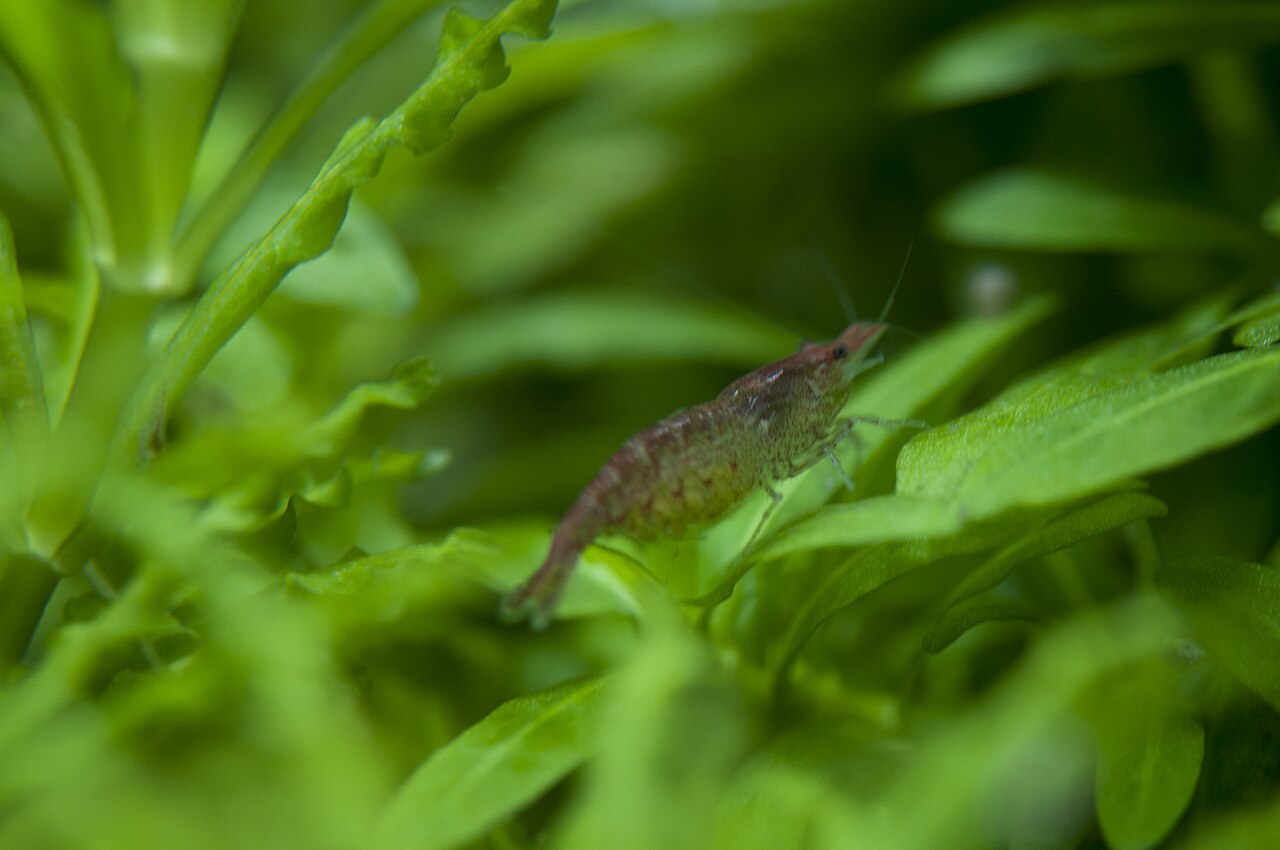
What Do Shrimp Eat? Wild & Aquarium Diet Guide
Shrimp are opportunistic omnivorous scavengers that eat almost any organic matter they encounter, algae, biofilm, decaying plant material, and animal protein alike, whether in the wild or in a home aquarium. This guide covers what wild and aquarium shrimp eat, how their diet shifts between species, why calcium matters so much for molting, and the most common feeding mistakes that harm water quality in a shrimp tank specifically.
| Food type | Examples |
|---|---|
| Plant-based (bulk of diet) | Algae, biofilm, decaying vegetation, blanched vegetables |
| Animal protein (supplement) | Brine shrimp, bloodworms, dead fish/shrimp, krill |
| Mineral supplement | Cuttlebone, calcium-rich commercial shrimp food |
| Commercial food | Shrimp pellets, algae wafers, shrimp-specific flakes |
What Do Shrimp Eat in the Wild?
Wild shrimp are opportunistic scavengers rather than active hunters, consuming essentially any organic matter available in their environment: algae, biofilm, decaying plant material, bacteria, and other microorganisms make up the bulk of a typical wild shrimp’s diet. They will also readily scavenge dead fish, dead shrimp, and other animal remains when the opportunity arises, showing no real preference between living and dead matter as a food source. This scavenging role makes wild shrimp genuinely important detritivores in their native freshwater and marine ecosystems, helping break down organic waste and recycle nutrients, a role well documented by university aquatic ecology programs, much like snails perform a similar ecological function in different habitats.
Do Shrimp Eat Fish Food?
Yes, shrimp readily eat leftover fish food that sinks to the bottom of a shared tank, and in many mixed community tanks this leftover food genuinely supplements a meaningful part of the shrimp colony’s diet without any dedicated shrimp feeding required at all. This scavenging habit is part of why shrimp are so often marketed as a tank “cleanup crew” alongside species like other aquarium tank mates, since both groups help consume detritus and uneaten food that would otherwise decompose and foul water quality.
Are Shrimp Herbivores or Omnivores?
Most commonly kept aquarium shrimp are omnivores, though the balance leans considerably more toward plant matter than many keepers initially assume; a healthy diet should be predominantly plant-based, with animal protein offered as a smaller supplement rather than a primary food source. Species vary somewhat in their specific leanings: bee shrimp, for instance, eat mostly biofilm and plant material with very little animal protein, while other species like ghost shrimp are considerably less selective and will consume almost anything offered. Because shrimp are near the bottom of most aquatic food chains, this heavily scavenging, opportunistic feeding style is a defining trait across nearly the entire group rather than a quirk limited to one or two species.
How Shrimp Actually Feed
Feeding mechanics vary meaningfully by species. Filter-feeding shrimp, brine shrimp being the best-known example, strain suspended food particles directly from the water column as they swim rather than picking at surfaces. Most freshwater dwarf shrimp commonly kept in aquariums, by contrast, are nearly blind and rely heavily on a combination of smell and taste, detecting chemical cues from potential food sources in the water, to actively locate and pick at food using their front legs and mouthparts rather than filtering passively from the water itself.
What to Feed Aquarium Shrimp
A healthy captive shrimp diet should be built primarily around encouraging natural algae and biofilm growth in the tank itself, since this ongoing grazing supply meets much of a shrimp colony’s daily nutritional needs with essentially no active feeding required. Supplement this natural grazing with commercial shrimp-specific pellets or wafers, blanched vegetables like zucchini, spinach, or carrot offered occasionally, and small amounts of protein such as frozen brine shrimp or bloodworms once or twice a week rather than as a daily staple. Dried Indian almond leaves, sold commercially as Catappa leaves, are a popular natural addition among experienced keepers, since they provide surface area for beneficial biofilm to colonize while also leaching beneficial tannins into the water as they slowly break down.
Popular Aquarium Shrimp Species and Their Diets
Cherry shrimp and other Neocaridina species are among the least fussy, thriving on a broad omnivorous diet of algae, biofilm, and standard commercial shrimp food without much specialized attention. Bee shrimp (Caridina cantonensis) and related crystal shrimp varieties lean more strictly toward biofilm and plant matter, generally needing more stable, mature tank conditions to thrive long-term compared with hardier Neocaridina species. Ghost shrimp, often sold cheaply as feeder animals but equally viable as pets in their own right, are among the least selective eaters of all, consuming nearly anything offered without the pickier preferences seen in some ornamental varieties.
Why Calcium Matters So Much for Shrimp
Shrimp molt their exoskeleton repeatedly throughout their lives as they grow, and each molt demands a substantial amount of calcium to properly harden the new shell that forms underneath. A calcium-deficient shrimp can suffer from a failed or incomplete molt, a genuinely dangerous and sometimes fatal condition, which is why cuttlebone, a readily available and inexpensive calcium source composed almost entirely of calcium carbonate, is commonly added directly to shrimp tanks for the colony to graze on as needed. Many commercial shrimp foods are also specifically formulated with added calcium and other minerals to support this ongoing molting cycle, recognizing it as one of the more genuinely critical nutritional needs specific to keeping shrimp successfully long-term.
Do Shrimp Compete With Fish for Food?
Yes, and this is a genuine practical consideration in mixed community tanks. Fast, active fish will typically reach sinking food long before slower-moving shrimp can access it, meaning a shrimp colony sharing space with boisterous fish may not get an adequate share of standard feedings even when the total amount of food added looks generous. Feeding shrimp-specific food in a spot fish rarely visit, or timing feedings for moments when fish activity is naturally lower, helps ensure the shrimp colony gets consistent access to food rather than relying entirely on scraps other tank inhabitants, including a shared other freshwater fish or other resident fish, leave behind.
Common Shrimp Feeding Mistakes
Overfeeding is the most common and most damaging mistake in a shrimp tank, since uneaten food decomposes quickly and fouls water quality, and shrimp are considerably more sensitive to poor water conditions than many fish species commonly kept in the same type of tank. Feeding excessive amounts of protein specifically is a related, more subtle mistake: while protein supports growth, too much can interfere with the molting process itself and lead to health problems over time, which is why most experienced keepers deliberately favor a diet weighted heavily toward plant matter and biofilm over a protein-forward approach. Relying entirely on commercial food while ignoring the tank’s natural algae and biofilm growth is another common oversight, since that background grazing supply is actually doing much of the nutritional work in a healthy, established shrimp tank.
What Do Baby Shrimp Eat?
Newly hatched shrimp, sometimes called shrimplets, typically begin feeding almost immediately on the same biofilm and algae that sustain adults, since a well-established, mature tank already provides the fine, easily accessible food particles young shrimp need without any special preparation. University aquaculture research on ornamental shrimp species consistently notes that a tank with strong, established biofilm growth supports far better shrimplet survival rates than a newly set up tank lacking that natural food base, which is one more reason experienced keepers strongly recommend fully cycling and maturing a tank well before introducing breeding shrimp.
Do Shrimp Eat Their Own Shed Shells?
Yes, and this is a normal, beneficial behavior rather than any cause for concern. After molting, a shrimp will frequently return to eat its own discarded exoskeleton, recovering some of the calcium and other minerals invested in growing that shell in the first place. For this reason, most experienced keepers deliberately leave a shed shell in the tank for at least a day or two rather than removing it immediately, giving the shrimp, or other shrimp in the same colony, the chance to consume it and recover those nutrients before any leftover fragments are cleaned away.
Related reading: what do fish eat.
Frequently Asked Questions
What do shrimp eat in the wild?
Wild shrimp are scavengers that eat algae, biofilm, decaying plant matter, and animal remains including dead fish and dead shrimp, consuming essentially any organic matter available in their environment.
Are aquarium shrimp herbivores or omnivores?
Most are omnivores, but their diet should lean heavily toward plant matter and biofilm, with animal protein offered only as a smaller supplement rather than a primary food source.
What should I feed aquarium shrimp?
Encourage natural algae and biofilm growth as a base diet, then supplement with shrimp-specific pellets, blanched vegetables like zucchini or spinach, and occasional protein like frozen brine shrimp or bloodworms.
Why do shrimp need calcium?
Shrimp molt their exoskeleton repeatedly to grow, and each molt requires substantial calcium to harden the new shell. Calcium deficiency can cause a failed molt, which is often fatal.
Do shrimp eat their own shed skin?
Yes, this is normal and beneficial. Shrimp eat their discarded exoskeleton after molting to recover calcium and other nutrients, so it’s best to leave shed shells in the tank for a day or two.
What is the biggest mistake in feeding aquarium shrimp?
Overfeeding is the most common mistake, since uneaten food fouls water quality quickly and shrimp are especially sensitive to poor water conditions. Excess protein specifically can also interfere with molting.
How do shrimp find their food?
Most freshwater dwarf shrimp are nearly blind and rely on smell and taste to detect food chemically in the water. Filter-feeding species like brine shrimp instead strain food particles directly from the water column.
A well-fed shrimp colony, given the right balance of natural grazing and occasional supplemental feeding, is one of the lower-maintenance additions available to a freshwater aquarium once the underlying tank ecosystem is genuinely established.
Getting the balance right between natural grazing, occasional supplemental feeding, and genuine restraint from overfeeding is really the entire secret to long-term shrimp-keeping success, more so than any single specialized product or feeding schedule alone.
New keepers researching shrimp for the first time often find the actual feeding routine considerably simpler than the sheer volume of specialized commercial products on the market might initially suggest.
With patience and a properly matured tank, a thriving shrimp colony essentially becomes self-sustaining, requiring only modest supplemental feeding to remain healthy and continue breeding over time.
Whether kept purely for their cleanup value alongside a terrestrial exotic pet in the same household or bred deliberately for their vivid colors, aquarium shrimp reward a keeper who respects their genuinely modest but specific dietary needs, especially their disproportionate need for calcium relative to body size, not unlike the calcium demands documented in a molting arthropod of any kind.