Fennec Fox Pet: Cost, Legality and What Owners Really Deal With
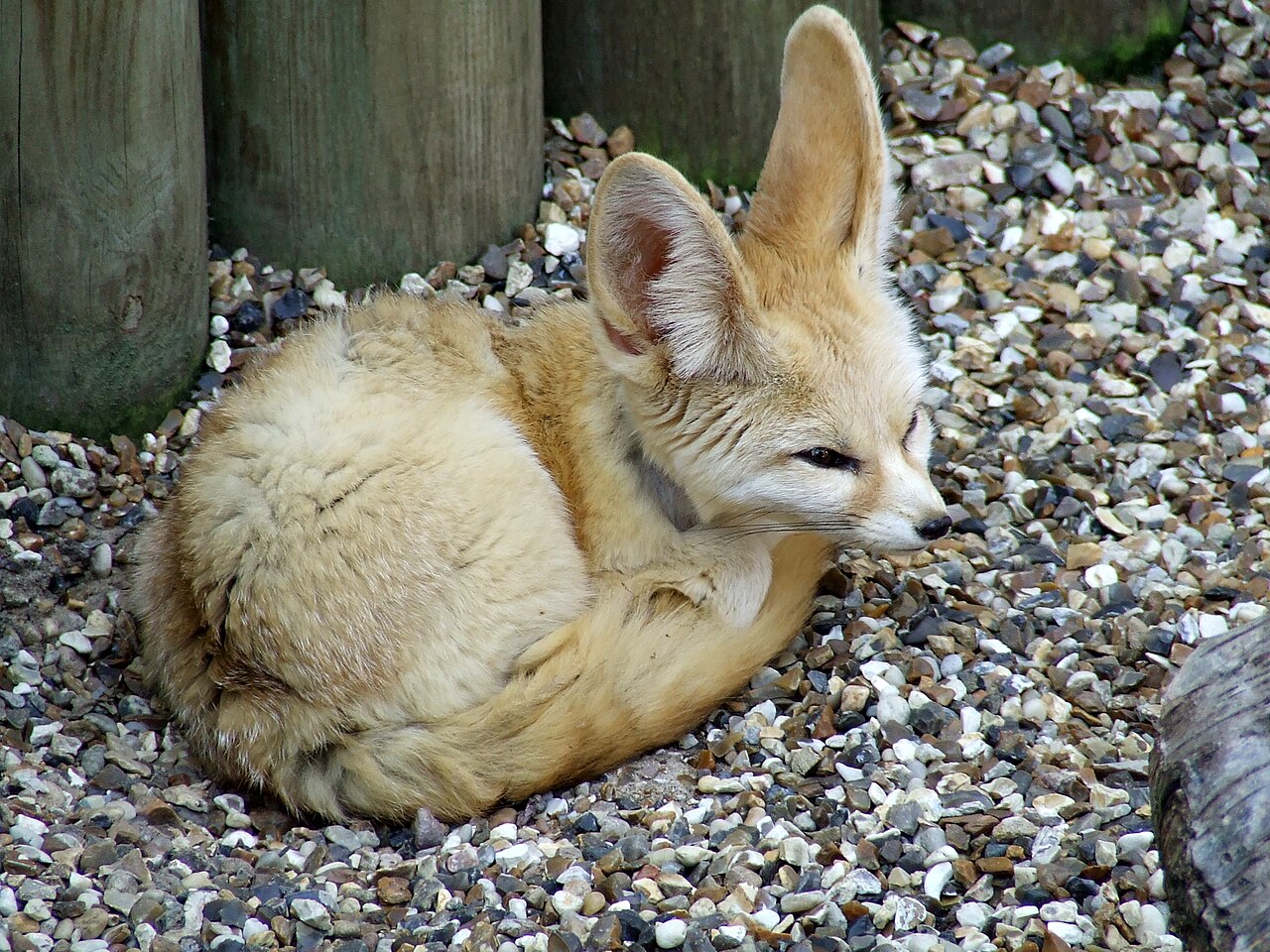
A fennec fox (Vulpes zerda) can be kept as a pet in much of the United States, but it stays a wild desert animal that digs, screams at night, and needs an exotics vet. Most people who buy one are surprised by how little it behaves like a dog or a cat. The ears that make it famous belong to an animal built for the Sahara, not for a living room sofa.
Before you look at breeders, it helps to know the real numbers: what a fennec fox pet costs, which states allow one, how loud it gets, and how long you are committing for. This guide answers the questions buyers ask most, with the practical detail that fox owners and zookeepers actually report.
Fennec foxes are legal pets in many US states and cost 2,500 to 4,000 USD from a licensed breeder, plus 1,000 USD or more in setup. They live 10 to 14 years in captivity, stay active at night, dig constantly, vocalize loudly, and cannot be reliably litter trained. They suit experienced exotic keepers, not first time pet owners.
| Fennec fox pet facts | What owners should expect |
|---|---|
| Purchase price | 2,500 to 4,000 USD from a USDA licensed breeder |
| Adult size | 9 to 16 in (23 to 41 cm) body, 1.5 to 3.5 lb (0.7 to 1.6 kg) |
| Lifespan in captivity | 10 to 14 years, occasionally longer |
| Activity pattern | Crepuscular and nocturnal, loudest at night |
| Legal status | Allowed in most states, banned in several, permit required in others |
| Litter training | Partial at best, accidents are normal for life |
| Veterinary care | Exotic vet only, many small animal clinics decline |
Do fennec foxes make good pets?
Fennec foxes make good pets only for keepers who accept a wild animal on its own terms. They are affectionate with the person who raised them from a kit, they bond visibly, and they enjoy contact. They also bolt through open doors, chew cables, dig into upholstery, and refuse to be corrected the way a dog can be.
The key difference is domestication. Dogs and cats carry thousands of years of selection for living alongside people. The fennec fox has been bred in captivity for only a few decades, which means the instincts are intact. A startled fennec does not sulk, it hides, and a hiding fennec in a house full of furniture can take hours to find.
Owners who are happy with their fennec usually have three things in common: a dedicated escape proof room or outdoor enclosure, a tolerance for noise at 3 a.m., and no expectation of obedience. If you want an animal that greets you at the door and settles on the couch, this is the wrong species. If you want to watch a desert predator live its life in your home, it can work.
Can you legally have a fennec fox?

Legality depends entirely on your state, and often on your city or county on top of that. Fennec foxes are among the most widely permitted exotic canids in the US because they are small, not native, and carry no established rabies reservoir status. That makes them legal without a permit in a large number of states, including Texas, Florida, Ohio, Indiana, and Nebraska.
Other states either ban them outright or require a permit that private owners rarely qualify for. California, Nevada, Washington, Oregon, Hawaii, and Colorado are the usual names on the prohibited list. New York State allows them while New York City does not, which is exactly the kind of local override that catches buyers out.
Check three levels before you pay a deposit: state wildlife code, county ordinance, and city animal control rules. Rental leases and homeowner associations add a fourth. Laws also change, sometimes after a single escape incident makes local news, so verify the current statute rather than a forum post from three years ago.
How much does a pet fennec fox cost?
The animal itself runs 2,500 to 4,000 USD from a licensed breeder, and prices at the low end usually mean a waiting list rather than a bargain. Kits are typically sold at 8 to 10 weeks, hand raised, and often already sexed and vaccinated. Anyone offering a fennec for under 1,500 USD deserves hard questions about origin.
Setup costs add 800 to 2,000 USD. That covers a large enclosure or a fox proofed room, a dig box, heat sources, climbing furniture, and an initial exotic vet exam. Ongoing costs are modest by exotic standards, roughly 40 to 80 USD a month for food and bedding, but a single emergency visit can exceed 1,000 USD because few clinics stock the right anesthesia protocols.
Budget for the surprise items too: replacement flooring where the fox digs, screen doors reinforced against a 3 lb (1.4 kg) animal that climbs, and boarding costs when you travel, since ordinary kennels will not take one. Compared with other unusual pets like a monitor lizard, the purchase price is higher but the habitat demands are simpler.
What does a pet fennec fox need every day?

A fennec needs space to run, a substrate it can dig in, and warmth. In the wild these foxes excavate burrow systems that can run 30 ft (9 m) or more, and the digging drive does not switch off in captivity. Owners who do not provide a dig box find the instinct redirected into carpet, mattresses, and potted plants.
Temperature matters more than most new owners expect. This is a Saharan species with thick fur on the soles of its feet for hot sand, and it chills quickly below about 68 F (20 C). Indoor keeping suits them well, outdoor enclosures need a heated shelter in any climate with real winters.
Enrichment is the third daily requirement. Scatter feeding, puzzle toys, cardboard to shred, and one or two hours of active interaction keep a fennec occupied. A bored fennec does not lie down and wait, it starts a project, and the project is usually your baseboards.
What do pet fennec foxes eat?

The captive diet is built on a high quality commercial base, usually a wild canid or high protein dog food, supplemented with insects, whole prey, eggs, and small amounts of fruit and vegetables. Taurine supplementation is standard practice, since deficiency has been linked to heart problems in captive foxes.
In the wild they are opportunistic omnivores taking rodents, insects, lizards, birds, eggs, roots, and desert fruit, so variety is closer to natural than a single bagged food. Feed adults once or twice a day, around 1 to 2 oz (30 to 60 g) of the protein base plus extras, and adjust by body condition rather than by the scoop.
Avoid grapes, onions, chocolate, and anything with xylitol, the same list that applies to dogs. Fennecs are also prone to obesity in captivity because they get a fraction of the exercise a desert forager gets, and an overweight fennec loses the agility that makes the animal interesting in the first place.
Do fennec foxes bark?
Fennec foxes are loud, and bark is only part of it. The repertoire includes a sharp yappy bark, a chattering squeak during play, a purr like rumble when content, and a piercing scream when alarmed or excited. The scream is the one that ends relationships with neighbors, and it carries through walls.
Most of that noise comes at night. Fennecs are crepuscular to nocturnal, so peak activity lands between dusk and the early hours, exactly when apartment living punishes it. Owners in detached houses manage; owners in shared buildings frequently rehome for this reason alone.
There is no training solution. Vocalizing is communication, not misbehavior, and suppressing it is neither possible nor humane. The wider fox family is vocal in general, and the range of calls across species is worth understanding before you commit, as covered in our guide to fox sounds and what they mean.
Do fennec fox bites hurt?
Yes, a fennec fox bite hurts, though it rarely causes serious injury. The teeth are small and needle sharp, built for insects and small rodents, and a defensive bite breaks skin easily. Bites usually happen when the animal is cornered, startled awake, or handled by someone it does not know.
The medical concern is not the wound size but the follow up. There is no rabies vaccine licensed specifically for fennec foxes in the US, so a bite to a person outside the household can trigger quarantine or, in some jurisdictions, euthanasia and testing regardless of the animal’s vaccination history. That legal exposure is one of the strongest arguments against keeping one in a home with visiting children.
Reduce bite risk by respecting sleep, avoiding grab style handling, and building trust through food rather than restraint. A fennec raised with gentle daily contact from kit age is far less likely to bite than one bought as an adult, which is one reason hand raised fennec fox kits command higher prices.
Can fennec foxes be potty trained?
Partially, and no owner should plan around full success. Some fennecs learn to use a litter box for most deposits, especially if the box uses the same substrate they dig in. Many use it inconsistently, and almost all continue to scent mark, which is a separate behavior from elimination and is not trainable away.
Marking is territorial communication. A fennec deposits small amounts of urine and feces on raised or novel objects, including new furniture, luggage, and visitors’ shoes. Neutering reduces the intensity but does not remove the behavior, and it tends to increase again whenever the environment changes.
Plan for washable flooring, multiple litter stations, and an enzymatic cleaner as standard equipment. If you want to know what you are cleaning up and what it says about the animal’s diet, the general patterns in fox droppings apply to the fennec in miniature.
What is the lifespan of a fennec fox?
Pet fennec foxes typically live 10 to 14 years, with well documented cases past 16 in zoos. Wild fennecs rarely reach 10 because of predation and drought, so captivity roughly doubles the expectation when care is right. That is a commitment on the scale of a dog, in an animal that never becomes low maintenance.
The common health issues are dental disease from soft diets, obesity, kidney problems in older animals, and stress related conditions in foxes kept without enough space. Annual exotic vet exams catch most of them early, and finding that vet before you buy is not optional. Many owners drive an hour or more to the nearest clinic that will treat a fennec.
Longevity across the fox family varies widely by species and setting, and the captivity gap is unusually large in small desert foxes. Our overview of how long foxes live sets the fennec against its relatives, while the cold adapted Arctic fox shows how differently the same genus solves an extreme climate. For veterinary and husbandry detail from a professional collection, the Smithsonian’s National Zoo fennec fox profile is a reliable starting point.
Frequently Asked Questions
How to get a fennec fox?
Buy from a USDA licensed breeder after confirming your state, county, and city allow private ownership. Expect a waiting list, a deposit, and pickup at 8 to 10 weeks. Reputable breeders ask questions about your enclosure and vet before they take money. Avoid classified ads, imports, and any seller who will ship without a health certificate.
Where can I buy fennec foxes?
Licensed exotic breeders in states like Texas, Florida, Indiana, and Ohio supply most US pet fennecs, and several ship domestically by air with proper documentation. Exotic animal expos also host breeders, though quality varies sharply. Always verify the USDA license number and ask to see the parent animals or their enclosures.
Do fennec foxes smell?
Yes, though less than most exotic canids. They have scent glands at the tail base and mark their territory routinely, which produces a musky odor that builds up in enclosed rooms. Frequent litter changes, washable bedding, and good ventilation keep it manageable. Neutered animals in clean housing smell noticeably less than intact ones.
Can a fennec fox live with dogs or cats?
Sometimes, but it needs supervision for life. Fennecs raised alongside a calm dog or cat often coexist well, while high prey drive dogs are a serious danger to a 3 lb (1.4 kg) fox. Never leave them together unsupervised, and give the fennec a retreat the other animals cannot reach.
Do fennec foxes need vaccinations?
Exotic vets generally give killed virus canine distemper and rabies vaccines off label, since none are specifically licensed for fennec foxes. The rabies shot protects the animal but does not satisfy most public health authorities after a bite. Discuss the protocol and its legal limits with your vet before the first appointment.
Are fennec foxes endangered?
No. The IUCN lists the fennec fox as Least Concern, with a stable population across North African and Sahelian desert habitats. Local trapping for the pet trade and tourism does apply pressure in parts of the range, but captive bred animals dominate the legal US market and wild caught imports are rare.