Doe Symbolism: What Seeing a Female Deer Really Means
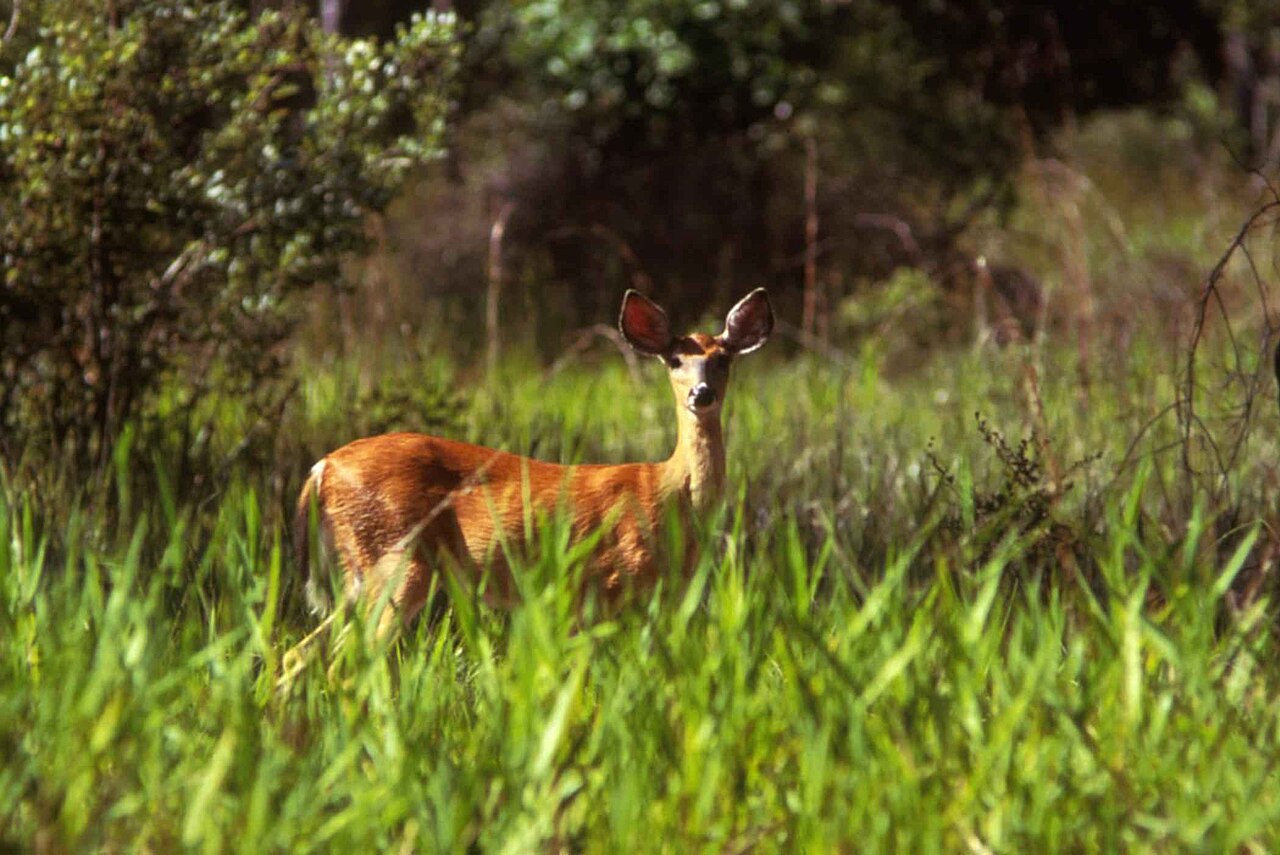
If a doe just crossed your path, the meaning depends on what she was doing and what was with her. Doe symbolism is the female half of deer symbolism.
Spiritually, a doe symbolizes gentleness, intuition, nurturing love and quiet alertness. Seeing one is commonly read as a sign to meet a situation softly while trusting your instincts. A calm doe means peace, a doe with a fawn a call to protect something new, a fleeing doe a warning.
What Does a Doe Symbolize Spiritually?
Spiritually, the doe stands for strength without aggression. Like nearly all female deer, she carries no antlers, so she relies first on awareness and speed, though a doe guarding a fawn will strike out with her front hooves. That makes her a symbol of power that never needs to threaten, one of the core ideas in animal symbolism.

Intuition follows from how she feeds. She feeds with her head down, yet her ears keep turning and she lifts her head again and again to scan. She stands for sensing a shift before a word is spoken.
Motherhood is the third thread. A white-tailed doe (Odocoileus virginianus) hides her fawn in tall grass and returns through the day, a pattern folk tradition treats as quiet, devoted care. The stag typically represents authority and masculine vigor, the doe the receptive, feminine side of the same animal.
Seeing a Doe: Meaning by Situation
A calm doe that keeps feeding carries a message of peace, and a doe crossing your path means a gentle change of direction. A doe that bolts the instant she sees you points to something in your life that deserves a closer look.
A doe with a fawn is a call to protect something new. Does that appear again and again over a few days remind you to slow down and soften a harsh approach.
| Where or how you see the doe | Common spiritual reading |
|---|---|
| Looking through your window | Something asks to be let in |
| Beside a road at dusk | Be alert, change is moving fast |
| Crossing your path | A gentle change of direction |
| Found dead | End of a tender phase, grief needs room |
| White or pale doe | A rare guide, a spiritual turning point |
The Doe in Native American, Christian, Celtic and East Asian Belief
In many Native American traditions the deer appears as a gentle messenger and a provider, though teachings vary by nation.
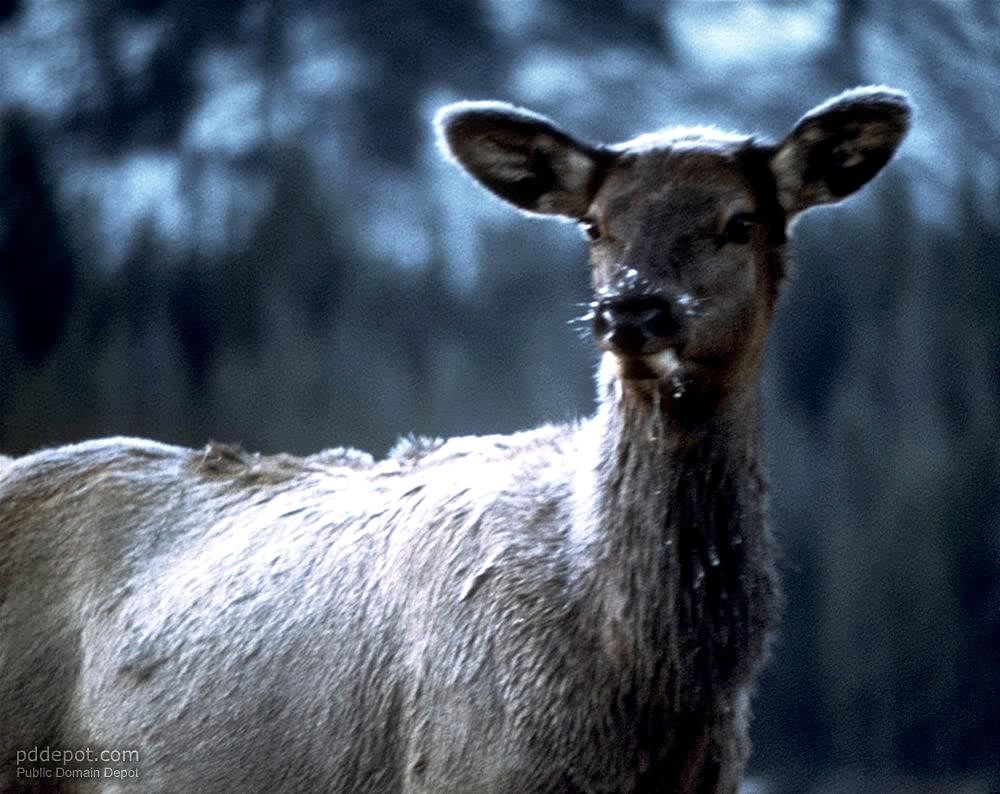
Psalm 42:1 (KJV) uses a hart, the male: “As the hart panteth after the water brooks, so panteth my soul after thee, O God.” The Hebrew verb is feminine, so the Greek Septuagint reads it as a hind, a female deer. The hind also appears in Habakkuk 3:19 and Psalm 18:33, which speak of “hinds’ feet,” a picture of sure footing in hard times.
Celtic folklore links the deer with the otherworld, and a white deer appears as a guide into unknown places. In China, the word for deer (lu) sounds like the word for prosperity and official rank, so deer stand for good fortune. In Japan, the deer of Nara are traditionally regarded as messengers of the gods.
Doe as Spirit Animal and Totem
People drawn to the doe as a spirit animal are described as empathetic, sensitive and attentive to what goes unspoken, and they notice the one person in the room who is hurting.

The shadow side of this totem is oversensitivity: a doe person may avoid conflict that deserves to be faced.
Frequently Asked Questions
What is a female deer called?
A female deer is called a doe in white-tailed, mule, fallow and roe deer. In red deer and elk the female is called a hind or a cow.
What goddess is associated with deer?
Artemis, the Greek goddess of the hunt, is shown with a deer. In Irish lore Flidais is mainly a goddess of cattle and herds, and later tradition also linked her with wild deer.
What does a black doe symbolize?
A black doe is commonly read as a sign of mystery and of a deep inner change. The dark coat comes from melanism, a rare pigment variant.
When are fawns usually born?
May and June for most white-tailed does, and late spring to early summer across most of the US. That is why does are seen alone and on edge in those months.
Sources
- Bible Gateway, Psalm 42:1 (KJV)
- Bible Gateway, Habakkuk 3:19 (KJV)
- Gill’s Exposition, Psalm 42
- Oregon Department of Fish and Wildlife, Does Defending Fawns
- Britannica, Deer
- Britannica, Artemis