Potato Bug: What It Is, Bite, Size, and Myths
The potato bug that alarms people across the western United States is the Jerusalem cricket, a large, shiny, humpbacked insect with a round amber head that looks almost human. Despite the unsettling appearance and the folklore around it, the potato bug is not venomous and not deadly, though its powerful jaws can deliver a painful nip if you handle one. The name is confusing because it is also used for the roly-poly pillbug and, among gardeners, the Colorado potato beetle.
This guide focuses on the insect most people mean when they search for a potato bug, the Jerusalem cricket, and explains what it is, how to identify it, how big it gets, whether it bites, what it eats, and where the strange myths come from. It also clears up the confusion with the other creatures that share the name.
| Feature | Detail |
|---|---|
| Common names | Potato bug, Jerusalem cricket, nino de la tierra, child of the earth |
| Scientific group | Genus Ammopelmatus and relatives (family Stenopelmatidae) |
| Size | 1 to 2 in long, heavy bodied |
| Range | Western US, especially California and the Pacific states |
| Venomous | No, but the bite can be painful |
| Diet | Roots, tubers, decaying plant matter, small insects |
| Active | Mostly at night, underground by day |
What Is a Potato Bug?
When people in California and the western states talk about a potato bug, they almost always mean the Jerusalem cricket. It is a large, wingless, ground-dwelling insect with a smooth amber and brown body, a big rounded head, and strong legs built for digging. The nickname comes partly from its habit of turning up in soil and among potato and root crops, where it feeds on tubers and roots.
The Jerusalem cricket is not a true cricket, and it has nothing to do with Jerusalem. It belongs to a group of heavy-bodied relatives of crickets and katydids that live underground across the American West and into Mexico and Central America. Spanish speakers in the region call it nino de la tierra, meaning child of the earth, which captures both its size and its oddly babylike face.
The name potato bug is also applied to two unrelated creatures. The first is the pillbug or roly-poly, a small gray crustacean that curls into a ball. The second, used mostly by gardeners, is the Colorado potato beetle, a striped pest of potato plants. This article is about the Jerusalem cricket, the large insect most people picture when they see the name.
Jerusalem Cricket Identification and Appearance
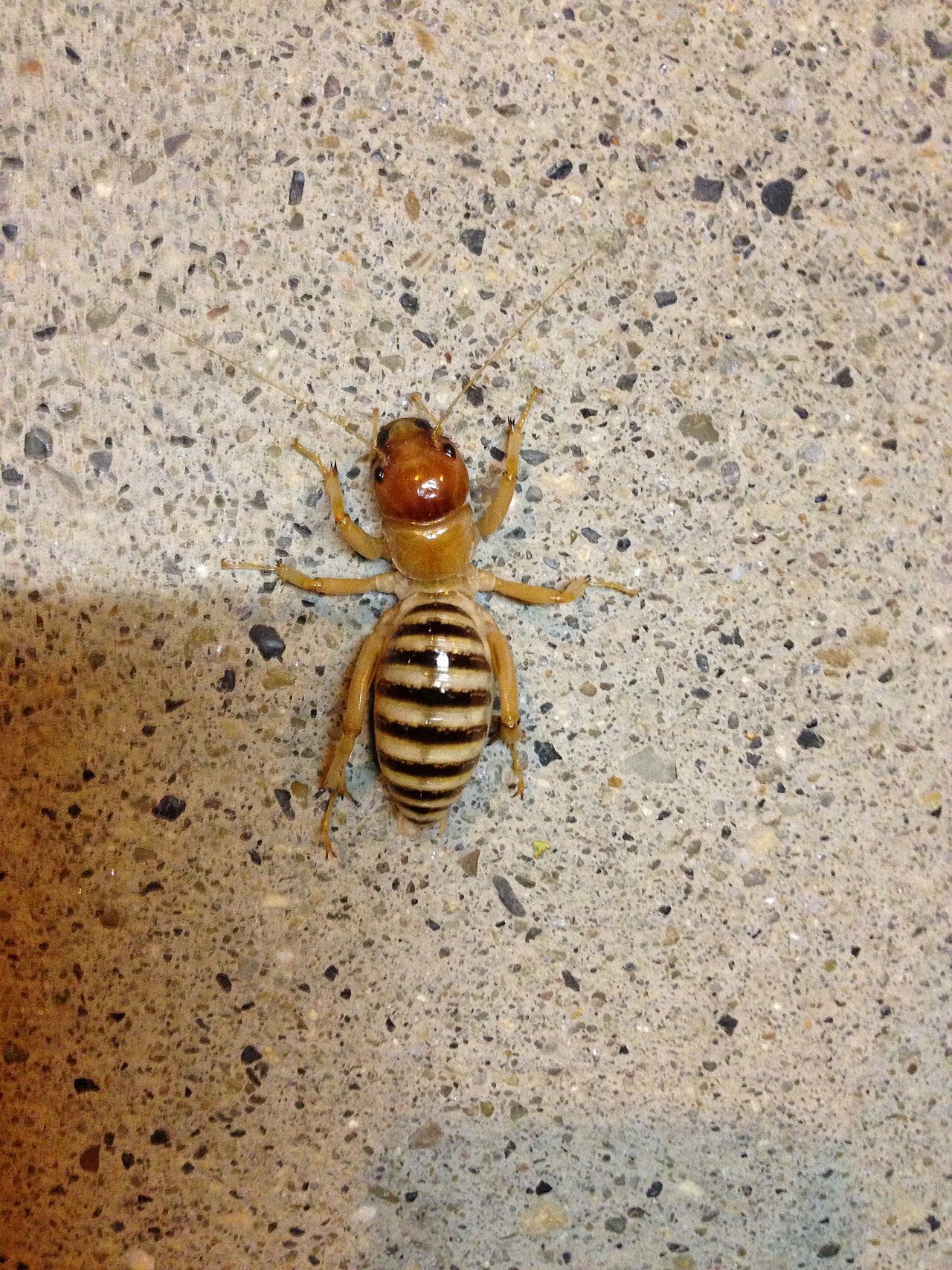
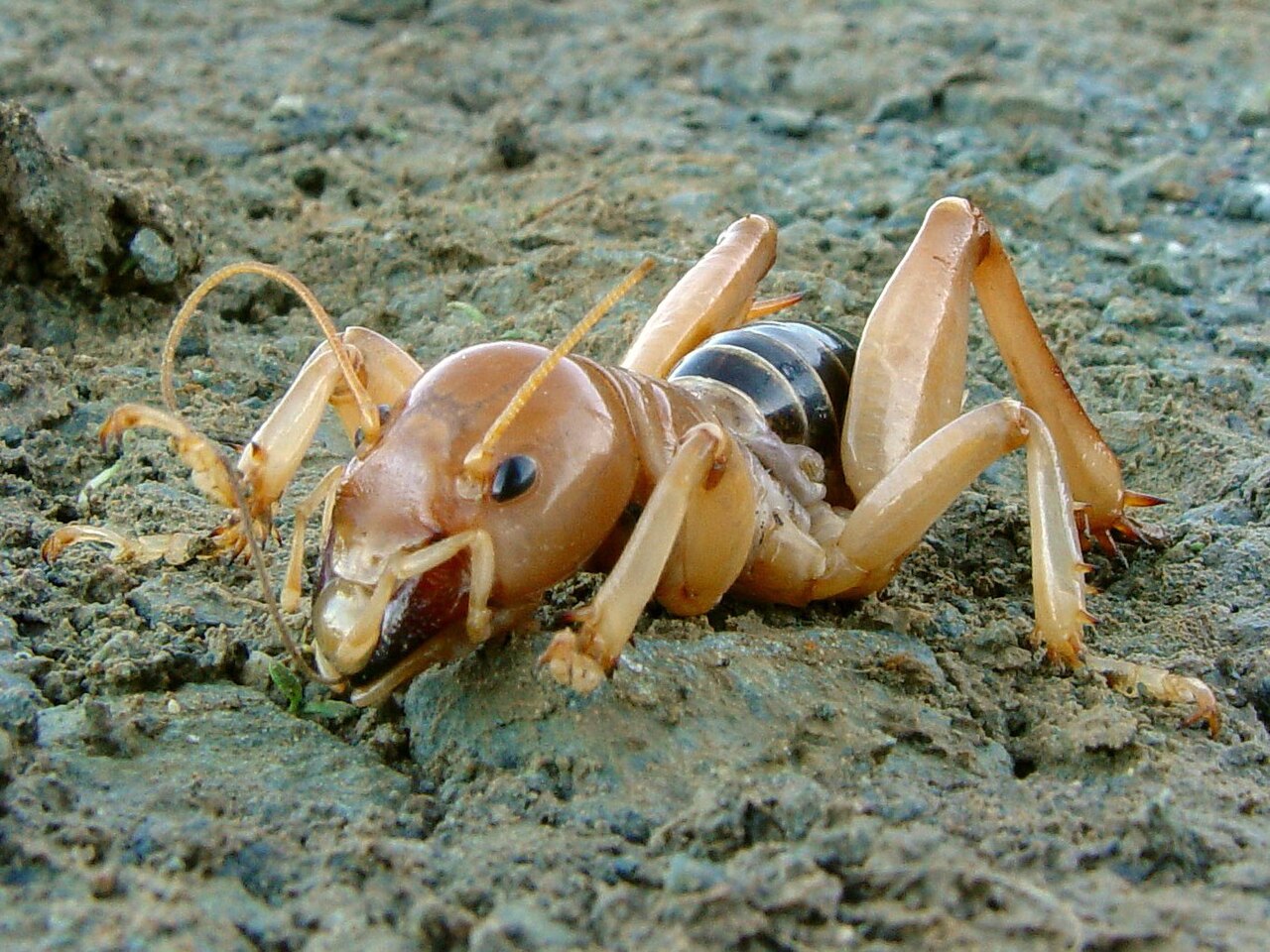
A Jerusalem cricket is hard to mistake once you have seen one. The body is smooth and glossy, colored amber, tan, and dark brown, often with dark bands across a plump abdomen. The head is large, round, and shiny, with small eyes and strong jaws, and it is this human or babylike face that gives people such a strong reaction to the insect.
The legs are thick and spiny, especially the digging front legs, and the insect has no wings, so it cannot fly and moves with a slow, deliberate crawl. Adults are heavy for their length and feel solid if one walks across your hand. Unlike a true cricket, it does not chirp with its wings, though it can make a faint hissing or scratching sound.
Size and the distinctive head are the quickest identification cues. If you turn over a rock or a board in a western garden and find a large, wingless, amber insect with a round head and banded belly moving sluggishly away from the light, you are almost certainly looking at a Jerusalem cricket. Photo references from the University of California integrated pest management program show the range of colors and patterns.
How Big Do Potato Bugs Get?
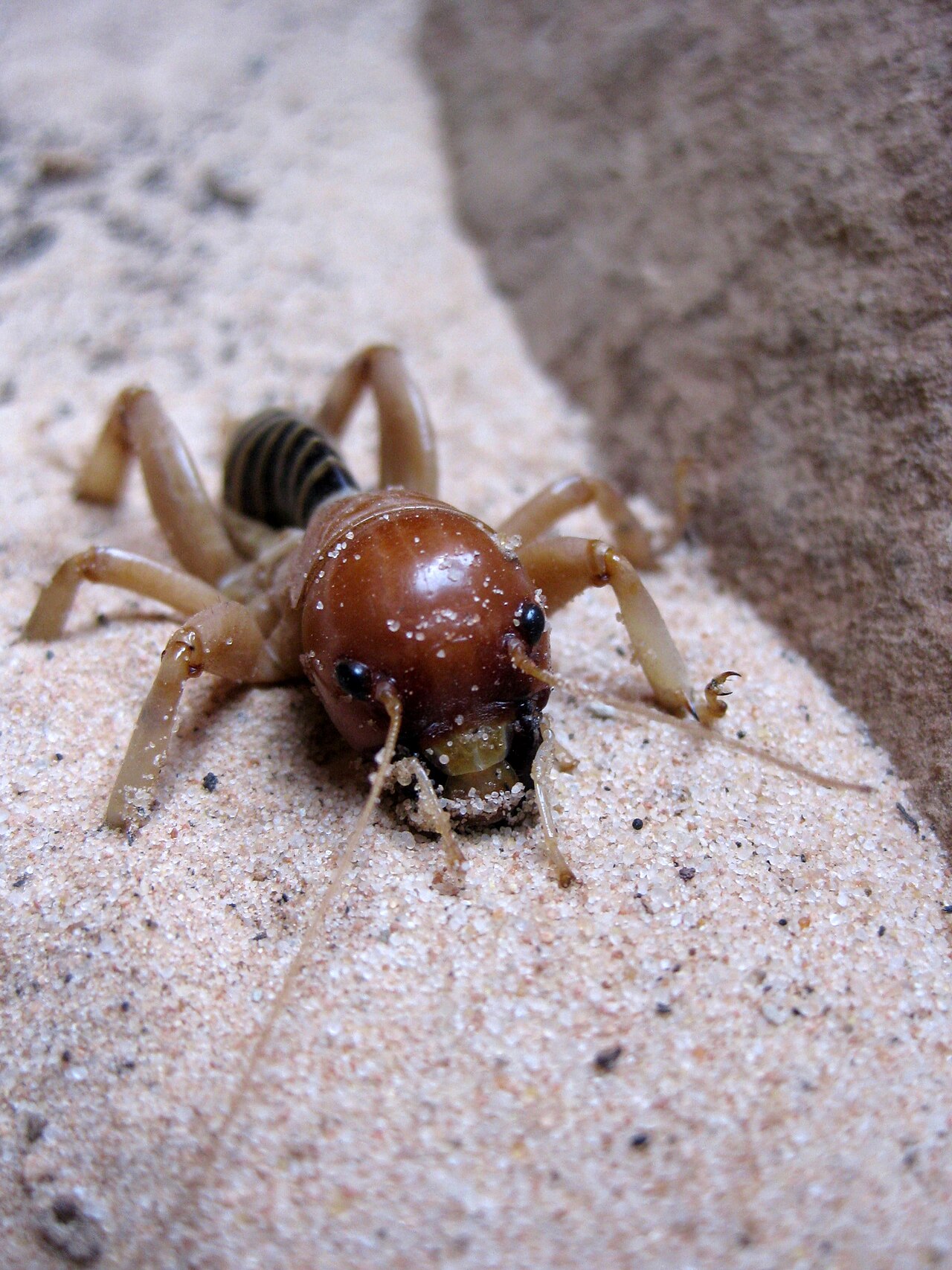
Jerusalem crickets are large insects. A full grown adult is typically 1 to 2 inches long, and the biggest individuals can approach the upper end of that range with a noticeably swollen abdomen. Combined with the heavy build and round head, this size is a big part of why a first encounter is so startling.
They grow through a series of molts, getting larger and darker banded as they mature. Younger potato bugs are smaller and paler but have the same basic shape and round head, so a baby potato bug is recognizable as a miniature version of the adult rather than a different-looking larva.
Because they are so heavy and wingless, potato bugs spend most of their lives in contact with the soil, digging and foraging rather than climbing or flying. Their size makes them one of the more memorable insects of the western United States, and it feeds the exaggerated stories about how dangerous they must be, stories that the facts do not support.
Where Do Potato Bugs Live?
Potato bugs are animals of the western United States, and searches for potato bug California and California potato bug reflect where they are most common. Their range extends through the Pacific states and the Southwest, into Mexico, wherever there is loose, moist soil they can burrow through in search of roots and other food.
They spend the day underground or hidden beneath rocks, logs, and garden debris, emerging at night to forage. This burrowing lifestyle is why people usually meet them by accident, when digging in a garden, turning compost, or lifting a board, rather than seeing them out in the open. Damp, cultivated soil in gardens and farmland suits them well.
Because they favor the same rich, worked soil that gardeners create, potato bugs turn up in vegetable beds and around root crops, which reinforces the potato connection. They are not a sign of a dirty or neglected yard. On the contrary, healthy soil full of roots and organic matter is exactly the habitat they prefer, and it supports the insect-eating birds that help keep soil pests in balance.
Do Potato Bugs Bite? Are They Dangerous?
Potato bugs are not venomous and are not deadly, despite persistent rumors to the contrary. They have no stinger and produce no dangerous toxin. The real concern is mechanical. A Jerusalem cricket has strong jaws for chewing roots, and if you pick one up and it feels threatened, it can deliver a firm, painful bite that may briefly break the skin.
That bite is defensive, not aggressive. The insect would much rather burrow away than confront you, and bites only happen when one is handled or trapped against skin. There is no venom involved, so the pain is simply from the pinch of the jaws and fades on its own. Washing the area is all that is usually needed.
Potato bugs can also give off a mild, musty odor when disturbed, which adds to their unpleasant reputation but is harmless. The sensible approach is to admire them without handling them. Like many soil insects, they are eaten by ground-foraging birds and insect-hunting wrens, and they play a normal role in the garden food web rather than posing any threat to people or pets.
What Do Potato Bugs Eat?
Jerusalem crickets are mainly plant eaters with an appetite for underground parts. They feed on roots, tubers, and decaying vegetation, and they will chew on potatoes and other root crops, which is how they earned the potato bug name. This root feeding can cause minor damage in a vegetable garden, though they are rarely numerous enough to be a serious pest.
They are also opportunistic and will eat other small insects, both living and dead, along with organic debris in the soil. This mixed diet makes them part scavenger and part herbivore, helping to break down decaying material while occasionally nibbling living plants. Their digging aerates soil as a side effect of foraging.
Because they feed underground and at night, most gardeners never see the feeding itself, only the occasional insect turned up during digging. A few potato bugs in a garden are not a cause for alarm and do not call for pesticides. Encouraging natural predators, such as the insect-eating birds you attract to your yard, keeps their numbers in balance without chemicals.
Potato Bug Myths and Folklore
Few insects carry as much folklore as the Jerusalem cricket. A common myth claims that potato bugs are deadly poisonous, which is simply untrue. Another says they scream or cry when caught, which comes from the faint hissing or rasping sound some make by rubbing body parts together. Searches for potato bug crying and queen potato bug reflect how deeply these stories run.
The name nino de la tierra, child of the earth, and older regional names tie the insect to superstition, partly because of its eerily babylike face. In some traditions it was wrongly believed to be venomous or a bad omen. None of this reflects the biology of a slow, harmless soil insect that wants nothing to do with people.
The idea of a queen potato bug is folklore as well. Jerusalem crickets are not social insects and have no queen the way ants or bees do. Understanding the real animal, a large, shy, root-eating cricket relative, replaces the myths with something far less frightening and genuinely interesting.
Potato Bug vs Roly-Poly vs Colorado Potato Beetle
Because three different creatures share the potato bug name, it helps to separate them clearly. The Jerusalem cricket, the focus of this guide, is a large amber insect with a round head that lives in western soil and feeds on roots. It is the animal most people mean by potato bug in casual conversation.
The roly-poly, or pillbug, is a small gray crustacean, not an insect, that curls into a tight ball when disturbed and lives under damp wood and leaf litter. Some people call it a potato bug too, especially in the eastern states. It is completely harmless and feeds on decaying plant matter.
The Colorado potato beetle is a small, round, yellow and black striped beetle that is a serious pest of potato plants, and gardeners sometimes call it a potato bug because of the crop damage it causes. If your potato leaves are being stripped by striped beetles and larvae, that is the Colorado potato beetle, not the harmless Jerusalem cricket. Managing garden pests naturally often starts with a healthy population of predators and by keeping other insect problems in check.
Related reading: Banana Spider.
Related reading: Banana Spider.
Related reading: Banana Spider.
Related reading: Banana Spider.
Related reading: Banana Spider.
Related reading: Banana Spider.
Related reading: Banana Spider.
Related reading: Banana Spider.
Related reading: Banana Spider.
Related reading: Banana Spider.
Related reading: Banana Spider.
Related reading: Banana Spider.
Related reading: Banana Spider.
Related reading: Banana Spider.
Related reading: Banana Spider.
Related reading: Banana Spider.
Related reading: Banana Spider.
Related reading: Banana Spider.
Related reading: Banana Spider.
Related reading: Banana Spider.
Related reading: Stink Bug Eggs.
Related reading: White Moth.
Related reading: Baby Dragonfly.
Related reading: Crane Fly.
Related reading: Types of Bees.
Related reading: No See Ums.
Frequently Asked Questions
What is a potato bug?
In the western United States a potato bug is usually the Jerusalem cricket, a large amber insect with a round head that lives underground and feeds on roots. The name is also used for the roly-poly pillbug and the Colorado potato beetle, but the Jerusalem cricket is what most people mean.
Are potato bugs poisonous or venomous?
No. Jerusalem crickets are neither poisonous nor venomous. They have no stinger and no dangerous toxin. The only risk is a painful pinch from their strong jaws if you handle one, and that pinch is purely mechanical with no venom involved.
Do potato bugs bite?
They can bite in self defense if picked up or trapped against skin, using strong jaws meant for chewing roots. The bite can hurt and may briefly break the skin, but it is not venomous. They are not aggressive and prefer to burrow away.
Why are they called potato bugs?
The name comes from their habit of turning up in cultivated soil and feeding on potatoes, tubers, and roots. Because they are found around root crops, western gardeners began calling the Jerusalem cricket a potato bug, a name that stuck despite having no link to actual potatoes in most encounters.
Do potato bugs cry or scream?
Not really. The myth of a crying or screaming potato bug comes from a faint hissing or rasping noise some make by rubbing body parts together when disturbed. It is a defensive sound, not a voice, and it is much quieter than the folklore suggests.
How big do potato bugs get?
Adult Jerusalem crickets are typically 1 to 2 inches long with a heavy, rounded body. That large size, combined with the shiny round head, is why they startle people so much on a first encounter.
Where do potato bugs live?
They live in the western United States, especially California and the Pacific and Southwestern states, in loose, moist soil. They spend the day underground or under rocks and debris and come out at night to forage, which is why people usually find them while digging.