Bed Bug or Baby Cockroach? How to Tell Them Apart
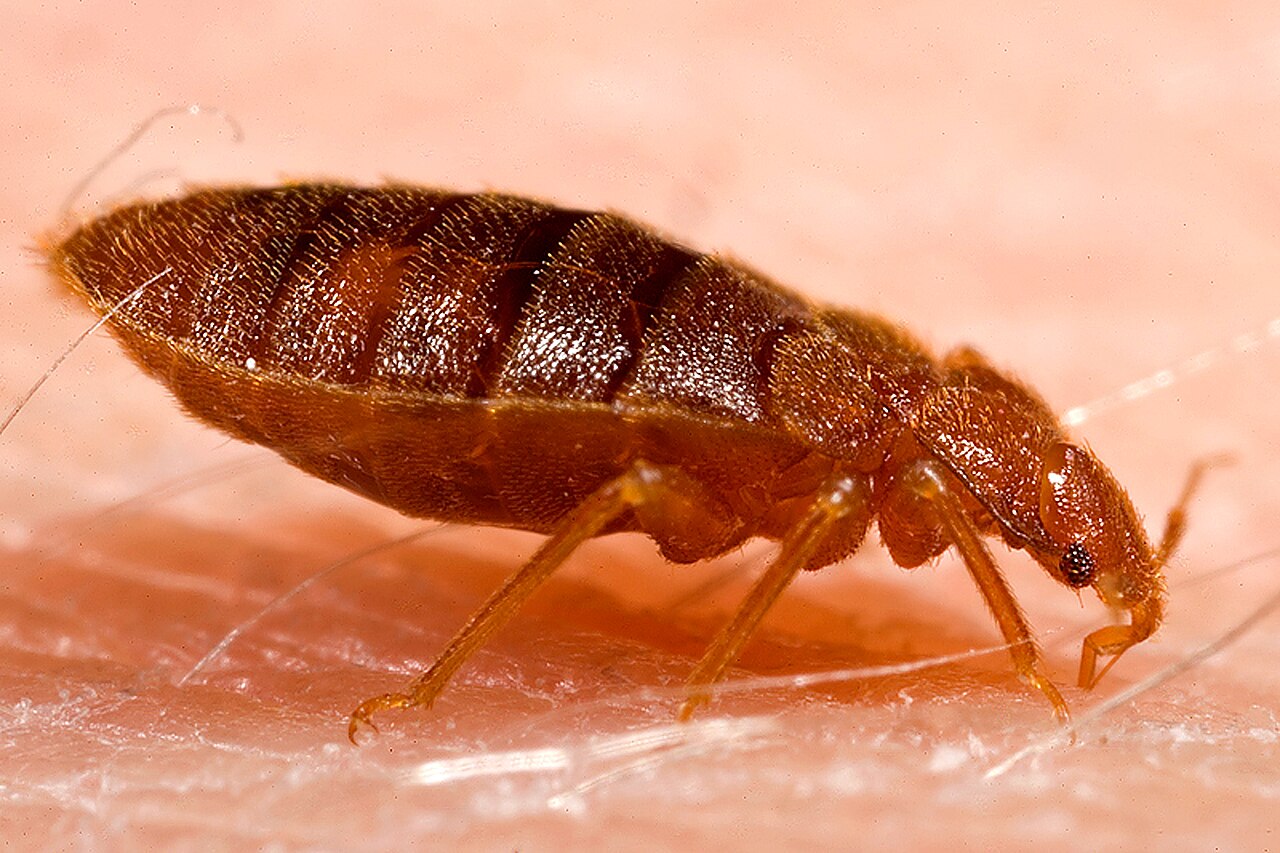
The fastest way to tell a bed bug from a baby cockroach is to look at the antennae and the speed. Bed bugs have short antennae, a flat oval body shaped like an apple seed, and they move slowly. Cockroach nymphs have long antennae often as long as the body, a more elongated shape, and they run fast and scatter when a light comes on.
Getting this right matters more than most identification questions, because the two pests require completely different treatment. Bed bug control means heat, mattress encasements, and usually a professional. Cockroach control means gel bait, sanitation, and moisture reduction. Applying one approach to the other wastes months. This guide covers the differences you can actually check, where each one lives, the evidence they leave behind, and what else it might be if neither fits.
| Feature | Bed Bug | Cockroach Nymph |
|---|---|---|
| Body shape | Flat, broad oval like an apple seed | Elongated oval, more cylindrical |
| Antennae | Short, about a third of body length | Long, often as long as the body |
| Movement | Slow crawl | Fast, scatters from light |
| Markings | Uniform reddish-brown | Often two dark stripes behind the head |
| Where found | Mattress seams, bed frame, headboard | Kitchen, bathroom, near warmth and water |
| Bites people | Yes | Essentially never |
Bed Bug or Baby Cockroach? The Fast Answer
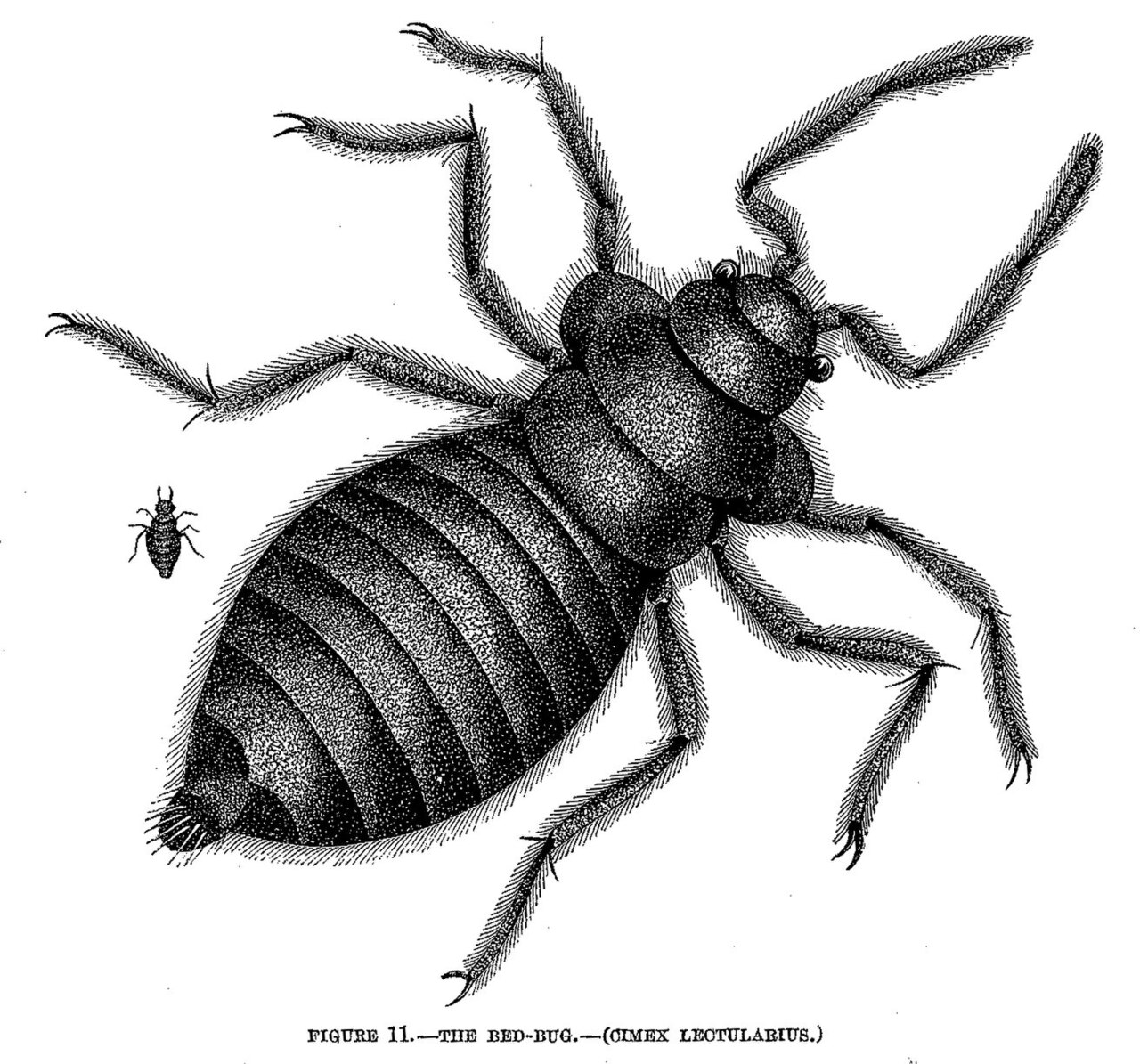
Start with the antennae, because it is the one feature visible without magnification. A bed bug’s antennae are short and stubby, roughly a third of the body length, and they are held forward but do not extend far. A cockroach nymph’s antennae are long, thin, constantly moving, and often as long as the entire body.
Then watch the movement. Bed bugs crawl slowly and deliberately, and a disturbed bed bug tends to keep crawling rather than bolting. Cockroach nymphs are built for speed and scatter for cover the instant a light goes on, which is the behavior most people notice first when they flip a kitchen switch at night.
Finally check the outline. A bed bug is flat and broad, wider relative to its length, and after feeding it swells and darkens, changing shape noticeably. A cockroach nymph is more elongated and keeps the same proportions as it grows through its molts.
What a Bed Bug Looks Like
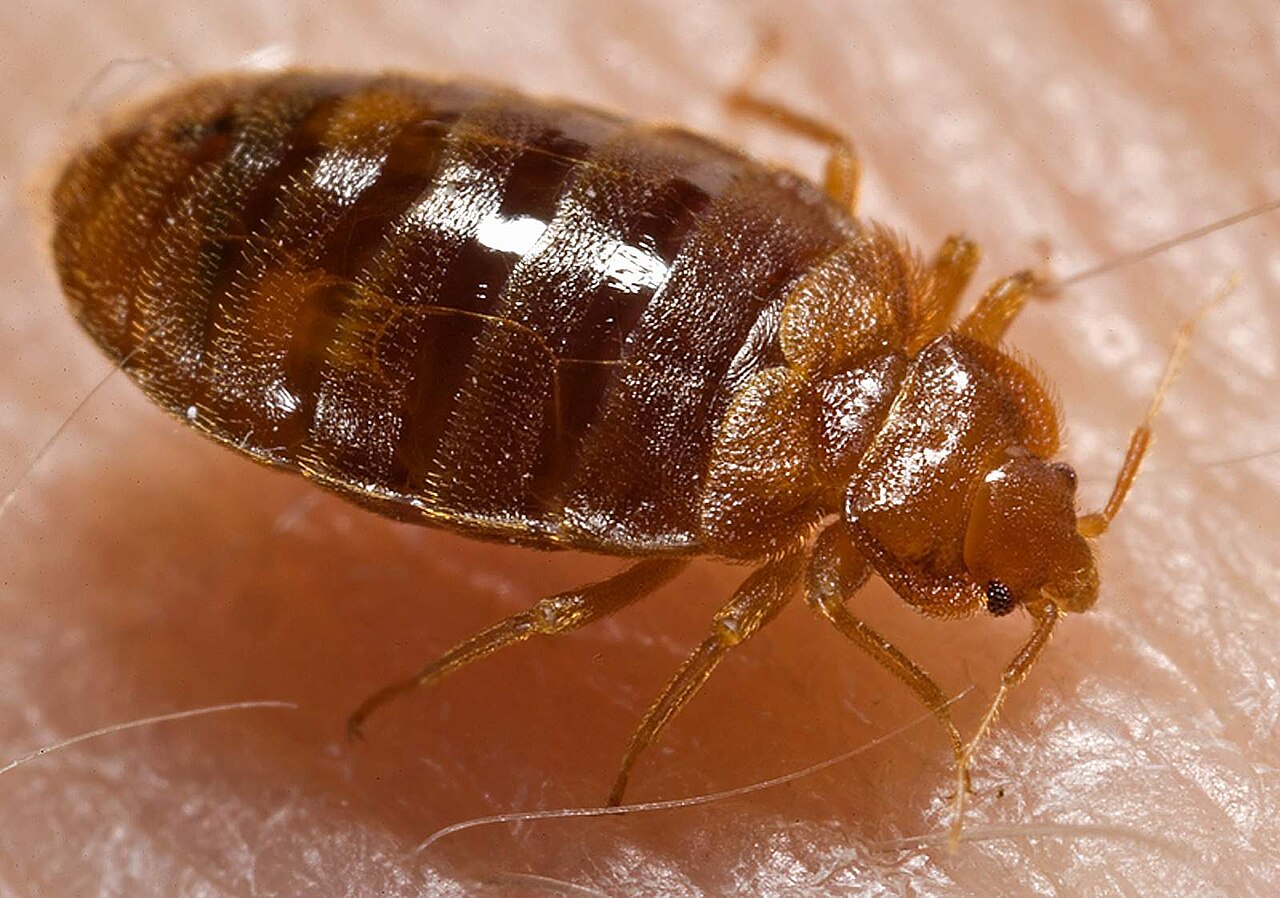
Adult bed bugs are about 0.2 in long, roughly the size and shape of an apple seed, flat when unfed, and a uniform reddish-brown. After feeding they swell into a rounder, darker, more elongated shape and become noticeably redder, which is why two bed bugs from the same room can look like different insects.
Nymphs pass through five stages and are smaller and paler, with the earliest stage barely 0.06 in and nearly translucent. A recently fed nymph shows a visible dark red spot through the body wall, which is blood in the gut and is one of the more useful identifying details.
They have no functional wings. Bed bugs have vestigial wing pads and cannot fly or jump, which distinguishes them from fleas and from most other small household insects. They also give off a sweet musty odor in heavy infestations, sometimes described as coriander, which experienced inspectors detect before seeing insects.
What a Baby Cockroach Looks Like
German cockroach nymphs are the ones most commonly confused with bed bugs, since they are the dominant indoor species in most of North America. They are dark brown to nearly black when young, becoming lighter tan with age, and they carry two distinct parallel dark stripes running lengthwise on the shield behind the head.
Those stripes are the single most reliable cockroach marker. Bed bugs never have them, and once you know to look for two dark parallel lines on the pronotum, most cases resolve immediately even at small sizes.
Nymphs lack wings, which is why adults are easier to identify than young. They pass through six or seven molts over roughly two months before reaching adulthood, and they leave pale shed skins behind at each stage. American cockroach nymphs, larger and reddish-brown, and Oriental cockroach nymphs, shiny and dark, are less often mistaken for bed bugs because of size and habitat.
Where You Find Each One
Location is nearly diagnostic on its own. Bed bugs stay close to where people sleep, because that is their only food source. They hide in mattress seams and tags, box spring corners, bed frame joints, headboard crevices, nightstands, and the seams of upholstered furniture near a bed, and they rarely travel far from that zone.
Cockroaches concentrate around food, warmth, and moisture. German cockroaches favor kitchens and bathrooms, hiding behind and under refrigerators and stoves, inside cabinet corners, around dishwashers and sinks, in the motor housings of appliances, and behind loose wallpaper.
Overlap is possible but uncommon. An insect found in a kitchen cabinet is almost certainly a cockroach nymph, and one found in a mattress seam is almost certainly a bed bug. When you cannot tell, where you found it usually settles it, and finding several in both locations suggests two separate problems rather than one.
The Evidence They Leave Behind
Bed bugs leave a distinctive set of signs. Small dark spots on sheets and mattress seams are digested blood and smear reddish-brown when wiped with a damp cloth. Small rust-colored blood smears appear on bedding where a fed bug was crushed. Pale translucent shed skins accumulate in harborage areas, and in heavy infestations tiny white eggs about 0.04 in appear glued into crevices.
Cockroach evidence looks different. Droppings resemble ground black pepper or coffee grounds for German cockroaches and small dark cylinders with ridged sides for larger species, and they accumulate in corners, along cabinet edges, and inside drawers. Egg cases, called oothecae, are brown capsule-shaped structures about 0.3 in that are unmistakable once seen.
Smell differs too. Bed bug infestations smell sweet and musty, while heavy cockroach infestations produce a distinctly oily, musty odor that many people describe as unpleasant in a different register. Neither smell appears until populations are substantial.
One Bites, the Other Does Not
Bed bugs feed exclusively on blood and bite people at night, typically leaving itchy welts in lines or clusters on skin exposed while sleeping, meaning arms, shoulders, neck, and face. Reactions vary enormously, and a significant proportion of people show no visible marks at all, which is why bites alone never confirm or rule out an infestation.
Cockroaches essentially never bite. Documented cases exist in extreme infestations where food was unavailable, but they are vanishingly rare, and skin irritation attributed to roaches is usually an allergic response to their droppings and shed skins rather than to bites.
That allergic dimension is the real cockroach health concern. Cockroach allergens are a well-documented asthma trigger, particularly in children, and the CDC (cdc.gov) lists them among the significant indoor allergen sources. Roaches also mechanically carry bacteria including Salmonella across kitchen surfaces, a route our guide to getting rid of gnats describes for another kitchen insect. Bed bugs, by contrast, are not known to transmit disease to humans despite feeding on blood. Our guide to bed bug bites covers what the bites look like and how to treat them.
Why Getting It Right Matters
The treatments share almost nothing. Bed bug control relies on heat treatment, targeted residual applications, mattress and box spring encasements, laundering at high temperature, and repeated follow-up, and successful treatment usually requires a professional because the insects hide in inaccessible crevices and survive months without feeding.
Cockroach control runs on gel baits placed in harborage areas, insect growth regulators, sanitation that removes food and water sources, and sealing entry points and hiding places. Baits work because cockroaches feed and then contaminate others through droppings and contact, a transfer effect that has no equivalent in bed bug control.
Applying the wrong method fails completely. Gel bait does nothing to bed bugs, which only feed on blood. Spraying a mattress with cockroach product accomplishes nothing and creates an exposure risk where you sleep. Heat treating a kitchen does not touch a roach population living in wall voids. Weeks of the wrong approach let either population double repeatedly, which is why identification comes before anything else.
What Else It Could Be
Several other small insects get mistaken for both. Carpet beetle larvae are hairy, bristly, and elongated, and they cause skin irritation that people frequently attribute to bed bug bites, which our guide to carpet beetle bites addresses in detail.
Bat bugs are close relatives of bed bugs and nearly identical to the naked eye, distinguished only by longer hairs on the pronotum under magnification. They indicate bats roosting in the structure rather than a bed bug infestation, and treating the bugs without addressing the bats accomplishes nothing.
Spider beetles are rounded and shiny with long legs and are often mistaken for engorged bed bugs, booklice are pale and tiny and indicate damp conditions, and fleas jump, which neither bed bugs nor cockroach nymphs can do. When identification is uncertain, capture the insect in a sealed container or on clear tape and take it to a pest professional or a state extension office rather than guessing. Getting the species right before spending money is the same lesson that runs through our guides to getting rid of fruit flies and the black beetle.
Related reading: Tick vs Bed Bug.
Related reading: Bed Bug Poop.
Related reading: Bed Bug Shells.
Frequently Asked Questions
How do I tell a bed bug from a baby cockroach?
Check the antennae and the speed. Bed bugs have short antennae about a third of body length and crawl slowly, while cockroach nymphs have antennae nearly as long as the body and run fast. Cockroach nymphs also have two dark parallel stripes behind the head, which bed bugs never have.
What does a baby cockroach look like?
German cockroach nymphs are dark brown to nearly black, elongated, wingless, and carry two distinct parallel dark stripes on the shield behind the head. They pass through six or seven molts over about two months, leaving pale shed skins behind.
Do cockroaches bite like bed bugs?
Essentially never. Documented cockroach bites exist only in extreme infestations, and skin irritation blamed on roaches is usually an allergic reaction to their droppings and shed skins. Bed bugs feed on blood nightly and do bite, though many people show no visible marks.
Where do bed bugs hide compared with cockroaches?
Bed bugs stay near sleeping areas, in mattress seams, box spring corners, bed frames, headboards, and nearby upholstery. Cockroaches concentrate in kitchens and bathrooms, behind appliances, in cabinet corners, and around sinks, wherever there is food, warmth, and moisture.
What do their droppings look like?
Bed bugs leave small dark spots that smear reddish-brown when wiped with a damp cloth, plus pale shed skins. German cockroaches leave droppings that look like ground black pepper or coffee grounds, and larger species leave ridged dark cylinders, along with brown capsule-shaped egg cases.
Can I treat both with the same product?
No, and trying wastes months. Bed bugs need heat treatment, encasements, high-temperature laundering, and usually a professional. Cockroaches need gel bait, growth regulators, and sanitation. Gel bait does nothing to bed bugs, since they feed only on blood.
What if it is neither?
Carpet beetle larvae, bat bugs, spider beetles, booklice, and fleas all get confused with both. Fleas jump, which neither bed bugs nor roach nymphs can do. Capture the insect on clear tape or in a sealed container and have a pest professional or extension office identify it.