Bed Bug Bites: What They Look Like & How to Treat
Bed bug bites are small, itchy, reddish welts that typically appear on skin left exposed while you sleep, and they can take anywhere from a few hours up to 14 days to show up after the actual bite, according to guidance published at cdc.gov. That delay, combined with the fact that some people never react visibly at all, is exactly why bites alone are not a reliable way to confirm an infestation. This guide covers what the bites look like, how to tell them apart from other insect bites, how to treat the itching, and when it is worth seeing a doctor.
| Trait | Bed bugs | Fleas | Mosquitoes |
|---|---|---|---|
| Bite pattern | Line or cluster | Random grouping | Scattered, isolated |
| Typical location | Face, neck, arms, hands | Ankles, lower legs | Any exposed skin |
| Onset | Hours to 14 days | Itches almost immediately | Minutes |
| Appearance | Small red, sometimes central dark spot | Small with dark red center | Larger raised welt |
What Bed Bug Bites Look Like
Most bed bug bites appear as small, flat or slightly raised red bumps that itch, sometimes with a slightly darker center. The most useful visual clue is arrangement: because a feeding bed bug is easily interrupted and may bite again nearby, marks frequently show up in a line, a zigzag, or a tight cluster rather than as a single isolated spot. Reactions differ enormously between people. Some develop obvious itchy welts, others show only a faint mark, and a portion of people react so mildly they never notice any mark at all, according to Cleveland Clinic. That variability means the bite pattern is a clue, not a diagnosis.
Not every itchy rash is a bed bug bite. If your marks are scattered randomly rather than in a line, see our guide to carpet beetle bites, a common look-alike that is actually an allergic reaction, not a bite at all.
Where on the Body Bed Bugs Bite
Bed bugs feed on whatever skin is exposed while you sleep, so bites concentrate on the face, neck, arms, hands, and any part of the body not covered by pajamas. They generally do not bite through tight-fitting fabric. This helps distinguish them from fleas, which target the lower legs and ankles almost exclusively. If new bites are showing up specifically on your upper body overnight, and you have not changed detergent, soap, or bedding, bed bugs move up the list of likely causes.
Bed Bug Bites vs Flea and Mosquito Bites
The three most commonly confused bites do have distinguishing patterns. Flea bites itch almost instantly, cluster tightly around the ankles and lower legs, and often show a dark red central point. Mosquito bites are usually larger, puffier, isolated rather than grouped, and swell within minutes of the bite. Bed bug bites fall in between: they appear on exposed upper-body skin, come in lines or clusters, and are delayed by hours or days rather than minutes. None of these patterns is airtight on its own, which is why confirming the actual pest matters more than analyzing the bite, the same way identifying any household intruder, from a large spider to a swarm of gnats, depends on context rather than the mark alone.
How Long Bed Bug Bites Take to Show Up and Heal
A feeding bed bug injects an anesthetic and an anticoagulant, so the bite itself is completely painless and goes unnoticed at the time. Marks then surface anywhere from a few hours to as long as 14 days later, per CDC guidance, which is a major reason bed bug problems often go undetected for weeks. Most bites clear up entirely within one to two weeks without any specific treatment. The biggest obstacle to healing is scratching, which can break the skin and invite a secondary infection, so most care is really about managing the itch until the bites fade on their own.
How to Treat Bed Bug Bites at Home
The CDC and multiple health systems recommend the same basic approach: keep the area clean by washing gently with soap and water, apply an antiseptic or anti-itch cream, and take an oral antihistamine if itching is disruptive, particularly at night. A cool compress can ease swelling. Most importantly, avoid scratching, since broken skin is what typically leads to infection rather than the bite itself; keeping nails trimmed and covering the area helps, especially for children. This is general comfort care, not a substitute for medical advice if a reaction seems unusual.
What Causes a Bed Bug Infestation in the First Place
Bed bugs do not appear spontaneously; they arrive as hitchhikers. The most common entry points are travel, where bugs move from an infested hotel room into luggage or clothing, and secondhand furniture, mattresses, or boxes brought into the home without inspection. Once established, they spread slowly from room to room through wall voids, electrical outlets, and shared furniture rather than through the air, which is why an infestation often stays concentrated in one bedroom for a while before spreading further, and why a nightstand shared with other small insects around the home is not automatically linked to the same source.
When Bed Bug Bites Need a Doctor
The large majority of bed bug bites resolve on their own, but a few situations warrant medical attention: numerous bites or blistering, signs of secondary infection such as spreading redness, warmth, or pus, or a pronounced allergic reaction with large, painful, swollen welts. On rare occasions, allergic reactions to bed bug bites can escalate to anaphylaxis, with symptoms like difficulty breathing or a swollen tongue, which is a medical emergency requiring immediate care. Outside of these situations, over-the-counter antihistamines and antiseptic creams are typically sufficient.
Confirming Bed Bugs Beyond the Bites
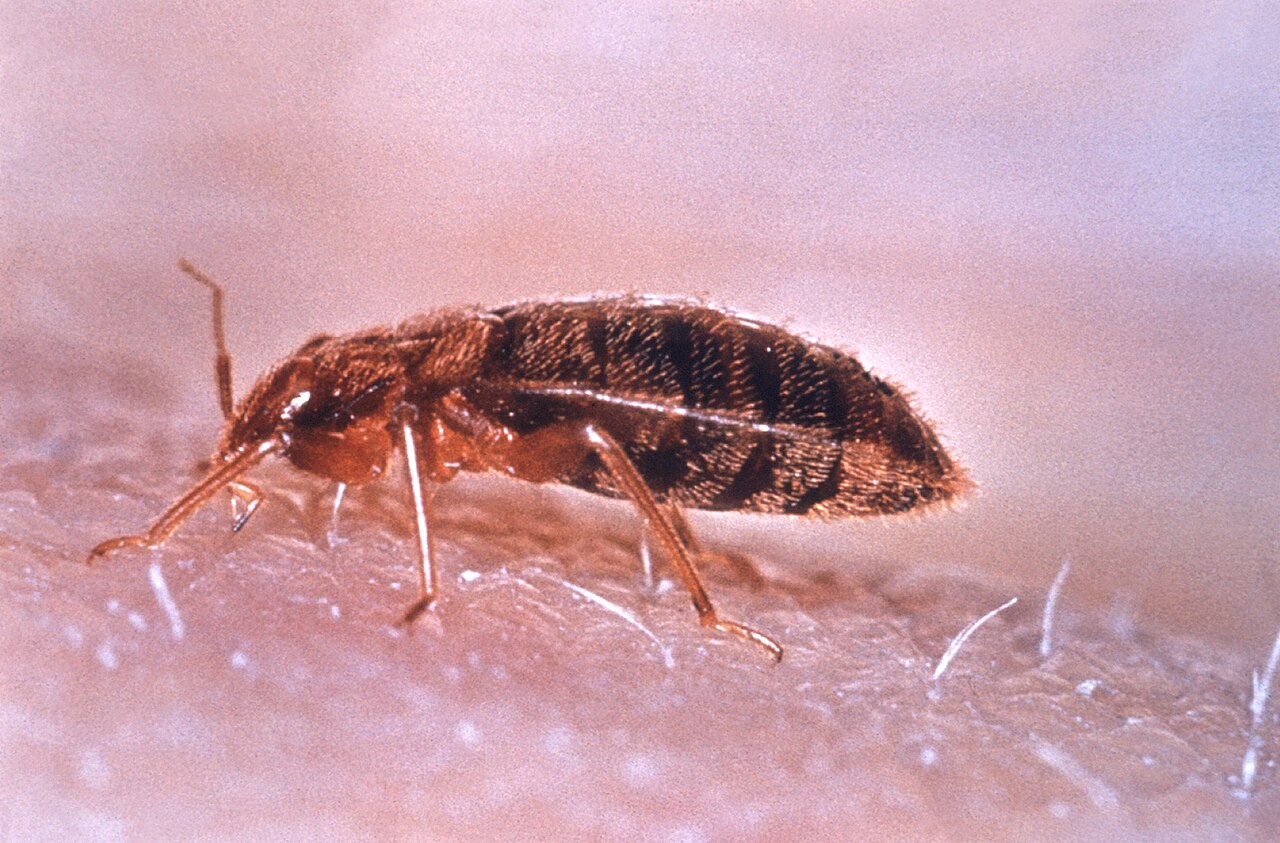
Because bite appearance varies so much between individuals, the reliable way to confirm bed bugs is inspecting where you sleep rather than reading the marks on your skin. Look for rust-colored or dark stains on sheets and mattress seams from crushed bugs or fecal matter, translucent shed skins from molting nymphs, and, in heavier infestations, a sweet, musty odor. The insects themselves are flat, oval, reddish-brown, and roughly the size of an apple seed, typically found within about 8 feet of where people sleep, hiding in seams, cracks, and furniture joints during the day.
What Bed Bugs Look Like
Confirming the insect itself helps confirm the bites. Adult bed bugs are flat, oval, reddish-brown, and wingless, roughly the size and shape of an apple seed at about a quarter inch long, according to state health department descriptions. After feeding, they swell and become more elongated and darker in color. Nymphs, the younger stage, are smaller and pale, sometimes nearly translucent before their first blood meal. Bed bugs cannot fly or jump; they crawl, and by day they hide close to where people sleep, typically within about 8 feet, tucked into mattress seams, box-spring edges, headboard joints, and nearby cracks in furniture or baseboards. Outdoor pest encounters like an unwelcome potato bug indoors are usually far more startling on sight than actually harmful, which is a useful reminder when a new bug turns up unexpectedly.
Do Bed Bug Bites Spread Disease?
No. The CDC states plainly that bed bugs are not known to transmit disease to people, which sets them apart from many other biting pests. The genuine downsides are the itching, the disrupted sleep, the anxiety that can come with an infestation, and the risk of skin infection from scratching. This is worth remembering if bites are also causing distress about safety, since the physical health risk from the bites themselves is low even though the practical nuisance of an infestation is very real.
Other Bites Sometimes Confused With Bed Bugs
Bed bugs are not the only nighttime biters people encounter. Bites from other bugs, including certain species that bite outdoors, can produce similar red, itchy welts, and correctly identifying the source matters for choosing the right response, whether that means changing bedding, checking pets, or calling pest control rather than a dermatologist. If bites appear only outdoors near standing water, mosquitoes are the more likely culprit; if they show up strictly indoors overnight in a line or cluster, bed bugs remain the leading suspect.
Why an Infestation Is Not About Cleanliness
One persistent myth is that bed bugs only show up in dirty homes. According to the CDC, they can be found in five-star hotels as easily as anywhere else, because they are drawn to a source of blood and carbon dioxide, not to clutter or food debris the way many other pests are. Infestations are typically introduced by travel or secondhand furniture rather than by housekeeping habits, and once established, bed bugs are difficult to eliminate without professional pest control, since they hide deep in cracks and can survive for months between meals.
Related reading: Potato Bug.
Related reading: Potato Bug.
Related reading: Potato Bug.
Related reading: Potato Bug.
Related reading: Potato Bug.
Related reading: Potato Bug.
Related reading: how to get rid of gnats.
Related reading: how to get rid of gnats.
Related reading: how to get rid of gnats.
Related reading: how to get rid of gnats.
Related reading: how to get rid of gnats.
Related reading: how to get rid of gnats.
Related reading: how to get rid of gnats.
Related reading: how to get rid of gnats.
Related reading: how to get rid of gnats.
Related reading: Chigger Bites vs Flea Bites.
Related reading: bed bug baby cockroach.
Related reading: Tick vs Bed Bug.
Related reading: Bed Bug Poop.
Related reading: Termite Droppings.
Related reading: Carpet Beetle vs Bed Bug.
Related reading: Bed Bug Shells.
Frequently Asked Questions
What do bed bug bites look like?
Bed bug bites are usually small, flat or raised red bumps that itch, often arranged in a line or cluster since a feeding bug frequently bites more than once nearby. Reactions vary widely, and some people show no visible mark at all.
How long does it take for bed bug bites to appear?
Bites are painless at the time due to an anesthetic in the bug’s saliva, and marks can take anywhere from a few hours up to 14 days to appear, according to the CDC, which is why infestations often go unnoticed for a while.
How can you tell bed bug bites from flea bites?
Flea bites cluster around the ankles and lower legs and itch almost immediately, while bed bug bites appear on exposed upper-body skin in lines or clusters and are delayed by hours or days rather than minutes.
How do you treat bed bug bites?
Wash the area with soap and water, apply an antiseptic or anti-itch cream, and take an oral antihistamine if needed. Avoid scratching to prevent infection. Most bites clear up within one to two weeks without further treatment.
Do bed bugs spread disease through their bites?
No. The CDC states bed bugs are not known to transmit disease to people. The main risks are itching, sleep disruption, and skin infection from scratching, not an infectious illness.
When should I see a doctor for bed bug bites?
See a doctor if you have numerous bites or blisters, signs of infection like spreading redness or pus, or a strong allergic reaction with large painful welts. Difficulty breathing after a bite is a medical emergency.
Does having bed bugs mean my home is dirty?
No. The CDC notes bed bugs can be found in five-star hotels as easily as anywhere else, since they are attracted to blood and carbon dioxide rather than clutter or dirt. Infestations usually arrive through travel or used furniture.