Grasshopper Landing on You: Meaning in 7 Situations
A grasshopper landing on you is read in nearly every folk tradition as a push to move forward, and most often as a lucky one. The insect that jumps ahead and never backward became shorthand for a leap of faith: a decision you have been circling, a move you keep delaying, a risk that is smaller than it looks. Across Native American, biblical, Celtic and East Asian sources, the grasshopper landing on you meaning clusters around the same three ideas, which are forward motion, good fortune and a message that arrived unasked.
None of this is measurable, and the sections below treat it as belief rather than fact. What follows separates the traditions, walks through the situations people actually ask about, and closes with the plain biological reason a grasshopper ends up on your arm in the first place.
In most traditions a grasshopper landing on you is a good omen that signals forward movement, a leap of faith and incoming luck or money. Because grasshoppers jump forward and never backward, folk belief reads the contact as encouragement to commit to a decision you have been postponing rather than as a warning.
What Does It Mean If a Grasshopper Lands on You?
It means take the leap. That is the short answer shared by sources as different as Lakota oral tradition, Victorian English folklore and Chinese agricultural symbolism, and it comes from the animal itself rather than from any single scripture. A grasshopper cannot reverse. Its hind legs fire in one direction, and the insect commits to a landing spot it cannot fully see.
Because of that, people who report a grasshopper landing on them usually read it against a pending decision: a job, a move, an admission, a relationship. The belief is not that the insect knows anything. It is that the contact is unusual enough to work as a prompt, and that the prompt points forward.
The second common reading is luck, specifically luck that is already in motion. In several European and East Asian traditions an insect that chooses to land on a person is carrying something to them rather than taking something away. Grasshoppers in particular, unlike flies or wasps, show up in those traditions as a welcome guest.
| Situation | Common folk reading |
|---|---|
| Lands on you outdoors | Take the leap, a decision is ready |
| Lands on you in the garden | Good harvest, effort about to pay off |
| At a window or screen | News or an opportunity trying to reach you |
| Inside the house | Luck entering the home, often tied to money |
| At night | Pay attention to something you are ignoring |
| Seen repeatedly | A message you have not acted on yet |
| Found dead | A phase has closed, stop waiting on it |
Are Grasshoppers a Good or Bad Omen?
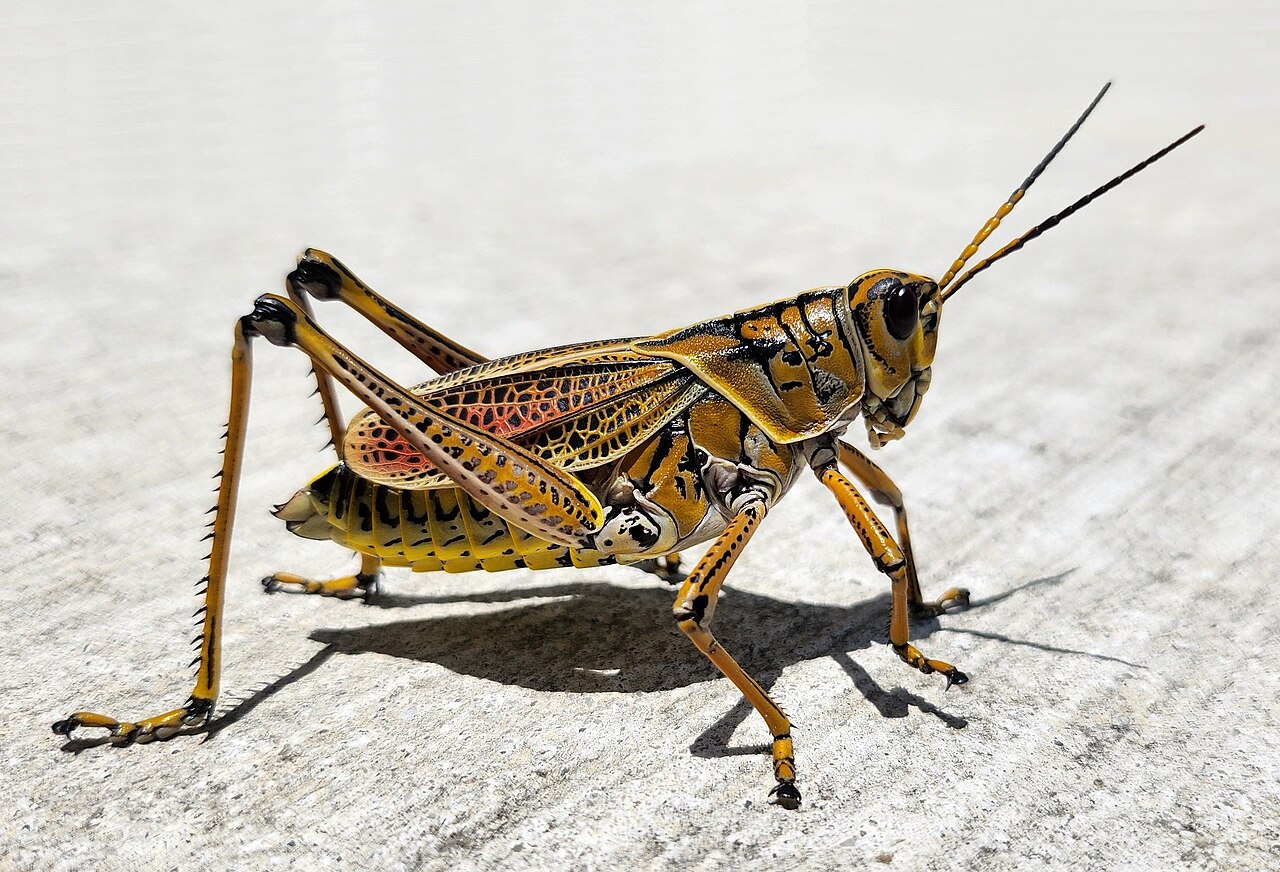
Grasshoppers are a good omen in most traditions and a bad one in exactly one context, which is agriculture under swarm conditions. The split is worth knowing, because it explains why the same insect carries opposite meanings in two places. A single grasshopper in a yard is a visitor. A million grasshoppers in a wheat field are a disaster, and that is the grasshopper of the locust plagues.
So the answer depends on number, not species. People asking whether grasshoppers are a good or bad omen are almost always talking about one insect, and for one insect the folk record is positive: luck, forward motion, patience rewarded, sometimes money. Even in traditions that treat the insect as a trickster, the trickster is teaching rather than punishing.
The grasshopper also has no claim to being frightening, which matters for how omens form. It does not bite, sting or carry disease, so it never picked up the dread attached to the house crickets and grasshoppers people confuse or to spiders and wasps.
What Does Grasshopper Mean Spiritually?

Spiritually, the grasshopper is read as the teacher of the unseen jump, and the three terms people use for it are spirit animal, totem and power animal. Those words come from different systems and are not interchangeable, although modern spiritual writing often blends them. A totem, in the traditions that use the word properly, belongs to a clan or lineage. A spirit animal or power animal, in contemporary usage, is a personal guide.
In all three framings the grasshopper carries the same lesson set: trust the leap, use your ears, and move when the moment opens rather than when you feel ready. The hearing part is literal. Grasshoppers sense vibration through their legs and body, so they register a threat before they can see it, and spiritual writing turns that into advice about listening past the obvious.
Patience is the counterweight. A grasshopper will sit motionless on a stem for a long time, then cover twenty times its body length in one movement. People who claim the grasshopper as a guide tend to read it as permission to wait without calling the waiting failure.
Grasshopper Meaning in Native American Traditions
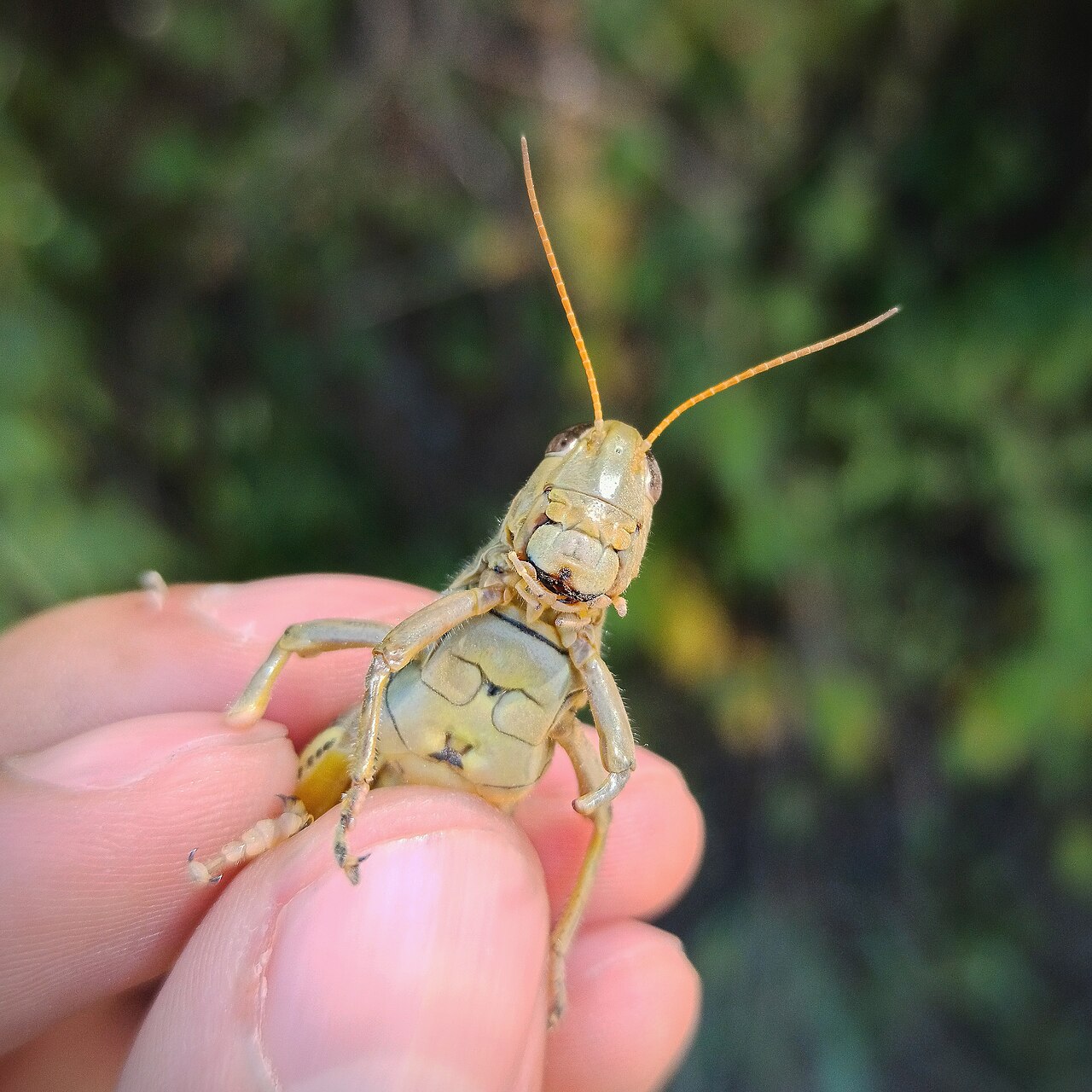
Several Native nations treat the grasshopper as a messenger rather than a symbol. In Lakota tradition the insect is associated with the arrival of news and with listening, and grasshopper figures appear in Hopi and Zuni material as both a music maker and a trickster who talks too much. Those readings are specific to their nations, and pan-Indian summaries that flatten them into one meaning are not reliable.
Celtic and European Folklore
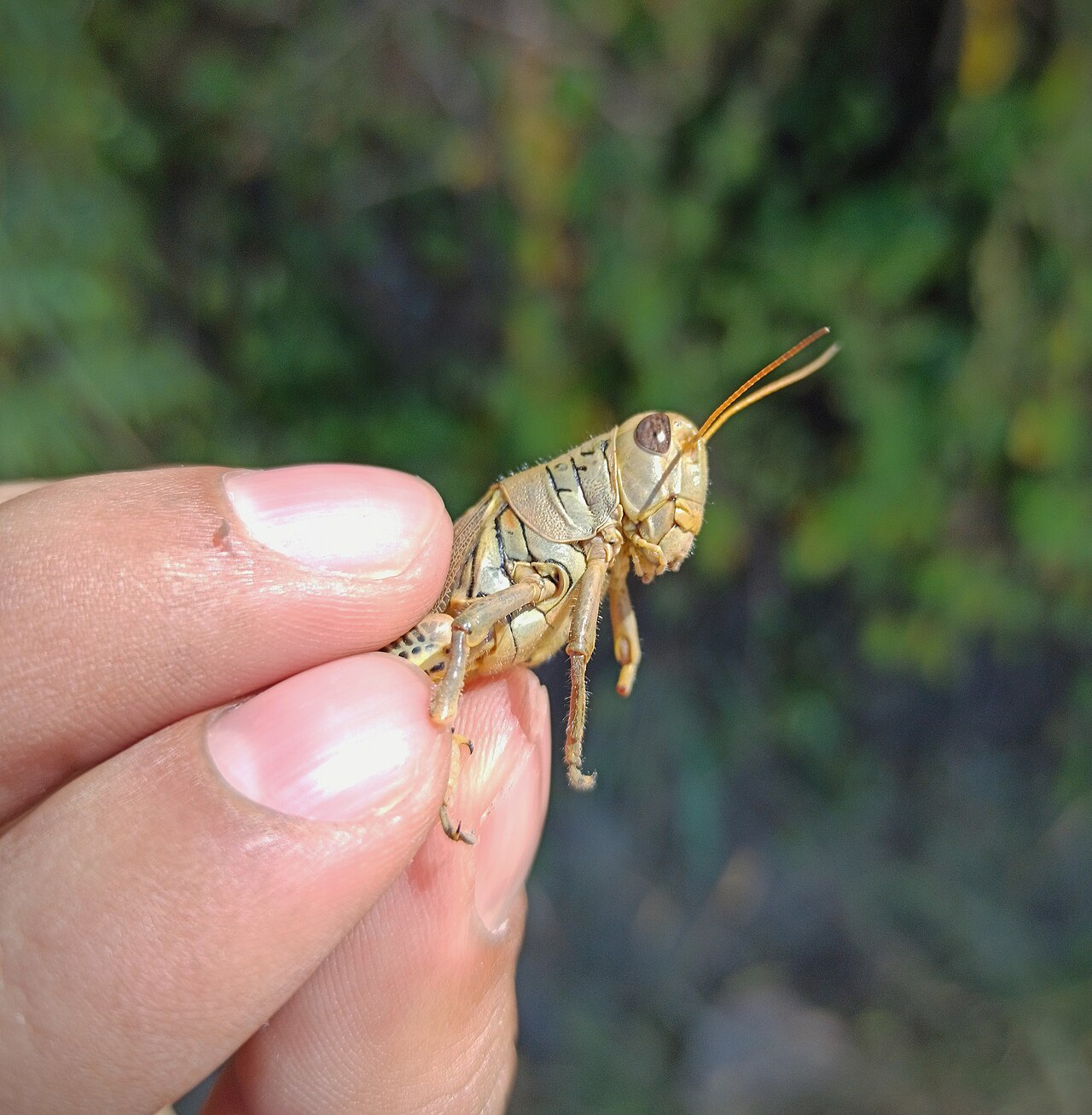
Celtic sources link the grasshopper and cricket to the hearth and to luck that stays with a household. In Victorian England a grasshopper or cricket entering the home was welcome, and killing one was thought to invite the opposite. Greek tradition went further and treated the singing insect as a mark of the poet, which is why the grasshopper appears on Athenian jewelry.
East Asian Beliefs: Luck and the Harvest
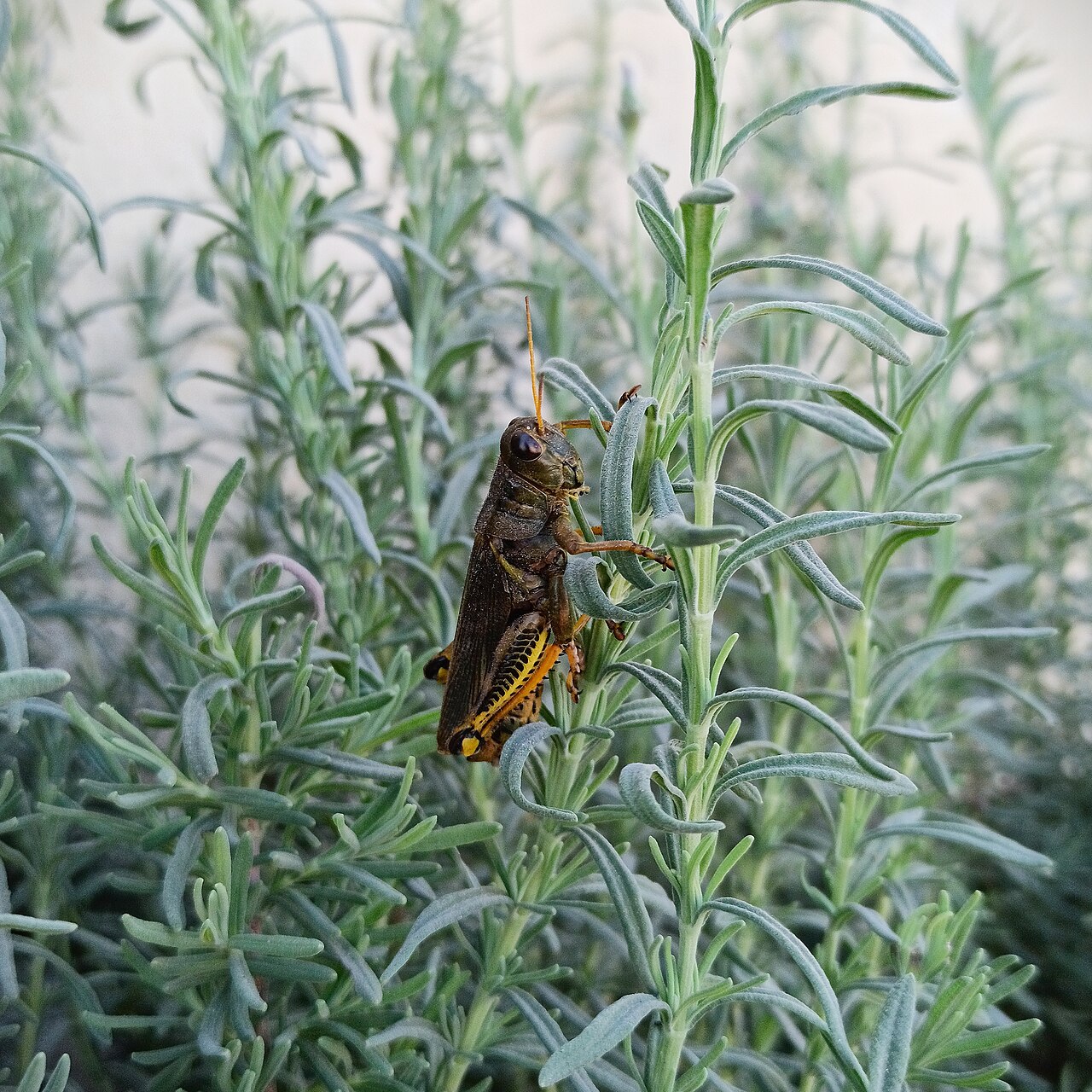
In Chinese tradition the grasshopper stands for abundance, numerous offspring and a good harvest, and it was kept in small cages as a living good luck charm. Japanese sources read the autumn singer as a marker of the season and of impermanence. In both, the insect is tied to agriculture and therefore to prosperity.
What Does the Bible Say About the Grasshopper?
The Bible says two things about the grasshopper, and they pull in opposite directions. Numbers 13:33 uses it as a measure of smallness, with the spies reporting that they seemed as grasshoppers in their own sight. Isaiah 40:22 repeats that image for humanity before God. Those passages are about scale and humility, not luck.
The second line is practical. Leviticus 11:22 lists the locust and the grasshopper among the few insects that may be eaten, which is why John the Baptist’s diet of locusts reads as lawful rather than desperate. Proverbs 30:27 adds a third note, praising the locusts that advance in ranks without a king, which later writers read as a lesson in ordered effort.
What the Bible does not do is call a grasshopper landing on you a sign. Readers who want a Christian framing usually land on the humility reading: a reminder that the scale of a problem looks different from above than it does from inside it.
Does Grasshopper Mean Money?
Yes, in the East Asian and European strands the grasshopper is tied to money, although the connection runs through harvest rather than cash. A good grasshopper year in those traditions meant a warm, long season, and a warm season meant full granaries. The insect became a stand in for the result.
Modern spiritual writing shortens that to prosperity and sometimes to an unexpected payment. Among people who keep this belief, a grasshopper indoors is the strongest version of the sign, because the luck has crossed the threshold rather than passed by outside. Green insects get read as the money color most often, which is a modern association rather than an old one.
A Grasshopper in Your Garden or on Your Porch
A grasshopper in the garden is the most agricultural of all the readings, and folk belief ties it directly to whether your work will pay. In the harvest traditions it marks a season going well. Gardeners, who watch the same insect strip a bean row, tend to read it less warmly, and both readings have been recorded side by side in the same regions.
Porches and patios produce the contact version of the sign, because a warm concrete or wooden surface is exactly where a grasshopper will sun itself in late summer. People sitting still on those surfaces get landed on. The traditional reading is that effort already underway is close to its result, so the advice attached to it is to finish rather than start.
If the garden sightings keep climbing through August and September, you are watching a population peak rather than a sign. Birds notice it too, and the birds that hunt grasshoppers concentrate in the same weeks.
A Grasshopper at Your Window or Inside the House
A grasshopper at a window is read as news trying to reach you, and one inside the house as luck that has already arrived. The window version is the gentler of the two, usually framed as an opportunity you have noticed but not opened. Screens make this common in practice, because a lit window at dusk draws insects that then sit on the mesh for hours.
Indoors the European and Chinese traditions agree that the insect should be let out rather than killed, and the Victorian version is explicit that harming it reverses the luck. That belief is useful regardless of whether you hold it, since a grasshopper indoors will dry out within a day or two and has nothing to eat.
What actually brought it in is an open door, a gap under a screen or a plant carried inside. Grasshoppers are not drawn to houses and do not breed in them.
A Grasshopper Landing on You at Night
A grasshopper landing on you at night is read as the urgent form of the message, the version that says you are ignoring something you already know. Darkness intensifies omens in most folk systems, and an insect that finds you anyway is treated as persistent rather than accidental.
Some traditions add a second layer about dreams and intuition, on the reasoning that what reaches you at night belongs to the part of the mind that is not arguing. The practical advice attached is the same as the daytime reading, which is to name the decision you are avoiding and set a date for it.
The ordinary explanation is light. Porch bulbs, headlamps and lit windows pull in night active katydids and some grasshoppers, and anyone standing in that light becomes a landing surface. Many of the insects people meet this way at night are katydids rather than true grasshoppers.
Seeing Grasshoppers Repeatedly: When a Grasshopper Is Trying to Tell You Something
When a grasshopper is trying to tell you something, the traditional marker is repetition rather than a single landing. One insect is a coincidence in most systems. Three sightings in a week, or the same insect returning to the same spot, is where the folk reading turns into a message, and the message is read as something you were told once and did not act on.
What message are grasshoppers trying to send, in that framing? Almost always the same one: move. The variations cover which part of the move you are stuck on, with repeated indoor sightings pointing at money or home and repeated outdoor sightings pointing at work and direction.
The honest counterweight is seasonal. Grasshopper numbers rise through summer and peak in late August and September, so repeated sightings in those weeks say more about the calendar than about you. Repeated sightings in April or November are genuinely unusual in most of the country.
Finding a Dead Grasshopper, or Seeing One in a Dream
A dead grasshopper is read as a closed chapter, not as bad luck. The specific framing in most sources is that something you were waiting on is finished, and the advice is to stop holding the position. A few modern writers read it as a missed opportunity, which is the harsher version of the same idea.
Grasshoppers in dreams follow the waking symbolism closely. A jumping grasshopper is read as a decision ready to be made, a swarm as feeling overrun by small demands, and a grasshopper landing on the dreamer as the same leap of faith prompt. Dream readings are the least standardized part of this material, and two sources will often disagree.
Dead grasshoppers on paths and pavement in autumn are a normal end of season event. Most species in the United States live a single summer, lay eggs and die with the first hard frost.
Green, Brown, and Black Grasshopper Meanings
Color readings are modern additions, and they are consistent enough to list. A green grasshopper is read as growth, new money and healthy forward motion, which makes it the most favorable version of the sign. A brown grasshopper is read as grounding, patience and practical work, and a black grasshopper as a warning or a harder transition.
Biologically the colors mean something different. Many grasshoppers match their habitat, with the same species appearing green in irrigated grass and brown in dry stubble, and some change between moults. The eastern lubber, Romalea microptera, is black with yellow and red as a nymph and turns pale as an adult, so a single insect can carry two opposite folk meanings in one summer.
If you want the species level detail behind the common green grasshoppers, color is a poor identification key on its own and body shape and wing length matter more.
Why Do Grasshoppers Suddenly Appear?
Grasshoppers suddenly appear because of weather, specifically a warm dry spring following a warm dry autumn. Eggs laid in soil the previous year hatch over a few weeks, and a dry spring suppresses the fungal diseases that normally kill a large share of the nymphs. The result is a visible jump in numbers that feels sudden but was set in motion months earlier.
Numbers also concentrate rather than only grow. As roadside grass and unirrigated pasture dry out in July and August, grasshoppers move to whatever is still green, which is usually a lawn, a garden or an irrigated field. The United States Department of Agriculture tracks these outbreaks in the western rangeland states, where the cycle is sharpest.
Appetite rises with the count, and a dense population will clear foliage quickly. The detail of what grasshoppers eat explains why some gardens get hit and neighbouring ones do not, and the broader folk record sits in grasshopper symbolism. For a close comparison, a praying mantis landing on you carries a noticeably different set of meanings.
Frequently Asked Questions
What does it mean if a grasshopper lands on you?
In most folk traditions it means take the leap, because grasshoppers jump forward and never backward. The contact is read as encouragement to commit to a pending decision, and in European and East Asian strands it also signals luck or money arriving. It is treated as a good omen rather than a warning.
Grasshopper landing on you meaning love: is there one?
The love reading is a modern addition and is not strong in older sources. Where it appears, a grasshopper landing on you is taken as a prompt to say the thing you have been holding back, or to make the first move. It is the same leap of faith idea applied to a relationship.
Are grasshoppers a good or bad omen?
A single grasshopper is a good omen in almost every tradition that records it, standing for luck, harvest and forward motion. The negative version applies only to swarms, which destroy crops and feed the locust imagery in the Bible. Number decides the meaning, not the species.
What does grasshopper mean spiritually?
Spiritually the grasshopper means the unseen jump: move before you can see the landing, and listen for what you cannot see yet. Writers using the terms spirit animal, totem or power animal all land on that pairing of bold movement and patient waiting, drawn from how the insect actually behaves.
Does grasshopper mean money?
Yes in the Chinese and European harvest traditions, where the insect marks abundance and full granaries rather than cash. Modern readings shorten this to prosperity or an unexpected payment, and treat a grasshopper indoors as the strongest form of the sign. Green insects pick up the money association most often.
Is a grasshopper landing on you dangerous?
No. Grasshoppers do not sting, carry no disease relevant to people, and only pinch weakly if squeezed. Some species spit a brown defensive fluid that stains but is harmless. The main risk is to the insect, since a grabbed grasshopper can lose a hind leg.
Explore more: Insect Spiritual Meanings: 15 Bugs and What They Signal