Grasshopper Symbolism: What It Means When One Crosses Your Path
Seeing a grasshopper is traditionally read as a sign to take a leap of faith, because a grasshopper only moves forward and never backward. Across folk traditions in North America, Europe and East Asia, the insect carries the same cluster of meanings: forward motion, good fortune, abundance and a nudge to stop hesitating. That consistency is unusual for an insect omen, and it is why grasshopper sightings are so often treated as encouragement rather than warning.
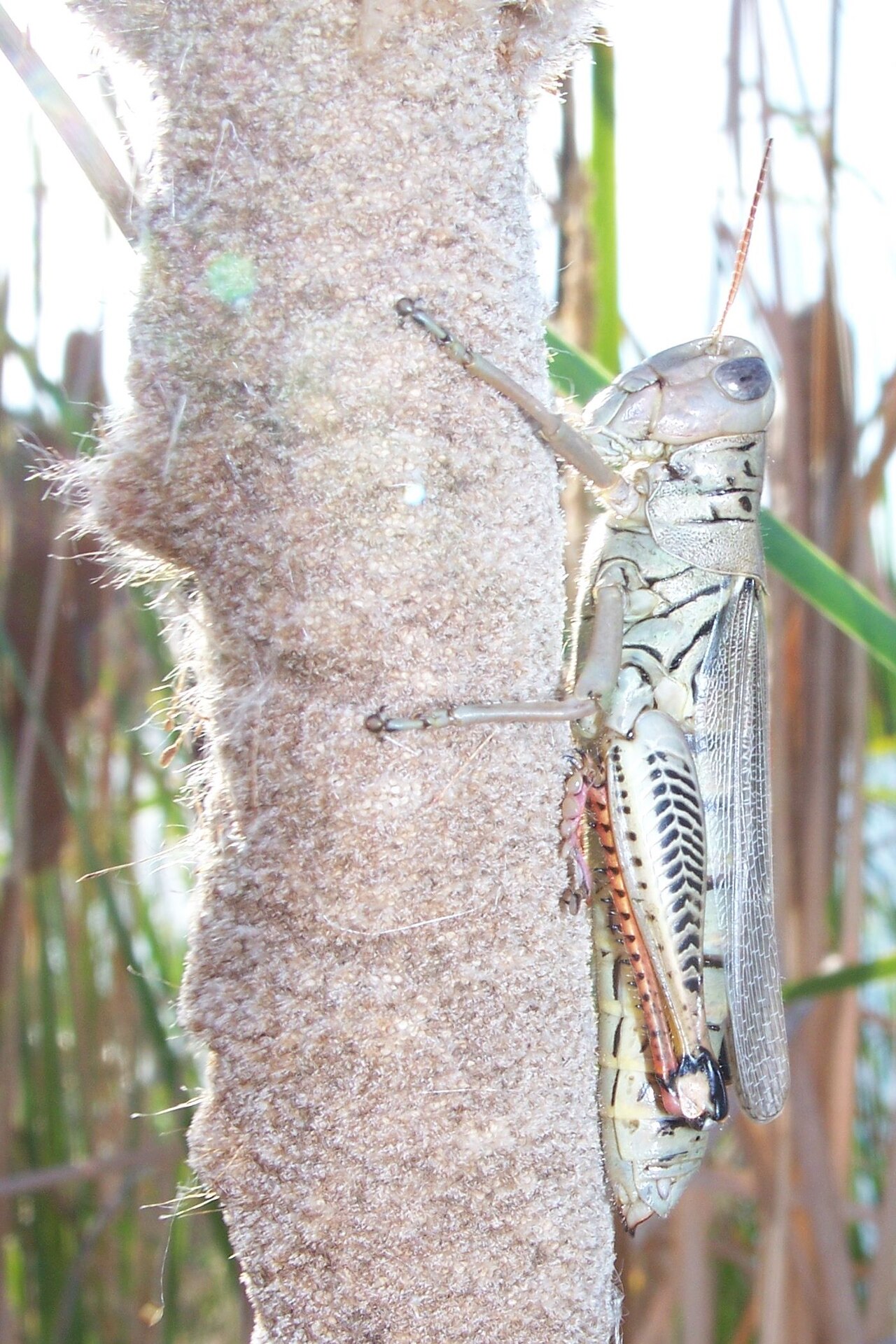
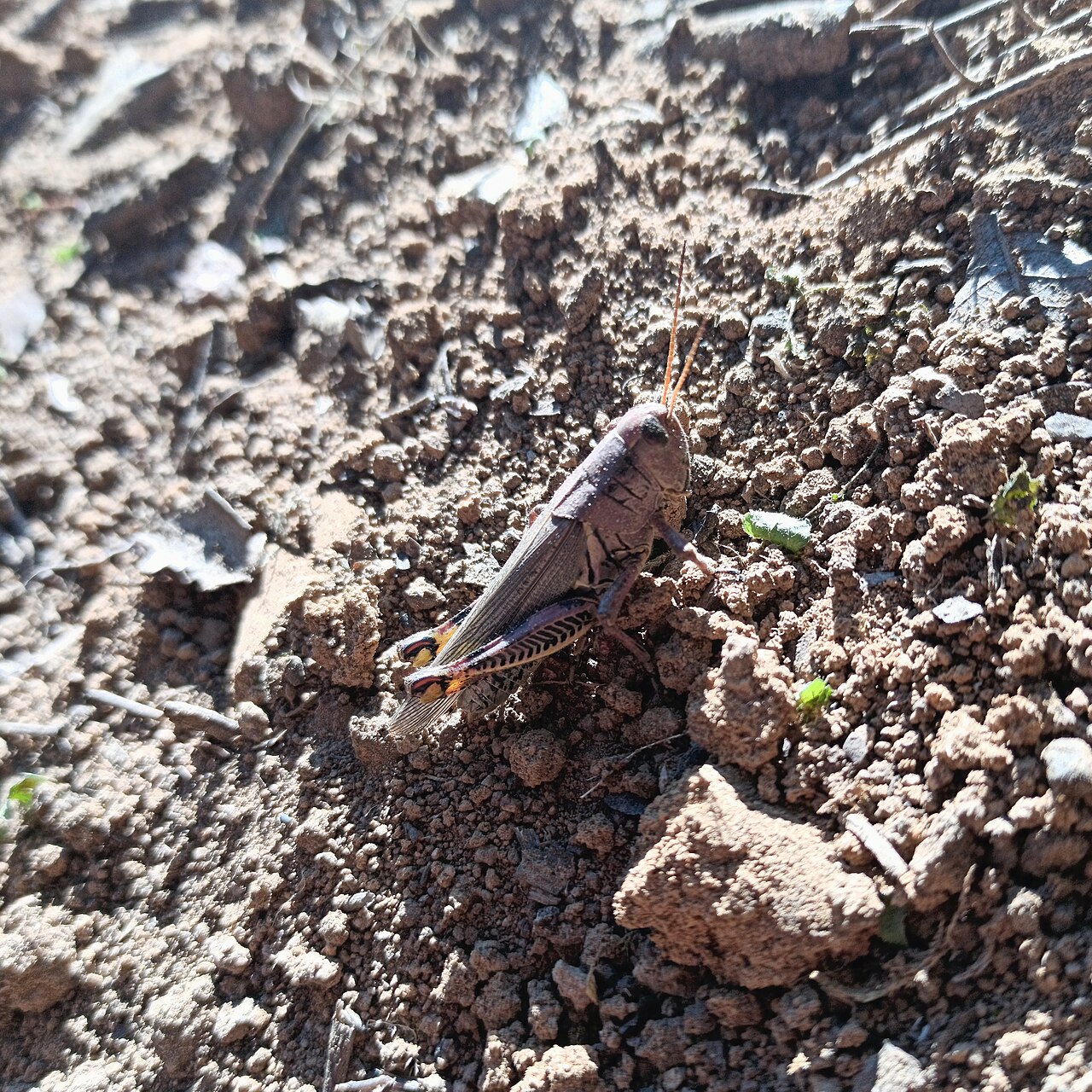
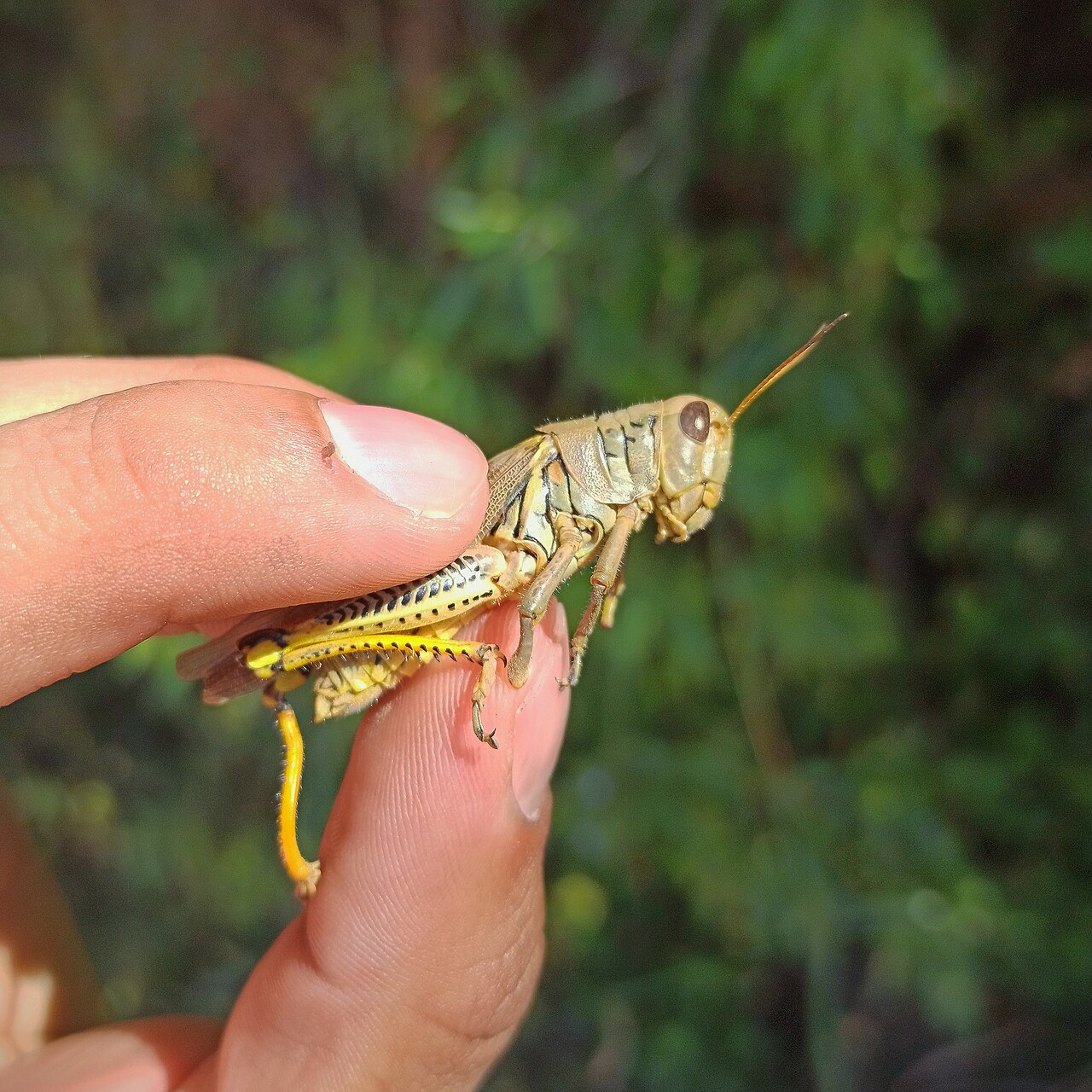
The grasshopper people in the United States actually meet is usually a differential grasshopper (Melanoplus differentialis) or an eastern lubber (Romalea microptera), both common in yards and field edges from midsummer into fall. Knowing the biology does not cancel the symbolism, but it does explain why sightings cluster in certain weeks. Below, each tradition is kept separate, and each situation, from a grasshopper in your path to a dead one on the porch, gets its own reading.
A grasshopper symbolizes a forward leap, good luck and unexpected abundance. Because the insect cannot jump backward, folk traditions treat a sighting as a signal to commit to a decision you have been delaying. Green grasshoppers are linked to growth and money, brown ones to patience, and a grasshopper indoors is widely considered a visitor bringing fortune.
| Where you see it | Traditional meaning |
|---|---|
| In your path | A decision is ready; move forward without looking back |
| In the garden | Abundance, a productive season, fertility of plans |
| On a window or screen | News or an opportunity arriving from outside your circle |
| Inside the house | Luck entering the home, often tied to money in Chinese belief |
| Landing on you | A personal message; the leap is yours, not someone else’s |
| Found dead | A cycle has closed; stop waiting on something that ended |
| In a dream | Freedom, restlessness, or a jump you are rehearsing in your mind |
What Does Seeing a Grasshopper Symbolize?
Seeing a grasshopper symbolizes a leap forward, and the symbolism comes straight from the insect’s body. A grasshopper’s hind legs are built for one thing, launching it away from danger, and it has no mechanism for reversing. Folk readings turned that anatomy into a lesson about commitment: you can hesitate before the jump, but once you are airborne, the direction is set.
The second layer of meaning is abundance. Grasshoppers appear in numbers when vegetation is lush, so their presence historically coincided with good growing conditions. In agricultural communities, a few grasshoppers in the grass signaled a healthy field, while a swarm signaled the opposite, which is why the same insect can read as fortune or famine depending on quantity.
A third layer is sound. The chirping of grasshoppers and their relatives marks high summer, and in several traditions that song is treated as a reminder to speak up or to listen more carefully to your own intuition. If you track symbolic sightings more broadly, the same attention to voice shows up in bird symbolism, where song carries the message rather than the body.
Is a Grasshopper a Good Omen?
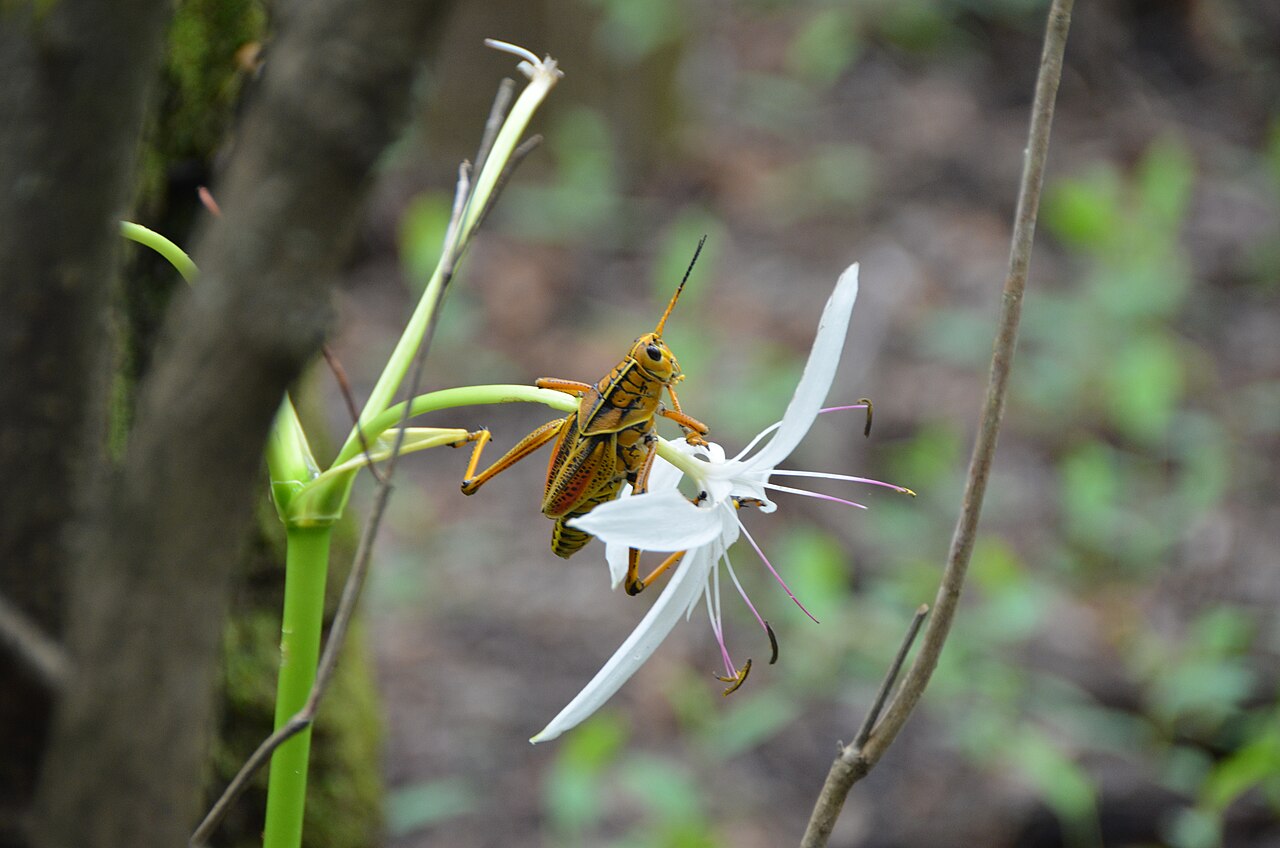
A grasshopper is a good omen in nearly every tradition that mentions it. Chinese folk belief treats the insect as a bringer of luck and prosperity, European folklore links it to nobility and good cheer, and Native American traditions generally frame it as a sign of right timing. There is no widespread tradition in which a single grasshopper predicts misfortune.
The exception is scale. Biblical and Near Eastern texts use locusts, which are swarming grasshoppers, as an image of devastation, and that association bleeds into the insect’s reputation. The distinction folk belief draws is practical: one grasshopper is a messenger, a cloud of them is a plague. If you are reading a single sighting, you are reading the messenger.
Timing matters too. Many traditions hold that an omen strengthens when the sighting is unexpected, such as a grasshopper indoors in late fall when the population should have died back. Out of season sightings get read as emphatic rather than ominous.
What Message Are Grasshoppers Trying to Send?
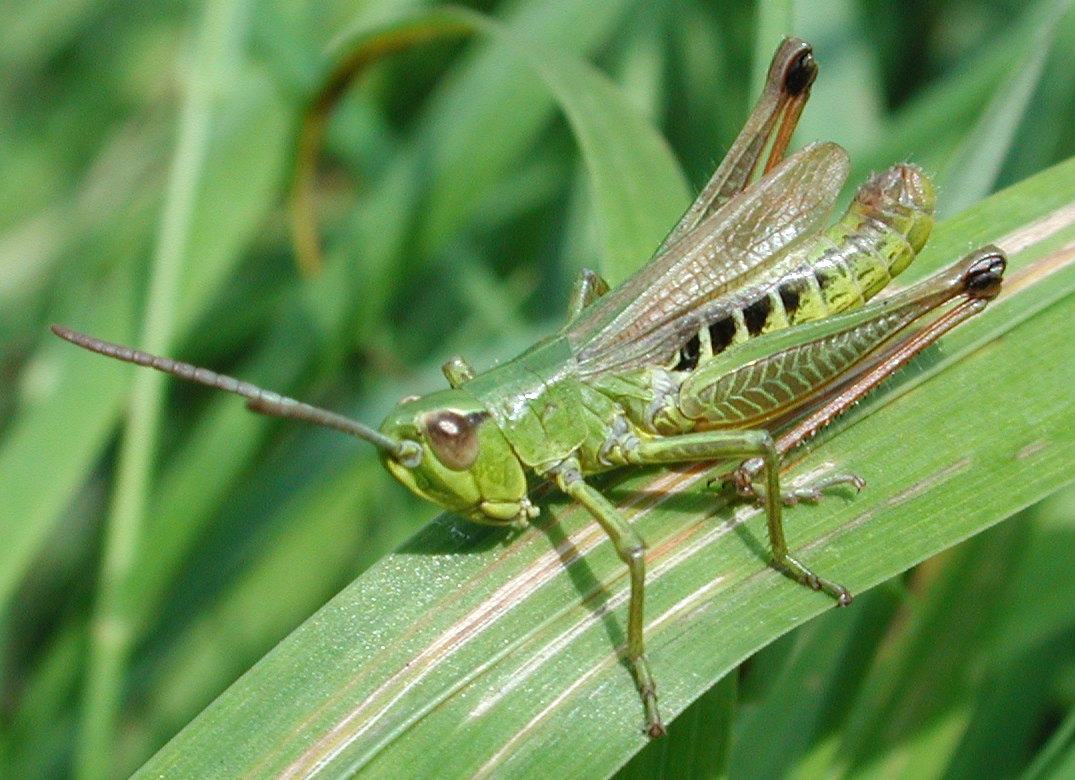
The message most often attached to a grasshopper is that you already know the answer and are stalling. Because the insect is associated with the single decisive jump, it is read as a prompt to act on information you have had for a while. Where a sighting repeats, the traditional reading is that the prompt is getting louder.
A second message is about trust in the unseen. A jumping grasshopper cannot see where it will land, and spiritual readings use that as a model for moving without guarantees. This is the reading that gets called faith in Christian framings and intuition in New Age ones.
When a Grasshopper Is Trying to Tell You Something
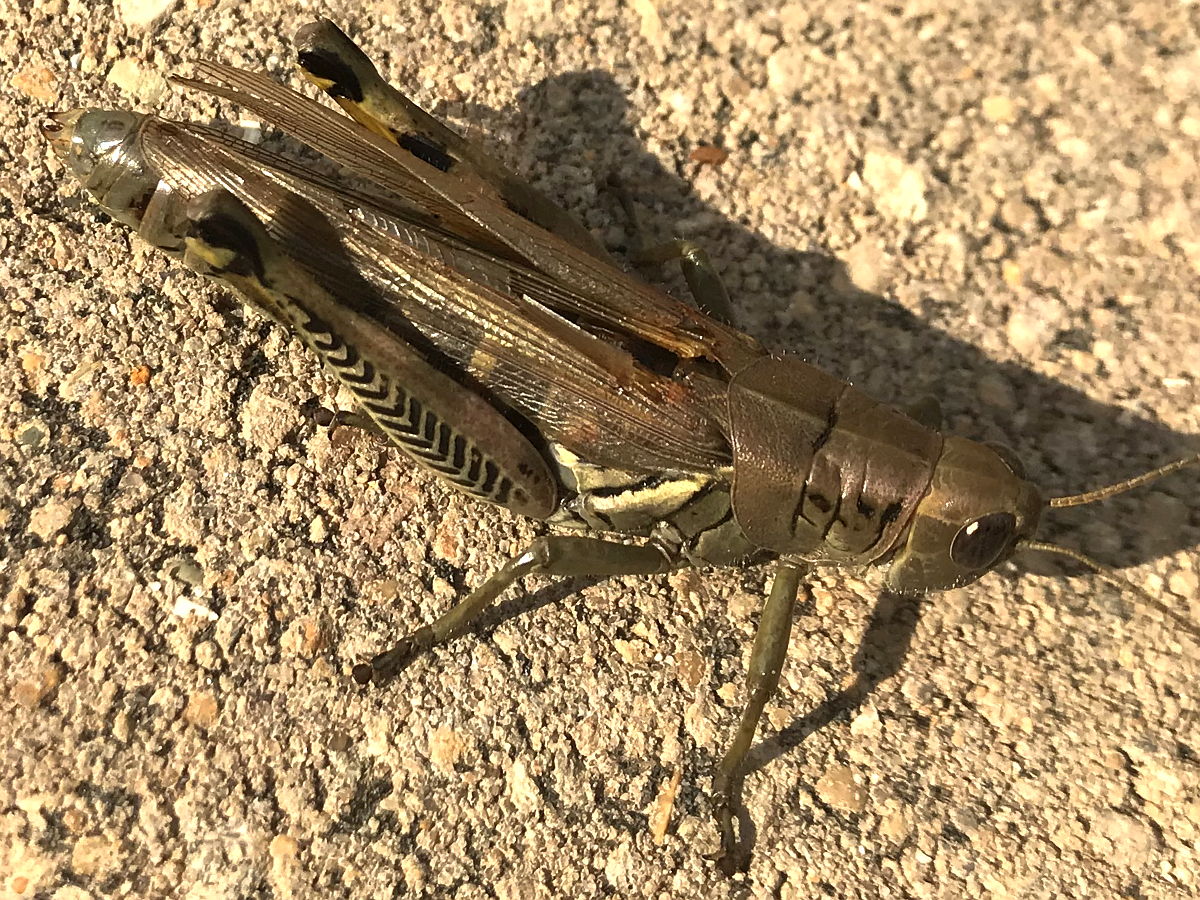
When a grasshopper is trying to tell you something, the traditional markers are repetition, proximity and oddity. One grasshopper in a July lawn is ordinary. The same encounter three days running, or an insect that lands on your hand and stays, is what folk interpretation treats as deliberate contact rather than coincidence.
Interpretive practice usually asks what you were thinking about at the moment of the sighting. The grasshopper is not read as carrying its own agenda but as marking the thought you were holding, which is why the same sighting can mean a job change for one person and a move for another.
Grasshopper Symbolism in Native American Traditions
Native American traditions are not a single belief system, and grasshopper meanings differ sharply between nations. In some Hopi accounts, grasshoppers and locusts are associated with the flute player figure and with the arrival of warmth and planting, which makes them a seasonal marker rather than a personal omen.
Among several Plains and Southwest peoples, grasshoppers were also a food source and a crop threat at the same time, and oral traditions reflect that double role. Stories in which a grasshopper brings plenty and stories in which it brings scarcity coexist, and the lesson usually concerns respect for limits rather than luck.
In Lakota tradition, insects that appear in abundance are often read as signs tied to the health of the land, and interpretation belongs to people within that tradition rather than to outside summary. When a source presents a single pan tribal grasshopper meaning, treat that as a modern invention. The same caution applies to the tidy totem charts you see for bear symbolism.
What Does the Bible Say About the Grasshopper?
The Bible says the grasshopper is small, numerous and easily scattered, and it uses the insect mainly as an image of human insignificance before God. In Numbers 13:33, the scouts returning from Canaan say they seemed like grasshoppers in their own sight next to the inhabitants of the land, a line about fear and perspective rather than about luck.
Isaiah 40:22 uses the same comparison from the other direction, describing the inhabitants of the earth as grasshoppers seen from above. Leviticus 11:22 lists certain grasshoppers and locusts among the creatures permitted as food, which is why locusts appear in the diet of John the Baptist.
Grasshoppers also appear as instruments of judgment, as in the swarms of Exodus and the warnings in Joel. What a grasshopper symbolizes biblically therefore depends on the passage: smallness and fragility in the comparisons, divine judgment in the swarm passages, and permitted food in the law. None of the passages promises good fortune, which is a folk layer added later.
Grasshopper Symbolism in Celtic and European Folklore
European folklore treats the grasshopper as a cheerful, slightly careless figure, and the clearest source is Aesop’s fable of the ant and the grasshopper. There the insect sings through summer and starves in winter, which fixed it in Western thought as a symbol of living in the moment at the cost of preparation.
Ancient Athenian tradition went the other way. Athenians wore golden cicada or grasshopper pins in their hair as a claim of being born from the soil of Attica itself, which made the insect a badge of nobility and local descent. Greek writers also linked its song to the Muses and to poetic inspiration.
Celtic sources say little about grasshoppers specifically, and most modern Celtic grasshopper meanings are reconstructions rather than recorded tradition. Where insects do appear in Irish and Welsh material, the emphasis is on the voice of summer and the shortness of the season.
Grasshopper Symbolism in Chinese and Japanese Culture
In Chinese tradition the grasshopper and its relatives are tied directly to luck, fertility and abundance, and crickets kept in small cages were considered household bringers of fortune and protection. Jade and bronze grasshopper charms were given as wishes for many descendants and a full harvest.
Japanese culture emphasizes the sound. The songs of grasshoppers, crickets and cicadas mark late summer in poetry and are associated with the beauty of things that do not last, the sensibility usually translated as a gentle sadness about transience. Insect listening outings were a recognized seasonal pastime.
In both traditions the insect indoors is welcome rather than alarming. That is the opposite of the Western reflex to remove it, and it explains why so much online grasshopper symbolism frames a house visit as money arriving.
Does a Grasshopper Mean Money?
A grasshopper does mean money in the folk traditions where it is read as a luck bringer, and the association is strongest for green grasshoppers and for sightings inside the home. The logic runs through abundance: an insect that thrives where plants thrive became shorthand for a good harvest, and a good harvest became shorthand for income.
Modern readings usually narrow this to unexpected money rather than steady earnings, because the leap imagery suggests a sudden change of position. A grasshopper sighting before a negotiation or a job decision gets read as support for taking the higher offer.
Nothing in the tradition promises a specific amount or date, and the honest version of this reading is that the insect is treated as encouragement for a financial decision you are already weighing. The same logic drives the money readings attached to bee symbolism, where the hive supplies the abundance image.
Green, Brown and Black Grasshopper Spiritual Meaning
Green grasshopper spiritual meaning centers on growth, new money and fresh starts, since green is the color of new vegetation in nearly every color symbolism system. A bright green insect on a doorstep is the sighting most often reported as a prosperity sign.
Brown grasshopper spiritual meaning leans toward grounding, patience and practical work. Brown forms are often older nymphs or species adapted to dry grass, and the symbolic reading matches the camouflage: stay where you are, finish what you started, and let the ground support you.
Black or very dark grasshoppers, including the dark nymph stage of the eastern lubber, are read as protection and as the closing of a difficult chapter rather than as bad luck. Dark insects attract ominous readings in general, and the same correction is needed for black butterfly meaning, where the color is traditionally about transformation, not death.
Where You See It: Path, Window, Garden and House
The spiritual meaning of a grasshopper in your path is the most specific of the situational readings: a crossing insect is treated as a decision point, and the direction it jumps is sometimes read as the direction to take. A grasshopper that will not move out of the way is read as a question you cannot route around.
A grasshopper in the garden is the gentlest sighting and is read as confirmation that effort is taking root. A grasshopper on a window or screen, looking in, is read as news or opportunity approaching from outside your usual circle, the same way a visiting bird is read in blue jay spiritual meaning.
A grasshopper inside the house is the strongest luck reading, especially in Chinese belief, and the traditional response is to carry it outside rather than kill it. Folk etiquette is consistent on that point: harming a luck bringer is held to reverse the omen.
At Night, in a Dream, or Found Dead
Seeing a grasshopper at night is read as a message about something you have been avoiding in daylight, since the insect is primarily day active and a night sighting counts as out of pattern. Katydids and crickets calling after dark are grouped into the same reading in most popular sources.
In dreams, a grasshopper is usually interpreted as freedom or restlessness. Jumping grasshoppers are tied to a move or career leap, a grasshopper caught in the hand to control over a decision, and a swarm to feeling overwhelmed by small obligations rather than by one large problem.
Finding a dead grasshopper is read as a cycle that has already closed, not as a warning of loss. The traditional instruction is to stop waiting for an outcome that has quietly ended and to redirect the energy, which is a far less alarming reading than most people expect.
Grasshopper Spirit Animal, Totem and Power Animal
As a spirit animal, the grasshopper is described as a guide for people who need to act without complete information, and the keyword attached to it is almost always the leap. People who claim it report a pattern of sudden moves that worked out better than careful ones.
As a totem, the grasshopper is associated with voice and with music, drawing on the insect’s stridulation, the sound made by rubbing a hind leg against a wing. Totem readings pair it with creative work that has to be performed rather than stored.
As a power animal in modern shamanic practice, grasshopper medicine is invoked for escape from a stuck position. The honest framing is that these are contemporary interpretive systems built from older fragments, and they are useful as reflection tools rather than as inherited doctrine. Nocturnal guides such as bat symbolism are treated the same way in those systems.
Why Do Grasshoppers Suddenly Appear?
Grasshoppers suddenly appear because of their life cycle and the weather, not because of an event in your life. Eggs laid in soil the previous fall hatch in late spring, and nymphs take roughly 40 to 60 days to reach adult size, which concentrates visible adults in mid to late summer.
Warm, dry summers following a mild winter produce the biggest numbers, since cool wet conditions favor the fungal diseases that kill nymphs. Mowed lawns, drought stressed gardens and field edges push them toward houses in search of green plant tissue, which is why a dry August brings them to the porch.
Reference material on North American species, including identification of the lubber and the differential grasshopper, is maintained by university entomology departments such as the University of Florida Featured Creatures collection. Holding both explanations at once is reasonable: the population boom explains the sighting, and the sighting can still mean something to you.
Frequently Asked Questions
Is grasshopper a good omen?
Yes, in almost every tradition that records a meaning. Chinese folk belief ties it to luck and prosperity, Greek tradition to nobility and inspiration, and modern readings to a forward leap. The ominous reputation comes from swarming locusts in biblical texts, not from a single insect.
Does a grasshopper mean money?
Folk tradition says yes, particularly for green grasshoppers and for sightings inside the home. The association comes from abundance: grasshoppers flourish where plants flourish, and a good harvest stood in for income. Readings usually point to unexpected money rather than a steady increase.
What does a grasshopper symbolize biblically?
Biblically, the grasshopper symbolizes human smallness and fragility. The scouts in Numbers 13:33 felt like grasshoppers next to the Canaanites, and Isaiah 40:22 views humanity as grasshoppers from above. Swarming locusts in Exodus and Joel carry judgment, and Leviticus permits certain grasshoppers as food.
What should I do if a grasshopper lands on me?
Traditional etiquette says let it sit, then set it down outside rather than brushing it off hard. A landing is read as a personal message rather than a general sign. Grasshoppers do not bite or sting, though large species can pinch slightly with their legs.
What does it mean to find a dead grasshopper?
A dead grasshopper is read as a closed cycle rather than a warning. The traditional meaning is that something you are still waiting on has already ended, and the energy spent waiting should be redirected. In late fall it usually just means the adults have reached the end of the season.
Is a grasshopper in the house good or bad luck?
Good luck in the dominant traditions, especially Chinese belief, where an insect that enters the home brings fortune with it. The consistent instruction is to carry it outside unharmed, since killing a luck bringer is held to reverse the omen. Grasshoppers indoors cause no damage.
What is the difference between a grasshopper and a locust in symbolism?
Quantity. A locust is a grasshopper species in its swarming phase, and swarms carry the devastation symbolism found in Exodus and Joel. A single grasshopper carries the luck and leap symbolism. Most people reading an omen are looking at one insect, so the messenger reading applies.