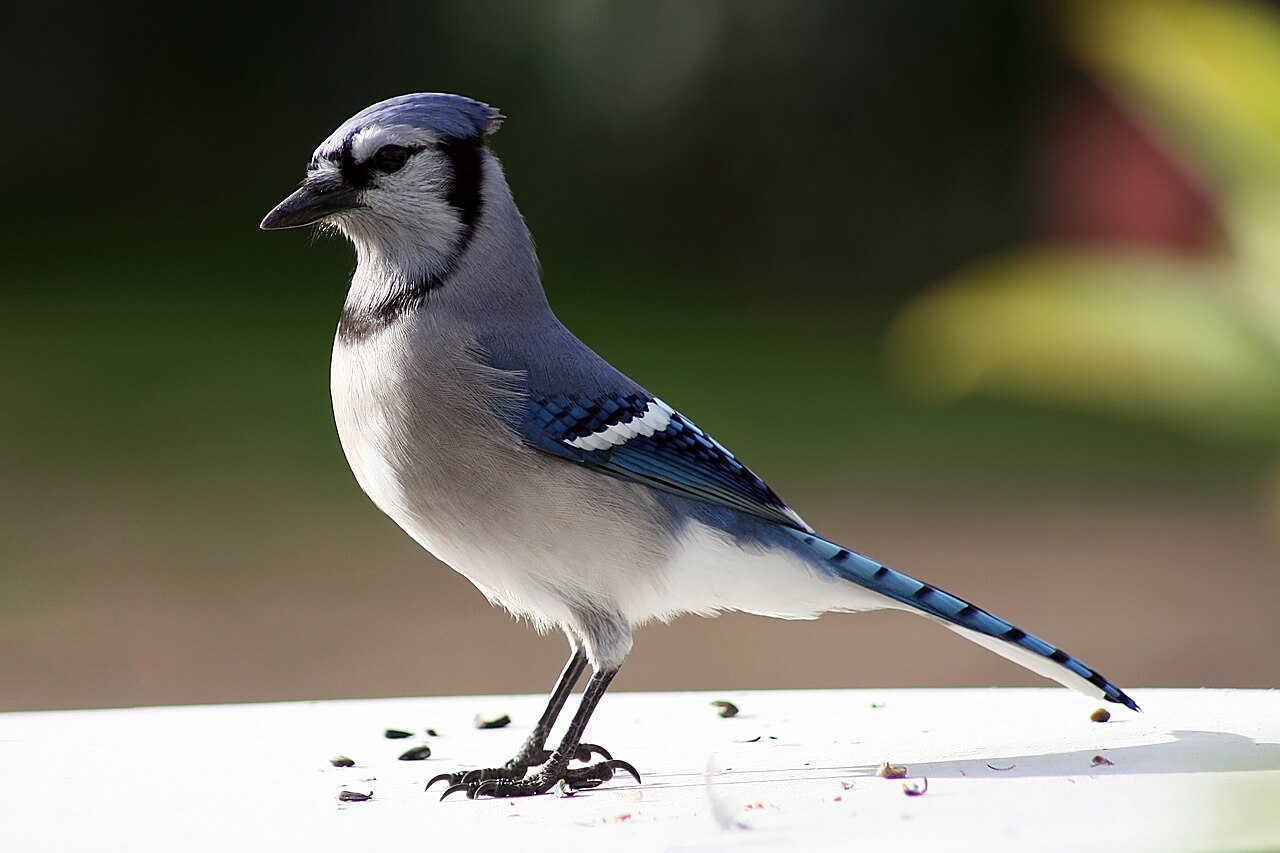
Blue Jay Spiritual Meaning in Dreams and Omens
In dreams, a blue jay’s spiritual meaning usually centers on bold communication, protectiveness, and a message you are not quite ready to hear. This guide focuses specifically on blue jays appearing in dreams and as omens, since dreaming symbolism works differently than a waking encounter. If you are looking for what it means when a blue jay actually visits your yard while you are awake, the companion guide to blue jay symbolism covers that ground in full.
| Dream Detail | Common Spiritual Meaning |
| A single blue jay | Self expression, curiosity, watching your back |
| Two blue jays together | Love, companionship, close friendship |
| A dead blue jay | Warning of unwelcome news ahead |
| A loud or calling blue jay | A message trying to reach you |
| An attacking blue jay | Overconfidence or a need for protection |
| A blue jay building a nest | Time to act on a plan |
Why Blue Jays Carry Meaning in Dreams
Dream symbolism and waking life symbolism often diverge, and the blue jay is a good example. While a daytime sighting tends to get read as a sign about visitors, loved ones, or luck, a blue jay showing up while you sleep is generally interpreted through the lens of your inner world: what you are communicating, suppressing, or protecting.
Part of this comes from the blue jay’s very real, very loud personality. The Cornell Lab of Ornithology notes that blue jays are accomplished vocal mimics, capable of imitating the calls of hawks and other birds, and that same boldness and vocal range carries directly into how dream interpreters read the bird. A creature that is this hard to ignore in real life tends to symbolize something equally hard to ignore in the subconscious, much like the layered folklore already built up around hummingbird symbolism on the waking life side of bird dream interpretation.
Color plays a role too. Some dream traditions connect the blue jay’s vivid blue plumage to the throat chakra, the energy center associated with communication and speaking your truth. Whether or not you follow chakra based frameworks, the throughline across nearly every interpretation is the same: this is a dream about voice, expression, and being heard.
Dreaming of a Single Blue Jay
A dream featuring one blue jay, calm and simply present, is most often tied to curiosity and self expression. Dream analysts frequently describe this as an invitation to explore your creative side or to pay closer attention to something happening around you that you have been overlooking.
There is also a protective thread running through single blue jay dreams. Several interpretation traditions read the bird as a reminder to watch your back, both literally and emotionally, and to be selective about who you let close. This can surface after a period where you have felt exposed or unsupported in waking life.
A blue jay that stares directly at you in a dream is frequently linked to your own curiosity turned outward, sometimes tipping into judgment of others. The suggested lesson in most interpretations is the same: stay curious, but let that curiosity build understanding rather than snap judgments about the people around you.
Dreaming of Two Blue Jays
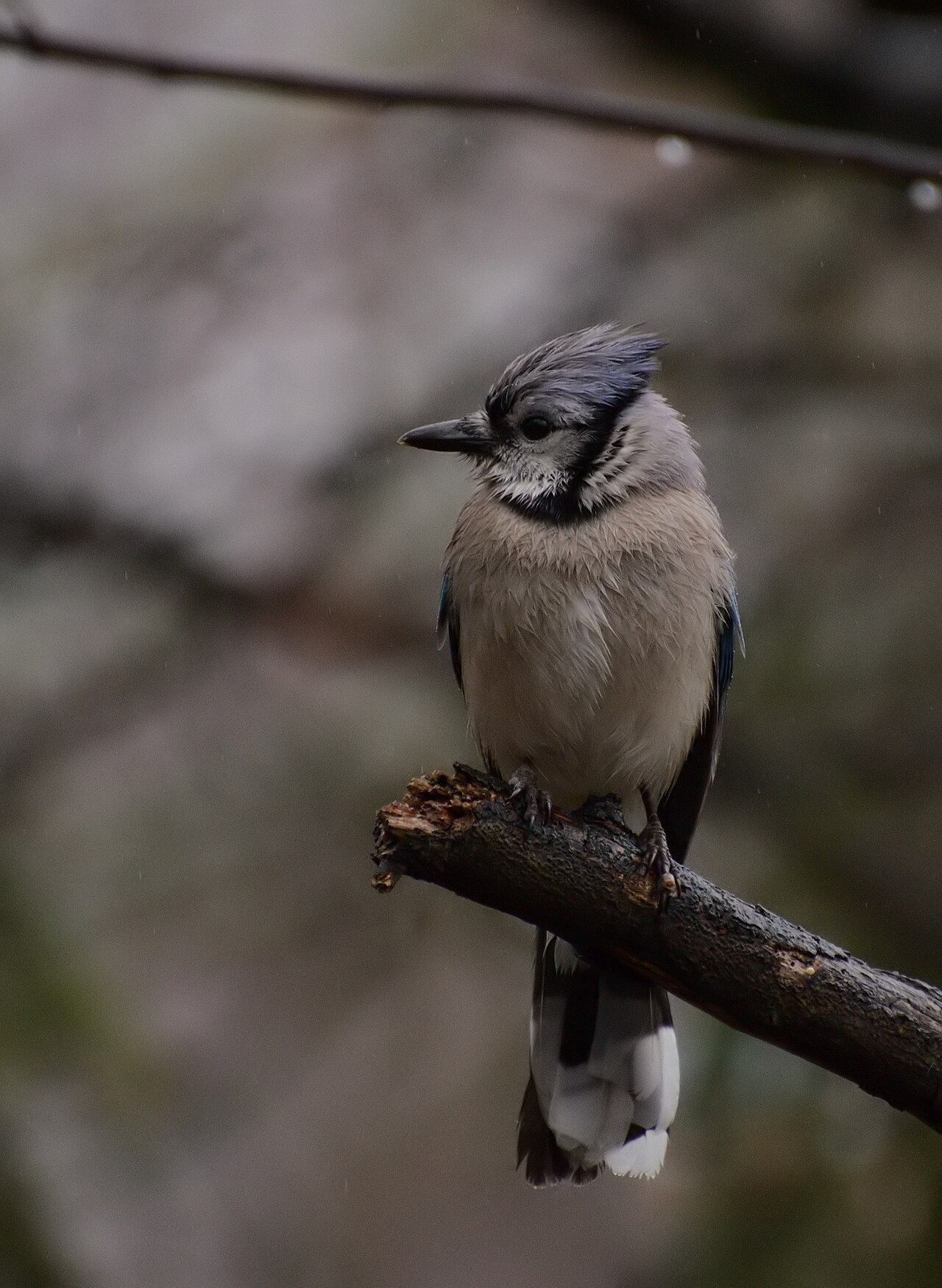
Two blue jays appearing together, whether flying side by side or perched on the same branch, is one of the more consistently positive dream images in blue jay symbolism. Most interpretations connect this directly to love, partnership, and companionship.
If you are currently dating someone, a dream with two blue jays is often read as reassurance that the connection is genuine and worth investing in. If the dream instead centers on friendship, jays perched together side by side, it is generally interpreted as a nudge to appreciate and nurture the friendships that support you day to day.
What makes the pair symbolism distinct from a single jay dream is the shift from self focus to relationship focus. Where one blue jay tends to point inward, toward your own voice and instincts, two jays together point outward, toward the people you are building something with, a pattern that shows up across bird dream symbolism generally, including in robin symbolism where paired sightings carry a similar relationship focused reading.
A Blue Jay Singing or Calling in Your Dream
A blue jay that is loud, insistent, or repeatedly calling out in a dream is almost always tied to communication trying to break through. Several interpretation frameworks read this as a message you have not yet received, sometimes gossip or information moving around you without your knowledge.
In some Christian dream interpretation traditions, a noisy blue jay demanding attention is read quite differently: as a sign that pride is showing up somewhere in your life and needs to be met with humility rather than defensiveness. This interpretation leans on the bird’s reputation as a loud, attention seeking presence and reframes that trait as a spiritual prompt rather than simply an annoyance.
Whichever framework resonates with you, the common thread is urgency. A quiet, still blue jay in a dream tends to symbolize awareness and observation, while a loud, vocal one signals that something wants to be said, heard, or corrected sooner rather than later.
A Dead or Injured Blue Jay in a Dream
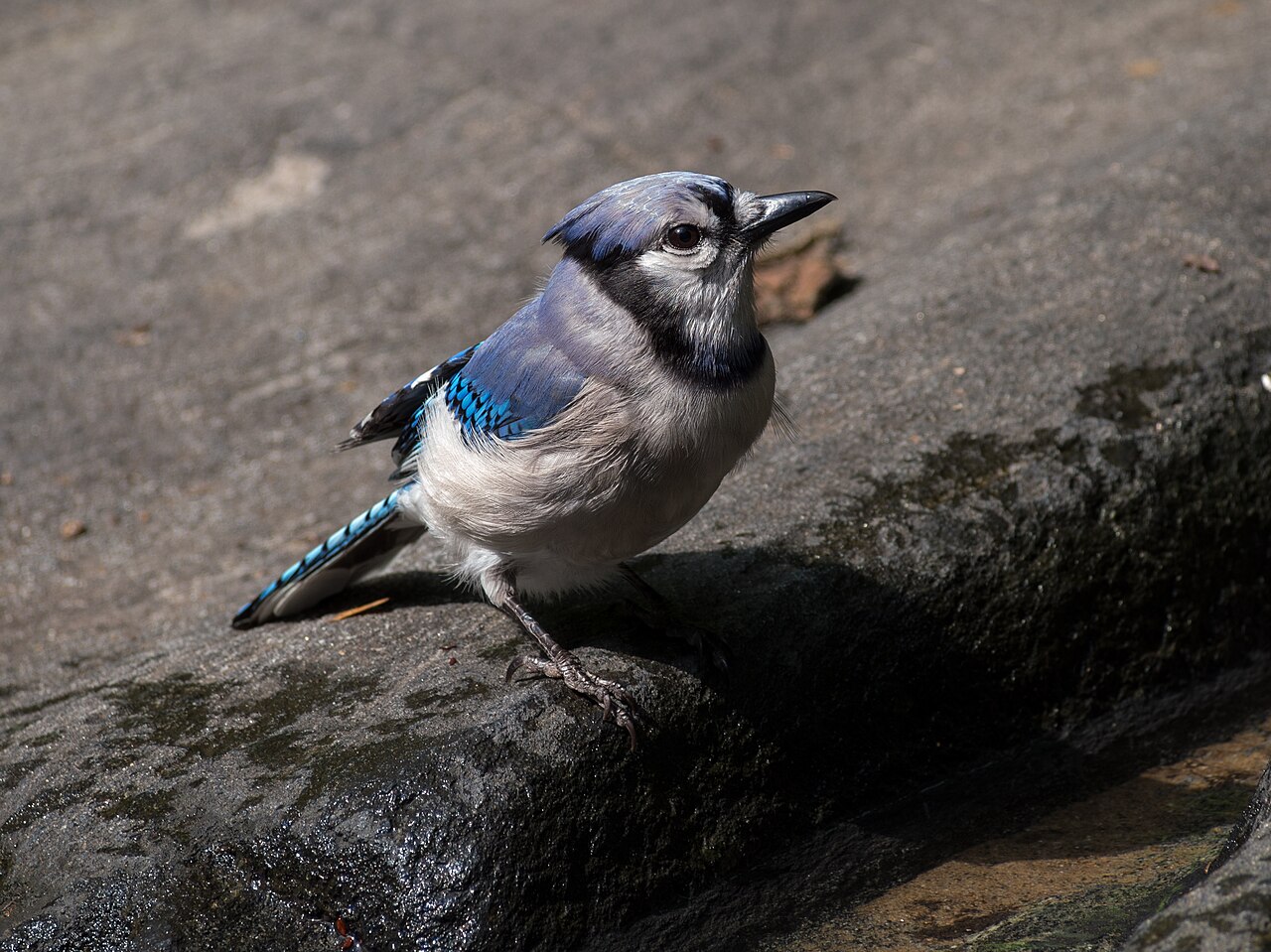
A dead or visibly injured blue jay in a dream is one of the more unsettling images to wake up from, and most interpretation traditions treat it as a warning rather than a literal prediction. It is commonly read as a sign that difficult news, a setback, or an unwelcome development may be on the horizon.
It is worth being careful here: dream symbolism is interpretive, not predictive, and a single unsettling dream image does not foretell a specific outcome. Many dream analysts frame a dead bird less as an omen of doom and more as a signal that something in your life, a habit, a relationship, or a plan, has run its course and needs to be acknowledged rather than ignored.
An agitated or visibly distressed blue jay, short of appearing dead, is generally read more gently, often pointing toward arrogance or overconfidence that could use tempering rather than anything more serious. Context in the dream, such as who else is present or where the scene takes place, tends to shape which reading feels most accurate. This same caution around over reading a single dark image applies just as strongly to crow symbolism, another bird whose association with death is often more folklore than fixed meaning.
A Blue Jay Attacking or Behaving Aggressively in a Dream
An aggressive or attacking blue jay in a dream frequently points back to the bird’s real world reputation as a bold, territorial defender of its nest. In dream interpretation, this aggression often reflects your own protective instincts, sometimes turned toward genuine threats, and sometimes turned inward as unnecessary defensiveness.
Some frameworks read an attacking jay as a caution against overconfidence, suggesting that boldness has tipped into recklessness somewhere in waking life. Others interpret it more literally, as a nudge to pay closer attention to a real conflict or threat you have been underestimating.
Because this image carries more than one plausible reading, context matters more here than almost anywhere else in blue jay dream interpretation. An attack you provoked in the dream versus one that came out of nowhere often point toward very different lessons about your own behavior versus outside threats.
Psychological Perspectives: Jungian and Freudian Views
Beyond folk and spiritual interpretation, psychological frameworks offer their own take on a blue jay dream. From a Jungian perspective, the bird can represent an aspect of the Self, or act as a messenger archetype carrying an important signal up from the unconscious into waking awareness.
Jungian readings often emphasize the blue jay’s vivid color and distinctive call as symbols of an emerging part of your personality, one that is demanding integration and expression rather than continued suppression. The bird’s intelligence and adaptability, well documented in the species, get folded into this as a reflection of your own capacity for growth.
A Freudian lens leans more heavily on unconscious desire and assertion, framing the blue jay’s boldness and vocalizations as a stand in for a wish to speak up or assert yourself more directly in waking life. Neither framework claims to be definitive, but both point toward the same underlying theme found throughout blue jay dream symbolism: expression that wants to come forward, not unlike the way owl symbolism frames night visions as messages from the unconscious asking to be acknowledged.
Blue Jay Omens Beyond Dreams: Weather and Nature Signs
Alongside dream interpretation, some regional folklore treats blue jay behavior as a small scale weather or nature omen, particularly when it comes to unusually loud or persistent calling. In several old folk traditions, a sudden burst of jay calls was taken as an informal signal that a storm or change in weather was approaching.
These beliefs are best understood as traditional folklore rather than verified fact. There is no established scientific consensus that blue jay vocalizations reliably predict weather changes, though the birds are alert, vocal animals that do react to environmental shifts like dropping pressure and increasing wind.
Whether or not you put stock in weather omens specifically, this folklore fits the same overall pattern found across blue jay symbolism: a bird whose boldness and voice get read as a signal worth paying attention to, whether that signal is emotional, spiritual, or simply meteorological folklore passed down through generations.
Related reading: Red Bird Meaning.
Related reading: Swallow Tattoo Meaning.
Related reading: Woodpecker Spiritual Meaning.
Related reading: Sparrow Tattoo Meaning.
Related reading: Hummingbird Tattoo Meaning.
Related reading: House Finch Spiritual Meaning.
Related reading: Blue Bird Meaning.
Related reading: Bald Eagle Spiritual Meaning.
Frequently Asked Questions
What does it mean to dream about a blue jay?
A blue jay in a dream commonly represents bold communication, self expression, and protectiveness. The exact meaning often shifts depending on whether the jay is calm, loud, paired with another jay, or behaving aggressively.
What does it mean to see two blue jays in a dream?
Two blue jays together are usually read as a sign of love, companionship, or close friendship, shifting the dream’s focus from your own inner voice toward a relationship in your life.
Is dreaming of a dead blue jay a bad sign?
It is commonly interpreted as a warning about difficult news or a situation that has run its course, though dream symbolism is interpretive rather than predictive of a specific event.
What does it mean when a blue jay is loud or calling in a dream?
A loud or repeatedly calling blue jay is generally read as a message trying to reach you, sometimes tied to gossip or information, and in some Christian dream traditions, to pride needing humility.
Do blue jays have a spiritual meaning in Christianity?
The blue jay is not mentioned in the Bible directly, but some Christian dream interpretation traditions read a loud, attention seeking jay as a prompt toward humility and honest communication.
What is the difference between blue jay symbolism and blue jay dream meaning?
Blue jay symbolism generally covers waking life encounters, visits, and cultural associations, while blue jay dream meaning interprets the bird specifically as it appears in sleep, which often carries a more personal, psychological layer of meaning.
Can a blue jay dream mean something is being communicated to me?
Yes, this is one of the most consistent themes across interpretations. A vocal or persistent blue jay in a dream is frequently read as a signal that a message, warning, or truth is trying to reach you.