Robin Symbolism: Spiritual Meaning and Visits
Robins symbolize renewal, new beginnings, hope, and joy. Because the American Robin is one of the first birds to sing at dawn and one of the classic signs of spring, it has long stood for fresh starts, the return of light after winter, and the promise that better days are coming. Many people also see a robin as a comforting sign from a loved one who has passed. This guide covers what the robin symbolizes, the spiritual meaning behind a visit, its place in folklore, and why its red breast carries its own story.
| Symbol | Common Meaning |
|---|---|
| Renewal | New beginnings, fresh starts |
| Spring | The return of light and warmth |
| Hope | Better days ahead |
| Joy | Cheerfulness, song, optimism |
| Guidance | A visit from a departed loved one |
| Growth | Personal change and rebirth |
What Does a Robin Symbolize?
The robin is most strongly tied to renewal and new beginnings. Across North America and Europe, the first robin of the year is treated as a herald of spring, so the bird naturally came to represent the end of a hard season and the start of something better. That connection to seasonal rebirth gives the robin its core meanings of hope, growth, and fresh starts. Its bright, cheerful dawn song adds a second layer of meaning around joy and optimism, since few sounds signal a new day as clearly as a robin singing before sunrise. Put together, the robin is one of the most positive birds in symbolism, a small creature that stands for light returning after darkness.
Robin Spiritual Meaning
Spiritually, the robin is often read as an encouragement to embrace change and trust that a new chapter is beginning. If robins keep appearing in your life, the common interpretation is that you are being gently nudged toward renewal, whether that means letting go of something old, starting a project, or simply allowing yourself hope after a difficult stretch. The robin’s association with spring makes it a symbol of patience too, a reminder that growth follows even the coldest winter. As with all symbolism, these meanings are cultural and personal rather than scientific, and the bird itself is simply living its life. For the natural history behind the bird, our complete American Robin guide covers the biology in full.
What It Means When a Robin Visits You
When a robin shows up repeatedly in your yard or seems to follow you, the traditional reading is that renewal and good fortune are on the way. A visit is often taken as a sign to stay hopeful, to welcome change, or to trust that a hard period is ending. Robins are also famously bold around people, often hopping close while you garden, which strengthened their reputation as friendly, almost companionable birds. On a practical level, a robin that keeps visiting usually means your yard offers what it wants, such as an open lawn full of worms, berry bushes, or a birdbath. If you would like to keep them coming, our guide to what robins eat explains exactly what draws them in.
Robins and Loved Ones Who Have Passed
One of the most searched meanings is whether a robin represents a loved one who has died. In many folk traditions, especially in Britain and North America, a robin appearing at a meaningful moment is taken as a comforting visit or message from someone who has passed, captured in the popular saying that when robins appear, loved ones are near. Because the robin is tied to renewal and hope rather than to darkness, this reading is gentle and reassuring rather than fearful. If a robin turns up on an anniversary, during grief, or at a graveside, many people take it as a sign that a departed family member is close and at peace. There is no scientific basis for this, but it is one of the most cherished meanings people attach to the bird, much like the comforting readings tied to the cardinal.
Robins in Folklore and Tradition
Robins appear throughout European and North American folklore as bringers of good news and as birds with a special, almost sacred status. In British tradition the robin became strongly linked to Christmas and to kindness, which is part of why it appears on so many holiday cards. A well-known Christian legend explains the robin’s red breast by saying the bird was stained while trying to comfort Christ or while carrying water to those in need, an origin story that cemented the robin’s image as compassionate and self-sacrificing. Across cultures the recurring themes are the same, renewal, kindness, and good fortune, which makes the robin one of the most consistently positive birds in human storytelling.
Red Robin Symbolism and the Robin’s Breast
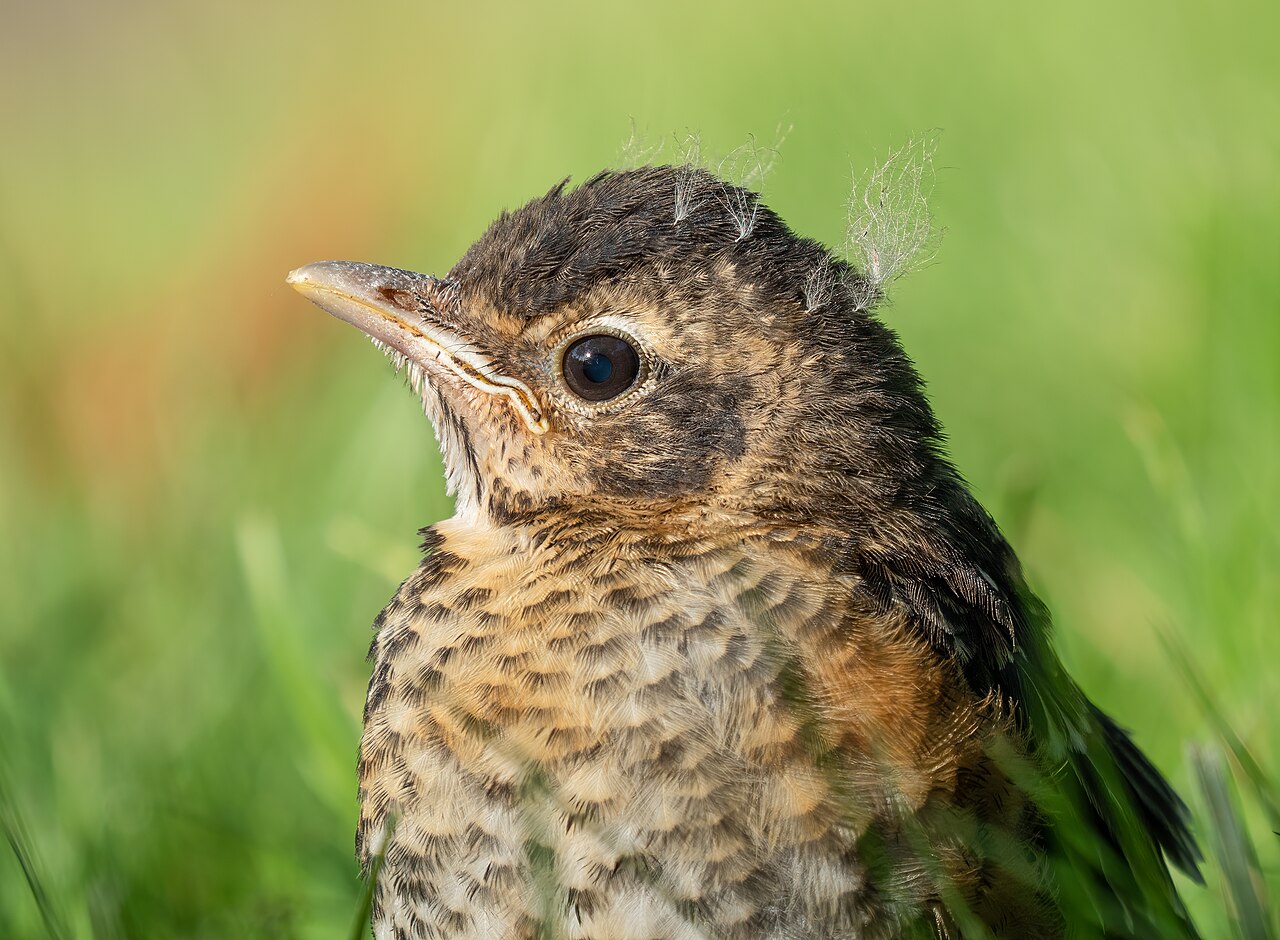
The robin’s orange-red breast is central to its symbolism. That splash of warm color against a gray body is read as a symbol of life, passion, and vitality, a small fire carried through the cold months. In the legends above, the red breast is a mark of compassion and sacrifice. Because the color stands out so vividly in a winter landscape, it also reinforces the robin’s link to warmth and the promise of spring. For North American readers it is worth noting that the American Robin is a thrush, not the same species as the smaller European Robin, though the two share the famous red breast and much of the same symbolism. To see which backyard birds share the robin’s coloring and are sometimes confused with it, visit our guide to birds that look like robins.
Robin as a Spirit Animal
People who work with animal symbolism often describe the robin as a spirit animal tied to renewal, adaptability, and joyful persistence. In this framing, the robin encourages you to move through change with optimism, to sing your own song even in hard times, and to trust that growth is coming. The robin’s willingness to nest close to people and its cheerful, early song are read as lessons in courage and hopefulness. Whether or not spirit-animal ideas resonate with you, these traits are grounded in the real bird, which is genuinely bold, tuneful, and quick to adapt to human landscapes. Our guide to the Northern Cardinal explores how another red-marked backyard bird gathered its own rich symbolism.
Why Robins Carry Such Positive Meaning
It is no accident that robins gathered such warm symbolism. Few birds are as visible or as welcome across North America. The American Robin is one of the most widespread and abundant landbirds on the continent, and according to the Cornell Lab of Ornithology it numbers in the hundreds of millions, which means almost everyone grows up seeing robins on the lawn and hearing them sing at dawn. That constant, cheerful presence, arriving with spring and singing before any other bird in the morning, is exactly what turned the robin into a symbol of renewal and hope. When a creature is this familiar and this tied to the turning of the seasons, human cultures naturally attach meaning to it. The symbolic themes of fresh starts, joy, and good fortune all grow directly out of the real bird’s habits, which is what gives robin symbolism its lasting power. If you would like to bring more of these cheerful birds to your own yard so you can enjoy their song, our guide to what robins eat explains how, and the robin’s classic nest is covered in our guide to the robin nest.
Related reading: what it means to see a red robin.
Related reading: robin eggs blue.
Frequently Asked Questions
What does a robin symbolize?
A robin most often symbolizes renewal, new beginnings, hope, and joy. As one of the first signs of spring and one of the earliest singers at dawn, it stands for fresh starts and the return of light after winter.
Is seeing a robin a good sign?
In nearly every tradition, yes. Robins are among the most positive birds in symbolism, associated with good fortune, renewal, and comfort rather than with any bad omen.
Does a robin mean a loved one is near?
Many people take a robin, especially at a meaningful moment, as a comforting sign that a departed loved one is close, summed up in the saying that when robins appear, loved ones are near. This is a spiritual belief rather than a fact.
What does it mean when a robin visits your yard?
Symbolically it is read as a sign of renewal and good fortune. Practically, it usually means your yard offers an open lawn with worms, berry plants, or water that robins want.
Why does the robin have a red breast in stories?
Folklore, including a Christian legend, explains the red breast as a mark of compassion, saying the bird was stained while comforting or aiding others. It became a symbol of kindness and sacrifice.
Is a robin a symbol of spring?
Yes. The first robin of the year is one of the classic signs that spring is arriving, which is the root of its strong links to renewal, hope, and new beginnings.
What is a robin as a spirit animal?
As a spirit animal, the robin represents renewal, optimism, and adaptability. It is read as encouragement to face change with hope and to keep singing your own song through hard times.