Russian Tortoise Diet: Safe Foods, Toxic Plants and a Feeding Chart
A correct Russian tortoise diet is almost entirely leafy weeds and greens: high in fiber, high in calcium, low in protein, and nearly free of sugar. Wild Testudo horsfieldii graze on the tough broadleaf plants of the Central Asian steppe for a few short months each year, and a captive animal fed grocery store lettuce and fruit is eating nothing its digestive system was built for. Most health problems keepers meet, from lumpy shells to bladder stones, start at the food dish.
The good news is that the right diet is cheap and mostly grows in an untreated lawn. Dandelion, plantain, clover, and chicory outperform anything sold in a produce aisle. This guide gives the daily staples, a frequency chart, the vegetables that are safe, the plants that are genuinely toxic, and clear answers on cucumber, kale, strawberries, and how often a Russian tortoise actually needs to eat.
Russian tortoises should eat a diet of at least 80 percent broadleaf weeds and dark leafy greens such as dandelion, plantain, clover, chicory, endive, and escarole. Feed adults five or six days a week, offer a pile roughly the size of the tortoise’s shell, dust with calcium two or three times weekly, and keep fruit, protein, and iceberg lettuce out of the rotation.
| Frequency | Foods | Notes |
|---|---|---|
| Daily staples | Dandelion, plantain, clover, chicory, endive, escarole, mallow | Should form 80 percent or more of intake |
| Several times a week | Romaine, red leaf lettuce, turnip greens, mustard greens, hibiscus leaves | Good winter substitutes for weeds |
| Weekly at most | Kale, collard greens, bok choy, grated carrot, bell pepper | Goitrogens and sugar limit the amount |
| Rare treat | Squash, cucumber, small strawberry piece | Once or twice a month, thumbnail sized |
| Never | Dog or cat food, beans, grains, bread, dairy, eggs, insects | Protein drives pyramiding and kidney damage |
| Toxic | Avocado, rhubarb, buttercup, daffodil, azalea, ivy, nightshades | Remove from any pen the tortoise can reach |
What Is the Best Diet for Russian Tortoises?
The best diet for Russian tortoises is a rotating mix of wild broadleaf weeds supplemented with dark leafy greens, offered as whole leaves rather than chopped salad. Fiber drives healthy gut function, calcium builds shell and bone, and low protein keeps growth slow and smooth. Any feeding plan that meets those three conditions will work, regardless of the exact plant list.
Variety matters more than any single superfood. A tortoise eating six or eight different weeds across a week gets a wider mineral profile and is far less likely to develop the flat refusal to try new food that single item feeders complain about. Rotate what is in season and let the animal graze rather than presenting a bowl.
Calcium to phosphorus ratio is the number that separates a good staple from a mediocre one. Aim for plants at 2 to 1 or better, which is why dandelion and plantain rank above lettuce and far above fruit. The same principle governs feeding across the genus, as our sulcata tortoise diet guide shows for a much larger grazer.
What Can Russian Tortoises Eat Every Day?
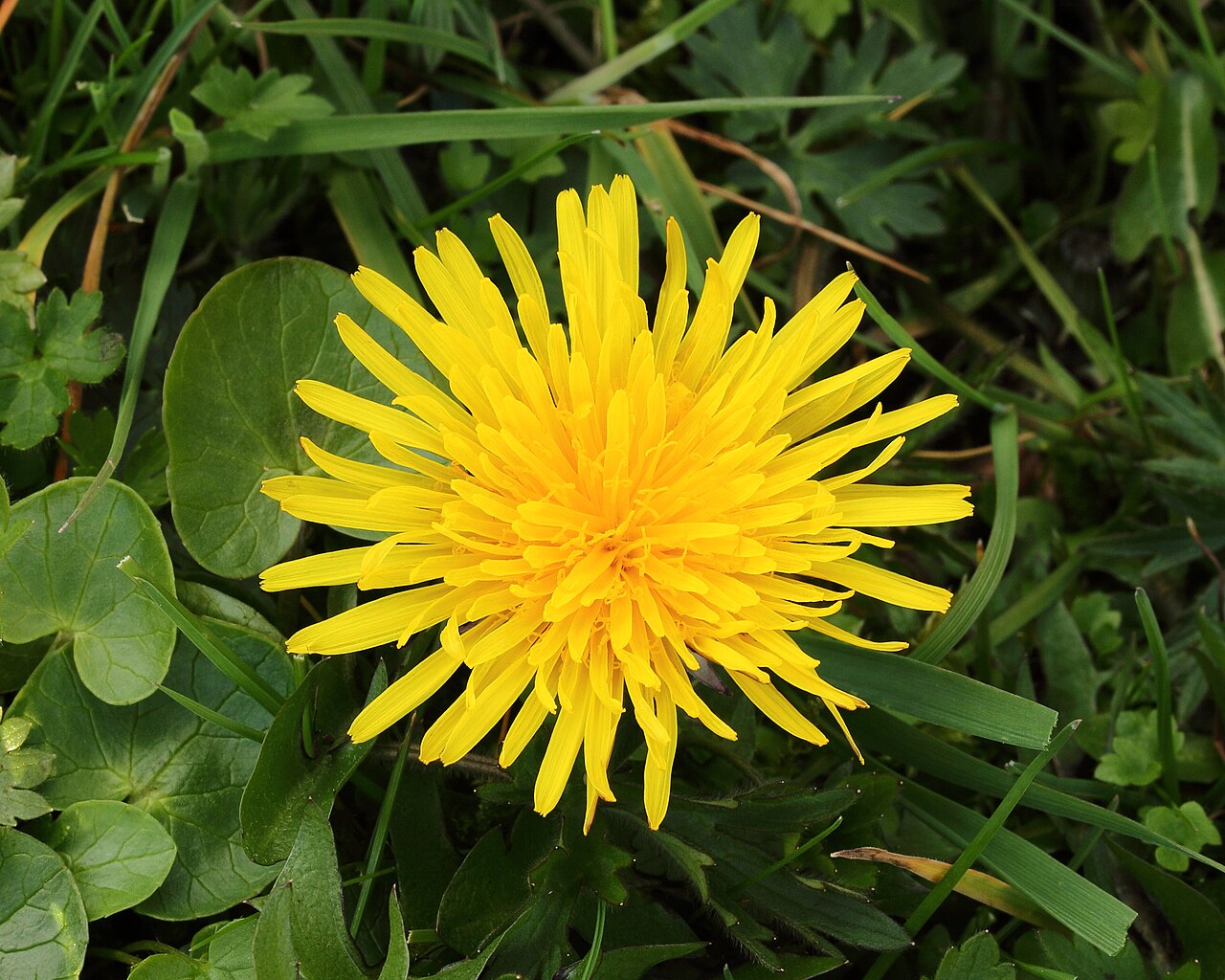
Russian tortoises can eat dandelion greens and flowers, broadleaf and ribwort plantain, white clover, chicory, endive, escarole, mallow, sow thistle, and hibiscus leaves every single day without any risk. These are the backbone of the diet and should make up 80 percent or more of what the animal takes in over a week.
All of them grow as lawn or roadside weeds across most of the United States. Harvest from ground that has not been treated with herbicide or fertilizer, stay well back from roadsides where exhaust residue collects, and rinse everything before feeding. A patch of untreated yard left to grow weeds is the cheapest and best food source a keeper can have.
Grocery store equivalents fill winter gaps: endive, escarole, radicchio, dandelion greens, watercress, and romaine are all reasonable. Iceberg lettuce is the one to skip entirely, because it is water and almost nothing else. Keepers who cannot forage should plant a seed mix of dandelion, plantain, and clover in a shallow tray and cut it as it grows.
Russian Tortoise Diet Chart by Frequency

A diet chart is more useful than a food list because almost everything safe becomes harmful in the wrong quantity. Group foods into four tiers: daily staples, several times a week, weekly at most, and rare treats. Then build every meal from the first tier and use the others to add variety, not volume.
Daily staples are the weeds above. Several times a week covers the milder greens like romaine, turnip greens, and mustard greens. Weekly at most covers brassicas and anything with meaningful sugar or oxalate content, including kale, collard greens, grated carrot, and bell pepper. Rare treats are squash, cucumber, and fruit, capped at once or twice a month.
Write the tiers on a card near the enclosure and the plan survives other people feeding the animal. Most diet failures in captivity are not exotic mistakes but everyday ones: too much supermarket lettuce, too much fruit because the tortoise clearly likes it, and a slow slide toward the same three items every day.
What Vegetables Can Russian Tortoises Eat?
Safe vegetables for Russian tortoises are limited to leafy types plus small amounts of squash, pumpkin, bell pepper, and grated carrot. Root vegetables, peas, beans, corn, and anything starchy do not belong in the diet at all, since they carry sugar and protein loads the species never encounters in the wild.
Squash and pumpkin work as an occasional vehicle for calcium powder and are useful for encouraging a reluctant feeder. Bell pepper adds color and vitamin C but also sugar, so a thumbnail sized piece once a week is the ceiling. Carrot is high in vitamin A and should be grated thin and served rarely, not as a staple.
Tomato, eggplant, and potato are members of the nightshade family, and their leaves and stems are toxic. A small piece of ripe tomato flesh is not an emergency, but there is no reason to offer it. Reptiles with very different nutritional needs illustrate how species specific this is, as our crested gecko diet guide makes clear.
What Foods Are Poisonous to Russian Tortoises?
The genuinely poisonous foods for Russian tortoises are avocado, rhubarb leaves, and a set of common garden and house plants: buttercup, daffodil and other bulbs, azalea, rhododendron, oleander, foxglove, ivy, yew, lily of the valley, and the leaves of nightshades and potatoes. These cause organ damage or death, not just digestive upset.
A second group is not acutely toxic but harmful over time. Spinach, beet greens, chard, and parsley carry oxalates that bind calcium and contribute to bladder stones. Cabbage, kale, broccoli, and other brassicas contain goitrogens that interfere with thyroid function when they are fed daily. Neither group needs to be banned, but neither should be a staple.
Animal protein is the most common serious error. Dog food, cat food, insects, eggs, and dairy push growth rates far past what the shell can support and strain the kidneys, and the damage does not reverse. Species specific toxicity information for reptiles is maintained by veterinary schools such as Cornell’s College of Veterinary Medicine at vet.cornell.edu.
Do Russian Tortoises Eat Cucumber?

Russian tortoises will eat cucumber eagerly, and it should still be an occasional treat rather than a regular food. Cucumber is roughly 95 percent water with very little fiber, calcium, or vitamin content, so it fills the animal without feeding it. A thin slice once or twice a month is harmless.
There is one practical use for it. A dehydrated tortoise, or one refusing food after a move or a vet visit, will often accept cucumber when it rejects everything else, and that can restart normal feeding. Treat it as a tool for a specific problem rather than part of the weekly rotation.
The bigger risk is behavioral. Tortoises fed watery, sweet items regularly start holding out for them and refuse the fibrous weeds that keep them healthy. If that has already happened, withhold treats completely for a week or two and offer only staples; a healthy adult will not starve itself into trouble in that time.
Can Russian Tortoises Eat Kale and Other Brassicas?

Russian tortoises can eat kale, but not often. Kale is high in calcium and vitamin K, which is genuinely useful, and it also contains goitrogenic compounds that suppress iodine uptake and can contribute to thyroid problems when fed daily over months. Once a week as part of a mixed meal is a sensible limit.
The same ceiling applies to collard greens, bok choy, cabbage, broccoli, cauliflower, and mustard greens. None of them is dangerous in a rotation with weeds, and all of them cause problems as a primary food. Keepers who rely on a grocery store rather than a lawn tend to over feed this group precisely because it is cheap and always in stock.
If kale is doing heavy lifting in your rotation, replace most of it with endive, escarole, and dandelion greens, which carry similar calcium without the goitrogens. That single swap fixes more borderline diets than any supplement.
Can Russian Tortoises Eat Strawberries and Other Fruit?
Russian tortoises can eat strawberries, but fruit should be capped at once or twice a month in pieces no larger than a thumbnail. This is a dry steppe species with no fruit in its natural diet, and the sugars disrupt gut flora, encourage parasite blooms, and often produce loose stool within a day.
Keepers sometimes point out that tortoises love fruit, which is true and beside the point. Preference in a species that evolved where sugar was almost unavailable is not a nutritional signal. Tropical forest tortoises such as red foots handle fruit far better, and that difference is exactly why care sheets are not interchangeable between species.
If you do offer fruit, use it deliberately: as a way to get calcium powder or a medication into a reluctant animal. Strawberry, melon, and prickly pear pad are the usual choices. Rinse well and remove leftovers within an hour so nothing ferments in the enclosure.
Does a Russian Tortoise Need to Eat Every Day?
An adult Russian tortoise does not need to eat every day, and five or six feeding days a week with one or two fast days suits the species well. Wild animals are active for only three or four months of the year and eat opportunistically in that window, so a permanently full food dish is the unnatural arrangement.
Hatchlings and juveniles under three years are the exception and should be fed daily, since they are building bone and shell at the fastest rate they ever will. Growth should still be steady rather than rapid, which comes from the composition of the food rather than the frequency.
Appetite also tracks temperature and season. A tortoise that goes quiet and off food as autumn cools is preparing to brumate, not falling ill. A tortoise that refuses food while kept at normal temperatures in spring needs a health check, especially for respiratory infection or a mouth injury. Species comparisons are useful here, since the Greek tortoise and marginated tortoise follow much the same annual rhythm.
How Much to Feed and Portion Size
A practical portion is a pile of greens roughly the size of the tortoise’s shell, offered once a day and cleared away after a few hours. Volume is less important than composition, because a tortoise grazing high fiber weeds self regulates well, while one offered rich chopped salad tends to overeat.
Weigh the animal monthly on a kitchen scale and log it. Steady, gentle gain in a juvenile and near flat weight in an adult are what you want. Rapid gain paired with visible pyramiding means too much protein and too much food; steady loss outside brumation means a veterinary problem, not a feeding problem.
Leave a cuttlebone in the enclosure permanently so the tortoise can self select calcium, and refresh it when it gets dirty. Most animals will ignore it for weeks and then work through one in a few days, usually before females lay eggs.
Calcium, Supplements, and Water
Dust food with plain calcium carbonate powder two or three times a week for adults and four times a week for growing juveniles, using a light coating rather than a visible crust. Animals kept indoors without strong UVB also need a calcium supplement containing vitamin D3 once or twice a week, since without D3 the calcium cannot be absorbed.
Tortoises with regular outdoor sun exposure should use plain calcium without D3, because natural sunlight handles synthesis and over supplementing D3 causes its own problems. A multivitamin twice a month covers trace elements, and more than that risks vitamin A toxicity rather than helping.
Water is not optional even for a desert species. Keep a shallow dish the tortoise can walk into and out of unassisted, and soak the animal in lukewarm water 1 in (2.5 cm) deep for 15 to 20 minutes once or twice a week. Chronic mild dehydration is a leading cause of bladder stones, and soaking is the simplest prevention there is. The same husbandry logic applies to the Indian star tortoise and other humidity sensitive species.
Feeding Mistakes That Shorten a Tortoise’s Life
Four mistakes account for most diet related deaths in captive Russian tortoises: too much protein, too much fruit, too little calcium, and chronic dehydration. Each takes years to show, which is why keepers rarely connect a bladder stone at age eight to a feeding routine established at age one.
Pyramiding is the visible warning. A shell that grows in raised, lumpy scutes rather than smooth plates is telling you growth outpaced what the animal could mineralize, usually from rich food and dry conditions. It does not reverse, but it does stop progressing once the diet and humidity are corrected.
The fix for nearly every bad diet is the same and it is not complicated: more weeds, fewer treats, calcium on the food, water available and soaks on the calendar. A tortoise fed that way for its first decade rarely needs a veterinarian for anything except an annual check.
Related reading: Russian Tortoise Care.
Related reading: Russian Tortoise Lifespan.
Related reading: Russian Tortoise Care.
Frequently Asked Questions
How many days can a Russian tortoise go without eating?
A healthy adult Russian tortoise can go one to two weeks without food with no lasting harm, and brumating animals go months. Water access matters far more than food. A tortoise refusing food for more than a week at normal temperatures, or losing weight steadily, needs a veterinary exam rather than more time.
Can my tortoise eat scrambled eggs?
No. Russian tortoises are strict herbivores, and scrambled eggs deliver animal protein, fat, and cholesterol that their digestive system and kidneys cannot process. Repeated feeding causes rapid pyramided growth, kidney damage, and gout. The old advice to offer eggs to laying females is outdated; calcium powder and a cuttlebone cover that need safely.
How to tell if a Russian tortoise is happy?
A content Russian tortoise is active in the morning and late afternoon, basks deliberately, eats readily, digs and explores its enclosure, and produces firm stool and white urates. Warning signs run the other way: sustained hiding, refusing food at correct temperatures, closed or puffy eyes, wheezing, and a soft or misshapen shell.
What makes Russian tortoises happy?
Space, a real temperature gradient, sunlight, varied weeds, and something to dig in. Russian tortoises are strong burrowers and a deep substrate they can excavate satisfies more natural behavior than any decoration. Outdoor access in warm weather does more for a tortoise’s wellbeing than any indoor setup a keeper can build.
Do Russian tortoises recognize their owners?
Russian tortoises do learn to associate specific people with food and will approach a familiar keeper while ignoring a stranger. Whether that counts as recognition or conditioning is unsettled, and studies on tortoise learning show real capacity for both. It is not affection, and it does not mean the animal enjoys being handled.
Do Russian tortoises eat during brumation?
No. A brumating Russian tortoise eats nothing for 8 to 12 weeks, which is why the gut must be emptied completely with two to four weeks of fasting and regular soaks before cooling begins. Food left in a cold gut ferments and can kill the animal. Feeding resumes only after the tortoise is fully warmed and rehydrated.