Moth Tattoo Meaning: Darkness, Light, and Transformation
The moth tattoo carries a genuinely fascinating symbolic duality that sets it apart from its more universally celebrated relative, the butterfly, drawing on the moth’s own distinct biological and behavioral traits, particularly its nocturnal nature and its famously relentless attraction to light sources, to represent themes of instinct, vulnerability, transformation pursued despite risk, and a willingness to be drawn toward something meaningful even when that pursuit carries genuine danger, a considerably more complex and shadow-embracing symbolic territory than the butterfly’s more straightforwardly joyful transformation symbolism typically occupies.
This darker, more nuanced symbolic space has made moth tattoos genuinely appealing to wearers specifically seeking a transformation symbol that acknowledges difficulty, instinct, and the sometimes costly pull toward light or meaning, rather than a purely celebratory rebirth image, giving the moth its own distinct and increasingly popular place within nature-based tattoo symbolism. This guide covers the moth’s core symbolic themes centered on darkness and light, its shared transformation biology with butterflies, specific culturally significant species like the luna moth and death’s-head moth, common design elements, and placement considerations for anyone drawn to this genuinely distinctive design.
| Meaning Category | Core Association |
|---|---|
| General symbolism | Instinct, vulnerability, transformation with risk |
| Attraction to light | Pursuing truth or meaning despite danger |
| Nocturnal nature | The subconscious, hidden depths, intuition |
| Luna moth specifically | Rebirth, rare beauty, spiritual guidance |
| Death’s-head moth | Mortality, transformation through darkness |
| Moth vs butterfly | Shadow-embracing vs purely celebratory transformation |
The Core Symbolism: Darkness, Light, and Risk
The moth’s defining symbolic theme centers on its remarkable and often fatal attraction to light sources, a genuine behavioral phenomenon where moths repeatedly fly toward candles, lamps, and other light sources even when doing so results in injury or death, a behavior that has made the moth a powerful and considerably more cautionary symbol than most butterfly imagery for the idea of being drawn toward something meaningful, truthful, or transformative despite the genuine risk that pursuit might carry.
This light-attraction symbolism differs meaningfully from more purely positive transformation imagery, since the moth’s pursuit of light is understood symbolically as instinctual and sometimes self-destructive rather than a straightforwardly wise or safe choice, giving moth tattoos a genuinely more complex emotional register that some wearers find considerably more honest or relatable than purely celebratory transformation symbols when reflecting on their own experiences of pursuing difficult truths, relationships, or personal growth despite real cost or risk involved.
The moth’s nocturnal nature adds a further symbolic layer connecting to the subconscious, hidden depths of the psyche, and intuition operating beneath conscious awareness, themes that position the moth as a kind of shadow counterpart to the butterfly’s more daylight-associated joy and visibility, making the moth tattoo a genuinely fitting choice for wearers specifically drawn to themes of inner work, confronting difficult truths, or embracing complexity rather than pursuing only straightforward positivity.
Shared Transformation Biology With Butterflies
Like butterflies, moths undergo complete metamorphosis, transforming from caterpillar through a pupal stage, a cocoon rather than the butterfly’s chrysalis, before emerging as a winged adult, meaning moths share the same fundamental transformation and rebirth symbolism explored throughout our butterfly tattoo meaning guide, grounding moth symbolism in the same genuine biological life cycle change that makes butterfly transformation imagery so powerful.
This shared biological foundation means moth tattoos carry legitimate transformation and rebirth symbolism just as butterflies do, though the specific emotional and symbolic emphasis typically shifts toward the more shadow-embracing, instinct-driven themes covered throughout this guide rather than the butterfly’s more purely celebratory reading, giving wearers a way to represent genuine personal transformation while acknowledging the difficulty, instinct, or cost that transformation may have actually involved rather than presenting only its more polished, positive outcome.
Some wearers specifically choose moth designs over butterfly designs precisely because they feel the moth’s more complex symbolic territory better represents their own actual transformation experience, one involving genuine struggle, uncertainty, or difficult choices, rather than the more effortlessly joyful transformation imagery butterflies typically evoke, making the choice between these two closely related insects a genuinely meaningful symbolic decision beyond simple aesthetic preference alone.
The Luna Moth: A Genuinely Special Case
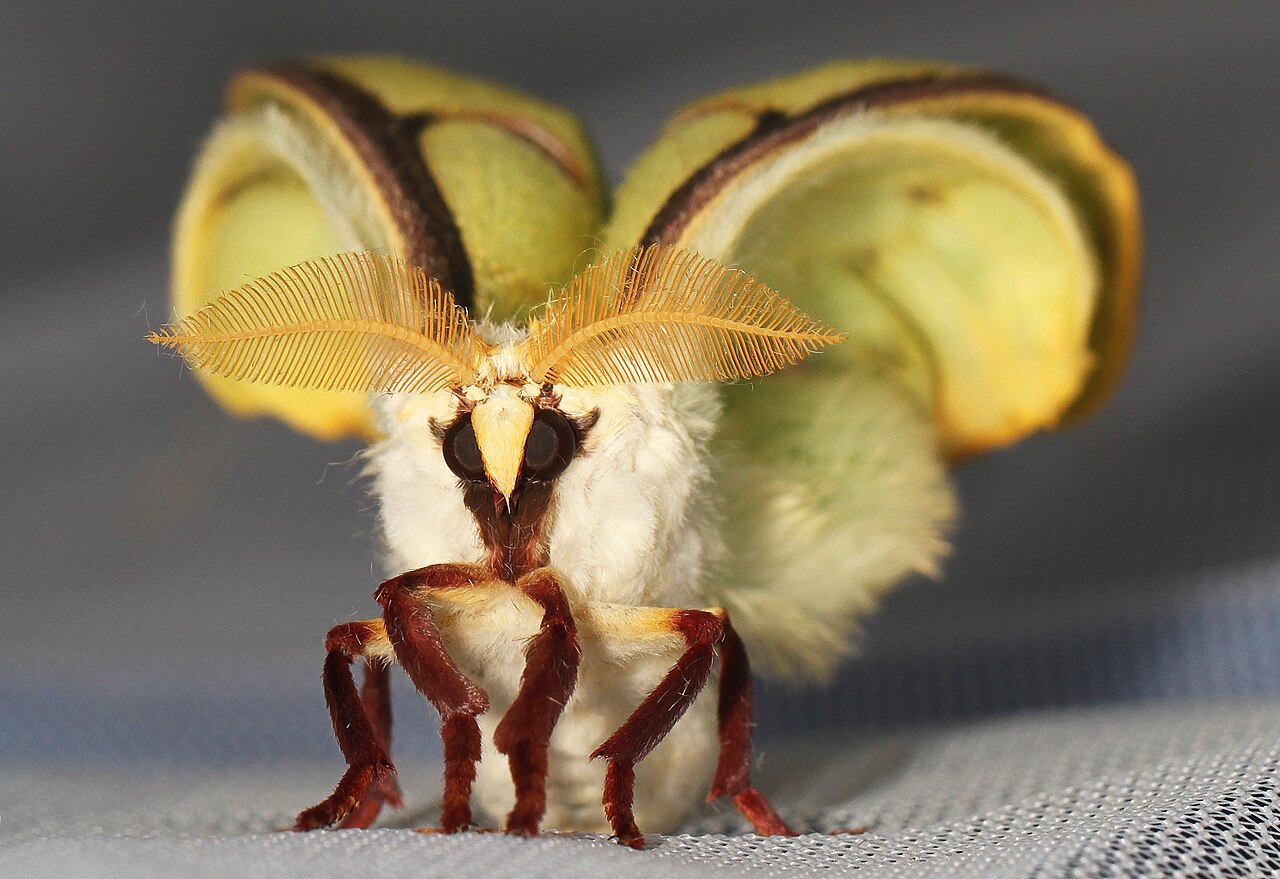
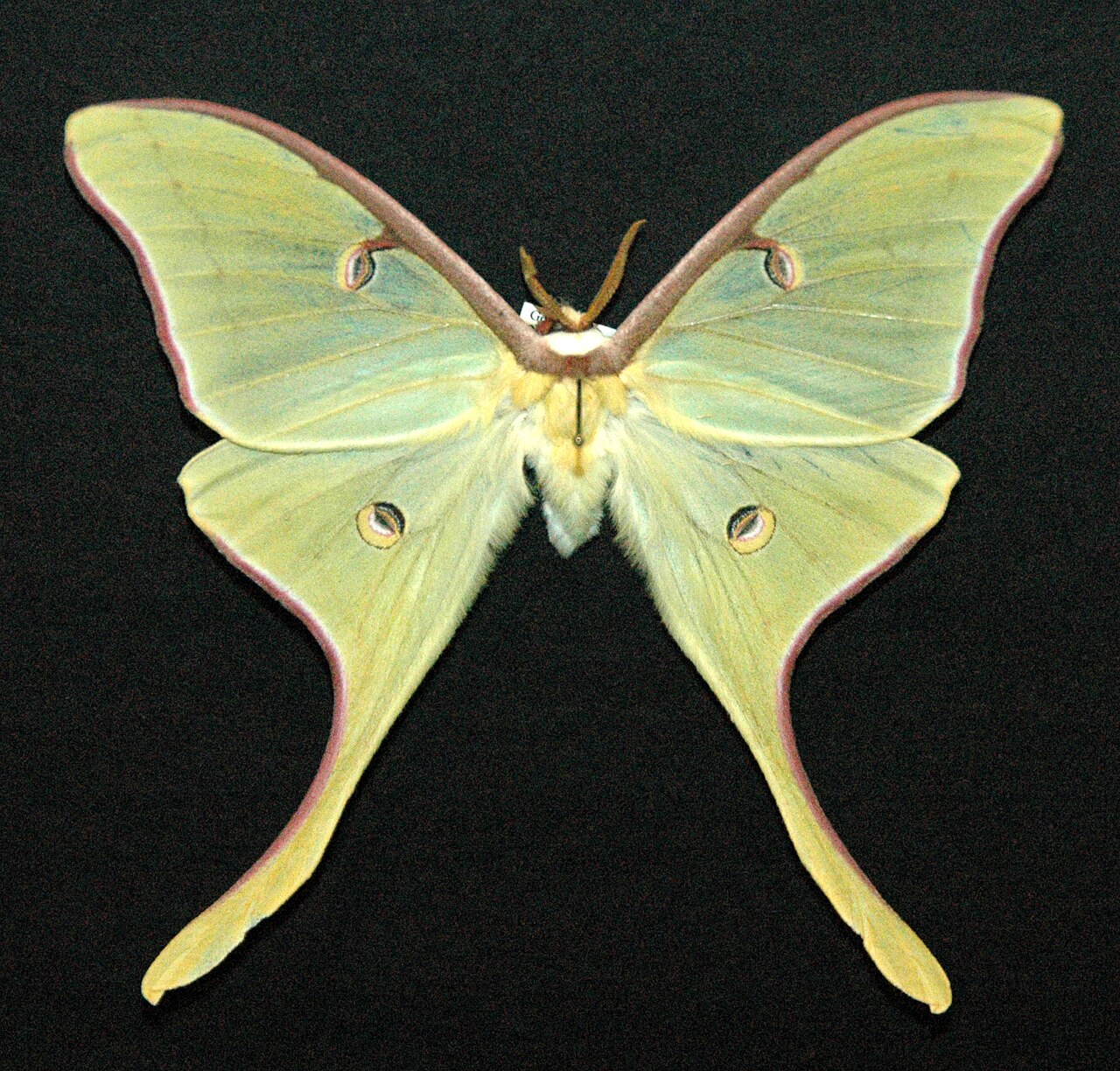
The luna moth occupies a distinctive position within moth tattoo symbolism specifically, since its pale, ethereal green coloring and remarkably brief adult lifespan, often just about a week, combine to create a symbolic reading closer to the butterfly’s more positive transformation themes than the darker, light-attraction symbolism covered throughout most of this guide, covered in complete detail in our luna moth meaning guide.
This species’ genuine rarity and fleeting adult life have made luna moth tattoos specifically associated with themes of rare beauty, spiritual guidance, and living fully within a brief but meaningful window of time, a somewhat gentler and more explicitly positive symbolic reading than the moth family’s general darker associations, making the luna moth a genuinely distinct choice for wearers drawn to moth imagery but seeking a more purely celebratory symbolic tone.
Choosing a luna moth specifically versus a more generic or darker-toned moth design represents a genuinely meaningful symbolic decision, since the luna moth’s specific pale coloring, distinctive tail markings, and cultural association with gentler, more spiritually guided themes sets it apart from the broader moth family’s typical darkness-and-light symbolic territory covered elsewhere throughout this guide.
The Death’s-Head Moth: Mortality and Transformation
The death’s-head hawkmoth, named for the distinctive skull-like pattern visible on its thorax, carries genuinely significant symbolic weight around mortality, transformation through darkness, and confronting difficult truths directly, a symbolism reinforced by the species’ cultural prominence, including its memorable and deliberately unsettling use in popular film specifically to evoke themes of transformation intertwined with genuine danger and psychological darkness.
This particular species’ symbolism leans more heavily into the moth’s darker thematic territory than almost any other commonly chosen moth tattoo design, making it a genuinely bold choice specifically for wearers wanting to directly acknowledge mortality, significant personal darkness overcome, or transformation achieved through confronting rather than avoiding difficult truths, a considerably more intense symbolic statement than the gentler luna moth reading covered in the previous section.
Despite its mortality-associated skull marking, death’s-head moth symbolism is not purely morbid but rather emphasizes transformation and growth achieved specifically through engaging with darkness and difficulty rather than avoiding it, connecting to broader philosophical and spiritual traditions that view genuine growth as requiring honest confrontation with mortality and darkness rather than only pursuing comfortable, purely positive experiences.
Other Notable Moth Species in Tattoo Design
The considerably larger cecropia and polyphemus moths, both members of the giant silk moth family alongside the luna moth, bring their own distinct visual and symbolic qualities to tattoo design, with the cecropia moth’s red-banded, robust appearance often read as representing groundedness and endurance, while the polyphemus moth’s large, prominent eyespots carry associations with watchfulness and seeing through deception or illusion.
White moths specifically, distinct from the pale luna moth’s greenish tone, carry their own symbolic associations connecting to broader white-colored insect and bird symbolism found across various traditions, often representing purity, spiritual visitation, or connection to departed loved ones, a symbolic thread explored in more depth in our white moth guide and paralleling similar white-colored symbolism found across other species entirely.
Hawkmoths more broadly, including but not limited to the death’s-head species covered earlier, are sometimes chosen specifically for their genuinely impressive flight capability and larger size compared to many other moth species, with some wearers drawn to the hummingbird moth’s remarkable hovering flight style specifically as a symbol of graceful adaptability and skill achieved through the same underlying moth family transformation biology covered throughout this guide.
Common Design Elements and What They Add
Moths paired with light sources directly, candles, lanterns, or moon imagery specifically, reinforce the core light-attraction symbolism covered throughout this guide, creating a combined design that visually represents the moth’s defining behavioral relationship with light rather than depicting the moth in isolation without this crucial symbolic context.
Moths combined with other darker or transformation-themed imagery, skulls, roses, or dagger elements, layer additional specific meaning onto the base moth symbolism, with skull pairings particularly reinforcing mortality themes especially relevant to death’s-head moth designs specifically, while rose combinations can soften the overall design toward more romantic or memorial readings alongside the moth’s core symbolism.
Realistic, detailed moth designs emphasizing genuine wing pattern accuracy tend to appeal to wearers drawn primarily to the specific species’ natural beauty and biological distinctiveness, similar to design considerations explored in our dragonfly tattoo meaning guide, while more stylized, geometric, or heavily shaded designs often prioritize the broader symbolic and emotional resonance of darkness, transformation, and light-pursuit over strict anatomical accuracy to any single specific moth species.
Placement Considerations for Moth Tattoos
Moths’ naturally symmetrical wing structure and often muted, detailed coloring make them well suited to back, chest, and shoulder placements, where the design’s full wingspan and detail can be appreciated at scale, similar to placement considerations for other symmetrical winged insect designs, while smaller, more minimalist moth designs adapt readily to wrist, forearm, or behind-the-ear placements for wearers wanting a more subtle, personal reference to the moth’s symbolic themes.
Given the moth’s strong nighttime and darkness associations, some wearers specifically choose black-and-gray or heavily shaded design styles regardless of placement, reinforcing the nocturnal symbolic themes covered throughout this guide through color and shading choices rather than relying on placement alone to convey the moth’s darker symbolic territory compared to more brightly colored butterfly designs.
Larger, more elaborate moth designs, particularly those incorporating additional light-source or darker thematic elements covered in the previous section, often work well across the upper back or chest, providing sufficient space for the full symbolic composition to read clearly, while death’s-head moth designs specifically, given their more intense mortality symbolism, are sometimes deliberately placed in less immediately visible locations by wearers who want the design’s fuller meaning to remain a more private, personal statement.
Frequently Asked Questions
What does a moth tattoo mean?
Moth tattoos symbolize instinct, vulnerability, and transformation pursued despite risk, drawing on the moth’s genuine attraction to light sources even when that pursuit carries danger, along with its shared metamorphosis biology with butterflies.
What is the difference between a moth tattoo and a butterfly tattoo?
While both share transformation symbolism from complete metamorphosis, moths carry more complex, shadow-embracing themes around instinct and risk, while butterflies typically represent more straightforwardly joyful, celebratory transformation.
What does a luna moth tattoo mean specifically?
Luna moths carry a gentler, more positive symbolic reading than typical moth designs, associated with rare beauty, spiritual guidance, and living fully within a brief but meaningful lifespan, closer to butterfly-style symbolism.
What does the death’s-head moth symbolize?
This species, named for its skull-like thorax marking, represents mortality and transformation achieved through confronting darkness directly, a considerably more intense symbolic statement than gentler moth designs like the luna moth.
Why do moths symbolize being drawn to light?
This draws on the genuine, well-documented behavior of moths repeatedly flying toward light sources even at risk of injury or death, symbolizing pursuit of meaning or truth despite real danger involved in that pursuit.
What does a white moth tattoo mean?
White moths often carry associations with purity, spiritual visitation, or connection to departed loved ones, paralleling broader white-colored insect and bird symbolism found across various cultural traditions.
Are moth tattoos a bad omen?
No, despite their darker symbolic territory, moth tattoos represent genuine transformation and growth rather than anything purely negative, with the darkness acknowledged as part of an honest, complete transformation story rather than an omen.