Bed Bug Shells: How to Identify Cast Skins and What They Mean
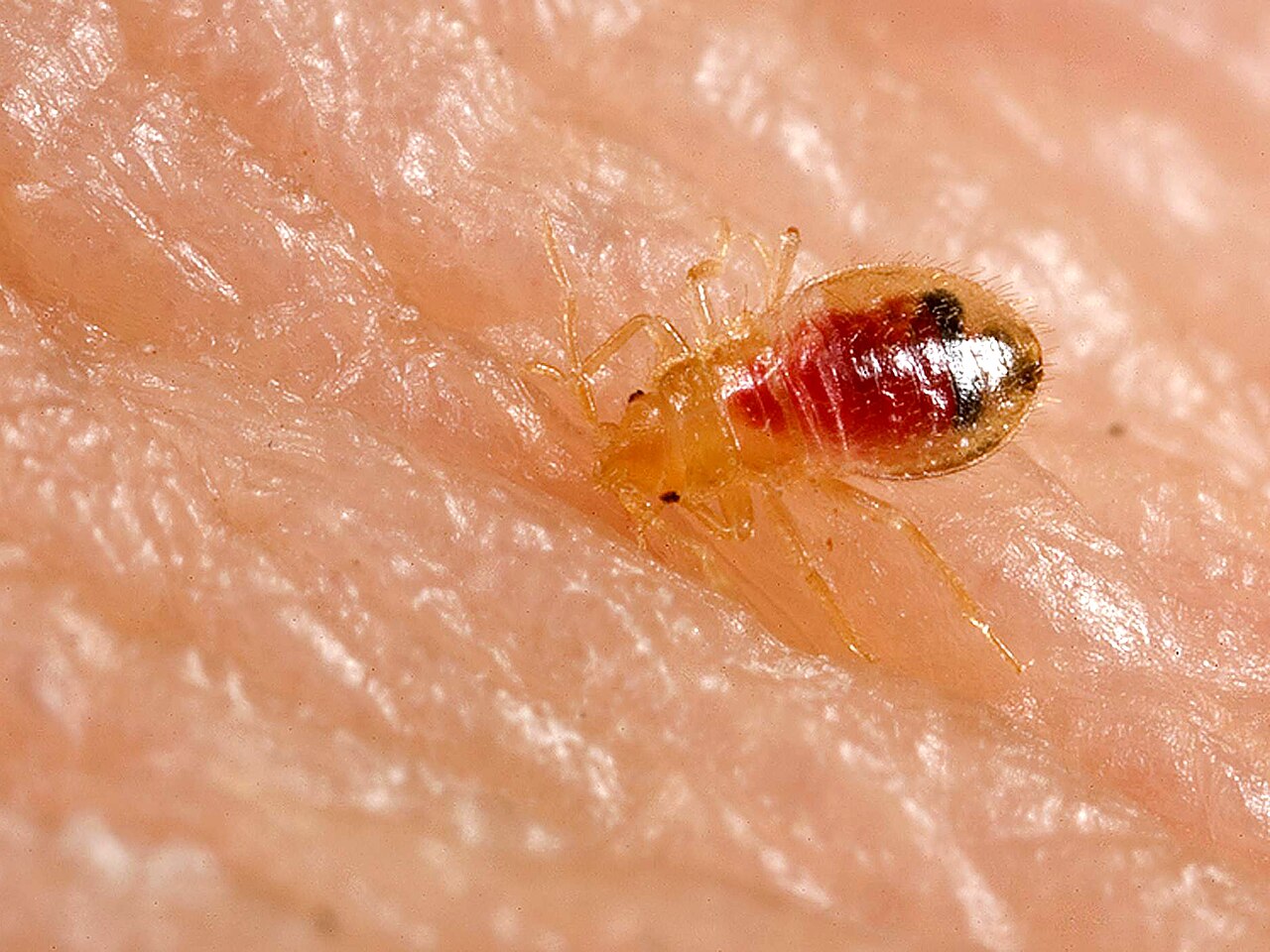
Bed bug shells are the empty, translucent skins that bed bugs leave behind every time they molt, and finding them means live bugs are feeding and growing somewhere within a few feet of where you sleep. Each shell is a hollow copy of the insect itself: same flat oval body, same six legs, same segmented abdomen, just amber colored and paper thin. Unlike bites, which can come from a dozen sources, bed bug shells are physical proof that does not fade or heal.
The good news is that shells are easy to read once you know what you are looking at. Their size tells you which life stage produced them, their number tells you roughly how long the infestation has been running, and their location tells you where the harborage sits. This guide walks through identifying bed bug shells with the naked eye, telling them apart from carpet beetle and cockroach cast skins, and what to do the hour after you find one.
Bed bug shells are cast skins, called exuviae, shed five times as a bed bug grows from nymph to adult. They look like hollow, pale amber bed bugs, 1.5 to 5 mm long, flat, oval, and empty at the head end where the bug crawled out. Finding them confirms a breeding infestation rather than a single hitchhiking insect.
| Life stage | Shell length | Shell color | Where you find it |
|---|---|---|---|
| First instar | 1.5 mm | Nearly clear | Mattress seams, near eggs |
| Second instar | 2 mm | Pale straw | Box spring corners |
| Third instar | 2.5 to 3 mm | Light amber | Headboard cracks |
| Fourth instar | 3 to 3.5 mm | Amber | Bed frame joints |
| Fifth instar | 4.5 to 5 mm | Deep amber | Baseboards, nightstand |
| Adult | No shell | Not applicable | Adults do not molt |
How to identify bed bug shells
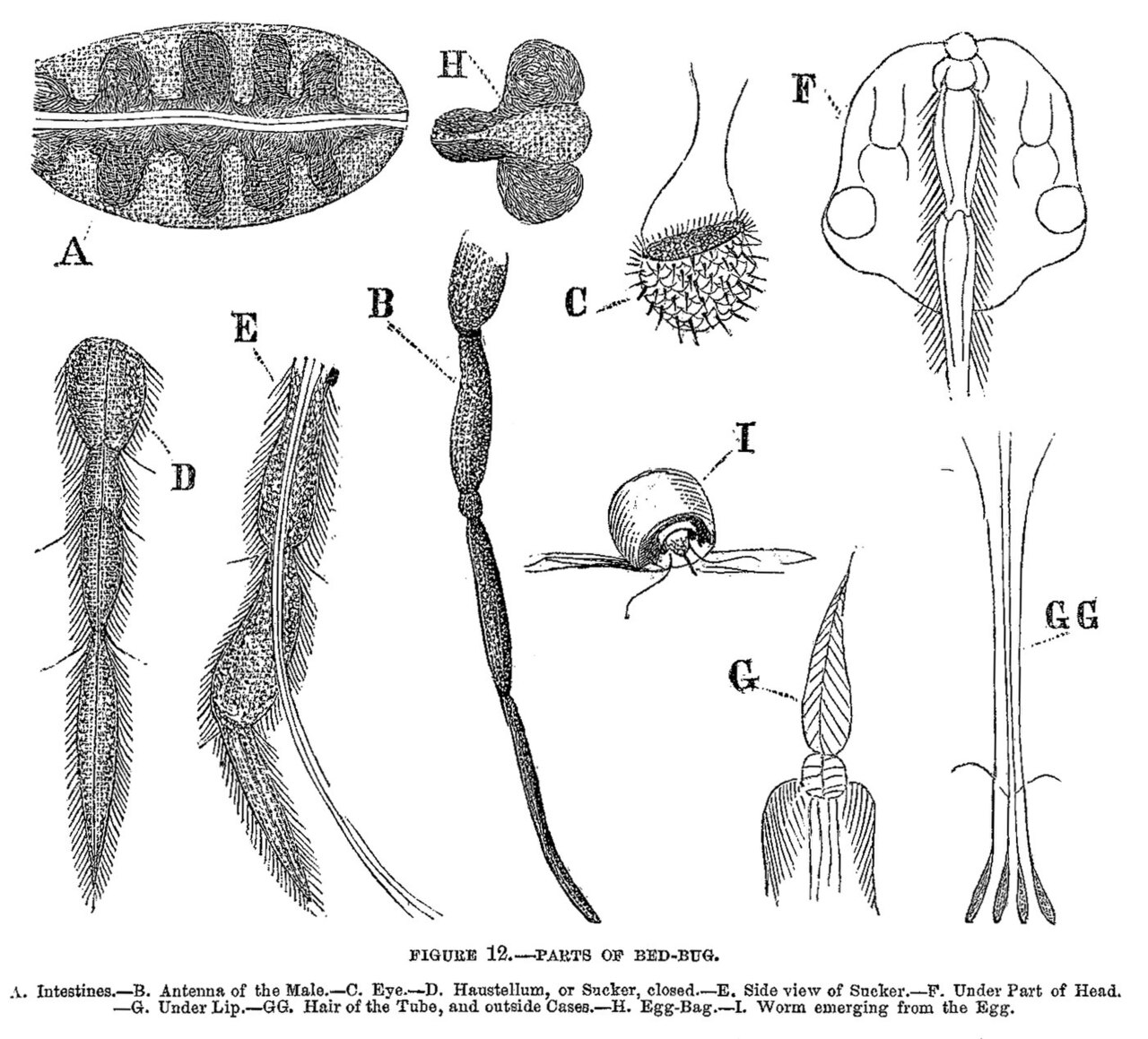
Start with shape. A bed bug shell is a flattened oval, broadest across the abdomen and tapering to a small head, with a distinct split along the top of the thorax where the insect pushed its way out. The common bed bug (Cimex lectularius) leaves a shell that keeps every detail of the living insect, including the horizontal ridges across the abdomen that look like stacked plates under a phone camera zoom.
Then check whether it is hollow. Press the tip of a business card against it. A shell collapses or skitters away weightlessly because there is nothing inside it. A dead bed bug, by contrast, has body mass and often a dark stain of digested blood in the abdomen. This single test separates shells from carcasses faster than any visual cue.
Finally, look for company. Molted skins almost never appear alone. Where you find one, a careful search within 12 inches (30 cm) usually turns up more shells, dark fecal spotting that looks like a marker pen bled through the fabric, and sometimes pearl white eggs about the size of a poppy seed. If you are still unsure what you are looking at, compare your find to the young cockroaches people most often mistake for bed bugs.
What does a bed bug shell look like to the human eye?
At normal reading distance a bed bug shell looks like a fleck of tan onion skin or a tiny flake of dried glue. Most people notice the color first: a warm translucent amber that catches light differently from lint, which is matte and fibrous. The shell holds its shape rather than crumpling, so it reads as an object rather than a smudge.
Under a phone camera at maximum zoom, the details resolve fast. You see six legs, two short antennae, and the characteristic flattened body that lets a live bed bug slip into a crack the thickness of a credit card. The eyes appear as two small dark bumps on the sides of the head even though the shell itself is empty.
Size is the part people consistently get wrong. A fifth instar shell at 5 mm is roughly the length of an apple seed, but a first instar shell at 1.5 mm is closer to a grain of coarse salt. Because the small ones are far more numerous early in an infestation, the first evidence most households find is smaller than they expect.
What do dead bed bug shells look like?
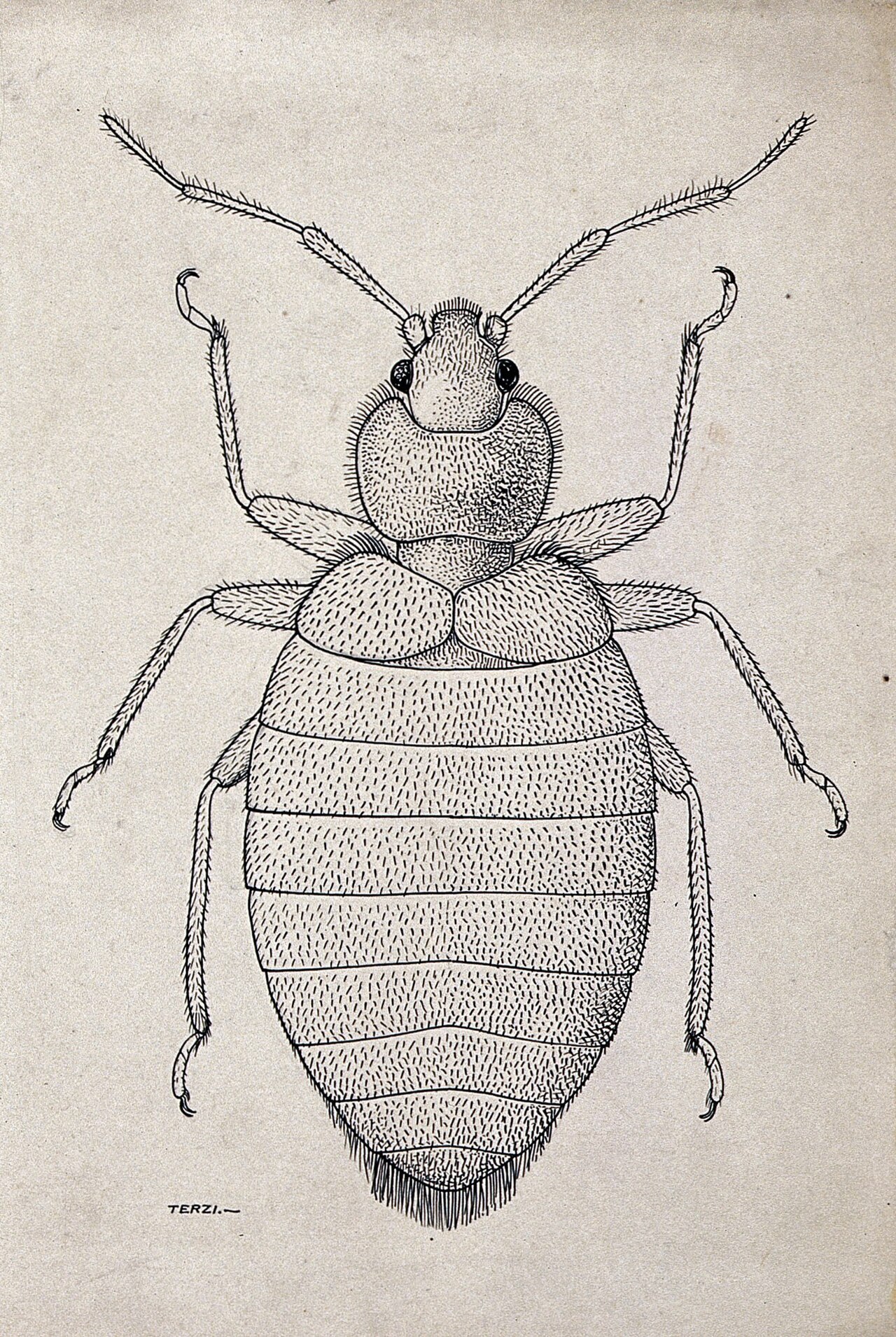
People use “dead bed bug shells” to mean two different things, and the distinction matters for treatment. A cast skin is not a dead insect at all: it is packaging the bug walked out of, and it means the population is growing. An actual dead bed bug is opaque, holds its legs curled under the body, and may be flattened or crushed rather than intact.
Dead adults that starved take on a shriveled, papery look and a dull brown color, while dead bugs killed after a blood meal often leave a rust colored smear when wiped. Cast skins never smear because they carry no blood. If a wipe with a damp white cloth leaves rust or dark brown residue, you are dealing with bodies or droppings, not molts.
Both findings mean the same thing for your next step. Even a pile of genuinely dead bugs after treatment tells you where the harborage was, and the surrounding area deserves the same attention as an active one. The droppings tell a similar story, which is why reading bed bug fecal spots pairs so well with shell identification.
Do bed bugs have hard shells?
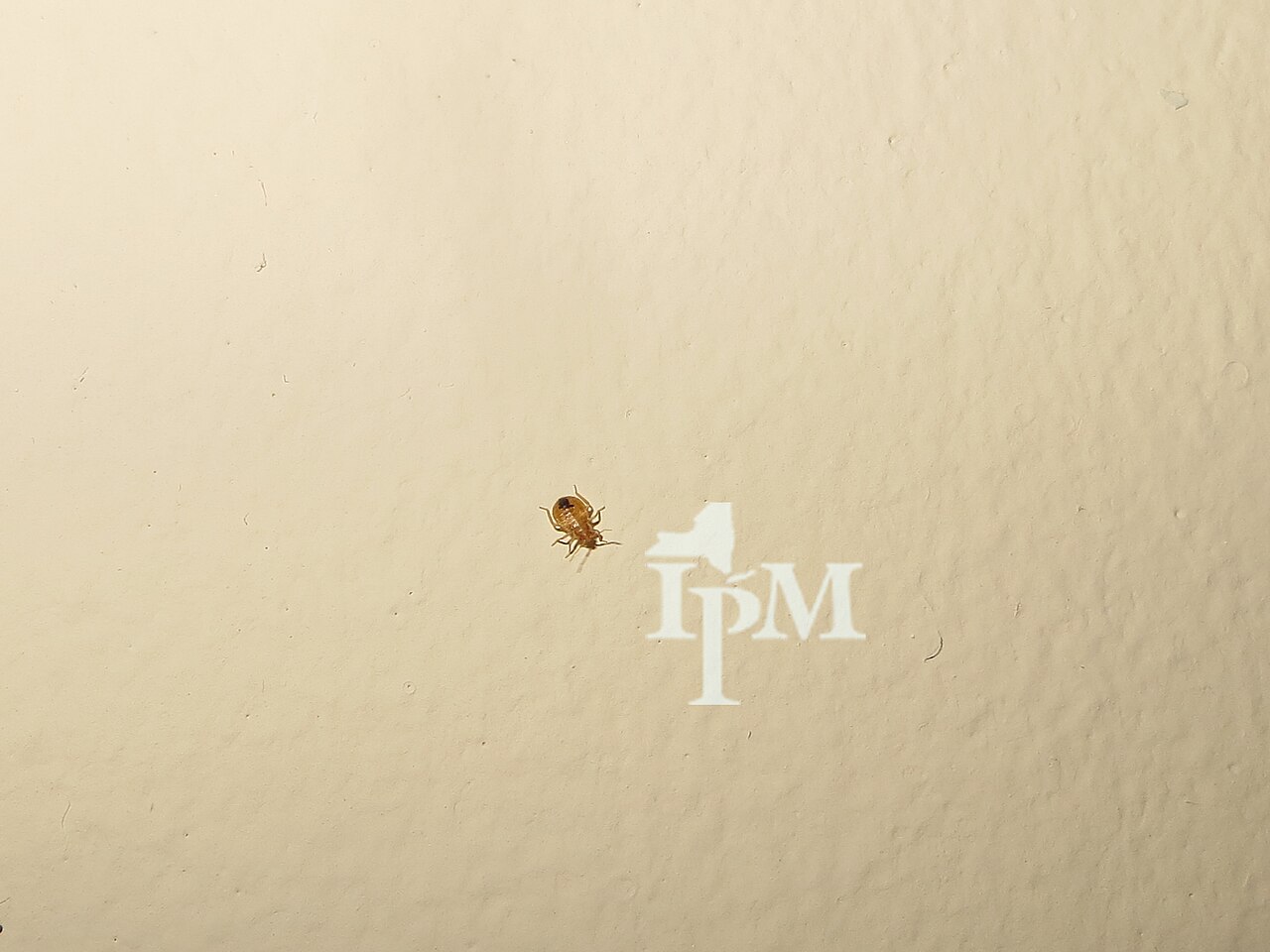
Bed bugs have an exoskeleton, but calling it hard oversells it. The cuticle is thin, flexible, and easily crushed between two fingers, which is why a bed bug can be killed by pressure that a beetle would shrug off. What the exoskeleton cannot do is stretch, and that constraint is the reason molting exists at all.
To grow, the nymph has to build a new, larger cuticle underneath the old one, then split the old one open and walk away from it. That discarded layer is the shell you find. Bed bugs molt five times between hatching and adulthood, so a single insect reaching maturity leaves five shells scattered across the places it fed and hid.
Each molt requires a full blood meal first. This is the most useful fact in shell identification: five shells of increasing size in one spot is the signature of a bug that fed five separate times within a few feet of that spot. It is not a hitchhiker, it is a resident.
How many bed bugs if you see one?
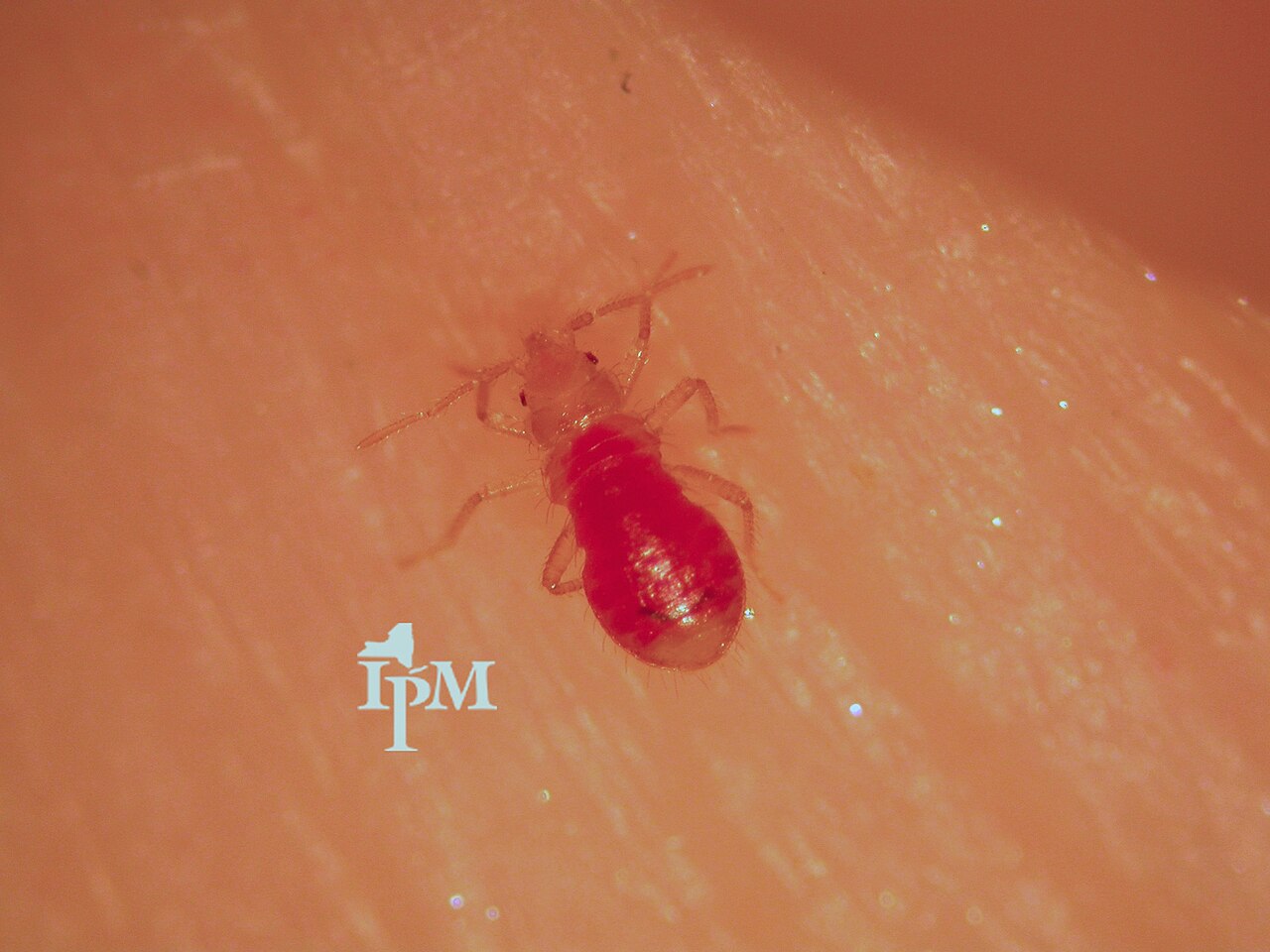
One live bed bug on a mattress is not automatically an infestation, but one shell almost always is. A single hitchhiking adult carries no shells because adults do not molt. Shells come only from nymphs, and nymphs come only from eggs laid on site, which means shed skins are evidence of reproduction rather than arrival.
Field experience from pest management operators puts the ratio at roughly 1 visible insect to 5 or more hidden ones during daylight inspection, because bed bugs spend most of their time inside cracks. A handful of shells in a mattress seam typically corresponds to a population in the dozens; heavy accumulation with visible fecal staining points to hundreds.
Counting shells by size gives a rough timeline as well. Shells from all five instars mean at least one full generation has completed, which takes about 5 to 7 weeks at room temperature. Only tiny first instar shells suggest a recent hatch and a much better chance of catching the problem early.
Where bed bug shells hide in a bedroom
Shells collect where bed bugs rest between meals, not where they feed. Work outward from the mattress in rings. The piping seam around the top edge of the mattress is the single highest yield spot, followed by the four corners of the box spring, the underside of the box spring fabric, and the slots and joints of the bed frame.
The second ring covers the headboard, especially where it bolts to the wall or the frame, plus the nightstand drawers and the screw holes in cheap particle board furniture. The third ring reaches baseboards, the edge of wall to wall carpet, curtain hems, and the seams of an upholstered chair within 10 ft (3 m) of the bed.
Use a flashlight held at a low angle rather than pointed straight down. Raking light throws a shadow off each shell and makes a scatter of 1.5 mm skins visible against fabric that would otherwise hide them. A plastic card run along the seam will flick both shells and live bugs out where you can see them.
Bed bug shells versus carpet beetle and cockroach skins
Carpet beetle larvae also shed skins, and they turn up in the same bedrooms. The difference is obvious once you look for hair: carpet beetle cast skins are bristly and elongated, shaped like a tiny fuzzy caterpillar, while bed bug shells are smooth, flat, and oval with no hairs along the sides. A careful walk through the full carpet beetle comparison covers the bites as well as the skins.
Cockroach skins are the other frequent mix up, especially from German cockroach nymphs. Those shells are longer than they are wide, more rectangular, and often pale white rather than amber, with long antennae that exceed the body length. Bed bug antennae are short and stubby by comparison.
Ticks confuse people less often but the confusion runs the other direction: an engorged tick looks nothing like a shell, but a flat unfed one does resemble a bed bug. The leg count settles it, since ticks are arachnids with eight legs while bed bugs have six. The details are in the tick and bed bug breakdown.
What kills bedbugs immediately?
Heat is the only method that kills on contact across all life stages including eggs. A clothes dryer on high for 30 minutes kills everything in a load of bedding, and professional whole room heat treatment holds the space at 120 to 135 F (49 to 57 C) until the core temperature of furniture reaches lethal levels. Steam at the nozzle kills what it touches directly.
Rubbing alcohol and many over the counter sprays also kill on contact, but only what they wet. They do not reach the bugs inside a hollow bed frame, and alcohol is a genuine fire hazard in the volumes people tend to use. Freezing works at 0 F (minus 18 C), but it needs about 4 days, so it is not immediate.
Nothing sold over the counter eliminates an established infestation in one pass. The EPA bed bug information center maintains current guidance on registered products and on integrated treatment, which combines heat, encasements, and targeted residual applications over several weeks.
What smells do bedbugs hate?
Bed bugs avoid some strong volatile compounds in laboratory settings, including certain concentrations of tea tree, lavender, peppermint, and blood orange oil. What the research does not show is repellency at the doses a household actually applies. A few drops in a spray bottle changes nothing about whether bugs feed tonight.
Bed bugs also produce their own alarm pheromone, a sweet musty odor often compared to overripe raspberries or coriander. In a heavy infestation people notice it in the room before they notice the insects. That smell is a detection cue, not a deterrent, and it means the population has grown large.
The practical takeaway is to skip scent based control entirely and put the effort into heat, encasements, and inspection. Every hour spent on essential oil sprays is an hour the population keeps doubling on a cycle of roughly 5 to 7 weeks per generation.
Do bed bugs go away if you shower?
Showering does not affect a bed bug problem. Bed bugs do not live on the human body the way lice or fleas do. They feed for 3 to 10 minutes, then leave the skin entirely and return to a crack or seam to digest, which means there is nothing on you to wash off in the first place.
What a shower does help with is the bites. Cool water and an unscented cleanser reduce the itching that leads to scratching and secondary infection. Persistent welts in a line or cluster are worth comparing against the typical bed bug bite pattern before assuming another cause.
Clothing is a different matter. Bed bugs do travel in the seams of clothes and bags, so the useful hygiene step is running worn clothing through a hot dryer cycle rather than scrubbing skin. Thirty minutes on high heat kills every life stage in the fabric.
What is the natural enemy of a bed bug?
Bed bugs have real predators, and none of them are useful indoors. Masked hunter bugs (Reduvius personatus), certain pharaoh ants, house centipedes, and some spiders all eat bed bugs opportunistically. The problem is that a predator population able to make a dent would itself be an infestation, and masked hunters bite people painfully.
Parasitic wasps and mites attack bed bugs in laboratory settings, but no biological control agent is registered for household use in the United States. The reproduction rate works against it: one female lays 1 to 5 eggs per day and up to 500 in a lifetime, which outpaces any casual predation.
Insect eggs in general are a good identification skill to have, since the tiny pale clusters on furniture are not always what people assume. Comparing them to other common household insect eggs helps rule out false alarms before you call anyone.
What to do the day you find bed bug shells
Do not strip the bed and start washing everything immediately. Moving infested items through the house is the most common way a problem contained to one room spreads to three. Photograph the evidence in place first, then bag bedding inside the room before carrying it to the laundry.
Encase the mattress and box spring in a zippered, bed bug rated cover and leave it on for at least a year, since bugs sealed inside can survive months without feeding. Pull the bed 6 inches (15 cm) from the wall, remove skirts and dust ruffles that touch the floor, and put interceptor cups under each leg to monitor activity.
Then call a professional. Self treatment has a poor track record against established infestations, and the failure mode is expensive: bugs scatter into adjoining rooms and the treatment area triples. A technician who sees your dated shell cards can size the problem on the first visit instead of the third.
Frequently Asked Questions
Do bed bug shells mean the bugs are gone?
No. Cast skins mean nymphs fed, grew, and molted in that spot, which is evidence of an active breeding population. Shells persist for months after treatment, so old skins alone do not prove current activity, but fresh accumulation alongside dark fecal spotting does.
How long do bed bug shells stay in a mattress?
Indefinitely. Exuviae are made of chitin and do not decay in a dry indoor environment. They can sit in a mattress seam for years, which is why technicians judge activity by counting new shells between visits rather than by the presence of any shell at all.
Can you see bed bug shells with the naked eye?
Yes, though the smallest ones test the limit. A fifth instar shell at 5 mm is clearly visible against dark fabric. First instar shells at 1.5 mm read as pale specks and are far easier to spot with a flashlight held at a low angle to cast shadows.
Are bed bug shells harmful to humans?
The shells themselves do not bite or carry disease. In heavy infestations, however, the accumulated skins and droppings break down into airborne particles that can trigger asthma and allergic reactions, particularly in children. That is a reason to remove them with a vacuum and sealed bag, not just for appearances.
What color are bed bug shells?
Translucent amber to pale straw, darkening slightly with each instar. They are never the deep reddish brown of a fed adult, because the color in a live bug comes from digested blood in the abdomen and a shell is empty. A dark, opaque find is a body or a dropping.
Do bed bug shells appear on furniture away from the bed?
Yes, especially in heavier infestations. Bed bugs typically stay within 10 ft (3 m) of a sleeping host, but as populations grow they spread to couches, recliners, nightstand joints, and baseboards. Shells on a living room sofa usually mean someone has been sleeping there.