Flying Squirrel Pet: Legal States, Cost and Real Care
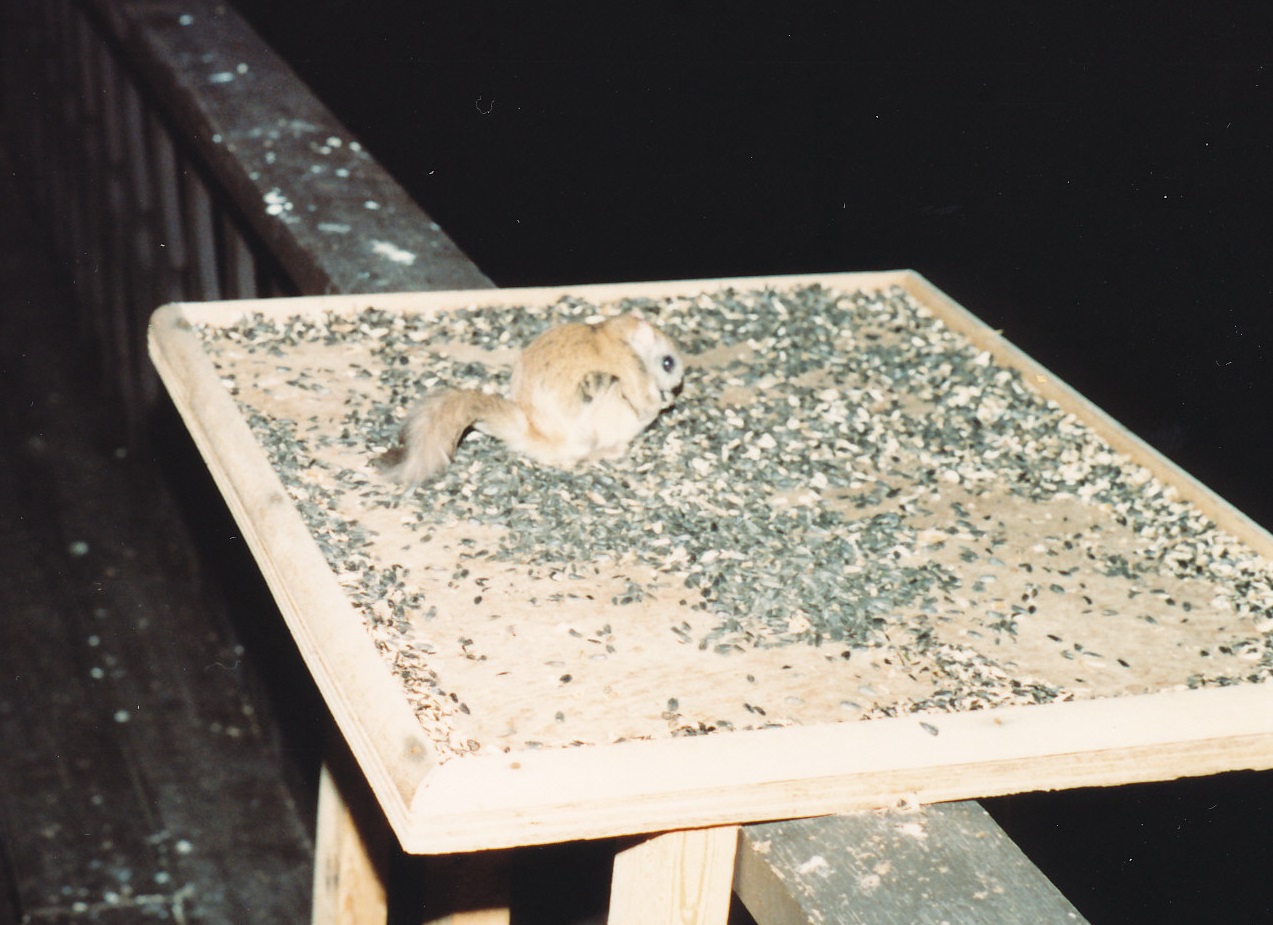
A flying squirrel pet is legal in some states, illegal in others, and demanding everywhere. Southern flying squirrels (Glaucomys volans) are the species kept in American homes, and captive-bred, hand-raised babies can become genuinely affectionate animals that ride in a pocket all evening.
They are also nocturnal, social, and long lived, which is where most placements go wrong. Before shopping, the two questions that matter are whether your state allows it and whether you can live with an animal that wakes up at 10 pm.
Flying squirrels can be kept as pets where state law allows, and only captive-bred southern flying squirrels should be considered. They cost $150 to $600, live 10 to 15 years in captivity, need a tall cage and a bonded companion, and are active at night. Wild-caught animals are illegal in most states and rarely tame.
| Factor | Flying squirrel |
|---|---|
| Species kept | Southern flying squirrel, Glaucomys volans |
| Price | $150 to $600 captive bred |
| Lifespan | 10 to 15 years in captivity |
| Active hours | Night, roughly 9 pm to 4 am |
| Minimum cage | Tall, 3 ft (0.9 m) or more, bar spacing under 0.5 in |
| Kept alone? | No, they are colonial and need a companion |
Can You Have a Flying Squirrel as a Pet?
Yes, where state law permits it and the animal comes from a licensed breeder. Only hand-raised babies pulled at four to six weeks bond properly; an adult taken from the wild stays wild, and that is true of orphaned squirrels of any species found in a yard.
Owners who succeed treat them like a pocket pet with a night shift. The squirrel sleeps in a pouch all day, comes out after dark, and wants an hour or two of handling. Miss that window for a week and the bond fades noticeably.
They are also colonial animals that nest in groups of a dozen or more in the wild, which is why a single caged squirrel does badly. Even the collective noun reflects it, as anyone who knows what a group of squirrels is called will recognize.
In What States Can I Own a Flying Squirrel?
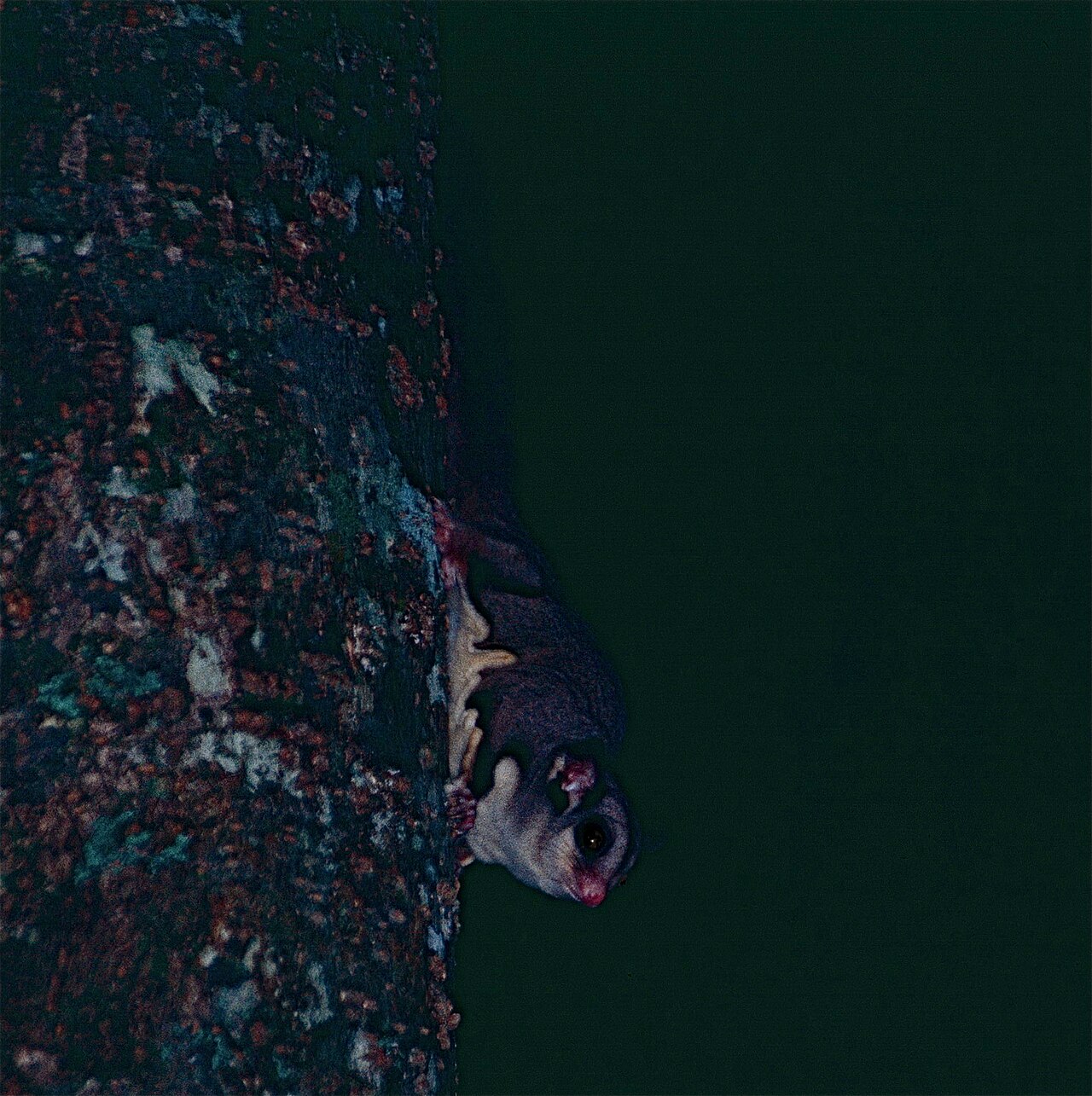
Rules vary by state and sometimes by county. Flying squirrels are generally legal in states including Florida, Texas, Kentucky, Indiana, Ohio, Pennsylvania, West Virginia, Arkansas, and several others, usually with a permit for native wildlife. They are banned in California, Georgia, Nevada, and New Mexico, among others.
Check twice: state wildlife agency first, then city ordinance. Some states allow possession only of animals bred in captivity with paperwork proving origin. The National Wildlife Federation wildlife guide is a good starting point on the native species themselves.
How Expensive Is a Flying Squirrel?
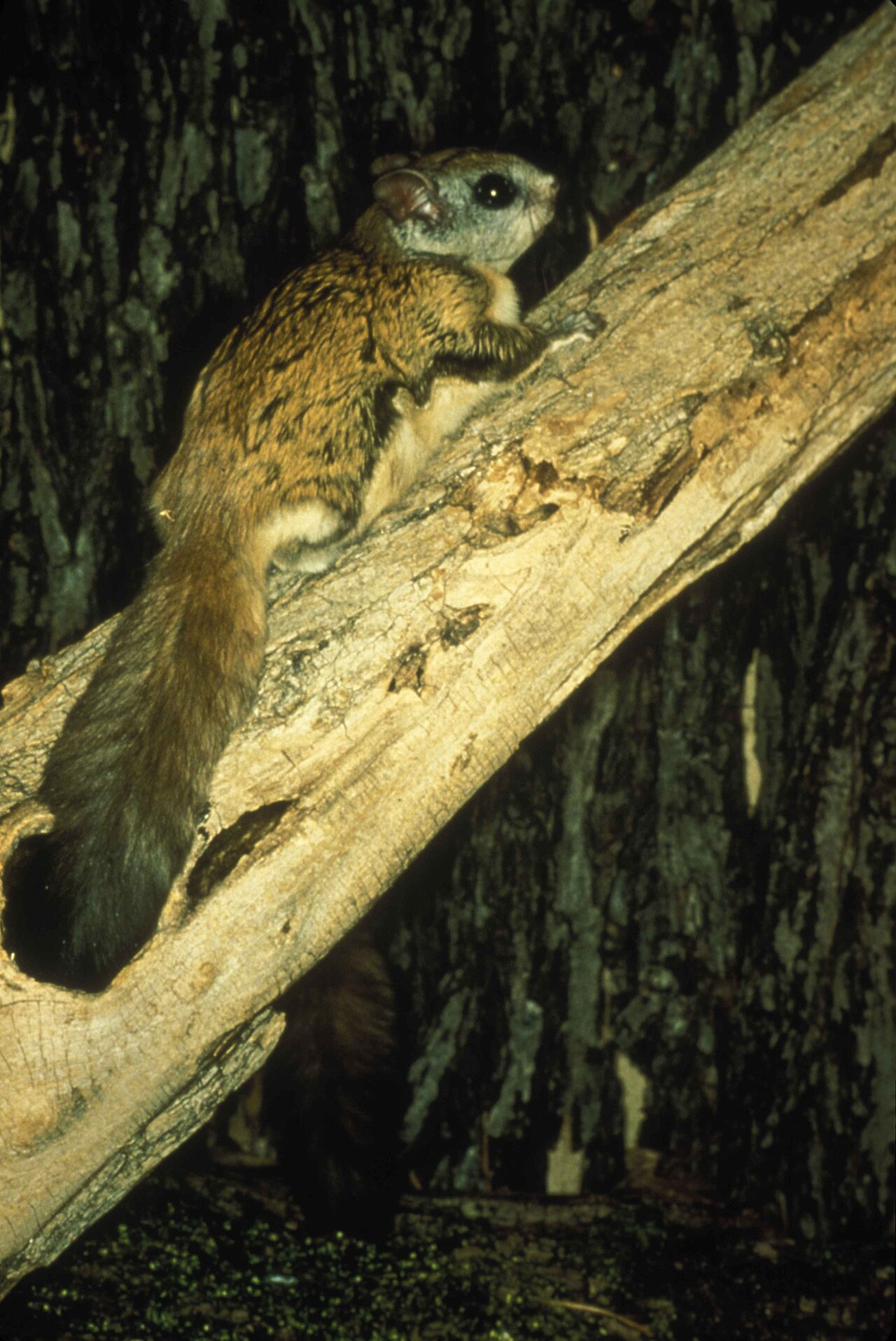
Expect $150 to $600 for a captive-bred baby, and more for a bonded pair. Setup runs another $200 to $400 for a tall cage, pouches, wheel, and nest box, and food costs $30 to $50 a month for nuts, fruit, insects, and a calcium supplement.
Vet care is the hidden expense. Few clinics see flying squirrels, and an exotics vet visit starts around $80. Metabolic bone disease from a nut-only diet is the most common and most preventable problem.
What Flying Squirrels Eat in Captivity
Diet is where most pet flying squirrels are failed. They are omnivores, not nut machines, and a bowl of peanuts and sunflower seeds produces metabolic bone disease within a year because those foods are high in fat and phosphorus and nearly free of calcium.
A workable diet is roughly half a quality rodent block or monkey biscuit, a quarter fresh fruit and vegetables, and a quarter protein from mealworms, crickets, boiled egg, or plain chicken. Nuts stay a treat at a few per day, not a staple.
Calcium supplementation is not optional. Dust insects with a calcium powder that contains vitamin D3 several times a week, and offer a cuttlebone in the cage. Early bone disease shows as hind leg weakness and reluctance to glide, and it is reversible only if caught fast.
Cage Setup and Daily Care
Height beats floor space. A cage at least 3 ft (0.9 m) tall with horizontal bars spaced under 0.5 in (1.3 cm) lets the animals climb and glide short distances, and narrow spacing matters because an adult squirrel weighs only 2 to 3 oz (55 to 85 g) and squeezes through gaps that look impossible.
Furnish it with branches, a solid-surface wheel, and at least two hanging fleece pouches for daytime sleeping. Avoid wire wheels and loose-weave fabric, both of which catch toes and the gliding membrane. Keep the room between 65 and 80 F (18 to 27 C) and out of direct sun.
Daily care is short: fresh food and water at dusk, spot cleaning, and handling time. A full cage clean once a week is enough, and the animals themselves stay clean, since their droppings are small and dry, closer to what tree squirrels leave behind than to rodent bedding waste.
Flying Squirrel vs. Sugar Glider
They look alike and glide alike, but a sugar glider (Petaurus breviceps) is an Australian marsupial and a flying squirrel is a North American rodent. Gliders are legal in more states, noisier, and smellier; flying squirrels are quieter and nearly odorless, which is why keepers who value a calm house prefer them.
Both are strictly nocturnal, so neither is a good match for a household that goes to bed at nine. Wild flying squirrels keep the same schedule, as anyone who has read about squirrel activity patterns knows, and captivity does not shift it.
If you want a small, handleable, daytime pet instead, an Abyssinian guinea pig is the easier animal by a wide margin.
Related reading: Siberian Flying Squirrel.
Related reading: Japanese Flying Squirrel.
Frequently Asked Questions
Can sugar gliders be good pets?
They can, for the right owner. Sugar gliders are social, intelligent, and bond hard to their keepers, but they live 12 to 15 years, must be kept in pairs, and bark loudly at night. They also need a complex diet with insects and nectar supplement rather than a seed mix.
Why is it illegal to own a sugar glider?
Where they are banned, the reason is usually invasive species risk and animal welfare concerns rather than danger to people. California, Hawaii, Alaska, and some cities including New York prohibit them outright. Enforcement is real, and confiscated animals are rarely returned.
Does Petsmart sell sugar gliders?
No. Major chains including PetSmart and Petco do not sell sugar gliders or flying squirrels. Both come from specialty breeders, exotic pet expos, or rescues, and buying from a breeder who lets you see the parents is the safer route.
Can sugar gliders be potty trained?
Not reliably. Gliders relieve themselves shortly after waking, so many owners use that timing to hold the animal over a cloth or a sink for the first few minutes of the evening. That is management, not training. Flying squirrels are no different, and both species will go wherever they happen to be.
Should I get 1 or 2 sugar gliders?
Two, always. A lone glider or flying squirrel develops self-mutilation, pacing, and loud distress calls, and a human cannot substitute for the round-the-clock company of a cage mate. Same-sex pairs or a neutered male with a female avoid unplanned litters.
How much do sugar gliders cost?
A joey runs $200 to $500, and a bonded pair costs more. Cage and setup add $250 to $500, since gliders need height and a safe wheel. Ongoing food and supplement costs are similar to a flying squirrel at roughly $40 a month. Nobody who understands the noise these animals make at night buys one on impulse.