Flying Squirrel Noises: Chirps, Calls and Attic Sounds
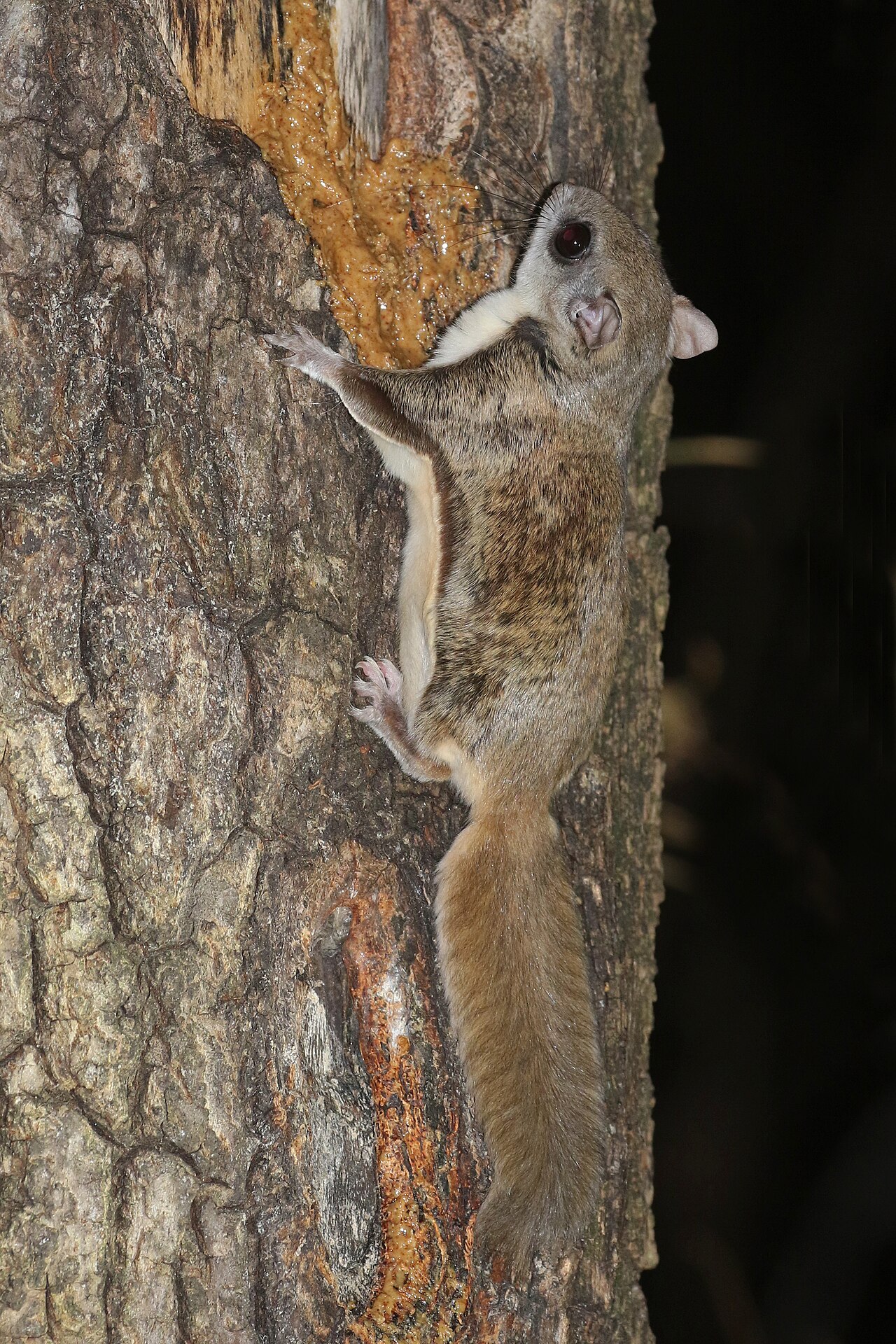
Flying squirrel noises are high, birdlike chirps and squeaks you hear overhead at night. Most people first notice them from bed, when something small seems to race across the ceiling after dark. The calls are thin enough to pass for a songbird, so many homeowners blame birds or mice first. Two North American species make these sounds, the southern flying squirrel (Glaucomys volans) and the northern flying squirrel (Glaucomys sabrinus).
Chirps that travel across the ceiling are the surest sign. Mice rarely call, and bat squeaks stay at one roost spot near the peak.
Flying squirrel noises are high-pitched, birdlike chirps and squeaks. In a house you also hear light, fast scurrying, soft landing thumps on the roof and rolling nuts. The sounds peak shortly after dusk and again before dawn, and they come from attics and upper walls.
What Flying Squirrel Noises Sound Like: Chirps and Twitters
Flying squirrels are generally quieter than gray squirrels and call mostly in short chirps. They also make barks, trills and harsher notes, especially when disturbed. You notice their calls most in a silent house after the television goes off.
Gray and red squirrel sounds are louder, lower and harsher, with barks, chucks and long chatters.
Chirps are the sound you hear most from flying squirrels. They are thought to work as contact calls between squirrels.
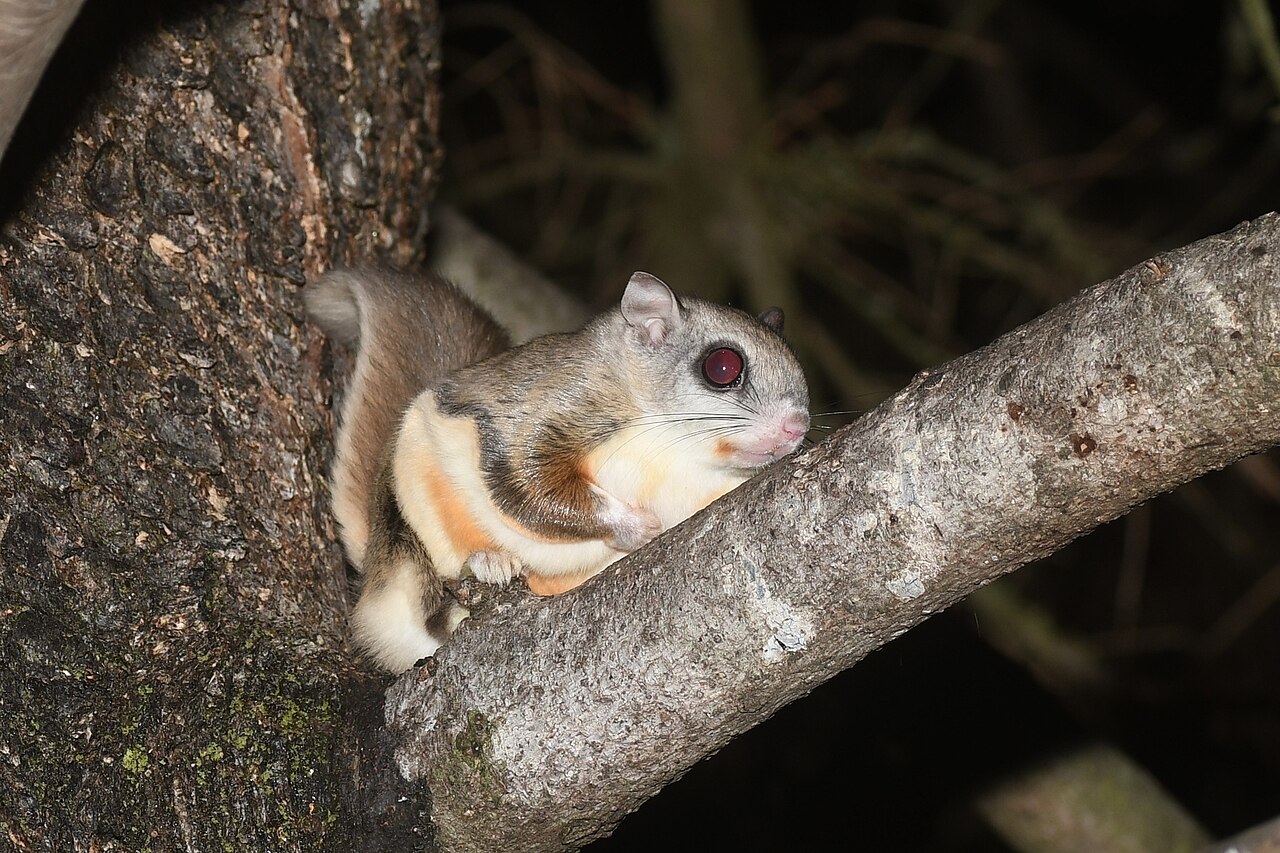
Twittering bursts rise when several squirrels share one nest. Flying squirrels are social, and a crowded nest in a wall or attic produces a busy, overlapping stream of soft notes. You hear it most as the animals wake, shift around and get ready to leave.
Chirps near the entry hole at dusk signal animals heading out to feed. Stand outside at dusk and watch the gap in the soffit or vent. You may hear chirping and movement shortly before the first squirrel leaves.
Sounds of Young Flying Squirrels
Baby squirrels give thin trills and chirps of their own, which are easy to mistake for mice. Recordings of captive flying squirrels include juvenile trills and tonal chirps. Squealing or chirping from inside the nest after dusk can mean young are present.
Nest sounds from young come from one fixed spot in the nest. They do not travel across the ceiling like the chirps and runs of adults, and they continue after the adults have left for the night.
Mating Season Chases
In breeding season males chase females, and the chases add more running and some calling to the nest area. Males call when near a female, but much of that calling is ultrasonic. In an attic, this sounds like small animals racing back and forth, then falling silent again.
Distress Squeaks and Fights
Sharp, harsh squeaks often come from a squirrel that is disturbed, cornered or trapped.
Cornered or handled flying squirrels give harsh, scolding chatters. The sound is a buzzing, angry string of notes, and it comes with a struggle to escape. Anyone who tries to pick one up hears it at once, and a bite can follow.
In an attic, sudden squealing points to a fight or a trapped animal. A squirrel caught between boards, in a trap or behind a newly sealed gap squeals again and again and scratches hard. Check for that situation before anything else.
Ultrasonic Calls Humans Cannot Hear
Part of the flying squirrel’s vocal range lies above human hearing, so some of their calling never reaches you.
Bat detectors pick up these calls. The device converts high-frequency sound into a range people can hear and logs activity you would otherwise miss. A detector left in the attic overnight shows whether animals are still moving and calling.
A quiet attic does not prove the squirrels have left. They can be calling above your hearing range or simply resting in the nest. Silence alone does not confirm departure. Fresh droppings at the latrine spots show the nest is still in use.
Scurrying and Footsteps
Flying squirrel movement sounds like a light, fast patter. A southern flying squirrel weighs under 3 ounces, so each step is barely more than a tap. The runs are quick and stop suddenly, then start again in another corner.
Mice make a similar light patter, but their runs keep to wall edges and floors. Flying squirrel runs cross the open attic along rafters and joists.
Landing Thumps on the Roof
A soft thump on the roof or siding marks a gliding squirrel landing. Flying squirrels do not fly. They glide from trees, land with a light bump and scramble toward the entry. Several thumps in a row at dusk or before dawn mean several animals are coming and going.
Rolling Nuts and Gnawing
Rolling sounds come from nuts stored and moved around the attic. Flying squirrels cache acorns and other nuts, and a nut rolling across a joist sounds like a marble. Gnawing and scratching near the soffits means the animals are enlarging an entry hole.
Where You Hear Flying Squirrel Noises in the House
The attic is the most common place to hear flying squirrels. They nest in loose insulation, run along rafters and use the attic as a base for the whole group. Walls and the roof edge follow close behind.
Attic: Noise here sounds like light running across the ceiling, soft chirps and rustling in insulation. The nest is a flattened hollow or a ball of shredded material near the eaves, where warm air collects. Sounds are strongest directly above it, and the runs radiate out from there along the rafters.
Walls: Scratching inside wall cavities comes from squirrels moving below the attic floor. They follow open channels between studs and climb back up the same way. The sound rises and falls as the animal moves, which separates it from a steady drip or a settling house.
Roof and Soffits: Landing thumps, scratching at vents and gnawing at gaps come from the roof edge. Noise clusters around the entry point, so the loudest spot is the best place to start looking. Mark it on a sketch of the house each night, and the pattern narrows quickly to one or two openings.
When Flying Squirrels Are Loudest
Flying squirrels are loudest shortly after dusk and again before dawn. Activity starts as the light fades and the group wakes, chirps and heads out to forage. That first burst lasts while animals gather at the exit and glide away one after another.
The middle of the night is quieter. Most of the squirrels feed outdoors then, and only a few stay behind or come back early. A pre-dawn burst follows as the animals return, chase each other briefly and settle into the nest for the day.
Daytime noise points away from flying squirrels. Most squirrel species are active by day, and the flying squirrel is the nocturnal exception. Running in the attic at midday usually points to a gray or red squirrel rather than a flying squirrel.
Flying Squirrel Noises vs Mice, Bats, Raccoons and Gray Squirrels
Step weight is the fastest way to tell attic animals apart. Raccoons are heavy and thump like a person crawling. Gray squirrels sound medium and bouncy. Flying squirrels and mice are both light, so the calls decide between them.
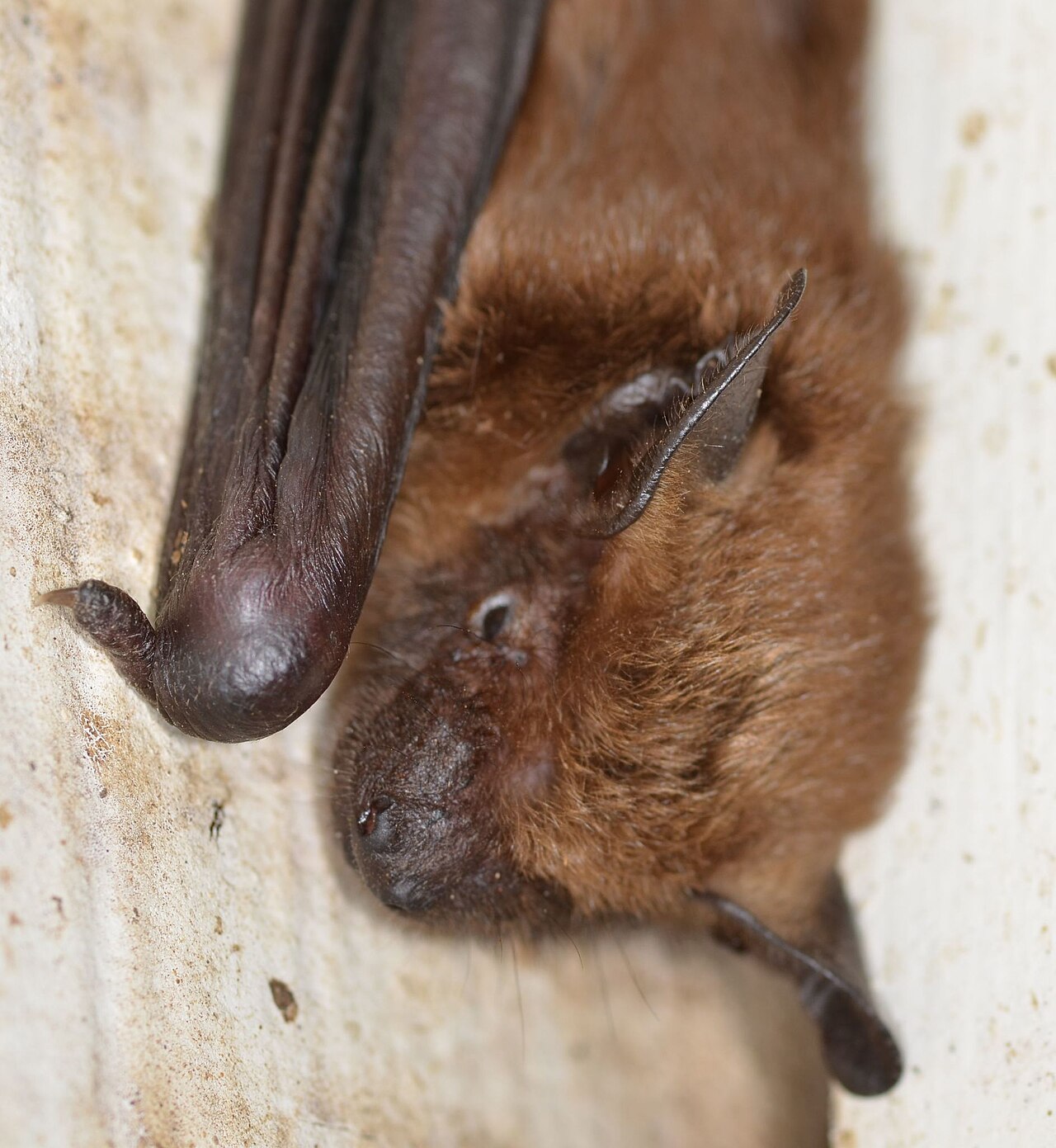
Mice scratch and scurry in short bursts without birdlike chirps. Their squeaks are faint and rare. Big brown bats (Eptesicus fuscus) rustle and squeak at the roost but do not run along rafters. Bat sounds stay in one spot near the roof peak and peak at dusk when the colony leaves.
Chipmunk sounds come from the ground outside, not from the attic. Their sharp chip notes rise from yards, woodpiles and stone walls during the day. Raccoons add growls and chittering to their heavy steps, a sound no squirrel matches.
| Animal | Peak noise time | Typical place in house | Signature sound |
|---|---|---|---|
| Flying squirrel | Dusk and before dawn | Attic, upper walls, soffits | Birdlike chirps and light patter |
| Gray squirrel | Early morning and daytime | Attic, roof edge | Loud chatter and bouncy running |
| Mouse | All night in short bursts | Walls, floors, kitchen | Faint scratching and tiny squeaks |
| Bat | Dusk and dawn | Roof peak, attic, behind shutters | Rustling and squeaks at one spot |
| Raccoon | Night | Attic, chimney | Heavy thumps, growls, chittering |
| No animal (roof, pipes) | Evening cooling, when taps close | Roof deck, walls | Single pops and knocks, no movement |
Night Noises With No Animal Behind Them
Not every night noise in the ceiling comes from an animal. Roof framing pops and ticks as it cools after sunset, and acorns dropping on the shingles give single thumps with no running afterward. Water pipes knock when a tap closes. None of these sounds travels along a path or comes with chirps.
The sequence tells them apart. A flying squirrel landing is followed within seconds by scrambling toward the roof edge, while an acorn thump stands alone. House pops cluster in the first hours after sunset and fade once the roof has cooled.
How to Confirm Flying Squirrels Are the Source
Watching the roofline at dusk is the surest confirmation. Stand outside as the light fades and watch the soffits, gable vents and roof edges. Flying squirrels slip out of a gap and glide to the nearest tree within minutes of each other.
Look for small, rounded entry holes near soffits or gable vents. Inside, droppings and urine stains concentrate in latrine spots rather than scattering across the attic. Record the noises overnight with a phone. Compare the timing with the table, and a dusk and pre-dawn pattern points clearly to flying squirrels.
A trail camera aimed at the entry settles the question. Flying squirrels show large, dark eyes, a flat tail and a loose fold of skin between the front and hind legs. No other attic animal combines those features.
Health Risks When Flying Squirrels Live in Your Attic
Flying squirrels in an attic bring a low but real disease risk through urine, droppings and bites. Leptospirosis bacteria spread through the urine of infected animals, according to the CDC. Illness can start 2 to 30 days after contact with those bacteria. Wear gloves and avoid stirring up soiled insulation.
Tularemia can come from contact with infected rodents. The CDC tularemia page states that the disease can be life-threatening but that antibiotics treat most infections successfully.
Southern flying squirrels are a known source of epidemic typhus in the eastern U.S., and the CDC links the rare cases to flying squirrels nesting in homes and cabins. The CDC does not count squirrels among the main rabies carriers, but any bite needs soap, water and a doctor the same day.
Frequently Asked Questions
Do flying squirrels make noise in winter?
Yes. Flying squirrels do not hibernate, and they stay active on winter nights. Winter attics carry chirping, rustling and running at dusk and before dawn, the same pattern as in summer. Snow and freezing nights shorten their trips outside but do not stop them.
Do flying squirrels make noise at bird feeders?
Yes. Flying squirrels visit bird feeders after dark and take sunflower seeds, so chirps and scrabbling at a feeder at night often come from them. Seed hulls under an emptied feeder in the morning point to the same visitor.
Are flying squirrels noisier in spring?
Yes. Breeding chases add running and some calling along rafters, and young in the nest add thin squeaks and trills. Southern flying squirrels can raise a second litter, so nest squeaks can return in late summer.
How many flying squirrels can share one attic?
More than one in most cases. Flying squirrels share nests, especially in winter, and overlapping chirps and footsteps reveal a group. Count the squirrels gliding out at dusk for a reliable number in your attic.
Will flying squirrels leave the attic on their own?
No. Flying squirrels leave every night to feed but return to the nest before dawn as long as the entry stays open. The attic offers warmth, shelter and stored food, so the group has no reason to move. Lasting removal starts with finding every gap and making sure all animals are outside.
Are flying squirrel noises louder in fall?
Yes. Fall brings more activity as flying squirrels gather and store nuts and look for winter nests. Expect more trips in and out at dusk, rolling acorns on the attic floor and new scratching at gaps. Squirrels that nested in trees over the summer can move into houses as nights turn cold.
Sources