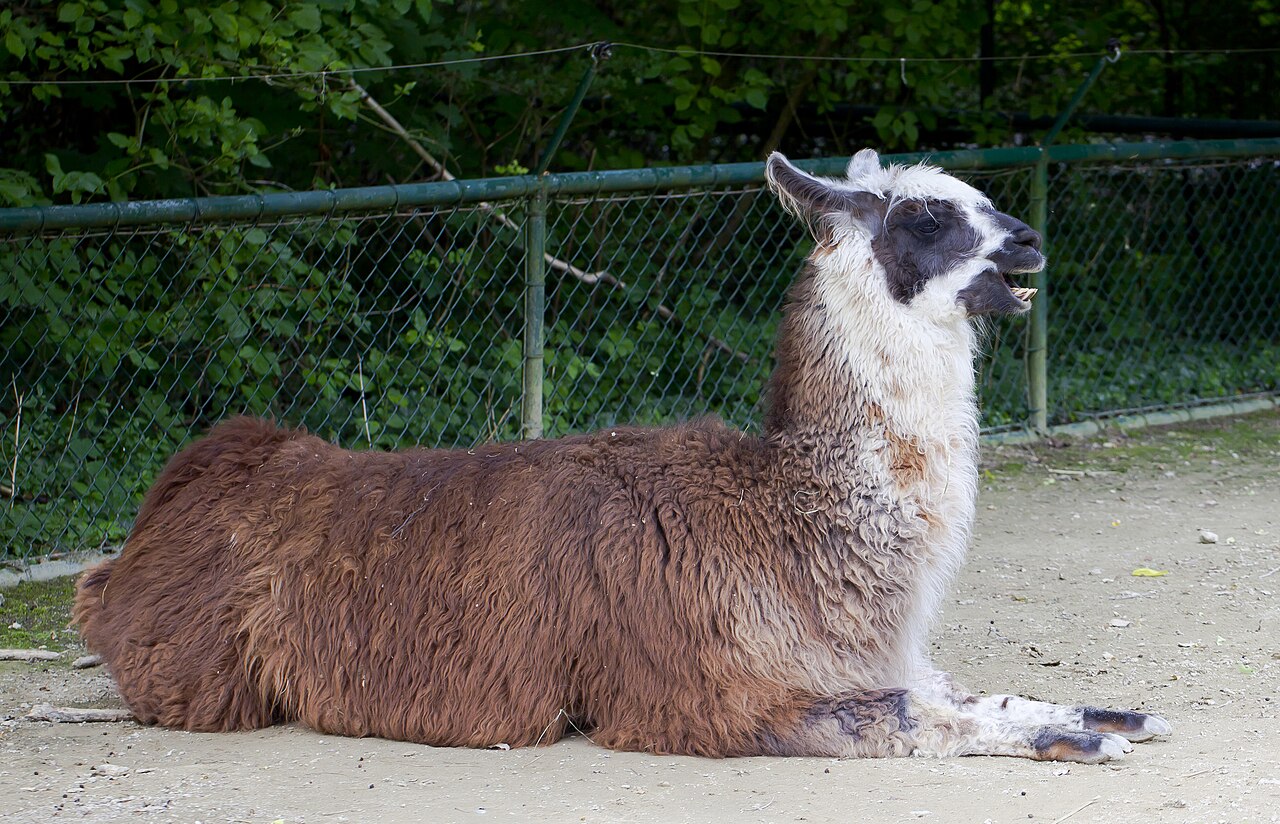
Llama Sounds: 8 Calls and What Each One Means
Llama sounds run from a soft constant hum to a shriek that carries half a mile, and each one means something specific. The hum is the everyday contact call, the rising shriek is an alarm, the gurgling orgle is a breeding male, and the clicks belong to a mother talking to her baby. Learn four of them and you can read a llama herd from the fence line.
Llamas (Lama glama) are far quieter than people expect. Most of the day they say nothing at all, then produce a short burst of sound tied to a single event: a dog at the gate, a feed bucket, a cria out of sight. This guide covers every call a llama makes, what triggers it, what time of day and year you hear it, and what the sound is most often confused with.
The main llama sound is a hum, a low “mmmm” used for contact, curiosity and mild worry. Llamas also make a loud rising alarm call that sounds like a horse whinny crossed with a squeal, an orgling gurgle during mating, tongue clicks between mother and cria, and a snort or grumble as a warning before spitting.
What is a llama sound called?
The default llama sound is called a hum, and that is the term breeders use. The other calls have their own names: the alarm call, the orgle for the male’s breeding sound, clucking or clicking for the mother and baby exchange, grumbling for the low complaint between herd mates, and screaming for genuine distress.
There is no single word that covers all llama vocalization the way bleat covers sheep. Llamas have a wider vocabulary than most livestock, and the sounds mean different things depending on posture. A hum from a llama with ears forward is curiosity; the same hum with ears pinned back and nose up is irritation.
The hum: the everyday llama sound
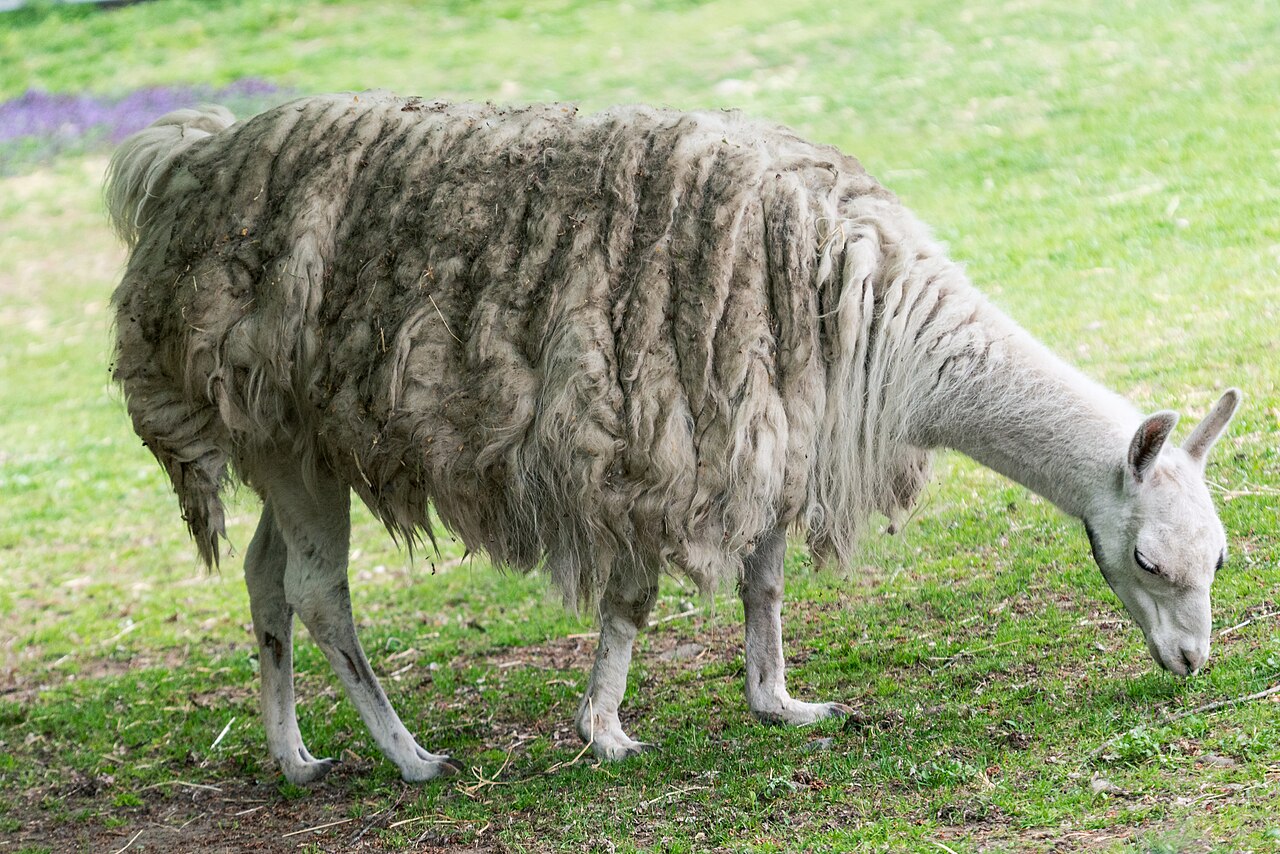
A llama hum is a closed mouth “mmmmm”, pitched roughly like someone humming a tune without opening their lips, lasting one to three seconds and often repeated. Volume stays low enough that you need to be within about 30 ft (9 m) to hear it clearly. Mothers hum to their crias almost constantly in the first weeks.
Humming covers a wide range: greeting, mild anxiety, boredom, hunger, and the sound a llama makes when it wants to know what you are doing. A llama separated from the herd hums louder and more often, which is the closest thing to a llama complaining. People new to llamas usually mistake the hum for a cow or a large cat purring.
The alarm call: what a llama does when it spots a predator
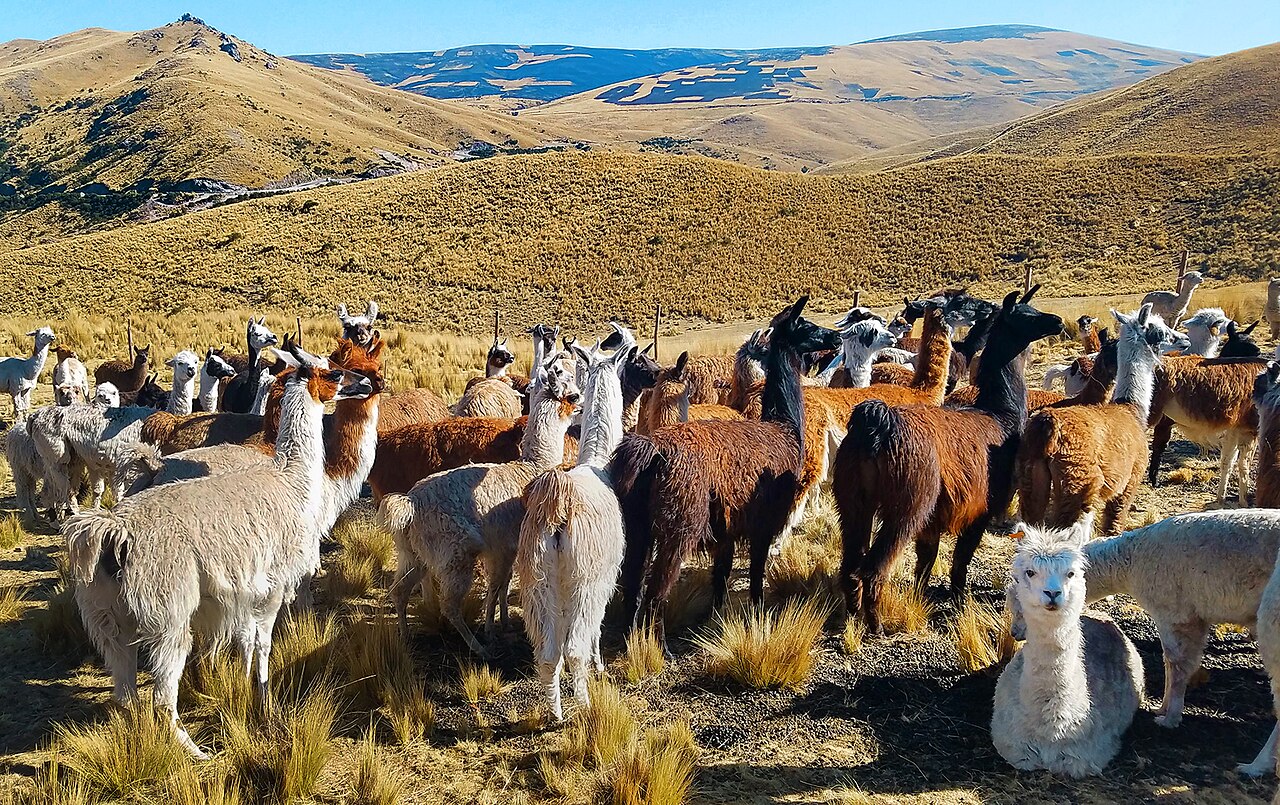
The alarm call is the one that startles neighbors. It is a loud, rising, two toned shriek, somewhere between a horse whinny and a rusty gate, repeated every few seconds and audible from several hundred yards. The llama giving it stands rigid, ears up, staring directly at whatever triggered it, and the rest of the herd stops and looks the same direction.
Dogs, coyotes, foxes and strange people set it off. This is exactly why llamas are used as guard animals for sheep and goats: the call alerts the whole pasture and often moves a predator along by itself. If the trigger is a cat sized shape at dusk, it may well be the animal in our guide to bobcat sounds, which hunts the same edges of farmland. Among birds, the function matches the harsh warning in our guide to blue jay sounds.
The orgle: the male llama’s breeding sound
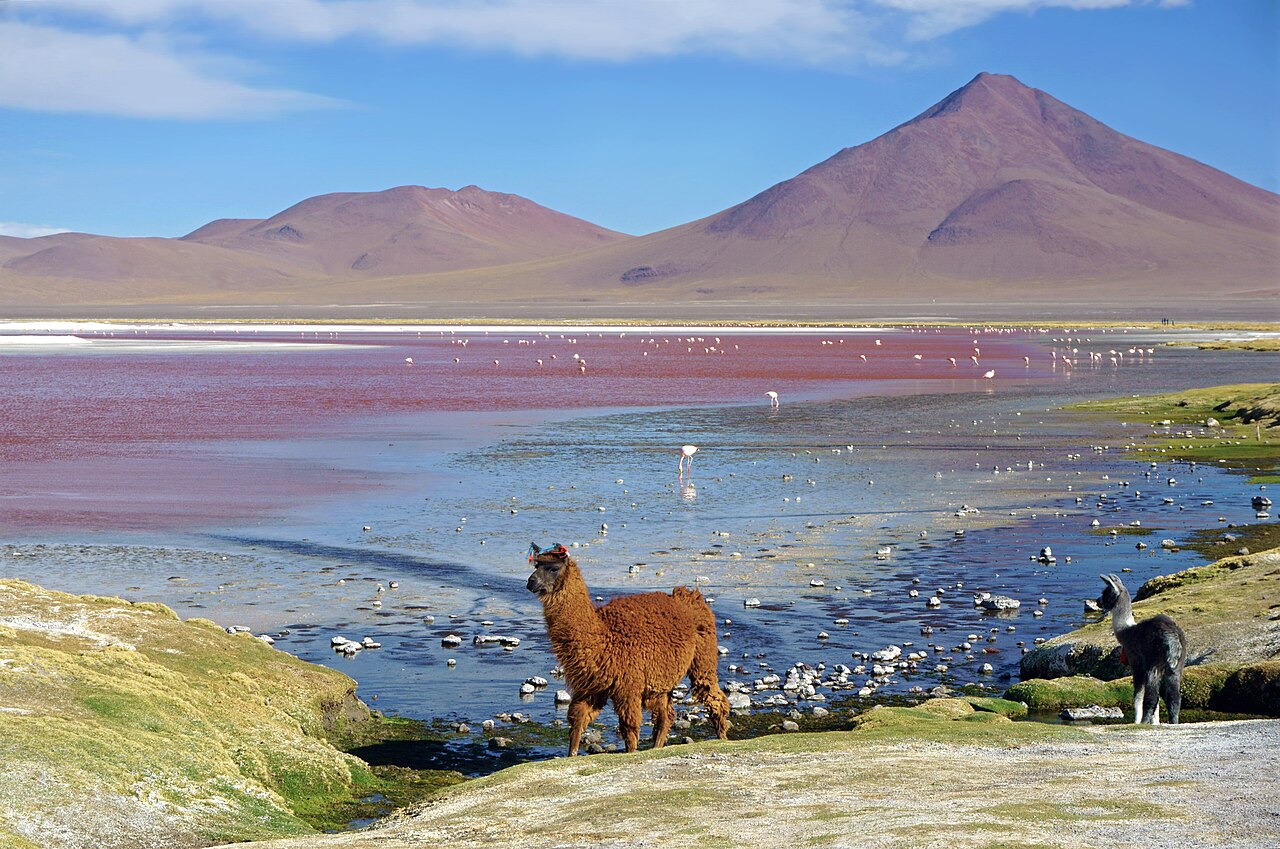
Orgling is the gurgling, throaty, almost mechanical sound an intact male makes while breeding. It is a continuous warble with a rolling “guh-guh-guh” quality that runs for the entire mating, which in llamas can last 15 to 45 minutes. Once heard it is impossible to confuse with anything else on a farm.
Only mature intact males orgle, so you will not hear it on most hobby farms, where males are usually gelded. Breeders consider a strong orgle normal and expected. Females stay nearly silent during breeding, lying in the cush position, while the male does all the vocal work.
Clucking and clicking: mother to cria
Clucking is a quick tongue click, like a soft version of the sound a person makes to urge on a horse. Mothers use it to reassure or redirect a cria, and llamas of any age use it toward a herd mate they are mildly concerned about. It often comes paired with humming.
Clicking also turns up as a greeting between familiar animals and as a low key warning to keep distance, especially around feed. Context separates the two: a clucking mother walks toward her baby, while a clucking llama at a hay feeder is telling another animal to back off. Our guide to baby llamas covers how fast crias learn to answer.
Grumbling and snorting: the warnings before a spit
A grumble is a low, wet, rolling gurgle from the throat, quieter than an orgle and far shorter. It means annoyance, usually about personal space at a feeder or a gate. A snort is a sharp burst of air through the nose, the standard llama way of saying stop. Both are polite by llama standards.
Ignore the grumble and the snort and the next step is spitting. In a herd these sounds settle most disputes without contact, which is why a well managed group sounds busy at feeding time and then goes quiet. The louder the grumble gets, and the higher the nose rises, the closer the spit.
How to tell if a llama is going to spit
Llamas escalate in a predictable order, and the sound changes at each step. First the ears go back and the nose tips up. Then comes the grumble or snort. Then a sharp hiss of air with the mouth slightly open, a gurgling sound rising from the stomach as green stomach contents come forward. That gurgle is the final warning, and you have a second or two to move.
| Sound | What it sounds like | Meaning | When you hear it |
|---|---|---|---|
| Hum | Low closed mouth “mmmm” | Contact, curiosity, mild worry | All day, year round |
| Alarm call | Rising shriek, whinny crossed with a squeal | Predator or stranger spotted | Dawn and dusk mostly |
| Orgle | Rolling throaty gurgle, continuous | Intact male breeding | Breeding season, daytime |
| Cluck or click | Quick tongue click | Reassurance or keep your distance | Around crias and feed |
| Grumble or snort | Wet gurgle, or sharp nasal burst | Annoyance, first warning | Feeding time |
| Spit gurgle | Deep rising gurgle with open mouth | Final warning, spit incoming | Any dispute |
| Scream | Loud, harsh, repeated shriek | Pain, panic, serious fight | Rare, any time |
Screaming and screeching: distress, pain and fighting
A screaming llama is an emergency. The sound is harsher and more continuous than the alarm call, often with a strangled quality, and it comes from animals in real pain, caught in fencing, attacked by dogs, or losing a serious fight between intact males. Most llama owners hear it once or twice in a decade.
The screaming llama videos that circulate online usually show stressed or badly handled animals, not normal behavior, which gives llamas a noisy reputation they do not deserve. A healthy, well socialized llama in a settled herd is one of the quietest large animals you can keep.
Cria sounds: what baby llamas say
Crias hum at a noticeably higher pitch than adults, and they do it constantly for the first few weeks, trading calls with their mother whenever they lose sight of her. A cria that is hungry, cold or separated raises the pitch into a thin wail that carries much further than an adult hum.
Crias also learn to cluck and to make a small version of the alarm call within their first months, usually copying the adults around them. They do not orgle, and they rarely spit well before six months. By a year old a young llama sounds like the rest of the herd.
Llama sounds by time of day and season
Llamas are most vocal at dawn and at dusk, which is when predators move and when they are usually fed. Midday is quiet, especially in summer heat, when a herd will lie in shade without a sound for hours. Night is normally silent unless something is prowling, and then the alarm call is unmistakable against the usual farm background of barn owl sounds and bullfrog calls.
Seasonally, late summer and fall bring orgling where intact males are kept, spring brings the constant mother and cria humming of birthing season, and winter feeding brings grumbling at the hay. Guidance from Penn State Extension on camelid management lines up with what owners report: a change in a llama’s usual noise level is worth investigating, because quiet animals that start humming nonstop are often unwell.
Llama sounds compared with alpacas and other animals
Alpacas hum too, and the two species sound close enough that even owners mix up recordings. Alpaca hums are higher and softer, alpaca alarm calls are thinner and less carrying, and alpacas do not orgle in the same deep rolling register. Size is the giveaway in person: a llama is 5.5 to 6 ft (1.7 to 1.8 m) tall at the head, an alpaca about a foot shorter.
Llama alarm calls get reported as everything from a screaming woman to a donkey to a hawk. Camels, the llama’s distant relatives, groan and bellow at a much lower pitch. If you heard something shrill at night near a barn and no livestock is kept nearby, compare it against our guide to bat sounds before assuming an escaped llama.
Frequently Asked Questions
What kind of noise do llamas make?
Llamas hum, click, snort, grumble, shriek and orgle. The hum is by far the most common and sounds like a person humming with their mouth closed. The loud rising alarm shriek is the sound most people remember, and it means the animal has seen something it does not trust.
Do llamas like to be petted?
Most llamas tolerate rather than enjoy being touched, and they prefer contact on the neck and shoulders to anything near the head. A llama that is comfortable will keep humming quietly while you stroke it. Pinned ears, a raised nose or a grumble means stop, and reaching for the face is the fastest way to earn a spit.
What animal is a llama?
A llama is a domesticated South American camelid, in the same family as camels, alpacas, guanacos and vicunas. It descends from the wild guanaco and has been bred in the Andes for at least 4,000 years as a pack animal and fiber producer. Llamas are even toed ungulates and chew cud like cattle.
What animal is mistaken for a llama?
Alpacas, most often. Alpacas are smaller, with short blunt faces, fluffy heads and short spear shaped ears, while llamas have long faces and long banana shaped ears. Guanacos and camels get mistaken for llamas in zoo settings, and from a distance a woolly sheep or a standing goat can fool people too.
Which is meaner, alpaca or llama?
Neither is mean by nature, but llamas are bolder and more likely to confront a threat, which is why they guard flocks. Alpacas are more skittish and more likely to flee. Both spit mainly at each other rather than at people, and an animal that spits at humans was usually handled badly when young.
What US state has the most llamas?
Oregon and Ohio have repeatedly reported the largest llama numbers in the USDA Census of Agriculture, with Colorado, Montana, Washington and Texas close behind. Totals have fallen nationally since the breeding boom of the 1990s, and rankings shift between census years, so treat any single figure as a snapshot.
What are the four types of llamas?
Llamas have no formal breeds, but breeders sort them by coat into four types: classic or ccara with a short coat and little neck wool, medium or wooly with moderate fiber, heavy wooly with dense fleece over the whole body, and suri with long twisted locks. Coat type has no effect on the sounds they make.