Barn Owl Sounds: The Screech and Other Calls Explained
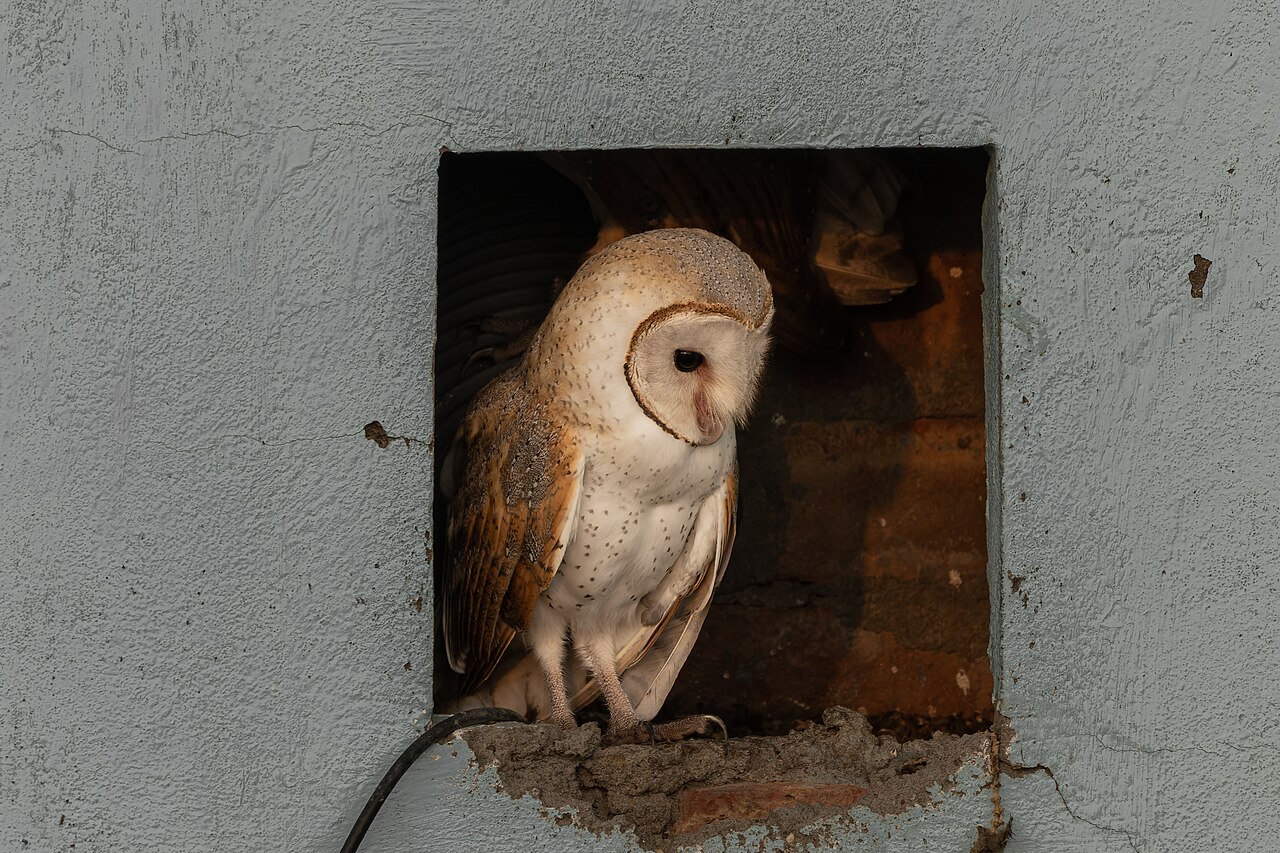
Barn Owl sounds are unlike those of any other owl, because the Barn Owl does not hoot at all. Instead it delivers a long, harsh, rasping screech, an eerie shriek that carries across the night and has fueled ghost stories for centuries. Alongside that unearthly scream, Barn Owls hiss, snore, and snap their bills, and their nestlings give loud, raspy snoring calls that surprise anyone who hears them. Pale, silent in flight, and vocal mainly around barns and old buildings, this ghostly owl is often heard before it is ever seen. This guide explains what each Barn Owl sound means, why the screech is so haunting, and when and where you will hear it.
| Call | Sounds like | Meaning |
|---|---|---|
| Screech (shriek) | A long, harsh, raspy scream | Territory and contact |
| Hiss | A drawn-out snakelike hiss | Threat or defense |
| Snore | A wheezing, raspy snore | Young begging for food |
| Bill-snap | Sharp clicks of the bill | Warning |
Barn Owls do not hoot. The signature Barn Owl sound is a long, harsh, rasping screech roughly two seconds long, given mostly in flight and mostly by the male. They also hiss, snore and snap their bills, and the drawn-out snoring call usually comes from hungry young in the nest.
What a Barn Owl sounds like
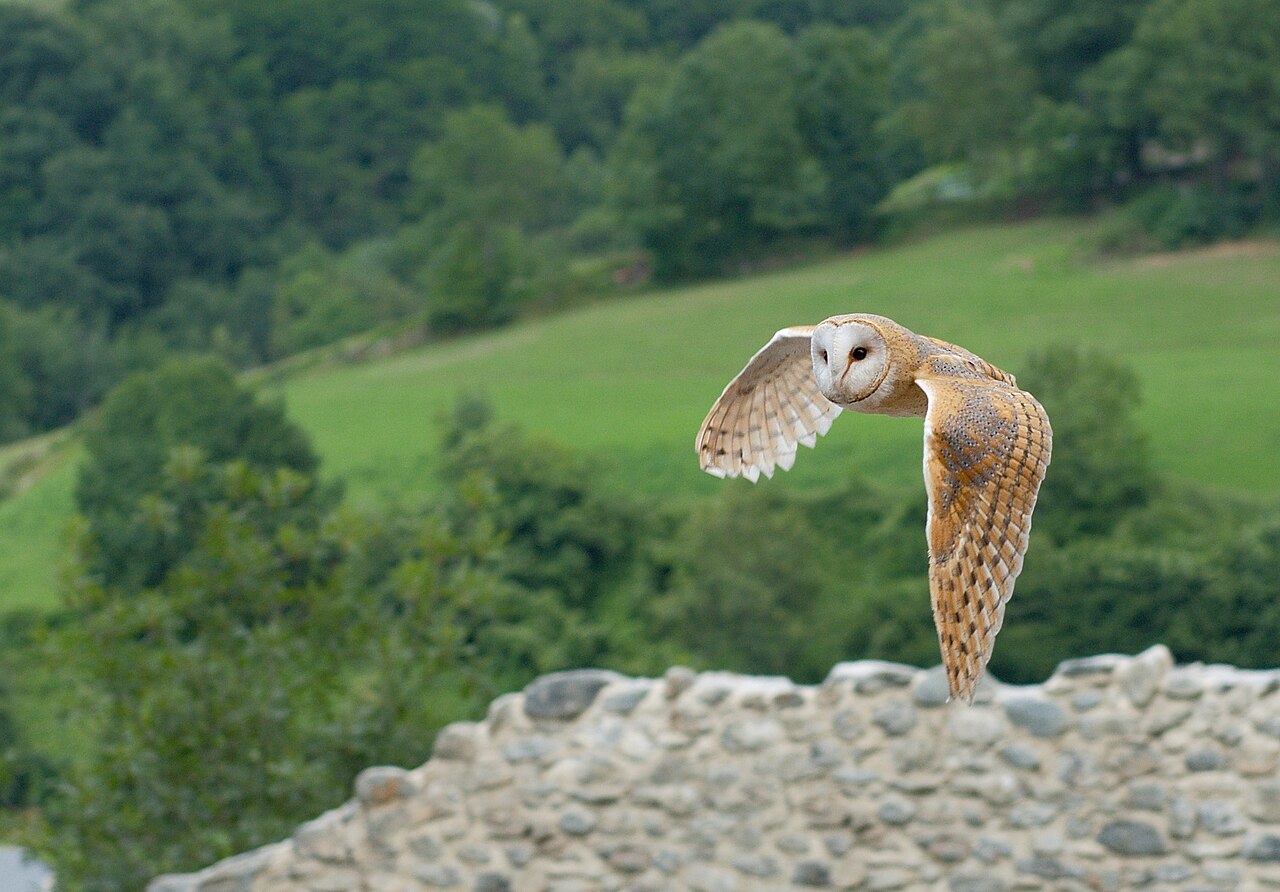
The signature Barn Owl sound is a long, harsh, rasping screech, a drawn-out shriek lasting a couple of seconds that has none of the musical quality of a hoot. It is a wild, almost mechanical scream, and heard unexpectedly from a dark barn or churchyard it can be genuinely spine-chilling. Males give this screech especially in flight as they patrol their territory, and it is the call most associated with the species.
Because the Barn Owl flies silently and hunts low over open ground in the dark, that sudden screech is often the only sign one is near. Unlike the hoots of woodland owls, the Barn Owl’s shriek is harsh and grating, and once you have heard it you will never mistake it for the gentle calls of other owls. If a bloodcurdling scream drifts from an old building at night, a Barn Owl is the likeliest source.
Hisses, snores, and bill-snaps
Beyond the screech, Barn Owls have a repertoire of other eerie sounds. When threatened at the roost or nest, an adult gives a long, drawn-out hiss, snakelike and unsettling, often while swaying its head and spreading its wings in a threat display, and it may snap its bill sharply as a further warning. These defensive sounds are meant to intimidate intruders and predators.
The most surprising Barn Owl sounds, though, come from the young. Nestling Barn Owls give a loud, wheezing, raspy snore, repeated persistently when they are hungry, and a nest full of snoring owlets can be startlingly loud from inside a barn. This snoring is a begging call, and it is one reason Barn Owls have become such popular subjects for nest cameras. To learn more about the bird itself, see our Barn Owl profile.
Why Barn Owl sounds seem so haunting
Few natural sounds have inspired as much folklore as the Barn Owl’s screech. Pale and ghostly, flying silently past windows and through graveyards, and screaming in the dark, the Barn Owl has been blamed for countless “ghost” sightings and treated as an omen in many cultures. Its harsh shriek, so different from the comforting hoot people expect from an owl, taps directly into old fears of the night.
In reality, of course, the screech is simply how this owl communicates, advertising territory and staying in contact with a mate as it hunts. But the eerie quality of the sound, combined with the bird’s spectral appearance, explains why it looms so large in owl symbolism and in the beliefs behind seeing a white owl. Knowing the truth behind the scream makes it fascinating rather than frightening.
When and where you will hear them
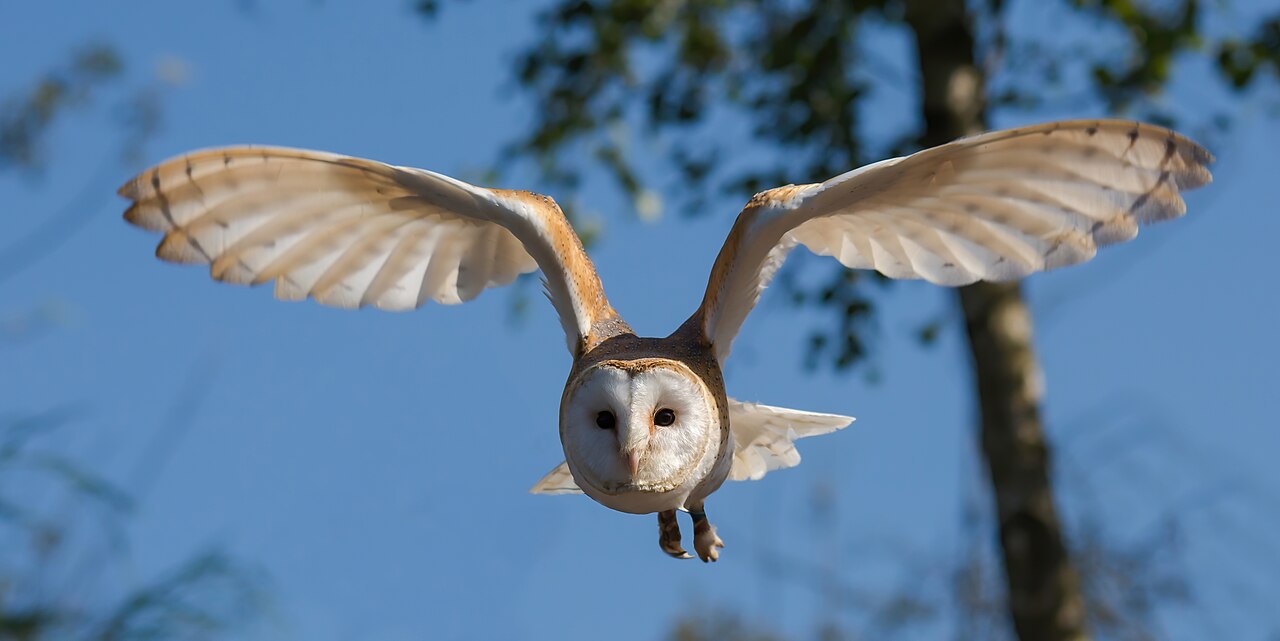
Barn Owls are most vocal during the breeding season and while defending a nest or roost, and because they are birds of open country, farmland, grassland, marshes, and desert edges, their calls tend to come from around barns, silos, old buildings, and nest boxes rather than from deep woods. Males screech in flight over their hunting grounds, so an open field at night is prime listening territory.
Since the Barn Owl flies in silence and calls mainly near its roost, hearing that harsh screech or the snoring of young is often the first clue that a pair has taken up residence in a structure nearby. In late spring and summer the wheezing begging of nestlings can continue for much of the night. Their strong association with barns and buildings makes them the owl most tied to the human-built landscape.
How to tell it apart from other owls
Telling a Barn Owl by sound is easy, because it is the only common owl that does not hoot. Where the Great Horned Owl gives deep muffled hoots and the Barred Owl gives its rhythmic “who cooks for you,” the Barn Owl delivers a long, harsh screech. The Eastern Screech-Owl, despite its name, gives a soft whinny and trill, nothing like the Barn Owl’s grating shriek.
So if the sound is a genuine harsh scream rather than any kind of hoot, whinny, or trill, and it comes from open country or an old building, you are hearing a Barn Owl. The snakelike hiss and the wheezing snores of young are further giveaways unique to this species. The Cornell Lab of Ornithology and Audubon offer recordings that capture its eerie screech. For every owl’s voice side by side, see our guide to owl calls by species.
Barn Owl screeches and other night screams
The Barn Owl‘s harsh shriek is not the only scream in the night, and it is worth knowing the impostors. Red foxes give a drawn-out, almost human scream in late winter that people often blame on owls, and other mammals and birds can produce unsettling calls after dark. The Barn Owl’s version is a long, raspy, mechanical screech, usually given in flight over open ground, which helps separate it from a fox’s more guttural, throaty scream delivered from cover.
Context is the best guide. A harsh screech drifting from around a barn, silo, or open field, especially paired with silent, pale flight or the wheezing snores of young, points firmly to a Barn Owl. A scream from dense woods or thickets in winter is more likely a fox. The Barn Owl’s eerie voice has fed centuries of ghostly folklore, explored in our guide to owl symbolism, but it is simply how this superb rodent hunter communicates.
Hosting Barn Owls and understanding their sounds
The Barn Owl is one of the most beneficial birds a rural property can host, and a nest box is the way to attract one. Mount a large, sturdy box 10 to 15 feet up on a pole or building near open fields, facing away from prevailing weather, and crucially avoid rodenticides, which poison the owls that would otherwise control your rodents for free. A single Barn Owl family can eat thousands of rodents in a year.
Once a pair moves in, expect the eerie screech of adults patrolling their territory and, in late spring and summer, the wheezing, raspy snores of hungry nestlings, which can carry surprisingly far from a barn or box. Resist the urge to open the box during nesting; a camera lets you watch without disturbing the family. Understanding that these unsettling sounds are simply Barn Owl communication turns a spooky night noise into a welcome sign of a valuable neighbor.
Related reading: Barred Owl Call.
Why Do Barn Owls Screech at Night?
Barn Owls screech at night for the same reasons other owls hoot: to advertise a territory and to keep contact with a mate. The screech is the species’ territorial song, and because Barn Owls are almost entirely nocturnal, the call is compressed into the hours when nobody expects to hear a bird singing.
The timing follows the season. Screeching peaks in late winter and early spring as pairs establish nest sites, then again in late summer when young birds disperse and call while hunting unfamiliar ground. A male will screech repeatedly while flying a circuit of his territory, which is why the sound seems to travel across a field rather than coming from one fixed point.
A separate sound often gets attributed to screeching. The long, rattling snore heard from a barn, church tower or nest box is not a territorial call at all but begging from nestlings, and it can continue for hours. The Cornell Lab’s Barn Owl sound library has recordings of the screech, the hiss and the nestling snore side by side.
Frequently Asked Questions
Do Barn Owls hoot?
No. Barn Owls do not hoot at all. Their signature sound is a long, harsh, rasping screech, and they also hiss, snore, and snap their bills. The lack of hooting sets them apart from most owls.
What does a Barn Owl sound like?
Its main call is a long, harsh, raspy screech or shriek lasting a couple of seconds, often given in flight. It is eerie and grating rather than musical, unlike the hoots of woodland owls.
What is the snoring sound Barn Owls make?
That wheezing, raspy snore is the begging call of young Barn Owls asking for food. A nest full of snoring owlets can be surprisingly loud, especially at night in late spring and summer.
Why do Barn Owl sounds seem so scary?
The Barn Owl is pale, flies silently, and gives a harsh screech in the dark, so it has long been linked to ghosts and omens. In reality the screech is just how it communicates and defends territory.
What does it mean when a Barn Owl hisses?
The drawn-out, snakelike hiss is a threat display given when the owl feels cornered at its roost or nest, often with head-swaying, spread wings, and bill-snapping to intimidate an intruder.
When are Barn Owls most vocal?
During the breeding season and while defending a nest or roost. Males screech in flight over their hunting grounds, and the wheezing begging of nestlings can continue much of the night in summer.
Where are you most likely to hear a Barn Owl?
Around open country and human structures, barns, silos, old buildings, and nest boxes near fields and marshes, rather than in deep woods. Males screech as they hunt low over open ground.
How do I know it is a Barn Owl and not another owl?
If the sound is a genuine harsh screech rather than a hoot, whinny, or trill, and it comes from open country or an old building, it is a Barn Owl. Hisses and wheezing snores confirm it.