Canada Goose: Identification, Behavior, and Migration Guide
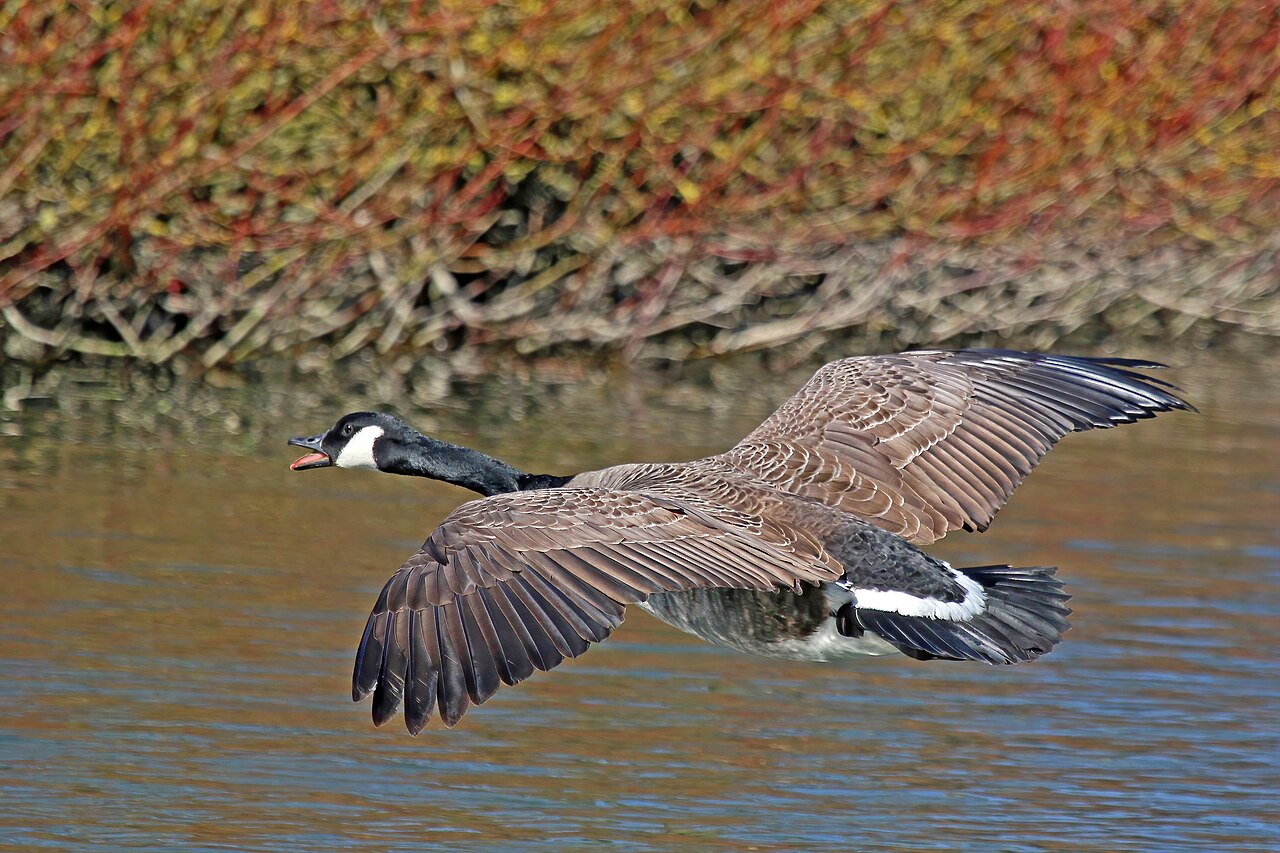
The Canada goose (Branta canadensis) is easy to identify by its black head and neck, white chinstrap patch under the chin, and brown body with a pale breast. Once a symbol of seasonal migration, many Canada goose populations across the United States have become year-round residents, nesting on golf courses, retention ponds, and city parks instead of flying north each spring. Whether you’re watching a V-formation overhead or an unbothered flock grazing on a suburban lawn, this guide covers what makes the species so successful and, at times, controversial among property owners and wildlife managers alike.
| Quick Reference | Detail |
|---|---|
| Length | 30 to 43 inches |
| Wingspan | 50 to 71 inches |
| Weight | 6.6 to 19.8 lbs |
| Lifespan | 10 to 24 years in the wild |
| Diet | Grasses, grains, aquatic plants, occasional insects |
| Migration | Variable; many populations are now year-round residents |
| Clutch size | 2 to 8 eggs |
How to Identify a Canada Goose
Look for the combination of a solid black head and neck with a bright white “chinstrap” patch that wraps from cheek to cheek under the bill. The body is grayish-brown with a lighter, buffy breast and a black tail with a white rump band visible in flight. Size varies considerably by subspecies, with the largest birds approaching the size of a swan and the smallest barely bigger than a mallard. In flight, Canada geese form the classic V-formation, which reduces wind resistance for trailing birds and allows the flock to rotate the lead position to conserve energy over long distances, a coordinated flying strategy that requires far more social organization than the simple wheeling flock movements typical of most smaller songbirds.
Diet and Feeding Habits
Canada geese are primarily grazers, feeding on grasses, sedges, and agricultural grains like corn and wheat left over after harvest. In aquatic settings they also eat submerged plants, algae, and occasionally small invertebrates. Their preference for manicured turfgrass is a major reason they thrive around golf courses, corporate campuses, and suburban parks, where mowed lawns provide an ideal, predator-free grazing buffet. A single flock can strip a lawn of grass and leave behind enough droppings to make walking paths unpleasant, which is the root of most human-goose conflicts in urban areas, and property managers dealing with large resident flocks often find that grazing pressure alone can visibly thin out turf within just a few weeks of sustained daily feeding.
Why Some Canada Geese No Longer Migrate
Not every Canada goose population migrates anymore. Beginning in the mid-20th century, wildlife agencies released non-migratory Canada geese for hunting and viewing programs, and these birds discovered that urban parks and retention ponds offer year-round food, open water, and few natural predators. Without the evolutionary pressure to fly south, many of these resident populations simply stopped migrating, while geese from more northern, wilder breeding grounds in Canada and Alaska still make the traditional seasonal journey. This is why you can see Canada geese on a frozen pond in January in some US cities while migratory flocks pass overhead the same week.
Nesting and Aggressive Behavior
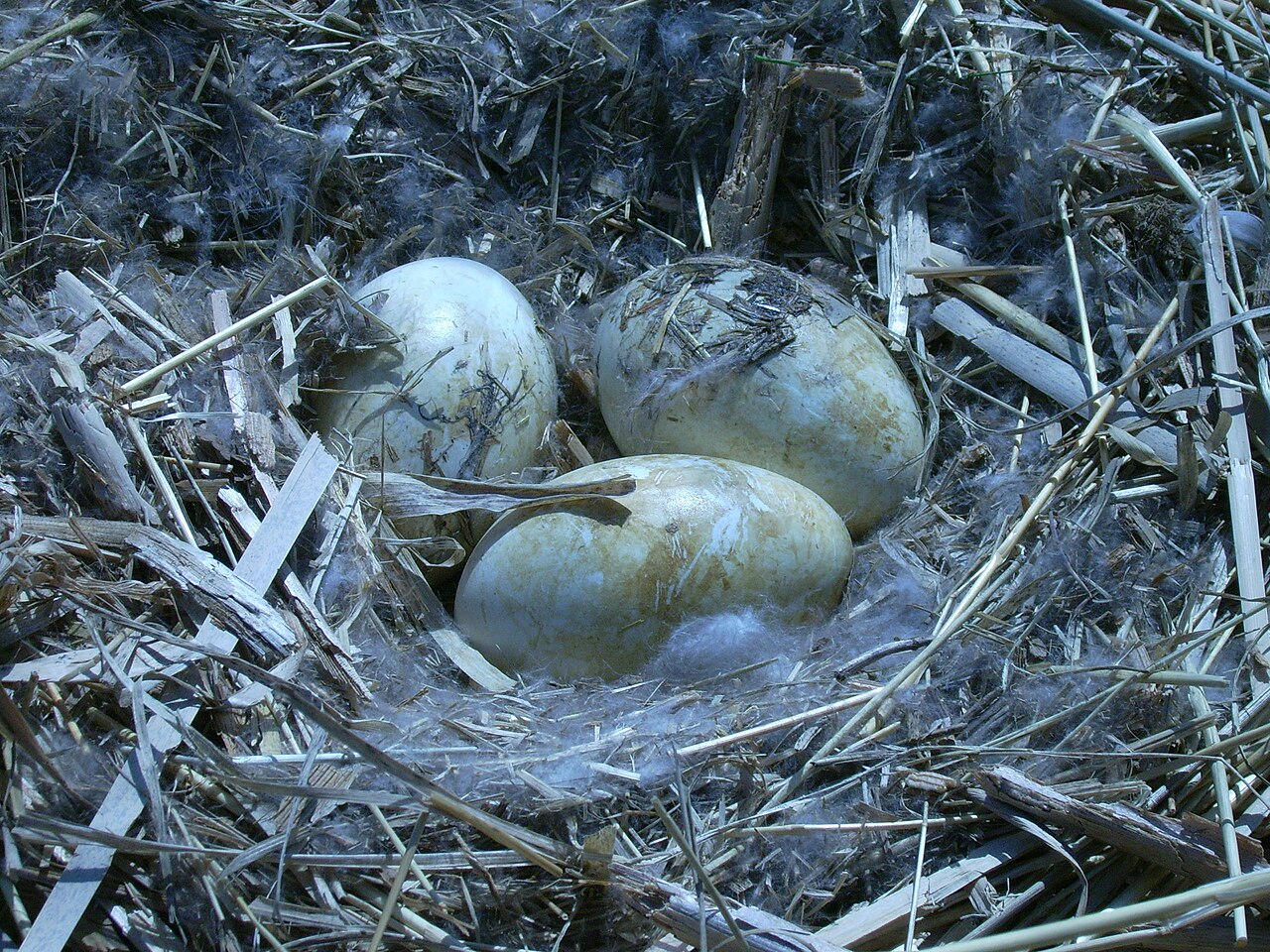
Canada geese nest on the ground near water, often on islands, peninsulas, or even flat rooftops, and both parents defend the nest fiercely. During nesting season (typically March through May), geese become notably more aggressive, hissing, extending their necks, and charging at perceived threats, including humans and dogs that wander too close. This defensive behavior, combined with their year-round presence in parks and near office buildings, is the source of most “aggressive goose” encounters reported in cities. The aggression is almost always tied to nest or gosling defense and settles down considerably once the young have fledged.
Migration Patterns for Wild Populations
Migratory Canada geese breed in the tundra and boreal forests of Canada and Alaska during summer, then travel south along four major flyways, the Atlantic, Mississippi, Central, and Pacific, to wintering grounds across the central and southern United States. Flights can cover hundreds of miles in a single day when conditions are favorable, with flocks flying at altitudes up to several thousand feet and occasionally much higher. According to Audubon, the birds navigate using a combination of celestial cues, magnetic sensing, and memorized landmarks passed down through family groups that migrate together across generations.
Lifespan and Family Life
Canada geese typically live 10 to 24 years in the wild, with some banded individuals documented living over 30 years. They form long-term pair bonds, often mating for life, and both parents share responsibility for raising goslings, which can walk, swim, and feed themselves within a day of hatching. Family groups stay together through the first year, with parents guiding young geese to feeding grounds and defending them from predators like foxes, coyotes, and snapping turtles. This strong parental investment is part of why the species has adapted so successfully to human-altered landscapes, and it’s also why a family group with young goslings is typically the most defensive and unpredictable Canada goose encounter a person is likely to have in a public park setting.
Managing Canada Geese in Residential Areas
Large resident flocks can cause real problems: overgrazed lawns, excessive droppings, and aggressive encounters during nesting season. Non-lethal deterrents like reflective tape, decoy predators, and modifying landscaping to remove open sightlines near water are the most commonly recommended first steps by wildlife agencies, since geese prefer areas where they can see approaching threats clearly, and simply letting grass grow taller and less manicured near a pond edge can meaningfully discourage geese from settling there in the first place. For related waterfowl you might be trying to distinguish from Canada geese at a distance, see our guide to identifying common duck species.
Canada Geese Compared to Other Common Waterfowl
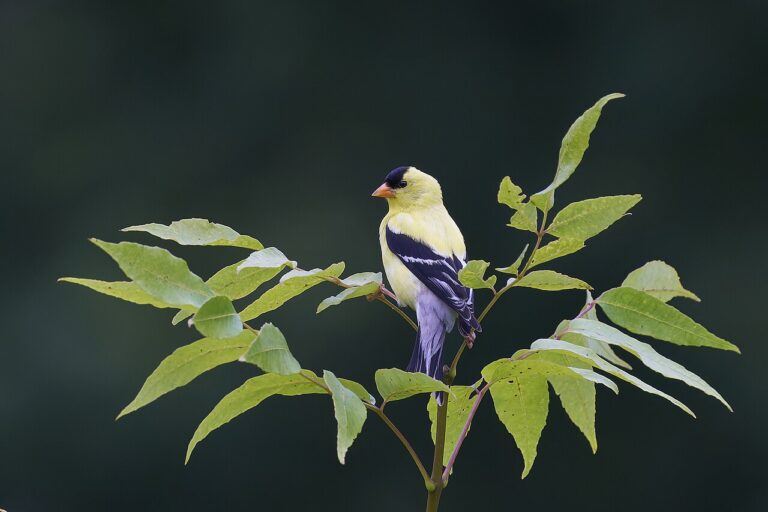
Canada geese are frequently seen sharing the same ponds, parks, and retention basins as mallards, and the size difference alone usually settles any confusion, since even the smallest Canada goose subspecies dwarfs a mallard by a wide margin. In more agricultural settings, mixed flocks of Canada geese and foraging songbirds can occasionally be seen sharing the same harvested fields, though the species rarely interact directly given their very different sizes and foraging strategies. Distinguishing a Canada goose from other geese species, like the smaller cackling goose, mostly comes down to careful attention to overall body size and bill proportions rather than color pattern, since the two look nearly identical apart from scale.
Conservation History of the Canada Goose
According to Audubon, Canada goose populations in parts of the eastern United States were once so depleted by unregulated hunting and habitat loss that some regional subspecies were feared extinct by the mid-20th century, a story of decline and recovery that closely parallels what happened to the wild turkey over roughly the same period. Aggressive reintroduction and conservation programs beginning in the 1960s and 1970s succeeded so thoroughly that many of the same regions now consider resident Canada goose populations a management challenge rather than a conservation priority, illustrating how quickly a species’ status can flip once effective protections and habitat restoration are put in place, a recovery pattern also documented in other North American bird species that faced similar historical population pressures from habitat loss.
Frequently Asked Questions
How do you identify a Canada goose?
Look for a black head and neck with a white chinstrap patch under the chin, a grayish-brown body, and a black tail with a white rump band visible during flight, a combination that makes the species easy to confirm even at a distance.
Do all Canada geese migrate?
No. Many populations, especially those established in urban parks and retention ponds, have become year-round residents and no longer migrate, while geese from more remote breeding grounds still migrate seasonally between summer and winter ranges.
Why are Canada geese so aggressive?
Aggression is almost always tied to defending a nest or goslings, occurring mainly during breeding season from March through May, and usually subsides once the young have fledged and the family group has moved on from the nest site.
What do Canada geese eat?
Canada geese primarily eat grasses, sedges, and agricultural grains, along with aquatic plants and occasional small invertebrates in wetland habitats, making them highly flexible foragers across many different landscape types.
How long do Canada geese live?
Canada geese typically live 10 to 24 years in the wild, with some individuals documented living over 30 years.
Why do Canada geese fly in a V formation?
The V formation reduces wind resistance for trailing birds, and the flock rotates the lead position so no single bird bears the full aerodynamic cost for the entire flight.
Do Canada geese mate for life?
Yes, Canada geese typically form long-term pair bonds and often mate for life, with both parents sharing in raising and protecting their goslings from predators and other threats.