Blue Jay Sounds: The Hawk Mimicry and Every Call Explained
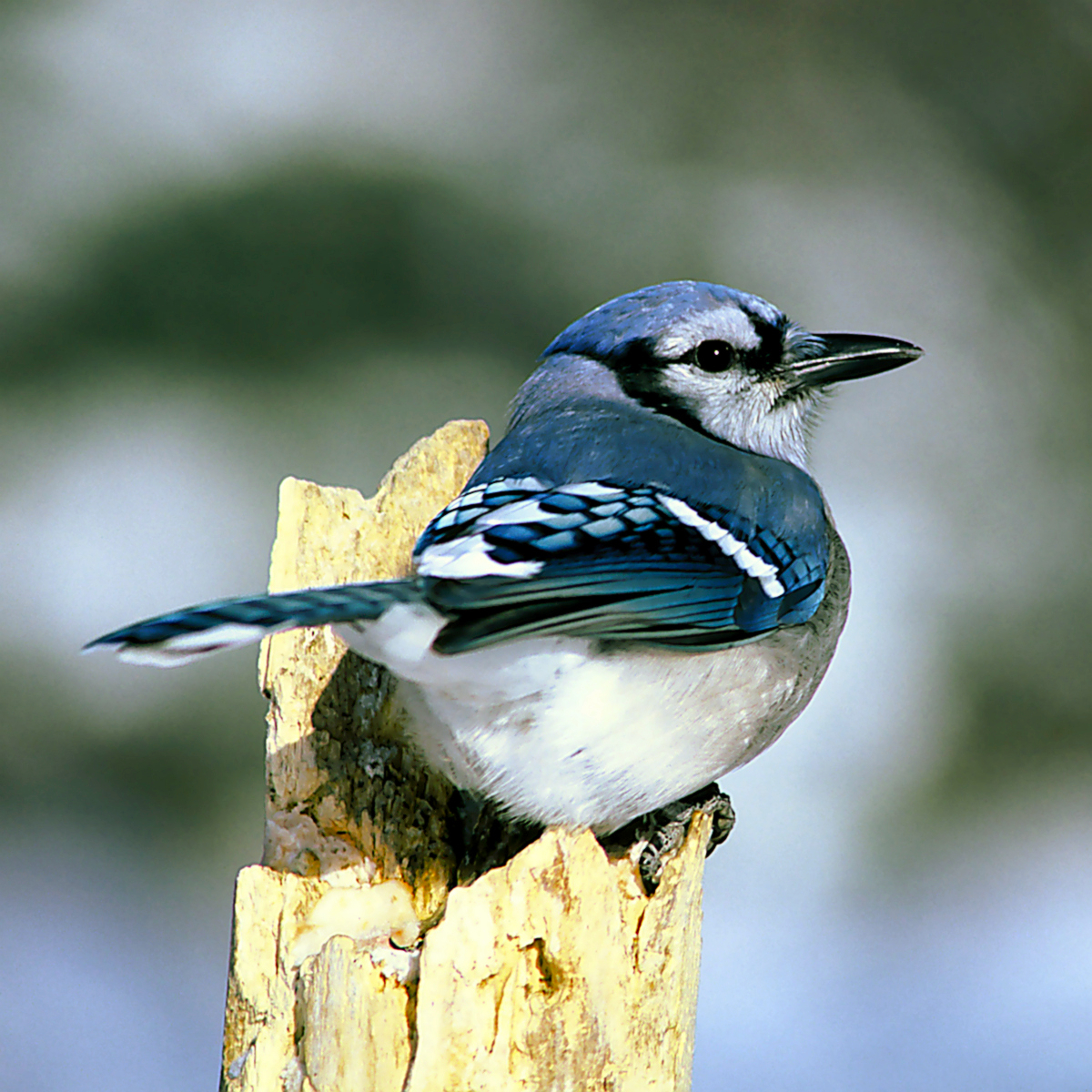
Blue jay sounds cover one of the most genuinely varied and surprising vocal repertoires among common backyard birds, most famously including a remarkably accurate hawk call imitation that blue jays use for reasons researchers still debate, potentially to clear feeders of competing birds by faking a predator warning, alongside their own harsh, unmistakable “jay-jay” alarm call, a softer, musical whisper song rarely heard by casual observers, and a genuinely wide range of clicks, rattles, and mechanical-sounding notes that make this species one of the most vocally complex songbirds in North American backyards.
Understanding this full vocal range helps explain several genuinely puzzling backyard bird moments, including the sudden hawk-like scream that turns out to have no actual hawk anywhere nearby, and the surprisingly gentle, warbling song many people never realize comes from the same bird responsible for the much harsher, more familiar jay call. This guide covers every major blue jay vocalization, the documented hawk-mimicry behavior specifically, seasonal and social communication patterns, and how to distinguish blue jay sounds from the similar calls produced by other common backyard birds and mammals.
| Sound | What It Means |
|---|---|
| “Jay-jay” call | Primary alarm and contact call |
| Hawk call mimicry | Possible feeder-clearing or territorial signal |
| Whisper song | Quiet courtship/social song, rarely heard |
| Rattling/clicking notes | Close-range social communication |
| Bell-like “queedle” call | Contact call between mates or family |
| Mobbing calls | Group harassment of a predator |
The Classic Jay Call: Alarm and Contact
The sound most people immediately associate with blue jays is a harsh, loud “jay-jay” or “jeer” call, a piercing, somewhat grating vocalization used both as a general alarm signal when a predator or disturbance is detected and as a broader contact call maintaining communication between blue jays across a territory, making this call one of the most frequently heard bird sounds in areas where blue jays are common backyard residents.
This call serves genuinely important functions beyond simple noise, often alerting other birds in the area, not just other blue jays, to the presence of a hawk, owl, snake, or other potential threat, a behavior that has led some researchers to describe blue jays as effectively serving as a neighborhood alarm system that many other bird species have learned to recognize and respond to even though the call itself originates from the jay rather than the species actually being warned.
The frequency and intensity of this classic jay call often increases noticeably during breeding season when blue jays are more actively defending nesting territory, and around bird feeders specifically when jays are asserting dominance over other birds competing for the same food source, making this call genuinely context-dependent in its specific meaning even though the basic acoustic pattern remains fairly consistent across these different triggering situations.
Hawk Call Mimicry: A Genuinely Documented Behavior
One of the most remarkable and well-documented blue jay behaviors is their ability to closely imitate the calls of various hawk species, particularly red-shouldered hawks and red-tailed hawks, an imitation accurate enough that even experienced birders can be genuinely fooled into believing an actual hawk is present when the sound is actually coming from a blue jay perched nearby, a mimicry skill covered in more general hawk-identification context in our hawk calls guide.
Researchers have proposed several possible explanations for this hawk-mimicry behavior, though the exact function remains somewhat debated within ornithology specifically: one leading theory suggests blue jays may use the hawk imitation to temporarily clear other birds away from a feeder or food source by essentially bluffing a predator warning, allowing the jay itself uncontested access to the food once competing birds have fled the perceived threat.
Other researchers have suggested this mimicry might serve a more general territorial or communicative function among blue jays themselves, rather than being specifically deceptive toward other bird species, and the true explanation may well involve some combination of these theories or additional functions not yet fully understood, making blue jay hawk mimicry a genuinely interesting example of documented but not entirely resolved animal behavior within backyard bird biology.
The Whisper Song: A Rarely Heard Side of Blue Jays
Beyond the harsh, loud calls most people associate with blue jays, this species also produces a considerably quieter, more musical vocalization sometimes called a whisper song, a soft, warbling, almost rambling series of notes quite different in character from the sharp jay calls covered above, typically given at very close range and low volume, meaning it goes largely unnoticed by casual observers even in areas with an active, vocal blue jay population.
This whisper song is generally associated with courtship and close social bonding between paired birds, often given during quieter, more intimate moments between mates rather than the more public, far-carrying communication purpose the classic jay call and hawk mimicry serve, representing a genuinely different social function within the blue jay’s overall vocal repertoire.
Because this whisper song occurs at such low volume and typically during more private social moments between paired birds, actually hearing it requires considerably more patient, close observation than the loud, attention-grabbing calls most people associate with blue jays, making it something of a hidden reward for particularly attentive backyard birders who spend extended quiet time specifically observing blue jay behavior at close range.
Rattles, Clicks, and Close-Range Social Sounds
Blue jays produce a considerably varied range of mechanical-sounding clicks, rattles, and other non-musical vocalizations used primarily in close-range social contexts, including interactions between family members, courtship exchanges between mates, and general social communication within the small family groups blue jays often maintain, particularly outside the breeding season when young birds may still travel with their parents.
These varied clicking and rattling sounds contribute significantly to the blue jay’s overall reputation as an unusually vocally complex and varied backyard bird, with researchers documenting dozens of distinct vocalization types across the species’ full repertoire, considerably more varied than the vocal range many other common backyard bird species display, reflecting the blue jay’s generally high intelligence and complex social structure within the broader corvid family that includes crows and ravens.
Distinguishing between these various clicks and rattles in terms of specific individual meaning remains an area of ongoing research interest, though the general pattern of close-range, socially-directed communication distinct from the more public, far-carrying alarm and mimicry calls covered elsewhere in this guide provides a useful framework for understanding this particular category of blue jay vocalization even without precise translation of each specific variant.
The Queedle Call and Mate Communication
Blue jays produce a distinctive bell-like or musical “queedle-queedle” call, quite different in tone from the harsher jay-jay alarm call, typically used as a contact call between mates or family members maintaining awareness of each other’s location while foraging or moving through their territory somewhat independently rather than staying in constant close visual contact.
This call serves a genuinely practical coordination function within blue jay family and pair units, allowing birds to maintain effective contact across some physical distance without needing to remain constantly visible to each other, a communication pattern that becomes particularly relevant during the breeding season and the period afterward when parents are actively coordinating care for recently fledged young still learning to forage independently.
This musical contact call provides a useful counterpoint to the harsher, more alarm-oriented vocalizations that dominate most people’s mental image of blue jay sound, demonstrating the genuine acoustic range this species covers between its harshest warning calls and its more melodic, socially-oriented communication, reinforcing the broader theme of surprising vocal complexity running throughout blue jay biology covered across this entire guide.
Mobbing Behavior and Group Alarm Calls
Blue jays frequently participate in and sometimes initiate mobbing behavior, a coordinated group harassment response several bird species direct at a perceived predator, typically an owl or hawk discovered at a daytime roost, with blue jays contributing their loud, harsh calls to the broader group vocalization that characterizes this collective defensive behavior, often drawing in additional birds from the surrounding area who recognize the mobbing call pattern and join the harassment effort.
This mobbing-specific vocalization differs somewhat from the standard jay-jay alarm call in its more sustained, repetitive, and specifically group-coordinated quality, since effective mobbing requires multiple birds calling and approaching the threat together rather than the more solitary alarm-calling blue jays might produce when detecting a threat without other birds immediately present to join a coordinated response.
Blue jays’ willingness to actively participate in mobbing behavior, sometimes even initiating it themselves upon discovering a roosting owl or perched hawk, reflects both their generally bold, assertive temperament compared to many other backyard bird species and their broader ecological role in alerting the wider bird community to predator presence, a behavior connecting directly to the neighborhood-alarm-system function their classic jay call already serves on a more individual, day-to-day basis.
Blue Jay Sounds Through the Seasons
Blue jay vocal activity follows some meaningful seasonal patterns connected to their broader breeding and social cycle, with more intense territorial calling and nest-defense vocalization concentrated around the breeding season when pairs are establishing and defending the nesting territory covered in our blue jay nest guide, a period when the classic jay-jay alarm call often intensifies noticeably around active nest sites specifically.
Fall and winter bring somewhat different vocal patterns, with family groups, including recently fledged young still traveling with parents, maintaining more frequent contact calling as they move together through territory in search of the food sources covered in our blue jay diet guide, particularly during the acorn and nut caching season when blue jays are especially active foragers building winter food stores.
Distinguishing male and female blue jays specifically by sound alone remains genuinely difficult given their similar plumage and largely overlapping vocal repertoire, a challenge covered in more visual identification detail in our female blue jay guide, meaning most vocal identification efforts focus on distinguishing blue jays as a species from other birds and mammals rather than attempting to sort calls by sex within the species itself.
Blue Jay Sounds vs Other Backyard Vocalizations
The blue jay’s hawk mimicry specifically creates genuine identification confusion, since anyone hearing what sounds like a clear hawk call should consider checking for the actual bird making the sound before assuming a hawk is definitely present, particularly in areas with known active blue jay populations where this specific mimicry behavior has been documented, making visual confirmation genuinely valuable whenever possible rather than relying on the call alone.
Compared to the vocal range of squirrels, another common backyard animal whose sharp alarm calls sometimes get confused with bird sounds, blue jay vocalizations generally show more melodic variation and complexity, including the musical queedle call and whisper song covered above, features squirrel vocalizations, more consistently mechanical and buzzy across their alarm and territorial calls specifically, do not typically display to the same degree.
Other corvid species sharing similar habitat, particularly crows, produce their own distinct vocal repertoire that, while sharing the general corvid family’s documented vocal complexity and intelligence, differs enough in specific tone and call structure from blue jay sounds that attentive listening, combined with the size and color differences readily visible between these species, generally resolves any potential confusion between blue jays and their other common corvid relatives sharing overlapping backyard territory.
What Blue Jay Sounds Reveal About Your Yard
Frequent blue jay alarm calling in a specific yard area often indicates genuine predator activity nearby, whether an owl at a daytime roost, a hawk perched and hunting, or a snake discovered near a nest, making blue jay vocal activity a genuinely useful indirect indicator of broader predator presence for anyone interested in monitoring wildlife activity beyond the jays themselves.
Hearing what sounds like a hawk call without any actual hawk visible, particularly in areas with confirmed blue jay presence, should prompt considering this documented mimicry behavior before assuming a hawk sighting, especially near active bird feeders where the feeder-clearing theory of hawk mimicry specifically suggests jays may be most likely to employ this particular vocal trick to their own advantage.
For anyone managing bird feeders and finding blue jays dominating feeder access through their loud, assertive calling and general boldness, understanding this behavior as part of the species’ broader vocal and social repertoire, rather than viewing it as unusual aggression specifically, helps contextualize blue jay feeder behavior within their overall well-documented, genuinely complex vocal and social biology covered throughout this guide.
Related reading: Mockingbird Sounds.
Related reading: Cardinal Sounds.
Related reading: Turkey Sounds.
Related reading: Peacock Sounds.
Related reading: Sandhill Crane Sounds.
Related reading: Pigeon Sounds.
Related reading: Robin Sounds.
Related reading: Seagull Sounds.
Related reading: Chickadee Sounds.
Related reading: Starling Sounds.
Related reading: Woodpecker Sounds.
Frequently Asked Questions
What does a blue jay sound like?
Most commonly, a harsh “jay-jay” alarm call, but blue jays also produce an accurate hawk call imitation, a quiet musical whisper song, bell-like queedle contact calls, and various clicks and rattles in close social interactions.
Why do blue jays imitate hawk calls?
The exact reason remains debated, but leading theories suggest blue jays may use hawk mimicry to clear feeders of competing birds by faking a predator warning, or as a broader territorial or communicative signal among themselves.
Is that a hawk or a blue jay I’m hearing?
Blue jays are well documented for closely imitating hawk calls, so visual confirmation is genuinely useful whenever possible, especially in areas with known blue jay activity, since the call alone cannot always distinguish between the two.
What is the quiet song blue jays make?
A soft, warbling “whisper song” given at close range, typically during courtship or bonding between mates, quite different from the loud, harsh jay-jay call most people associate with the species and rarely noticed by casual observers.
Do blue jays warn other birds about predators?
Yes, their loud alarm calls and participation in group mobbing behavior against roosting owls or perched hawks effectively alert the broader bird community to predator presence, functioning as a kind of neighborhood alarm system.
Why are blue jays so loud at my bird feeder?
Blue jays are generally bold and assertive, using their loud calls partly to establish dominance over other birds competing for feeder access, a behavior connected to their broader vocal repertoire and social communication patterns.
How many different sounds can blue jays make?
Researchers have documented dozens of distinct blue jay vocalizations, reflecting the species’ high intelligence and complex social structure within the corvid family, considerably more varied than many other common backyard bird species.