Squirrel Sounds: Barks, Chatter, and What Each Call Means
Squirrel sounds cover a genuinely surprising vocal range for such a small backyard animal: a sharp, repeated barking chatter used as an alarm call when a predator or perceived threat appears, a softer, more rhythmic chattering used in territorial disputes between squirrels, a quiet, almost purring sound during friendly interactions, and various squeaks and cries specifically associated with mating chases and young squirrels communicating with their mothers. Anyone who has spent time around a yard with an active squirrel population has likely heard several of these sounds without necessarily connecting them to squirrels specifically, since the sharp, bird-like alarm chatter in particular gets frequently misattributed to actual birds rather than the squirrel actually producing it.
Understanding this full vocal repertoire helps make sense of otherwise puzzling backyard noise, particularly the sudden bursts of sharp barking that often accompany a squirrel’s tail-flicking display when a cat, dog, hawk, or human walks beneath its perch, a genuinely informative alarm system that, once recognized, can even tip off attentive observers to predator activity nearby before the predator itself becomes visible. This guide covers every major squirrel vocalization, what specifically triggers each one, the accompanying body language that often reinforces the vocal message, and how to distinguish squirrel sounds from the similar noises produced by other common backyard animals.
| Sound | What It Means |
|---|---|
| Sharp barking chatter | Alarm call, predator or threat detected |
| Rhythmic territorial chatter | Dispute over territory or resources |
| Quiet purring sound | Content, friendly social interaction |
| High-pitched squeaks | Mating chase communication |
| Soft chirping cries | Young squirrels calling to mother |
| Teeth chattering/grinding | Aggressive warning at close range |
The Alarm Bark: Squirrels’ Most Recognizable Sound
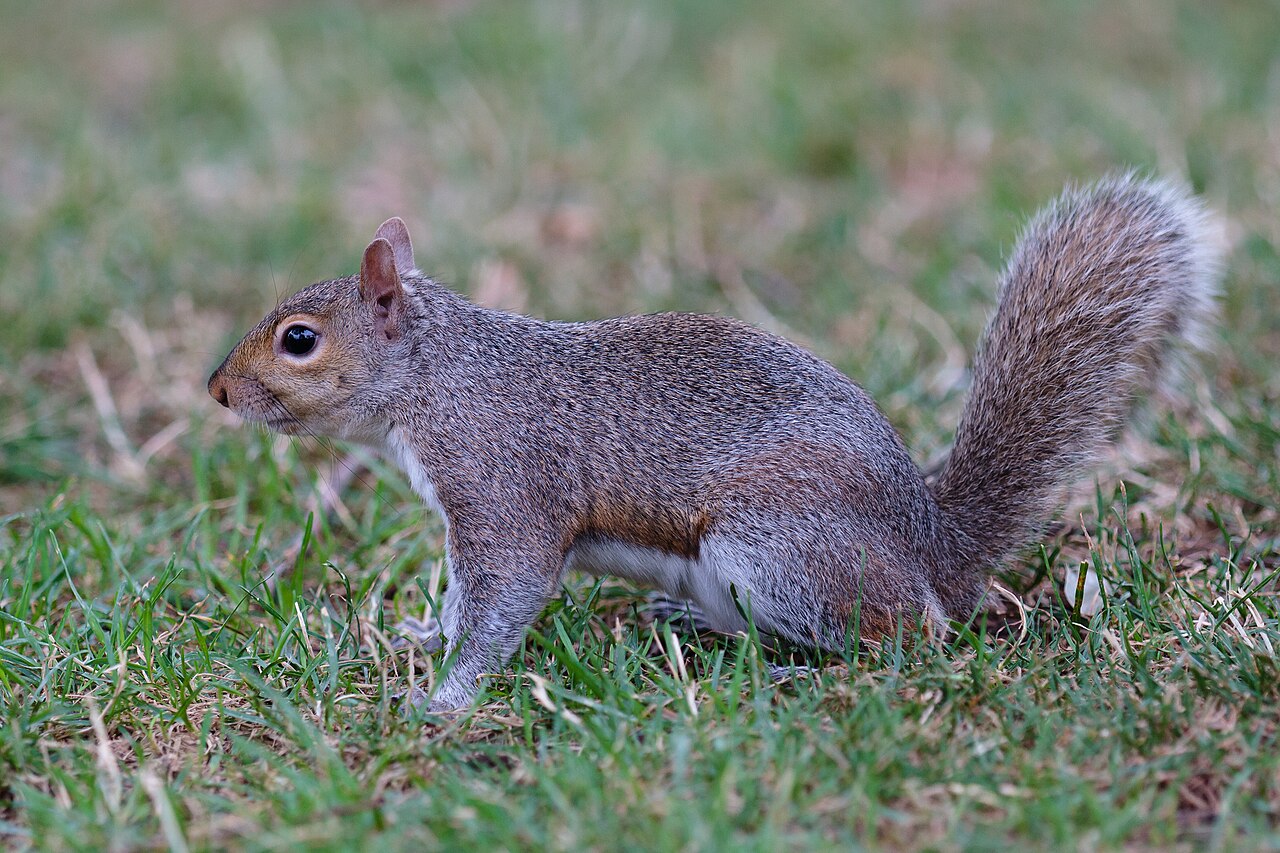
The sound most people actually notice from squirrels, even without realizing what animal produced it, is a sharp, repeated barking chatter given as an alarm call whenever a squirrel detects a potential threat, whether an approaching cat or dog, a hawk circling overhead, or simply a human walking closer than the squirrel finds comfortable, and this call often continues in bursts for extended periods while the perceived threat remains present or visible.
This alarm call typically accompanies distinctive body language that reinforces the vocal warning: a squirrel giving this call usually positions itself on a raised perch, often partway up a tree trunk, while rhythmically flicking its tail in coordination with each bark, a combined visual and audio signal that serves both to warn other squirrels in the area and, some research suggests, to communicate directly to the potential predator that it has been spotted and lost the element of surprise.
Different squirrel species show some variation in their specific alarm call structure, but the general pattern, a sharp, repetitive, bird-like chattering bark given from an elevated position with accompanying tail movement, remains broadly consistent enough across common species like the eastern gray squirrel that this call ranks among the most reliably identifiable squirrel sounds for anyone learning to distinguish backyard animal vocalizations.
Territorial Chattering and Disputes
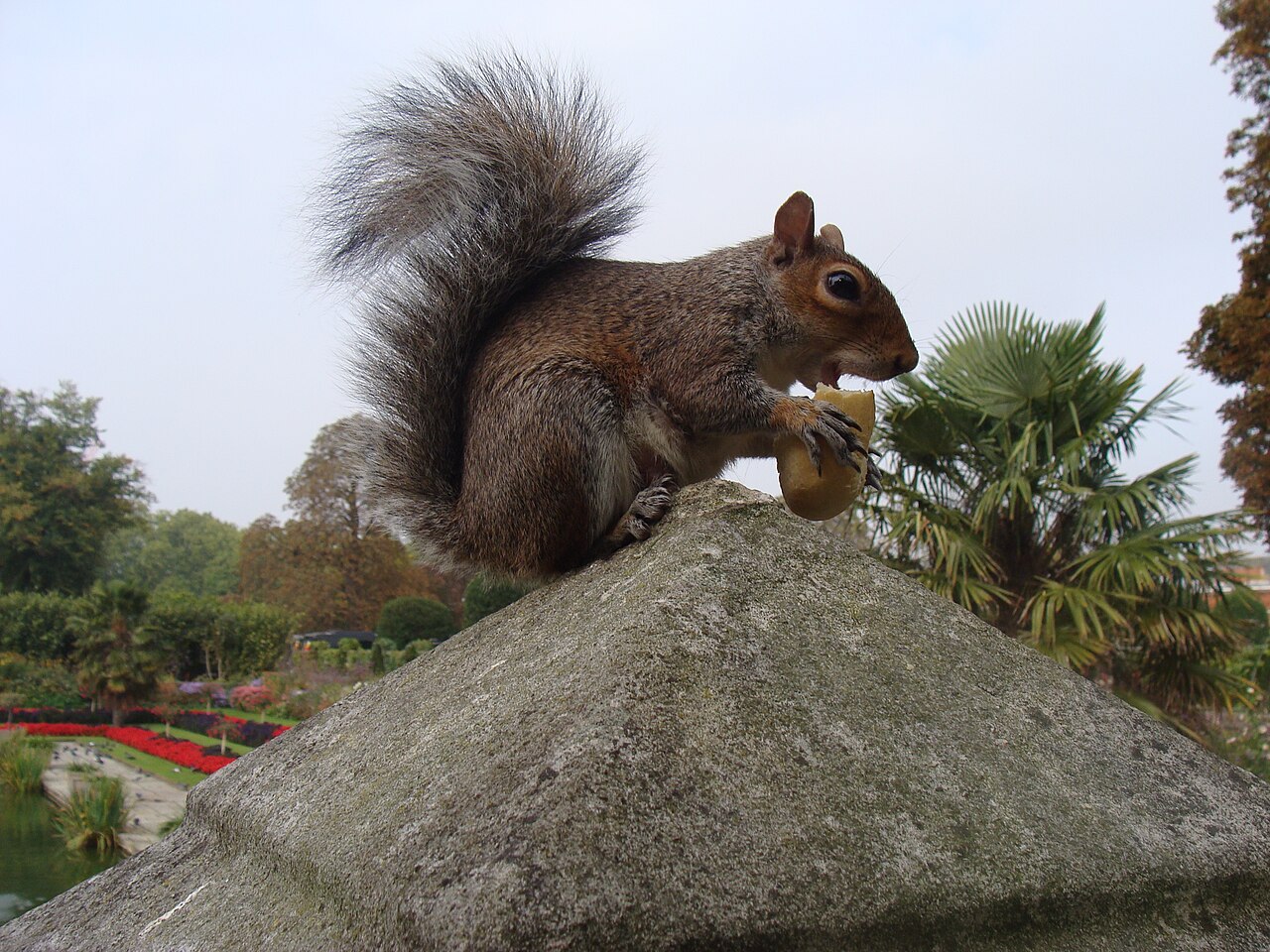
Beyond the sharp alarm bark, squirrels produce a somewhat different, more rhythmic chattering sound during territorial disputes with other squirrels, typically over contested food sources, nesting sites, or general territory boundaries, a vocalization that, while sharing some acoustic similarity with the predator alarm call, generally occurs in a more clearly social context between two or more squirrels actively interacting rather than in response to an external threat.
These territorial disputes often escalate beyond vocalization alone into physical chasing and occasional brief physical contact between competing squirrels, with the accompanying chatter serving as ongoing communication throughout the encounter, sometimes continuing as one squirrel pursues another away from the disputed resource or territory, making this vocalization type genuinely useful context for understanding backyard squirrel social dynamics beyond simple predator avoidance.
Squirrel territorial disputes tend to intensify during specific seasonal periods, particularly during the fall food-caching season when competition for limited nut and seed resources runs highest, and during breeding season when male squirrels specifically compete more actively for access to receptive females, meaning the frequency and intensity of this particular chattering vocalization often follows a fairly predictable seasonal pattern tied to these broader behavioral cycles.
Quiet Purring and Friendly Social Sounds
In contrast to the sharper alarm and territorial vocalizations covered above, squirrels also produce a considerably quieter, softer sound sometimes described as purring or a low, contented murmuring, typically heard during peaceful social interactions between squirrels that know each other well, such as between a mother and her young or between mated pairs during calmer moments.
This softer vocal register connects to generally more relaxed body language as well, without the tail-flicking and alert posturing characteristic of the alarm bark, instead often accompanying grooming behavior or simple close physical proximity between squirrels that are not experiencing any particular stress or territorial conflict at the moment, making this sound considerably rarer for casual backyard observers to actually notice given both its quieter volume and the more private, less dramatic circumstances under which it typically occurs. For a closely related question, see our guide to fruit bat.
Documenting and specifically listening for this quieter vocal register requires somewhat more patient, close observation than catching the more obvious alarm barks most people notice first, but understanding that squirrels possess this gentler communicative capacity alongside their more commonly recognized warning calls provides a more complete picture of the genuinely varied social communication these small mammals maintain within their family groups and established social relationships.
Mating Season Sounds
During breeding season, which for many squirrel species occurs in distinct periods during late winter and again in summer depending on region and specific species, male squirrels actively pursuing a receptive female often produce distinctive high-pitched squeaking or chirping sounds during the chase itself, a vocalization pattern somewhat different from either the alarm bark or territorial chatter covered in earlier sections.
These mating chases themselves are often quite visually dramatic, involving multiple male squirrels pursuing a single female through trees and across the ground in an extended chase sequence, with the accompanying vocalizations serving alongside scent marking as part of the broader communication system involved in squirrel mating behavior, making this particular sound context fairly distinctive once an observer connects the vocalization to the visually obvious chase behavior happening simultaneously.
Because mating season timing varies somewhat by region and specific squirrel species present, encountering this particular vocal and behavioral pattern provides a genuinely useful seasonal marker for attentive backyard observers, with the sudden appearance of chase behavior and accompanying vocalization often signaling the onset of a breeding period for the local squirrel population regardless of the exact calendar date in a given year and location.
Young Squirrels and Mother-Offspring Communication
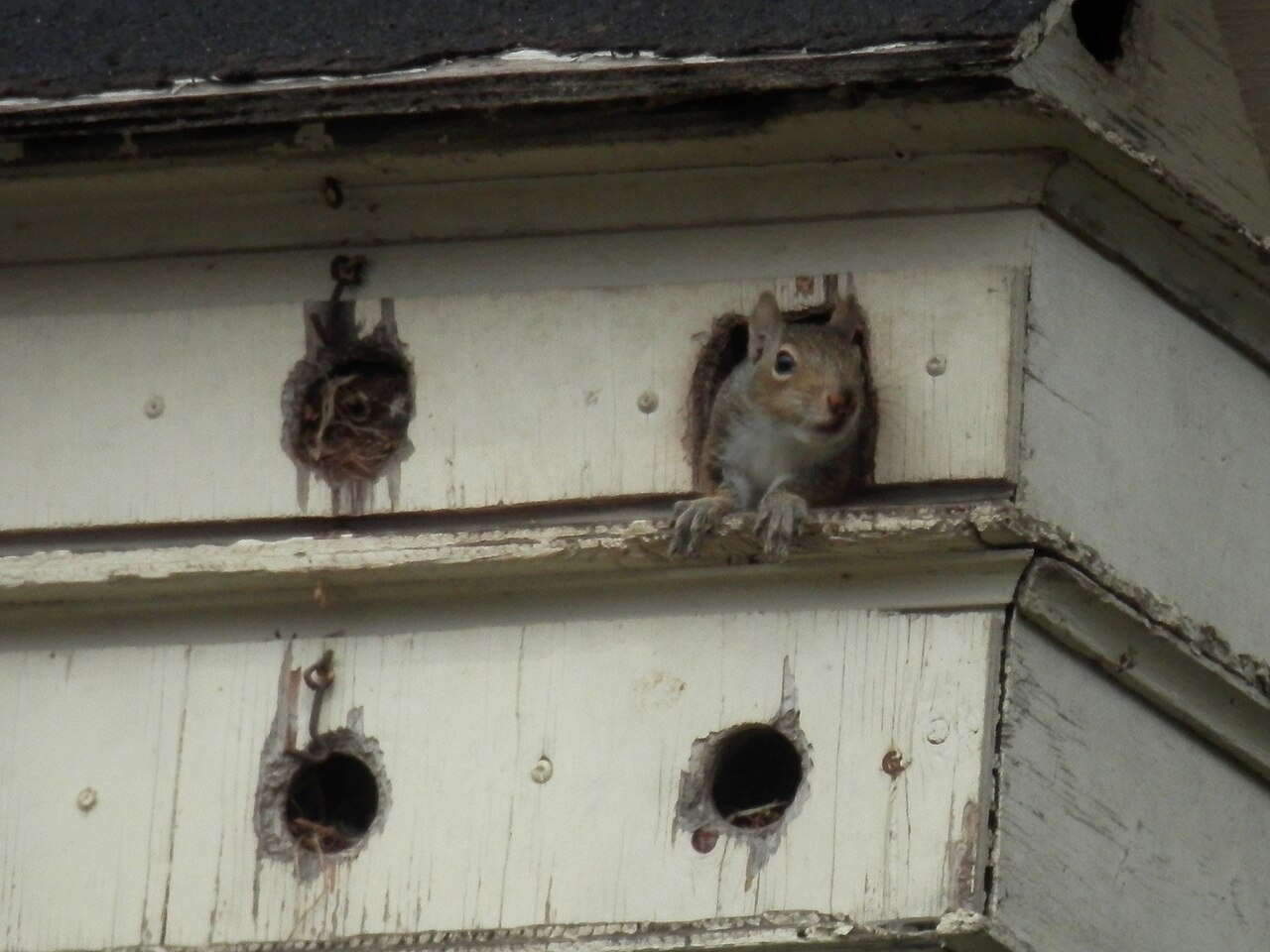
Young squirrels, still dependent on their mother and not yet fully independent, produce soft chirping or crying sounds specifically directed at communicating with their mother, whether signaling hunger, distress at separation, or simply maintaining contact as they begin exploring somewhat independently while still relying on maternal care, a vocal pattern covered in more behavioral detail in our baby squirrel guide.
Mothers respond to these calls with their own softer vocalizations and active retrieval behavior when young squirrels signal genuine distress or separation, a responsive communication system that helps maintain the close mother-offspring bond during the vulnerable early weeks before young squirrels develop full independence and the broader vocal repertoire covered throughout the rest of this guide.
This mother-offspring vocal channel remains considerably quieter and more localized than the alarm barks that carry across a much wider area, reflecting its more intimate, close-range communicative function compared to the broader neighborhood-alert purpose the sharper alarm vocalization serves, making these softer sounds something backyard observers are more likely to notice specifically near an active nest or den site rather than throughout the wider yard generally.
Teeth Chattering and Close-Range Aggression
Beyond vocal calls specifically, squirrels also produce a distinctive teeth chattering or grinding sound during close-range aggressive encounters, a warning display typically given when a squirrel feels genuinely threatened or cornered at close range, whether by another squirrel, a predator, or occasionally a human who has approached too closely or attempted to handle a squirrel directly.
This teeth chattering sound often accompanies other clear aggressive body language, including a raised, puffed tail, an arched back posture, and sometimes brief lunging movements toward the perceived threat, collectively signaling that the squirrel feels cornered and is prepared to escalate to actual physical defense if the threat does not retreat, making this combined vocal and physical display a genuine warning worth heeding by backing away rather than continuing to approach.
This close-range aggressive display differs meaningfully from the more distant alarm barking covered earlier both in its acoustic quality, a harsher, more mechanical grinding sound rather than a clear rhythmic bark, and in its typical distance context, occurring specifically when a squirrel has limited escape options at very close range rather than the more distant threat detection that triggers the standard alarm call from a safer observing distance.
Squirrel Sounds vs Other Backyard Animal Noises
Squirrel alarm calls specifically get frequently misattributed to birds given their sharp, somewhat bird-like quality, though squirrel calls typically show a more mechanical, buzzy quality upon closer listening compared to the cleaner, more melodic tones typical of most actual songbird vocalizations, and checking for the accompanying tail-flicking visual display, absent in birds, provides a reliable way to confirm a squirrel rather than a bird as the actual sound source.
Compared to the considerably different vocal repertoire of blue jays, which share overlapping habitat with squirrels and produce their own varied and sometimes similarly sharp calls, squirrel sounds generally lack the more complex, varied tonal range blue jays display, including the blue jay’s documented ability to mimic hawk calls specifically, making overall vocal complexity and variety a useful distinguishing feature between these two vocal backyard neighbors when visual confirmation is not immediately available.
Squirrel alarm calls can also occasionally cause confusion with certain smaller bird alarm calls given some acoustic overlap in pitch and rhythm, though the broader context of an obviously mammalian source, a squirrel positioned in a tree with visible tail movement, versus a bird perched and displaying its own distinct alarm behavior, generally resolves any confusion once the actual sound source becomes visually apparent to a patient observer.
Squirrel Sounds Within the Broader Backyard Soundscape
Squirrel vocalizations occupy a distinctive niche within the broader daytime soundscape of most backyards, since squirrels are primarily active during daylight hours, contrasting with the largely nocturnal vocal activity covered in guides like our fox sounds and raccoon sounds resources, meaning the timing of a mystery sound itself provides a useful initial clue toward squirrel versus these more nocturnal mammal alternatives.
Among daytime predator-related sounds specifically, squirrel alarm barks sometimes overlap in general context with the alarm responses various birds show toward the same overhead threats, including the mobbing and alert behavior covered in our owl sounds guide regarding how various species respond to a discovered daytime roosting owl, since both squirrels and birds often react to and vocalize about the same overhead predator threats simultaneously.
Understanding where squirrel sounds fit within this broader web of interconnected backyard animal communication, including the bobcat and mountain lion vocalizations covered elsewhere for readers in more rural or wilderness-adjacent settings, helps build a more complete picture of how different backyard and wildland species communicate about shared environmental threats and resources across the full range of habitats where squirrels are commonly found.
What Squirrel Sounds Reveal About Your Yard
Frequent alarm barking in a specific yard location often indicates genuine predator activity nearby, whether a neighborhood cat, a resident hawk, or another squirrel-predator making regular appearances, meaning attentive listening to squirrel alarm patterns can actually provide useful early warning about predator presence for anyone specifically interested in monitoring backyard wildlife activity beyond the squirrels themselves.
Increased territorial chattering during fall specifically often signals active food caching behavior and the associated competition this creates between squirrels defending prime caching territory, connecting this particular vocal pattern to the broader seasonal food storage behavior squirrels rely on to survive winter months, similar to the caching strategies covered in relation to squirrel-proof feeder guides for anyone managing bird feeders in squirrel-active territory.
For anyone simply interested in better understanding the wildlife activity happening in their own yard, learning to distinguish squirrel sounds from the vocalizations of other common backyard animals provides a genuinely accessible entry point into more attentive nature observation generally, since squirrels remain among the most consistently visible and audible wild mammals in most residential settings across the country, making them an ideal species for beginning to connect specific sounds to specific behaviors and seasonal patterns.
Related reading: Flying Squirrel Pet.
Frequently Asked Questions
Why do squirrels make barking noises?
Sharp, repeated barking is an alarm call given when a squirrel detects a predator or perceived threat, often accompanied by tail-flicking from an elevated perch, warning other squirrels and potentially signaling to the threat itself that it has been spotted.
What sound do squirrels make when fighting?
A more rhythmic territorial chattering during disputes over food, nesting sites, or territory, sometimes escalating to physical chasing, distinct from the sharper alarm bark given in response to external predator threats.
Do squirrels make sounds like birds?
Their alarm bark can sound somewhat bird-like and is frequently misattributed to birds, though it typically has a more mechanical, buzzy quality, and checking for accompanying tail-flicking helps confirm a squirrel rather than a bird as the source.
What sound do baby squirrels make?
Soft chirping or crying sounds directed at their mother, signaling hunger or distress at separation, a quieter and more localized vocal channel than the broader alarm calls adult squirrels use.
Why do squirrels grind their teeth?
Teeth chattering or grinding is an aggressive warning display given during close-range threatening encounters, often accompanied by a puffed tail and arched back posture, signaling the squirrel is prepared to defend itself if approached further.
Do squirrels purr?
Yes, a quiet, soft purring or murmuring sound occurs during peaceful social interactions, such as between a mother and young or mated pairs, though it is considerably quieter and less commonly noticed than alarm or territorial vocalizations.
What does frequent squirrel alarm barking in my yard mean?
It often indicates genuine predator activity nearby, whether a cat, hawk, or other threat making regular appearances, making attentive listening to alarm patterns a useful way to monitor broader wildlife activity in a yard.