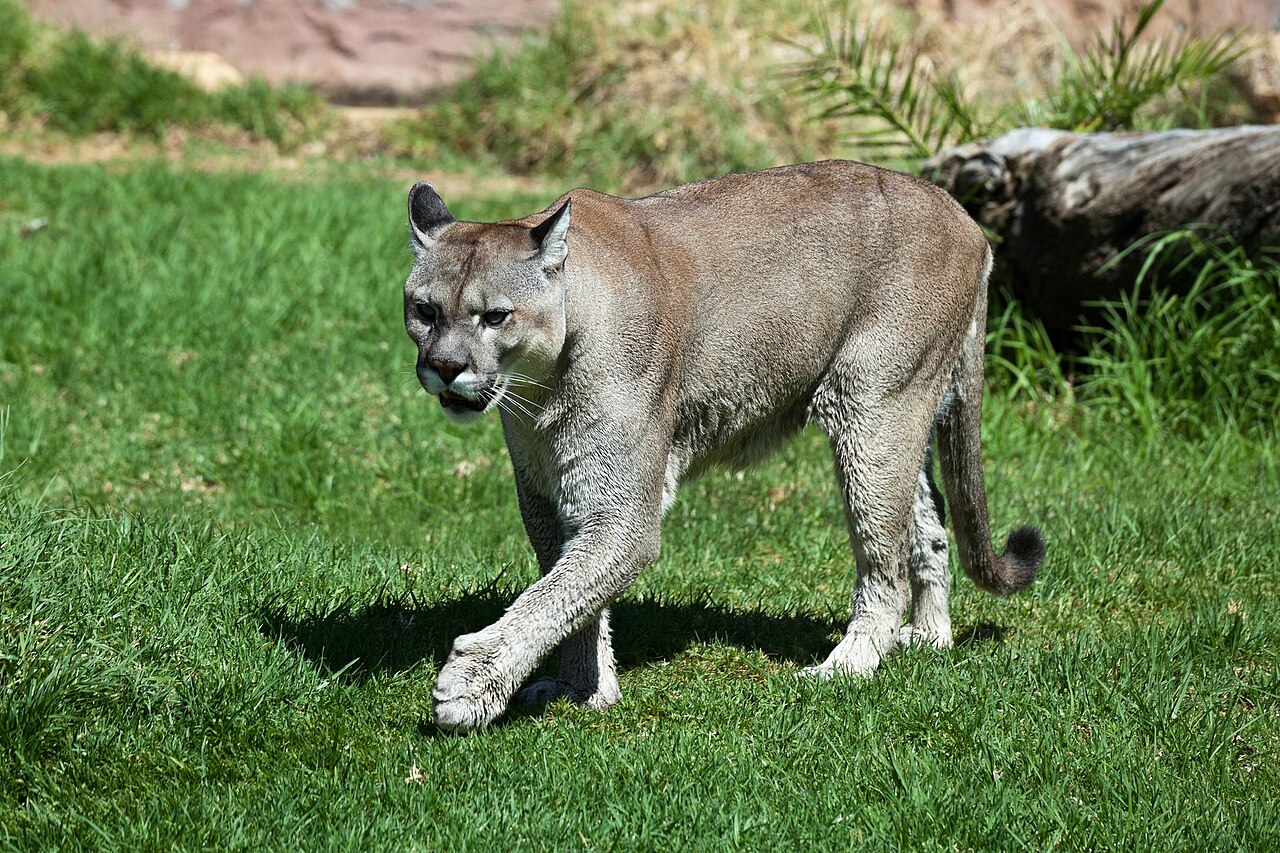
Mountain Lion Sounds: The Scream and Every Call Explained
Mountain lion sounds rank among the most bone-chilling noises in the North American wilderness, chief among them a piercing scream during the breeding season that closely resembles a woman in genuine distress, loud and unsettling enough that it generates emergency calls to authorities every year across the mountain lion’s range. Beyond that signature scream, mountain lions, also called cougars or pumas depending on region, produce a genuinely broad vocal repertoire including deep growls, hisses, spitting sounds, and, distinctively among big cats, a range of chirps and whistles more commonly associated with much smaller animals than an apex predator weighing well over 100 pounds.
Understanding this full vocal range matters both for genuine wildlife safety awareness in mountain lion country and for correctly identifying the actual source behind unsettling night sounds often misattributed to this notoriously elusive predator when the real culprit is frequently a considerably more common animal like a fox or bobcat instead. This guide covers every major mountain lion vocalization, the specific breeding season context behind the famous scream, mother-kitten communication sounds, and how to distinguish genuine mountain lion sounds from the more common night noises they frequently get blamed for.
| Sound | What It Means |
|---|---|
| Piercing scream | Breeding season, both sexes |
| Deep growl | Warning, territorial defense |
| Hiss and spit | Close-range threat display |
| Chirps and whistles | Mother-kitten contact calls |
| Purr | Contentment, rare in wild observation |
| Caterwaul | Extended courtship vocalization |
The Famous Scream: Breeding Season Communication
The sound most associated with mountain lions, and the one responsible for generating the most alarmed reports to wildlife authorities, is a loud, piercing scream given primarily during the breeding season, which can occur at various points throughout the year depending on region but often shows some seasonal concentration, when mountain lions need to locate potential mates across the notably large and often solitary home ranges this species maintains.
This scream carries a genuinely eerie, human-like quality that has fueled countless folk stories and startled reports throughout mountain lion range across North America, and unlike some more mechanical-sounding animal vocalizations, the mountain lion’s scream shows considerable tonal variation and an almost emotional quality within a single extended call, contributing significantly to why this particular sound proves so unsettling to people encountering it for the first time without any prior context.
Both male and female mountain lions produce this scream during appropriate breeding contexts, using the call’s considerable carrying distance to communicate across the substantial territories individual mountain lions typically maintain, since this species is fundamentally solitary outside of breeding encounters and the brief period mothers spend raising kittens, making effective long-distance vocal communication a genuine biological necessity for successfully locating a mate across such considerable ranging territory.
Growls, Hisses, and the Close-Range Warning System
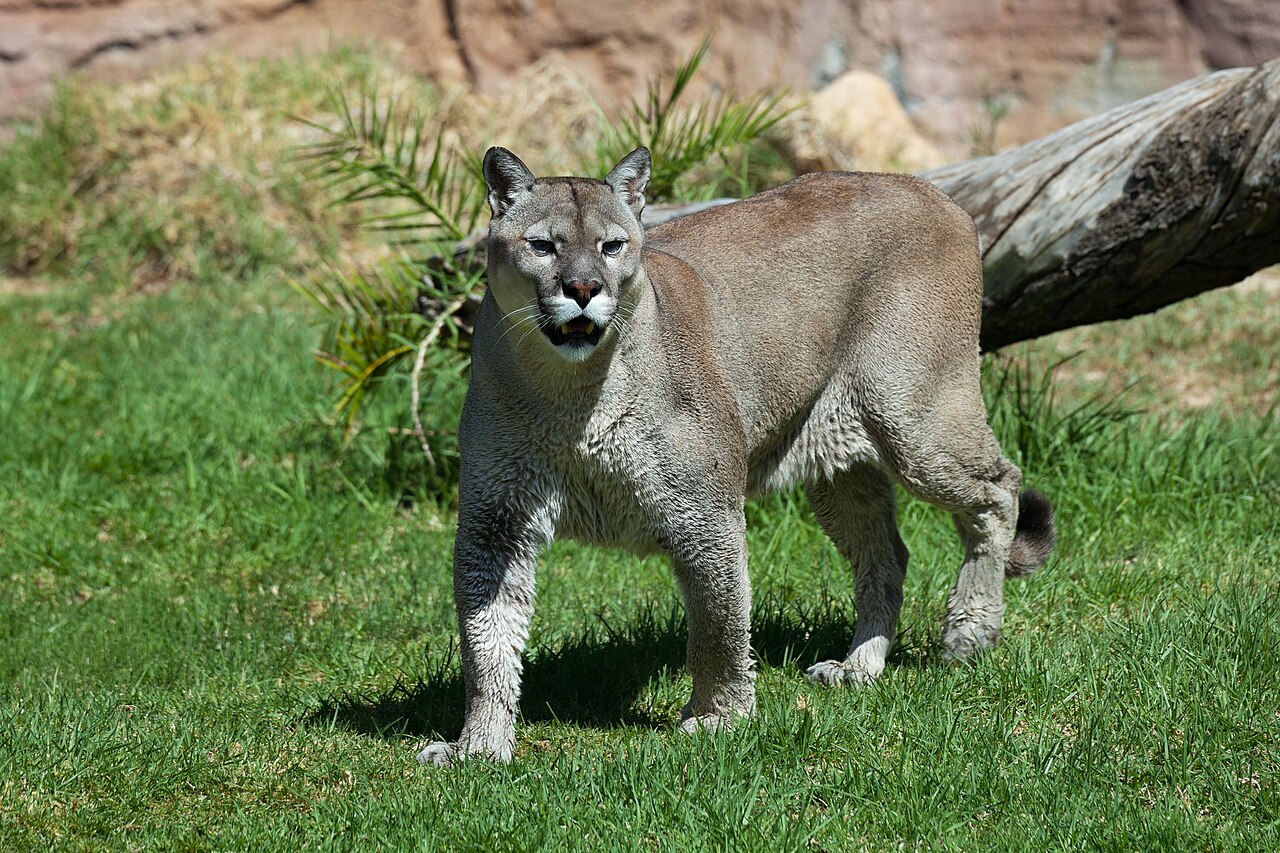
At closer range, mountain lions communicate warning and threat through an escalating vocal sequence that will feel broadly familiar to anyone who has heard a house cat’s defensive display, simply amplified considerably given the mountain lion’s substantial size: a deep, resonant growl as an initial warning, escalating to a sharp hiss with bared teeth if a perceived threat persists, and in genuine close encounters, spitting and snarling as a final escalation before the animal, true to the species’ generally shy and avoidant nature around humans, typically retreats rather than pressing any actual confrontation.
This warning ladder most commonly appears around defended kittens, contested prey or food caches, or situations where a mountain lion feels genuinely cornered with limited escape options, circumstances that remain quite rare given how effectively mountain lions typically avoid human contact under normal conditions across the vast majority of documented human encounters with this notoriously elusive species.
Wildlife safety guidance consistently emphasizes that encountering these warning sounds should prompt slowly backing away while maintaining eye contact and appearing as large as possible rather than running, since sudden flight can trigger a predatory chase response even in an animal that was fundamentally trying to communicate a desire for the encounter to end peacefully rather than escalate toward any actual physical confrontation.
Chirps and Whistles: An Unexpected Big Cat Sound
One of the most genuinely surprising facts about mountain lion vocalization is their capacity for soft chirps, whistles, and even bird-like trilling sounds, particularly used between mothers and their kittens, a vocal register that seems almost incongruous coming from an animal capable of taking down prey many times its own body weight, yet well documented across observations of mountain lion family groups in both wild and captive settings.
These softer contact calls serve practical communication purposes within the mother-kitten relationship specifically, helping maintain contact and coordination as kittens grow mobile enough to explore somewhat independently while still depending on their mother for protection and food, a vocal register considerably different in both pitch and apparent function from the dramatic breeding scream or defensive growling covered elsewhere in this guide.
This chirping and whistling capacity places mountain lions among an interesting group of big cats capable of producing sounds outside the deep roaring register some other large cat species are known for, and researchers studying big cat vocalization generally note that a species’ specific vocal capabilities connect closely to underlying throat and vocal cord anatomy, with mountain lions falling into a category of big cats that purr and chirp rather than roar, a genuine anatomical distinction from lions and tigers specifically.
Caterwauling and Extended Courtship Vocalization
Beyond the primary breeding scream covered above, mountain lion courtship can involve extended caterwauling sessions, a term shared across several cat species for prolonged, variable yowling exchanged between a male and female during the period surrounding actual mating, potentially continuing intermittently over several days as a pair travels and interacts before successful mating occurs.
These extended vocal exchanges differ from the more isolated, solo territorial scream in their back-and-forth, conversational quality between two specific individuals, and anyone fortunate enough to observe or hear this extended courtship vocalization, rather than a single isolated scream, is likely encountering an actively courting pair rather than a lone individual simply broadcasting general breeding availability across its territory.
Courtship-related vocalization, like the primary breeding scream itself, concentrates specifically around the breeding period relevant to a given population, with the rest of the year generally featuring a considerably quieter baseline of occasional territorial calls and the close-range warning sounds covered in the growls and hisses section above, reflecting this species’ generally solitary, non-vocal default behavior outside these specific reproductive contexts.
Mountain Lion Sounds vs Bobcat, Fox, and Owl Screams
The mountain lion’s breeding scream competes directly with several other North American predators for causing confused night-sound reports, and size differences between the callers translate into meaningful acoustic differences worth understanding. Compared to the bobcat’s own breeding season scream, the mountain lion’s call typically runs notably deeper, louder, and more sustained, reflecting the mountain lion’s considerably larger body size relative to its smaller wild cat relative sharing similar habitat across much of the western United States.
Compared to the fox’s repeated, flatter scream, mountain lion vocalizations show more tonal complexity and depth within a single call, and unlike a fox’s tendency to repeat the same scream in a metronomic pattern, mountain lion screams often show more variation in duration and intensity across a single extended vocalization, a quality contributing significantly to the scream’s particularly unsettling, almost deliberate-sounding character.
Owls, particularly the Barn Owl covered in our owl sounds guide, present another commonly confused night screamer, but the aerial, gliding delivery of an owl’s scream during flight differs meaningfully from a mountain lion’s ground-based vocalization, and raccoons, covered in our raccoon sounds guide, produce a chaotic, multi-voiced brawl quality entirely different from the mountain lion’s more isolated, singular scream, a distinction similar to the ground-level tracking clues covered in our fox poop guide, making location, delivery style, and overall depth of tone the key features for correctly sorting between these frequently confused night callers.
Why Mountain Lions Are Genuinely Rarely Heard
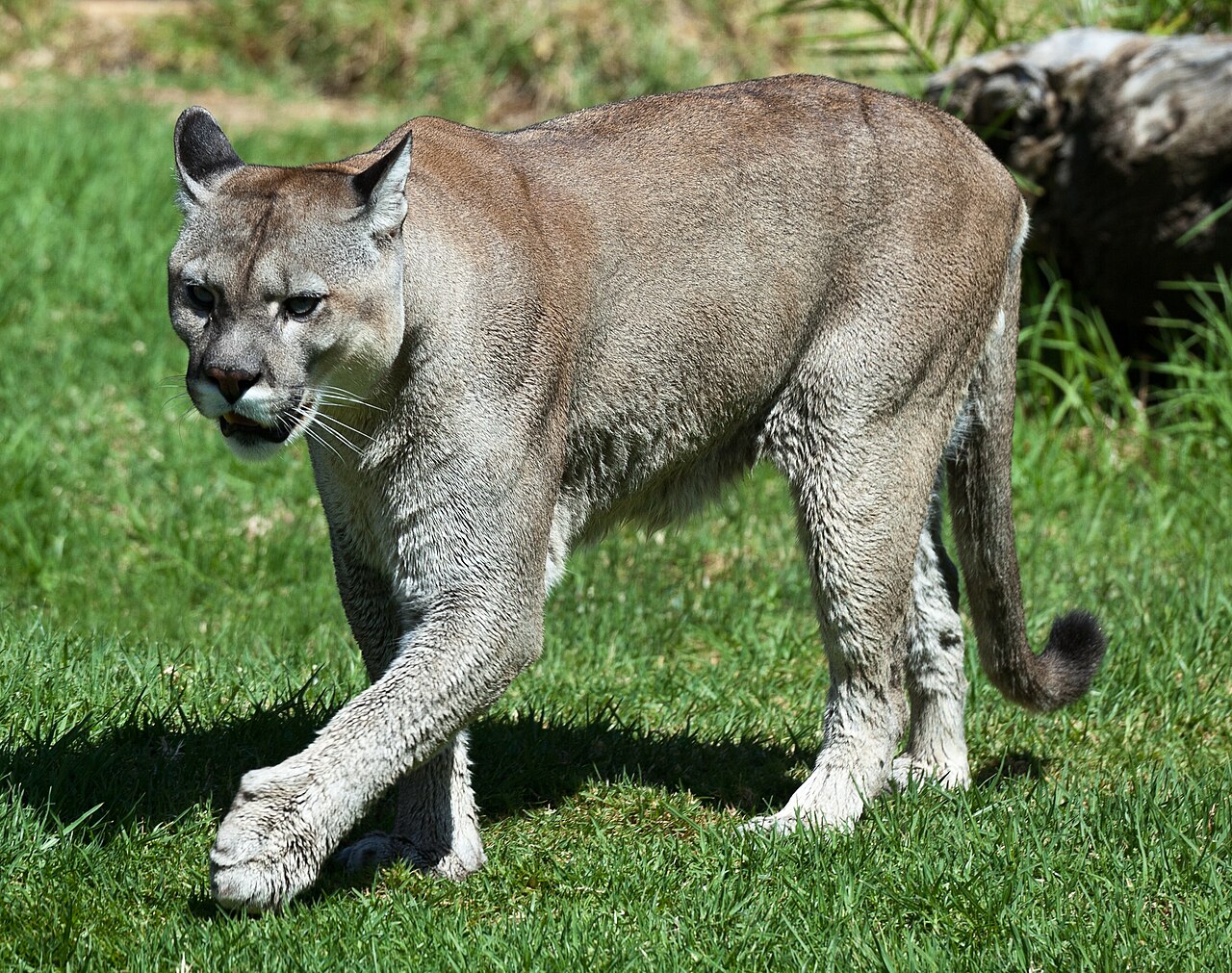
Despite their fearsome reputation and the dramatic quality of their vocalizations when they do occur, mountain lions rank among the most notoriously elusive and rarely encountered large predators in North America, with their fundamentally solitary, stealth-based hunting strategy meaning most people living within confirmed mountain lion range for their entire lives never hear a single vocalization from this species despite mountain lions being genuinely present and occasionally documented through trail cameras or tracks.
Wildlife agencies and research institutions studying mountain lion behavior, including work associated with organizations like the National Park Service, consistently emphasize that mountain lions actively avoid human contact as a general behavioral pattern, relying on stealth and solitary movement rather than the kind of frequent vocal territorial announcement some other predator species rely on for long-distance communication throughout more of the year.
This overall rarity means that any confirmed mountain lion vocalization, whether the dramatic breeding scream or a closer-range warning growl, represents a genuinely notable wildlife encounter worth appreciating from a safe distance rather than a routine occurrence, and the statistical rarity of actual mountain lion encounters means that most mystery night screams in areas where mountain lions are merely possible, rather than locally abundant, are considerably more likely to have originated from far more common animals like foxes, bobcats, or owls sharing the same general habitat.
Mountain Lion Safety and Sound Awareness
For anyone living, hiking, or recreating in confirmed mountain lion habitat, understanding the full range of sounds this species produces provides genuinely useful practical awareness beyond simple curiosity, since recognizing a close-range growl or hiss as a mountain lion warning signal, rather than assuming any unfamiliar animal sound must be harmless, supports the appropriate slow-retreat safety response wildlife agencies consistently recommend rather than either panicked flight or careless approach toward an unidentified sound source.
State wildlife agencies operating in confirmed mountain lion territory typically provide specific guidance on recognizing mountain lion sign generally, including vocalizations alongside tracks and other physical evidence, and following region-specific official guidance remains considerably more valuable than general internet information alone, given how meaningfully mountain lion behavior, density, and human-encounter protocols can vary across different states and specific local mountain lion population contexts.
Ultimately, mountain lion vocalizations, however unsettling on first encounter, reflect normal seasonal and social behavior from a species that overwhelmingly prefers avoiding humans entirely, and the rare person who does hear a genuine mountain lion scream in the wild is encountering one of the most elusive and successfully avoidant large predators on the continent doing something it does relatively infrequently even within its own established territory and breeding season.
Related reading: Mountain Lion Scat.
Frequently Asked Questions
What does a mountain lion sound like?
Most notably, a loud, piercing scream during the breeding season that closely resembles a human in distress. Mountain lions also growl, hiss, spit as warnings, and produce soft chirps and whistles between mothers and kittens.
Why do mountain lions scream at night?
Primarily to communicate during the breeding season, when this largely solitary species needs to locate potential mates across substantial home ranges. Both males and females produce this vocalization in appropriate contexts.
Do mountain lions purr like house cats?
Yes, mountain lions fall into the category of big cats capable of purring and chirping rather than the deep roaring some other large cat species produce, reflecting underlying anatomical differences in their vocal structures.
How can I tell a mountain lion scream from a bobcat scream?
Mountain lion screams typically run notably deeper, louder, and more sustained than the smaller bobcat’s own breeding scream, directly reflecting the considerable size difference between these two wild cat species.
Are mountain lion sounds dangerous or a warning sign?
Vocalizations themselves reflect normal seasonal and social behavior, but a close-range growl or hiss does signal a warning worth heeding by slowly backing away rather than running, following standard wildlife safety guidance for this species.
Why are mountain lions so rarely heard despite being large predators?
Mountain lions rely on stealth and solitary movement as their primary strategy rather than frequent vocal communication, making them genuinely elusive, and most confirmed mountain lion vocalizations concentrate specifically around the breeding season.
What sound do mother mountain lions make with their kittens?
Soft chirps, whistles, and bird-like trilling sounds used for contact and coordination as kittens grow mobile, a considerably different vocal register than the dramatic breeding scream or defensive growling covered elsewhere in mountain lion vocalization.