Brown Ladybug: Aging, Genuine Species, or a Lookalike
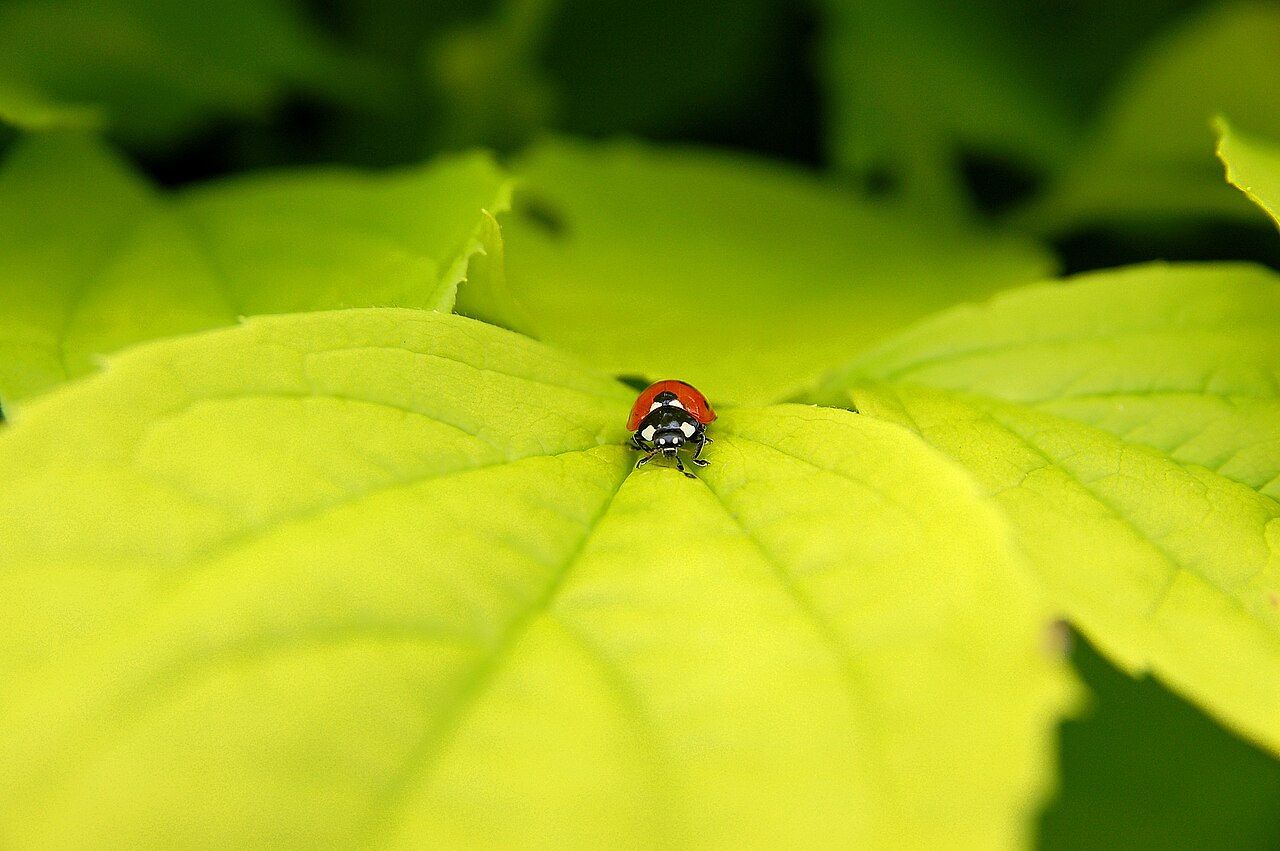
A brown ladybug typically represents either an aged or worn individual of a species that starts out a brighter color, most commonly the seven-spotted ladybug or Asian lady beetle whose vivid red or orange coloration can fade toward a duller brownish tone over time or under certain environmental conditions, or a genuinely distinct species that is naturally brown as an adult, including certain less commonly discussed lady beetle species found across North America. This color variation, whether from aging or genuine species-level difference, means a brown ladybug is not automatically a cause for concern or confusion once you understand the specific reasons behind the coloration you are observing.
Correctly sorting out whether a specific brown-toned individual represents natural color fading, a genuinely brown species, or potentially one of several unrelated brown beetles that share a superficial ladybug-like shape helps clarify what to expect from the insect both behaviorally and in terms of its role as either a beneficial predator or, in some lookalike cases, a garden pest requiring different management. This guide covers the color-fading phenomenon in common species, the genuinely brown lady beetle species that exist, key lookalikes to rule out, and what brown coloration means practically for gardeners encountering these insects.
| Cause | What’s Happening |
|---|---|
| Color fading with age | Bright red/orange dulls toward brown over time |
| Newly emerged adult | Colors take hours to days to fully develop |
| Genuine brown species | Naturally brown as mature adult |
| Brown marmorated stink bug | Unrelated pest, similar general shape |
| Carpet beetle | Unrelated pest, smaller and more mottled |
Why Ladybugs Fade to Brown Over Time
Many ladybug species, including the common seven-spotted ladybug and the variably colored Asian lady beetle, can show a genuine shift toward duller, more brownish coloration as individuals age, a natural fading process affecting the pigments responsible for their more typically vivid red, orange, or yellow coloration, meaning an older individual encountered later in its natural lifespan may appear notably more brown than the same species would show shortly after reaching adulthood.
Environmental factors can accelerate or contribute to this color change as well, with prolonged sun exposure, temperature stress, and simple wear on the exoskeleton over an individual’s active season all potentially playing some role in gradually dulling the more vivid coloration typical of a freshly emerged adult, similar in general principle to how many insects show more worn, faded coloration as their individual lifespan progresses rather than maintaining pristine coloration indefinitely.
This aging-related color shift means that finding a notably brown or dull-colored ladybug does not necessarily indicate anything is wrong with the insect specifically, and in many cases simply reflects a naturally later-stage individual rather than any distinct species or health concern, making basic shape and spot-pattern checks, covered alongside the genuinely brown species discussion below, more useful than color alone for confirming this is still a true ladybug despite the atypical coloration.
Newly Emerged Adults: Another Source of Unusual Coloration
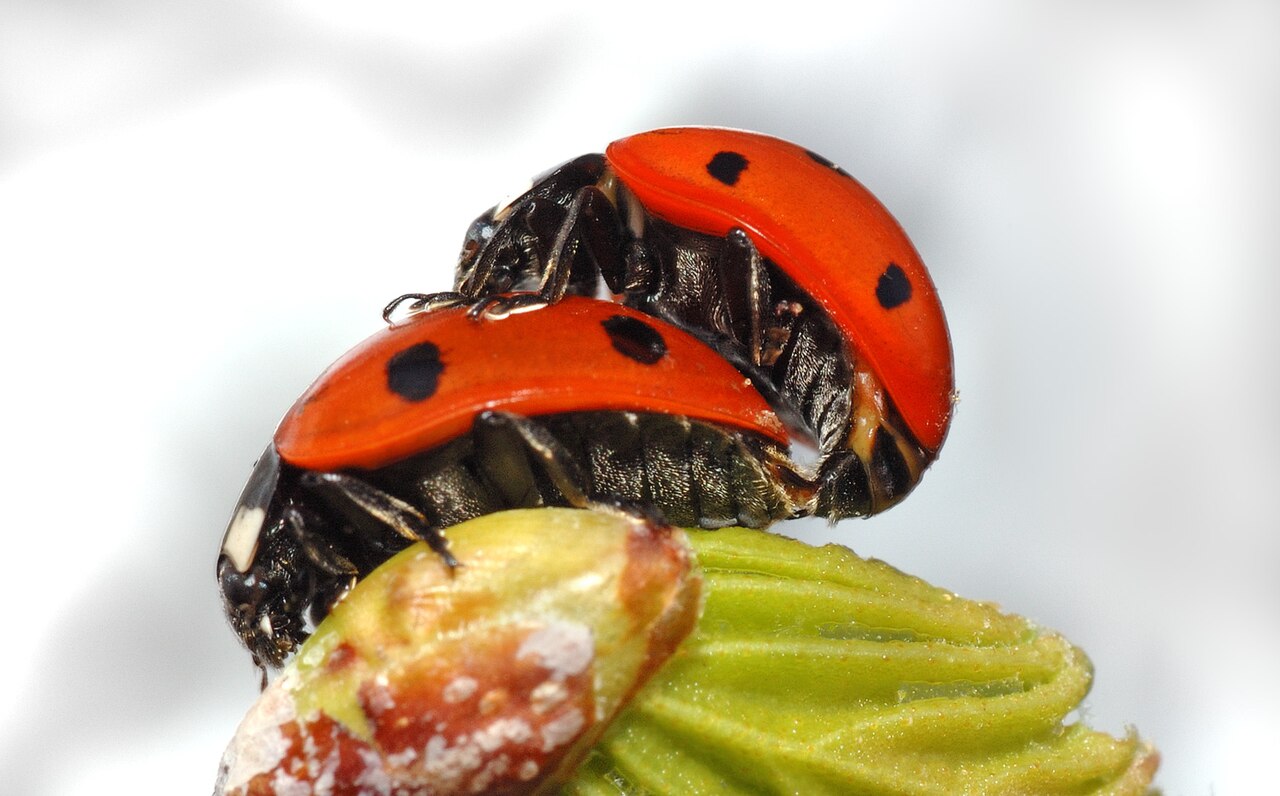
Beyond age-related fading at the other end of the lifespan, newly emerged adult ladybugs present a different but related coloration phenomenon worth understanding: freshly emerged adults often show pale, sometimes distinctly yellowish or brownish coloration immediately after completing metamorphosis, with their full adult coloration, including the more vivid red or orange most people associate with the species, developing gradually over the following hours to a few days as their exoskeleton hardens and pigments fully develop.
This means encountering an unusually pale or brownish ladybug-shaped insect, particularly one found near an area with recent pupal cases or other signs of nearby larval development, may actually represent a newly emerged adult still completing its color development rather than either an aging individual or a genuinely distinct brown species, adding a third possible explanation worth considering alongside the aging and true-species possibilities covered throughout this guide.
Distinguishing a newly emerging adult from an aged individual generally comes down to overall condition and context: a newly emerged adult typically shows a soft, slightly glossy or slightly translucent exoskeleton quality without the wear, minor damage, or duller matte finish more typical of an older individual that has been active for an extended period, along with the practical context of finding such an individual near other developmental stages or freshly vacated pupal cases specifically.
Genuinely Brown Lady Beetle Species
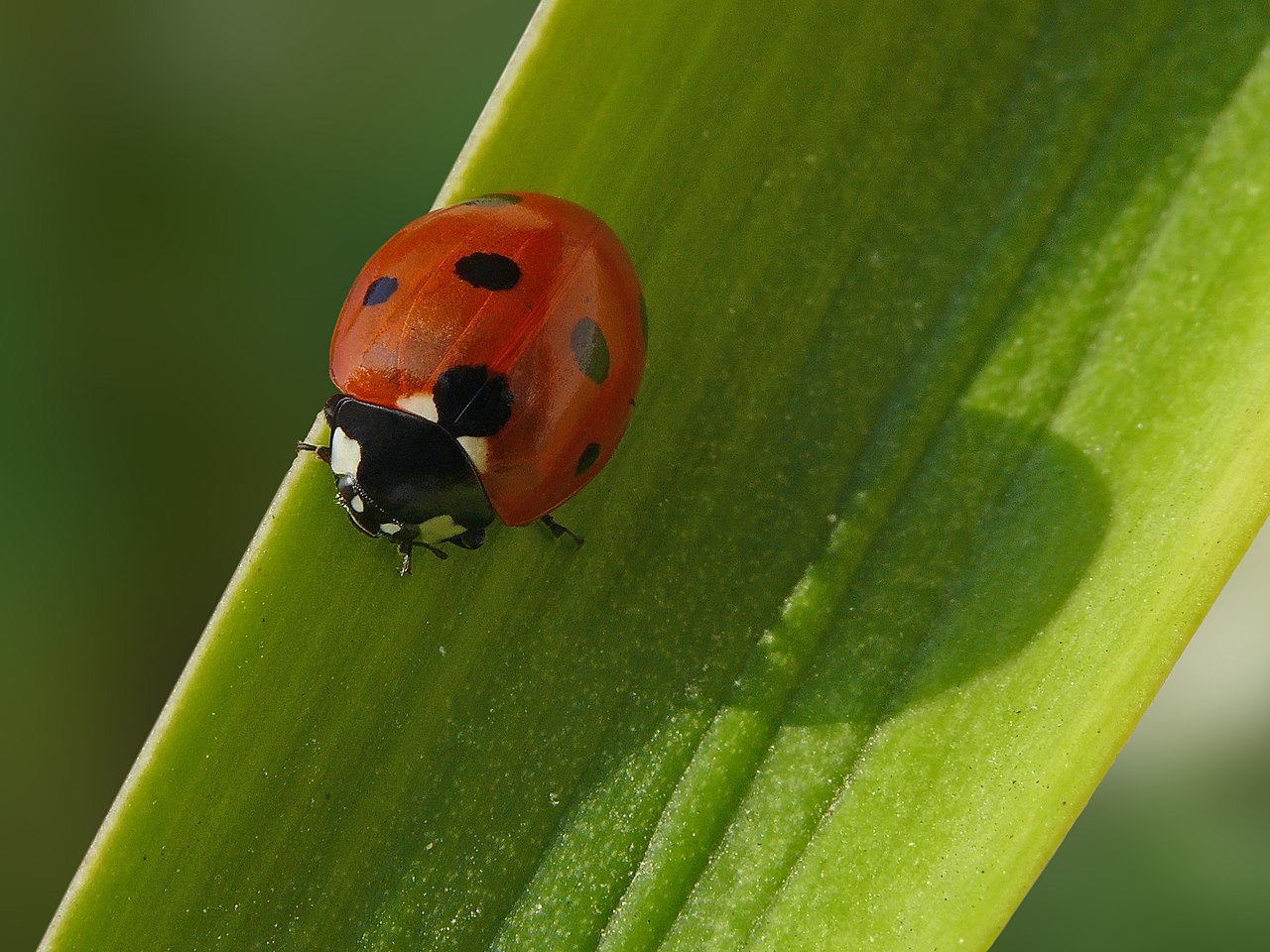
Beyond color variation within species that typically show brighter coloration, several lady beetle species are naturally brown as mature, fully developed adults rather than representing any aged or fading individual of a more typically bright species, with these genuinely brown species showing the same basic rounded, domed body shape characteristic of the broader lady beetle family while displaying a more consistently muted brown or tan base coloration throughout their adult lives rather than any brighter starting color that later fades.
These naturally brown species generally follow the same basic predatory ecology as their more brightly colored relatives, feeding primarily on aphids and other soft-bodied garden pest insects, meaning their brown coloration carries no particular implication about their behavior or beneficial status as garden predators despite lacking the more visually striking red or orange coloration most people specifically associate with beneficial ladybugs in a garden setting.
Correctly identifying a genuinely brown lady beetle species generally relies on the same core identification features used throughout the broader lady beetle family: checking overall body shape for the characteristic rounded dome, confirming discrete spot patterns rather than more mottled or textured surface coloration, and, where visible, checking for the specific pronotum markings that can help narrow down the exact species involved even when overall base color runs toward brown rather than the more typical brighter tones.
Brown Marmorated Stink Bug: A Common Lookalike
The brown marmorated stink bug presents one of the more commonly confused lookalikes specifically for brown-colored ladybug sightings, sharing a generally similar shield or dome-like body shape and mottled brown coloration, though this species belongs to an entirely different insect group, true bugs rather than beetles, and represents a genuinely significant agricultural and household nuisance pest rather than the beneficial predatory role true ladybugs typically fill.
Distinguishing this species from a true brown ladybug relies on checking overall body shape and specific texture: brown marmorated stink bugs show a distinctly more angular, shield-shaped body profile with a flatter overall appearance compared to the more smoothly rounded, domed shape of a true ladybug, along with a mottled, marbled brown coloration pattern rather than the more uniform base color with discrete spots typical of most true lady beetle species.
This species is also well known for entering homes in large numbers during fall seeking overwintering shelter, a behavioral pattern similar to the well-documented Asian lady beetle invasion behavior covered in our ladybug infestation guide, though brown marmorated stink bugs additionally produce a notably unpleasant odor when disturbed or crushed, a distinctive defensive characteristic true ladybugs do not share to nearly the same degree, providing a further practical way to distinguish an unwelcome stink bug invasion from the generally more tolerated ladybug home-invasion pattern.
Carpet Beetles and Other Small Brown Lookalikes
Carpet beetles present a considerably smaller-scale brown lookalike concern, particularly relevant for indoor sightings rather than garden encounters, since these beetles show a generally similar small, rounded body shape but typically display a more mottled, patterned brown-and-tan coloration rather than the more solid base color with clean, discrete spots typical of true ladybugs, and they represent a genuine household pest concern given their larvae’s tendency to damage natural fiber materials like wool, fur, and feathers.
Size provides a useful distinguishing feature here as well, since carpet beetles typically run somewhat smaller than most common true ladybug species, and their indoor habitat preference, often found near stored textiles, closets, or areas with natural fiber materials rather than the garden and outdoor settings where true ladybugs are far more typically encountered, offers a further practical context clue helping distinguish this particular lookalike from a genuine ladybug sighting.
Because carpet beetle larvae specifically cause the fabric and textile damage this species is known for, correctly identifying an indoor brown beetle as carpet beetle rather than ladybug carries genuine practical importance for anyone dealing with unexplained damage to stored clothing, rugs, or other natural fiber items, making the size and habitat context checks covered here considerably more than an academic identification exercise for households actually experiencing this specific pest problem.
What Entomologists Say About Color Variation
University extension entomology programs, which regularly field public identification questions about ladybugs showing unusual coloration, consistently note that color alone provides an unreliable basis for species identification across the lady beetle family broadly, since natural variation, aging, and environmental factors can all produce coloration considerably different from the bright red-with-black-spots pattern most people default to expecting from any “typical” ladybug.
This guidance aligns with the broader identification approach emphasized throughout entomology generally: checking structural features, body shape, spot pattern arrangement, and where visible, specific markings like pronotum patterns, provides considerably more reliable species-level identification than relying on base color alone, a principle that applies just as usefully to brown-toned individuals as it does to the full range of color variation documented across common lady beetle species.
For home gardeners and homeowners specifically uncertain about a particular brown-colored insect’s identification, many local extension offices welcome photographs and identification questions directly, often providing considerably more confident species-level identification than general online searching alone, particularly useful given how many genuinely different insects, from true brown lady beetle species to entirely unrelated pests like stink bugs and carpet beetles, can present a superficially similar overall brown, rounded appearance to a quick glance.
What Brown Coloration Means for Garden Management
For gardeners specifically encountering brown-colored ladybug-shaped insects in an outdoor setting, the practical takeaway generally favors treating the insect as a beneficial predator worth leaving undisturbed once the core identifying features, rounded dome shape, discrete spot pattern rather than mottled texture, and appropriate garden habitat context, confirm a true lady beetle regardless of whether the specific brown coloration stems from natural aging, a newly emerged adult, or one of the genuinely brown species covered above.
Only when the specific lookalikes covered in this guide, brown marmorated stink bugs or carpet beetles specifically, are confirmed through their distinguishing shape, texture, and habitat features does a different management response become genuinely warranted, since these represent actual pest concerns rather than the generally beneficial predatory role true brown-colored ladybugs, in whatever specific form they take, typically fill within a garden ecosystem.
This overall approach, checking shape and pattern details rather than relying on color alone, applies just as usefully to brown ladybug identification as it does throughout the broader family of color-based ladybug identification questions covered across related guides on black, green, orange, and yellow colored individuals, since color variation across the board tends to matter considerably less for correct identification than the more consistent structural features that define true lady beetles regardless of their specific base coloration in any given individual encounter.
Frequently Asked Questions
Why is my ladybug brown instead of red?
Most commonly, natural color fading with age in species that start out brighter red or orange, though it could also be a newly emerged adult still developing full coloration, or a genuinely brown lady beetle species.
Is a brown ladybug still beneficial for my garden?
Yes, if it is confirmed as a true lady beetle through shape and spot-pattern checks. Brown coloration, whether from aging or a naturally brown species, does not change the insect’s beneficial predatory role.
What is commonly mistaken for a brown ladybug?
The brown marmorated stink bug and carpet beetles are the most common lookalikes, both belonging to entirely different insect groups and representing genuine pest concerns rather than beneficial predators.
How can I tell a brown ladybug from a stink bug?
Check body shape: true ladybugs show a smoothly rounded dome, while brown marmorated stink bugs show a more angular, flatter, shield-shaped profile with mottled rather than clean spotted coloration.
Do newly hatched ladybugs start out brown?
Newly emerged adults often appear pale or brownish immediately after metamorphosis, with full vivid coloration developing gradually over the following hours to a few days as the exoskeleton hardens.
Are carpet beetles related to ladybugs?
No, carpet beetles are an entirely different beetle family, generally smaller with more mottled brown-tan coloration, and their larvae cause damage to natural fiber materials like wool and fur.
Should I be concerned if I find brown ladybugs in my house?
If confirmed as true ladybugs, generally not beyond typical seasonal home-invasion behavior similar to Asian lady beetles; if confirmed as brown marmorated stink bugs or carpet beetles instead, some management may be warranted given their pest status.