Monitor Lizard: Species, Danger, and Pet Suitability
Monitor lizards are a diverse family of large, alert, highly intelligent lizards found across Africa, Asia, and Australia, ranging from small species under a foot long to the Komodo dragon, the largest living lizard on Earth. Most species are not venomous in any medically significant way toward humans, though a few, including the Komodo dragon, have venom glands that contribute to weakening bite victims.
What sets monitors apart from most other lizards is genuine behavioral complexity: they show problem-solving ability, individual recognition, and in captivity, some level of trainability rare among reptiles. This guide covers what monitors actually are, how dangerous they can be, and whether one makes a suitable pet.
Monitor lizards are a large, intelligent family of lizards ranging from small African species to the Komodo dragon. Most are not medically venomous to humans, though Komodo dragons and a few relatives have venom glands that contribute to weakening bite victims alongside bacteria and blood loss. Some species, particularly savannah and Nile monitors, can become tame with consistent handling, but most require serious space, expertise, and commitment as pets.
| Aspect | Monitor Lizards |
|---|---|
| Family | Varanidae, over 80 species |
| Size range | Under a foot to over 10 feet (Komodo dragon) |
| Venom | Present in some species; not typically dangerous to humans except Komodo dragon |
| Intelligence | High for a reptile; problem-solving, recognition |
| Pet suitability | Demanding; large enclosure, expertise required |
| Diet | Carnivorous; insects to large mammals depending on species |
What Is a Monitor Lizard?
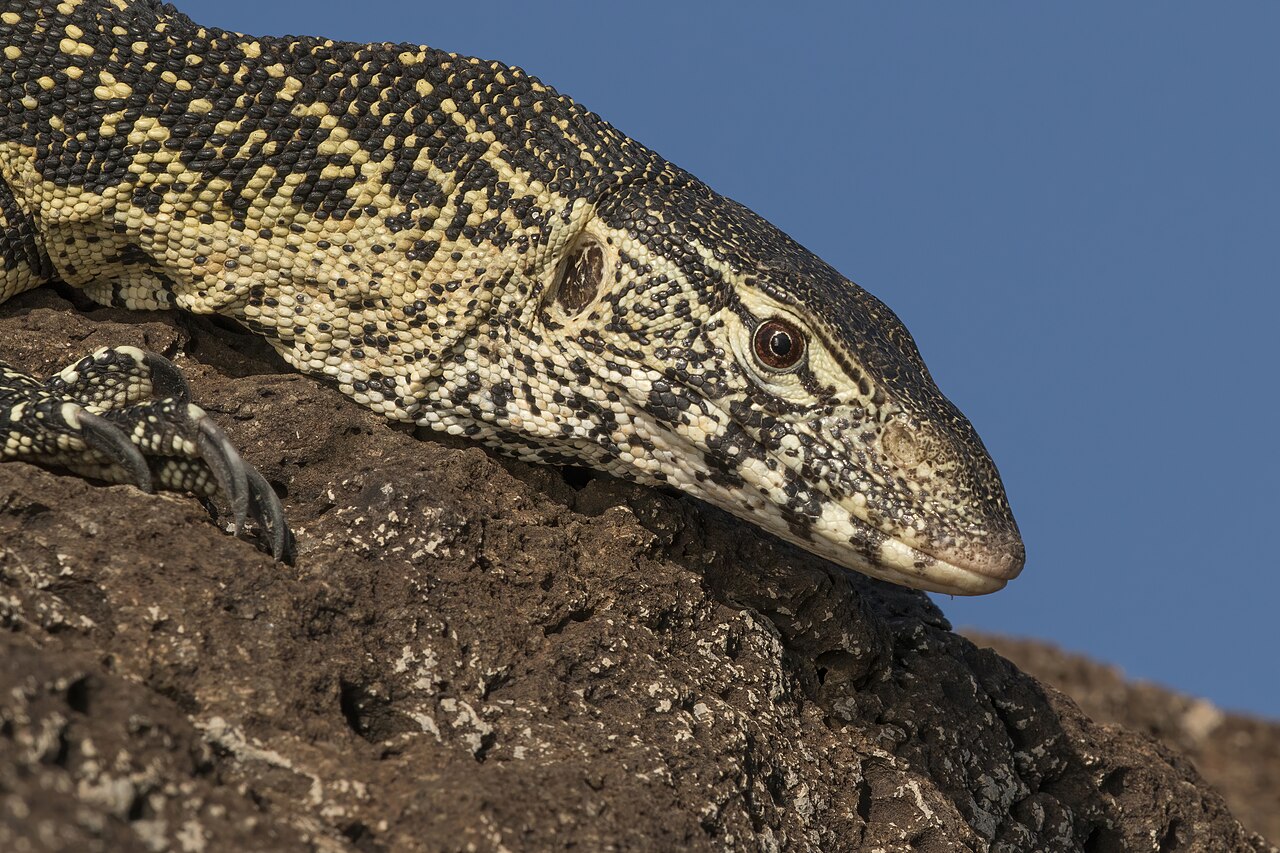
Monitor lizards belong to the family Varanidae, a group of over 80 species found across Africa, Asia, Australia, and various Pacific and Indian Ocean islands, unified by a similar body plan, a long neck, muscular limbs, a forked tongue used for scent detection, and generally high intelligence relative to other reptiles.
Size varies enormously across the family, from small species under a foot long that hunt insects and small vertebrates, to the Komodo dragon, which can exceed 10 feet and hunt prey as large as water buffalo, making the term “monitor lizard” cover an unusually wide range of ecological roles for a single family.
Common species kept as pets or seen in media include the savannah monitor, Nile monitor, and Asian water monitor, each with distinct temperament and care requirements despite sharing the same general family traits and carnivorous lifestyle. This is quite different from smaller, more beginner-friendly reptile pets like the crested gecko, which needs a fraction of the space and handling expertise.
How Venomous Are Monitor Lizards?
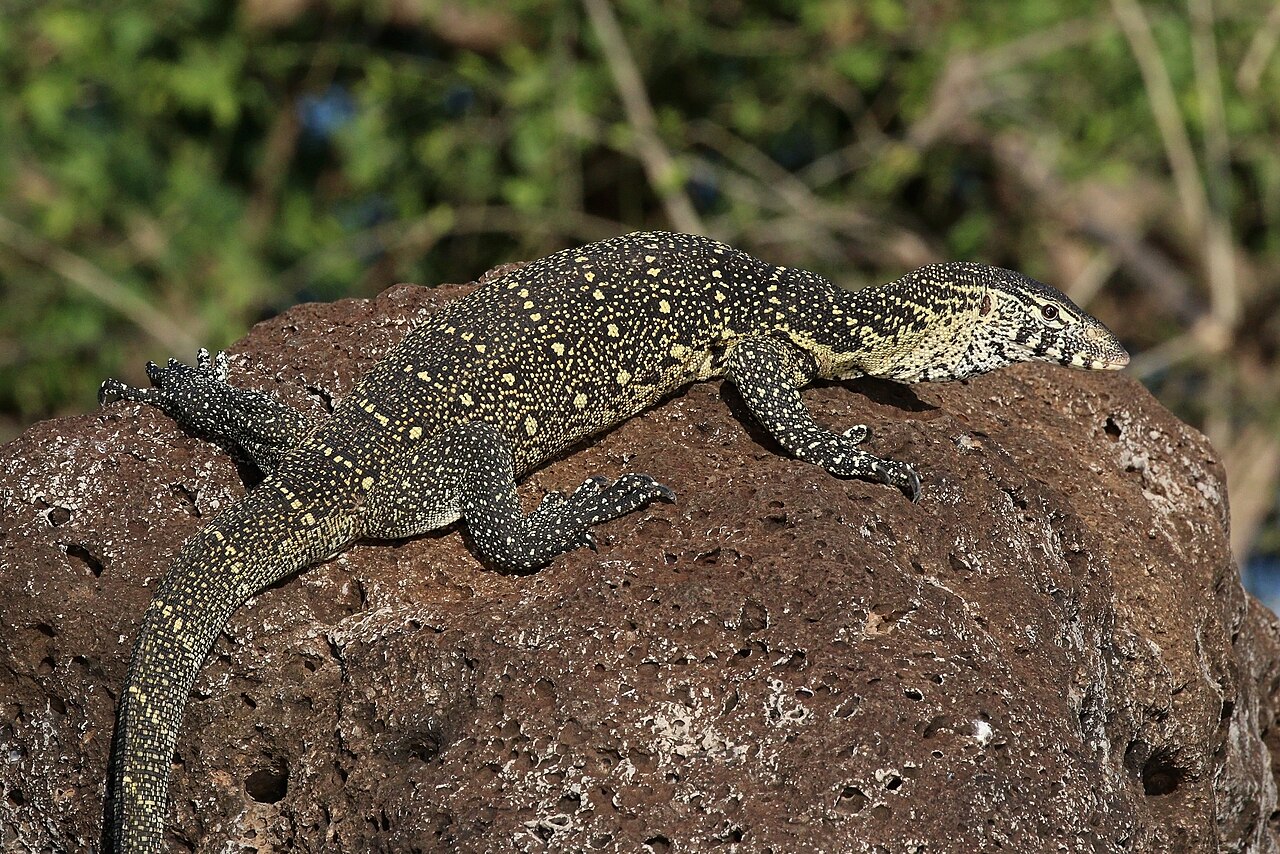
Most monitor species are not medically venomous to humans in a way that causes serious illness, though research has found that many monitor lizard species, previously assumed to rely purely on bacteria in their mouths, do in fact possess venom glands producing mild toxins.
The Komodo dragon is the notable exception with medically relevant venom, its bite delivers a combination of venom components that inhibit blood clotting and cause shock in prey, working alongside the physical damage of the bite itself and secondary bacterial infection to bring down large animals over time. Research led by venom biologist Bryan Fry at the University of Melbourne was instrumental in identifying venom glands across a much wider range of monitor lizard species than previously recognized, overturning the older assumption that bacteria alone explained their bite effects.
For smaller, commonly kept monitor species, a bite is a serious physical injury given their strong jaws and sharp teeth, but is not typically dangerous from venom in the way a Komodo dragon bite is, making bite avoidance through proper handling the main practical concern rather than venom itself.
Is a Komodo Dragon a Monitor Lizard?
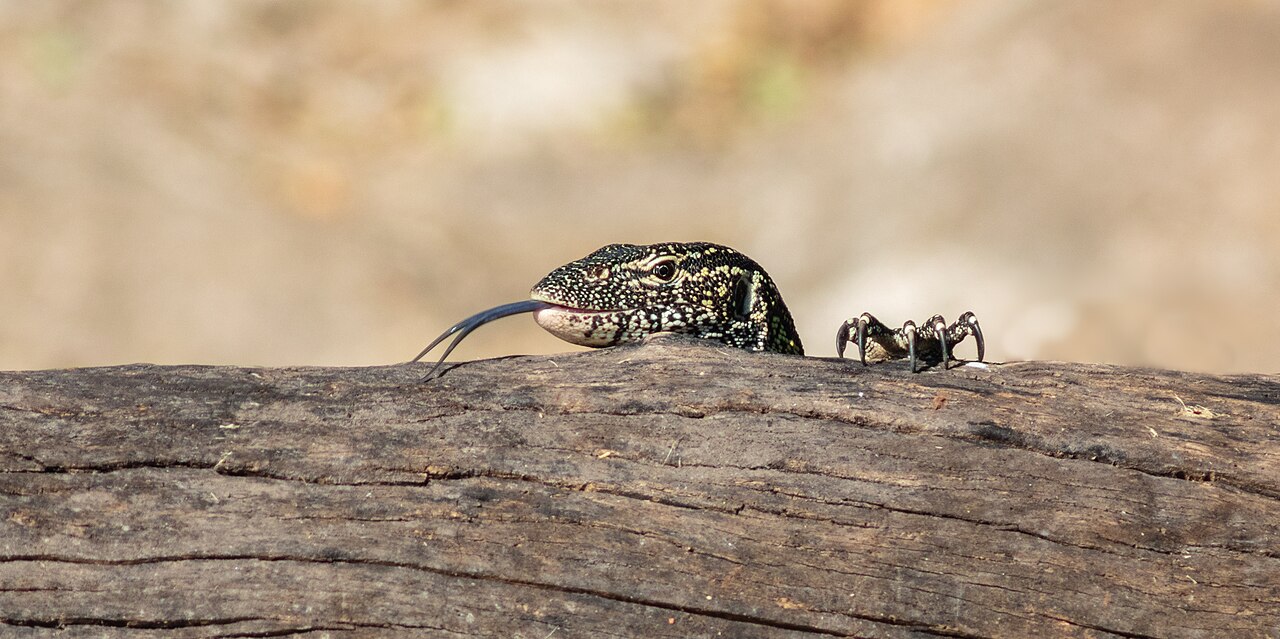
Yes, the Komodo dragon is a monitor lizard, the largest species in the family Varanidae, found only on a small number of Indonesian islands, and it represents an extreme end of the size and predatory capability range that the broader monitor lizard family covers.
Despite the size difference, Komodo dragons share the core Varanidae traits with much smaller monitor relatives, the forked tongue, similar body plan, high intelligence, and carnivorous, opportunistic hunting behavior, just scaled up considerably and adapted to hunt large prey like deer and water buffalo.
Komodo dragons are not kept as pets under any normal circumstance, both due to conservation protections and their genuinely dangerous size and bite, unlike several of their smaller monitor relatives that are established, if demanding, reptile-keeping species.
Is a Monitor Lizard a Good Pet?
For an experienced reptile keeper with adequate space, yes, several species make workable if demanding pets, but monitors are generally not recommended for beginners given their size, specific husbandry needs, and in some species, a strong bite capable of serious injury if mishandled.
Space requirements are substantial for most kept species: a full-grown savannah or Nile monitor needs an enclosure considerably larger than what most reptile keepers provide for smaller lizards, often requiring a custom-built enclosure rather than an off-the-shelf terrarium.
Diet, temperature, and humidity requirements vary by species and must be researched specifically rather than generalized from other lizard care, since monitors as a group have more specific and demanding needs than many commonly kept reptile species like bearded dragons or leopard geckos. The leopard gecko guide covers a considerably less demanding reptile pet for comparison.
Can Monitor Lizards Be Friendly?
Some individuals of certain species, notably savannah monitors and Nile monitors with consistent, patient handling from a young age, can become notably tame, tolerating and sometimes seeking out interaction with a familiar keeper in a way many other lizard species do not.
This tameness is built through regular, gentle handling and positive association rather than being an inherent trait present from birth, and a monitor that has not been consistently handled, or one that has had negative experiences with people, can remain defensive or aggressive regardless of species.
Individual temperament varies considerably even within the same species, and prospective keepers should research the specific temperament tendencies of the species they’re considering, since a Nile monitor in particular has a reputation for remaining more defensive than a savannah monitor even with similar handling effort.
What Should You Do If a Monitor Lizard Comes to Your House?
Give it space and avoid cornering it. In regions where wild monitor lizards occur near human habitation, a monitor entering a yard or occasionally a home is usually searching for food or shelter rather than posing a deliberate threat, and it will typically leave on its own if given a clear path to do so.
Avoid attempting to handle or corner an unfamiliar wild monitor, since a defensive bite from even a mid-sized species can cause a serious wound, and larger wild monitors in parts of Asia and Africa are strong enough to cause significant injury if they feel trapped.
Local wildlife authorities or pest control services experienced with reptiles are the appropriate resource if a wild monitor lizard becomes a recurring or genuinely problematic presence, rather than attempting removal without the right equipment or experience. Droppings are a useful confirming sign of regular activity, covered in the lizard poop identification guide.
What Is the Most Aggressive Monitor Species?
The Nile monitor has a strong reputation among keepers for remaining defensive and difficult to tame compared to other commonly kept species, often whipping its tail, hissing, and biting readily when it feels threatened, even with consistent handling attempts from an experienced keeper.
Wild Nile monitors in particular, and water monitors in parts of their range that have become habituated to human presence without positive association, can show bold, defensive behavior around people, contributing to their reputation as one of the more challenging species to work with safely.
Aggression in monitor lizards, as with most reptiles, is generally a defensive rather than predatory response toward humans, driven by feeling cornered or threatened rather than genuine hunting behavior directed at a person, which is a distinction worth keeping in mind when interpreting any monitor’s defensive display.
What Do Monitor Lizards Eat?
Diet scales dramatically with species size: small monitor species primarily eat insects, small reptiles, and eggs, while mid-sized species like savannah and Nile monitors take a broader range including rodents, birds, fish, and crustaceans depending on habitat and availability.
The Komodo dragon sits at the extreme end, capable of taking down prey as large as deer, wild pigs, and water buffalo through a combination of powerful bite, venom, and patient tracking of a wounded animal over subsequent days if the initial bite doesn’t bring it down immediately.
Captive monitor diets need careful management to avoid obesity, a common problem in captive monitors fed too frequently or too much relative to their activity level, since a captive environment rarely demands the same energy expenditure as hunting in the wild. The lizard diet guide covers general lizard feeding across smaller species.
How Big Do Monitor Lizards Get?
Size varies enormously by species. The smallest monitor species, including several dwarf monitors found in Australia, remain under a foot long as adults, while the Komodo dragon, the largest, can exceed 10 feet in length and weigh over 150 pounds in exceptional individuals.
Commonly kept pet species fall in between: savannah monitors typically reach 3 to 4 feet, while Nile monitors and Asian water monitors can grow considerably larger, sometimes exceeding 6 feet, which is part of why enclosure size planning needs to account for full adult growth rather than the juvenile size at purchase.
Growth rate is often faster than new keepers expect, with many species reaching a substantial portion of their adult size within the first one to two years, making early planning for adult housing far more practical than trying to upgrade repeatedly as the animal outgrows successive enclosures. The earless monitor lizard guide covers a smaller, unusual relative within the same broader family.
Are Monitor Lizards Protected by Law?
Many monitor species are protected under CITES, the international treaty regulating trade in endangered species, with the Komodo dragon and several other large monitor species requiring permits for any legal international trade, reflecting conservation concerns tied to habitat loss and, in some cases, the exotic pet trade.
Regulations for keeping monitor lizards as pets vary considerably by country and even by state or region within a country, with some jurisdictions banning certain species outright or requiring specific permits, so checking local regulations before acquiring one is a necessary first step rather than an afterthought.
Wild monitor populations in several regions face additional protection under national wildlife law, since overcollection for the pet trade and habitat loss have pushed some species toward vulnerable or endangered status despite the broader family remaining common overall.
Related reading: Monitor Lizard as a Pet.
Frequently Asked Questions
Are monitor lizards venomous?
Most have mild venom glands but aren’t dangerously venomous to humans. The Komodo dragon is the notable exception with medically significant venom.
Is a Komodo dragon a monitor lizard?
Yes, the largest species in the monitor lizard family, found only on a few Indonesian islands.
Is a monitor lizard a good pet?
For experienced keepers with adequate space, yes for several species. They’re generally not recommended for beginners given their size and specific care needs.
Can monitor lizards be friendly?
Some, particularly savannah and Nile monitors, can become tame with consistent handling from a young age, though individual temperament varies considerably.
What’s the most aggressive monitor lizard species?
The Nile monitor has a strong reputation for remaining defensive even with consistent handling, more so than species like the savannah monitor.
How big do monitor lizards get?
From under a foot for the smallest species to over 10 feet for the Komodo dragon. Commonly kept pet species typically reach 3 to 6 feet.