Stink Bug Symbolism: What It Means When One Visits You
A stink bug showing up in your home is read in most folk traditions as a message about protection, patience and timing rather than as a warning of harm. The insect carries a shield on its back, releases a smell instead of fighting, and arrives when the seasons turn, and those three traits drive almost every stink bug spiritual meaning you will find.
Stink bug symbolism is young compared with the folklore around butterflies or owls, so the honest picture is a mix of documented regional beliefs and modern interpretations that spread through spiritual blogs after the brown marmorated stink bug (Halyomorpha halys) invaded American houses in the 2000s. This guide separates the two, names the tradition behind each reading, and answers the questions people actually ask when one lands on them.
Seeing a stink bug most often symbolizes protection, boundaries and the need to hold your position without aggression. The shield shaped body stands for defense, the odor for setting limits, and the insect’s autumn arrival for transition. In folk belief it is a neutral to positive sign, not a bad omen, and a repeated sighting is read as a call to be patient.
What does a stink bug symbolize?
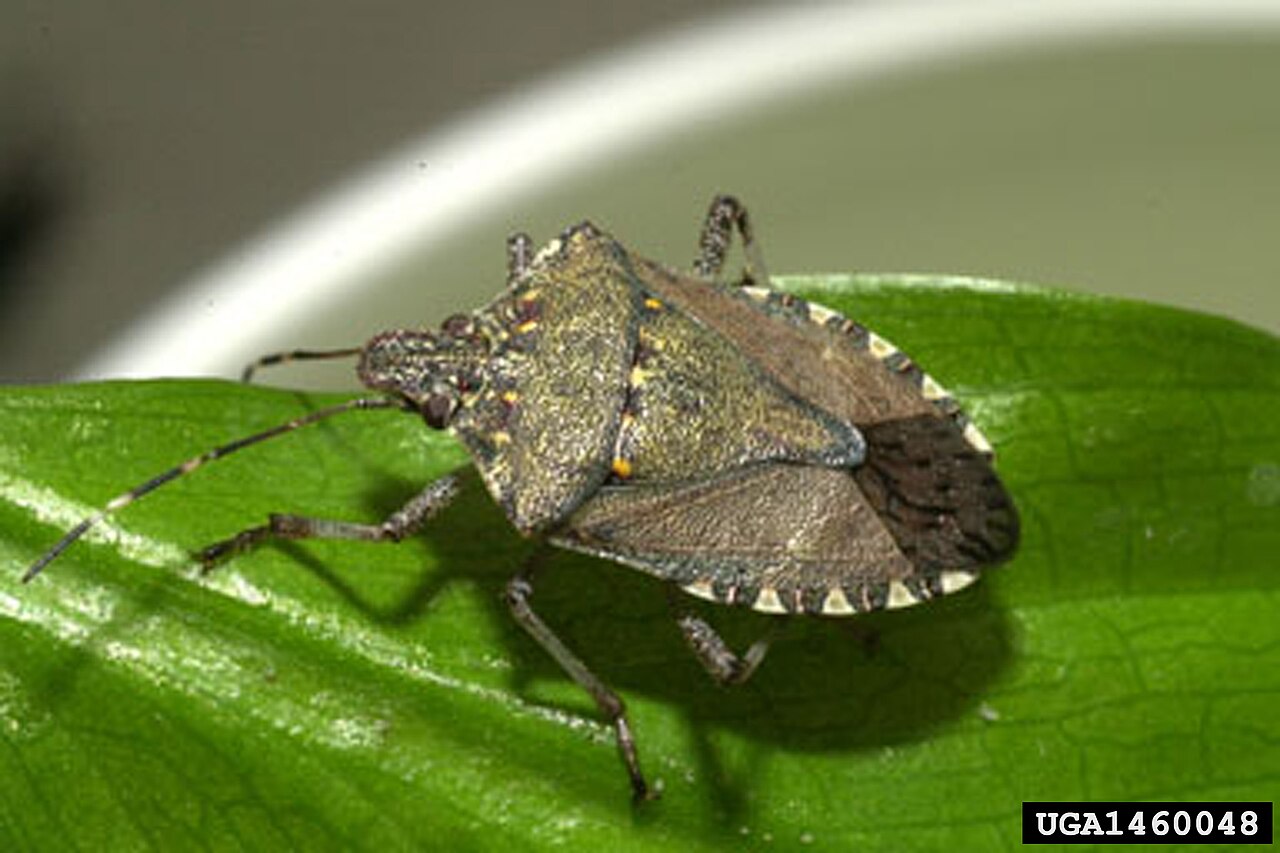
Across the readings that circulate today, the stink bug symbolizes four things: protection, self defense without violence, persistence, and the arrival of change. The shield shape of the pentatomid body is the anchor of all of it, which is why the family is also called shield bugs in Britain and why the insect gets tied to armor, faith and personal boundaries.
The second layer comes from behavior. A stink bug does not bite, sting or chase. It warns, it smells, and it stays put. People who work with animal symbolism read that as a lesson in standing firm and making your discomfort known instead of escalating. If you want the biology that sits under the symbolism, our guide to what stink bugs actually eat explains why these insects spend so much time clinging to fruit and foliage rather than confronting anything.
Are stink bugs bad omens?
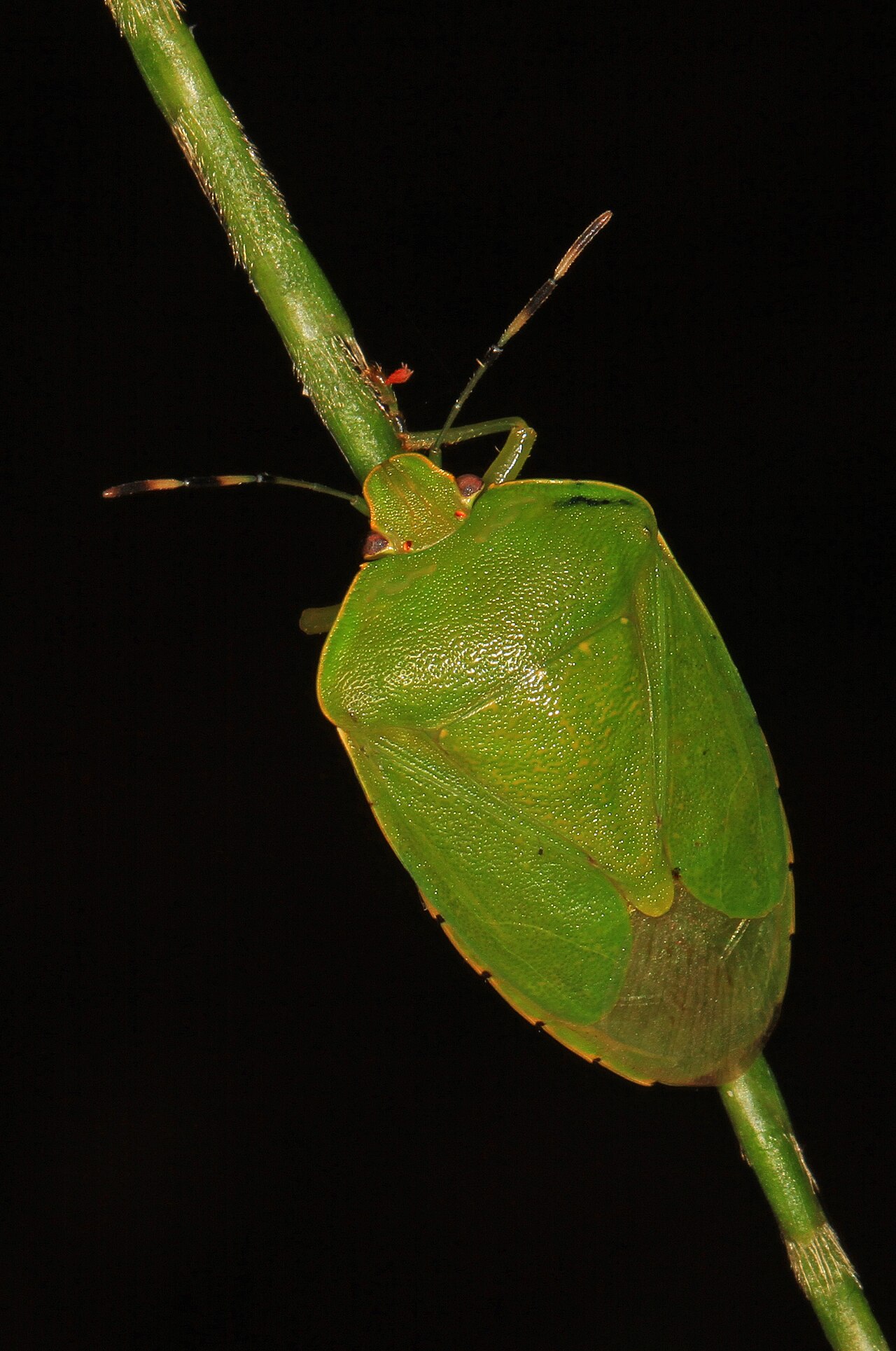
No tradition with documented roots treats the stink bug as a bad omen. The insect is absent from the classic omen lists that cover crows, owls and moths, and the modern spiritual literature almost always files it under protection. Where negativity appears, it is usually attached to the smell rather than to the animal, and it is framed as a nuisance, not a curse.
The one recurring caution is about ignoring the message. In popular interpretations, a stink bug that keeps returning is said to mark a boundary you have not defended yet. That reading is a belief and not a prediction, and it is worth saying plainly: an autumn invasion of your window frames has a simple explanation, which is warmth. Treat the sighting as meaningful if it speaks to you, and treat the infestation as a pest problem with a practical fix.
Stink bug symbolism in Native American traditions
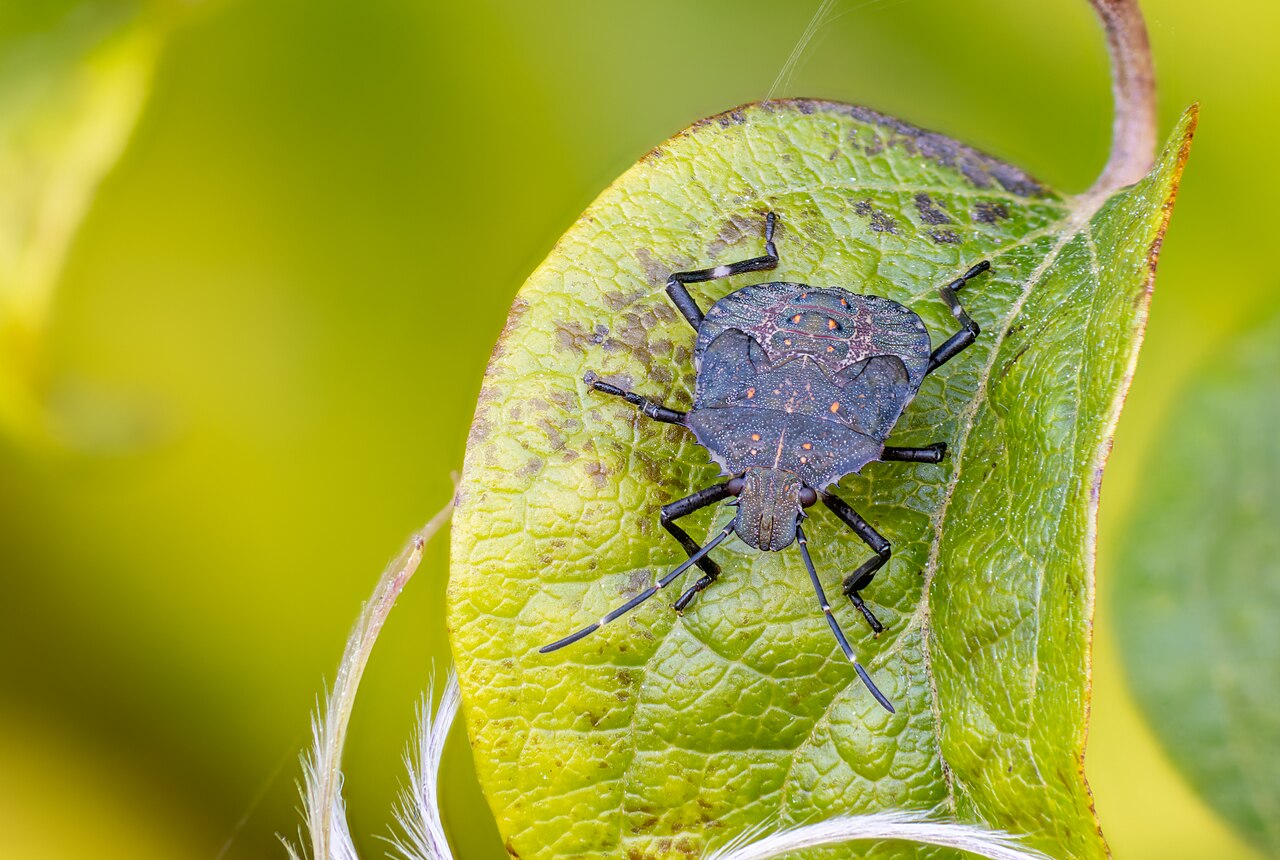
Stink bugs are not named as a distinct symbol in the documented oral traditions of North American nations, and any source that assigns one tribe a specific stink bug totem is almost certainly inventing it. What the record does support is a broad pattern: in many traditions, including Lakota and Hopi storytelling, small insects appear as messengers and as reminders that the overlooked creature carries knowledge.
Within that frame, writers who work from Native American motifs read the stink bug as a scout. It arrives quietly, it is noticed only when touched, and it leaves a mark on whoever handled it. That is a respectful modern reading rather than an inherited teaching, and labeling it honestly matters more than giving the answer people expect.
Christian and biblical interpretations of the stink bug
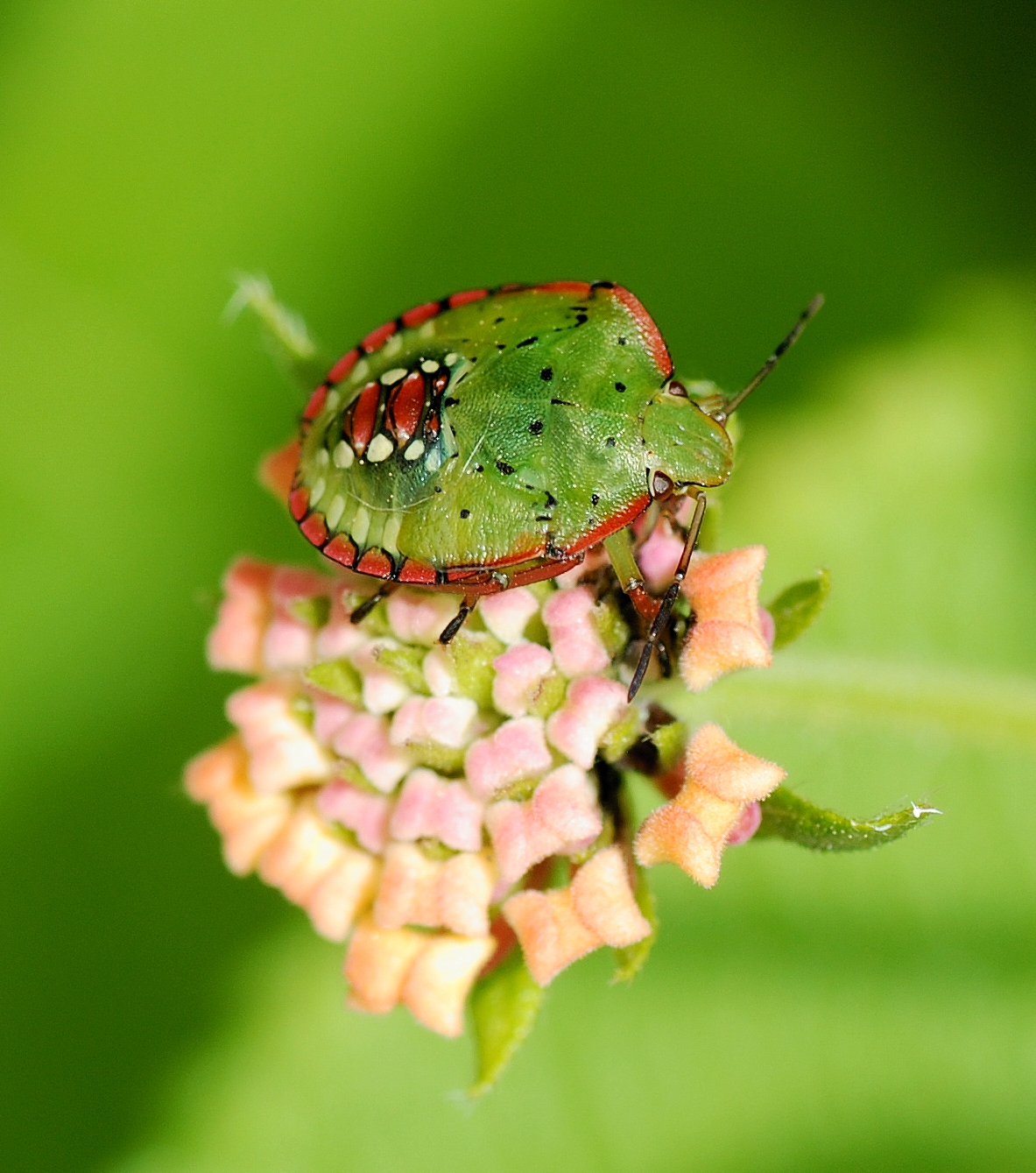
The Bible never mentions stink bugs. Christian readings therefore work by analogy, and the usual bridge is the shield of faith from Ephesians 6, where the believer is told to take up a shield against attack. A bug that carries its own shield and never strikes back makes an obvious sermon illustration for defensive faith and for turning away wrath without violence.
A second Christian reading treats swarms of insects in the house as a call to cleanse what has been neglected, echoing the plague narratives in Exodus. In both cases the belief is interpretive: Christians who find meaning in a stink bug sighting are applying scripture to an experience, not citing a verse about the insect itself.
Celtic and European folk beliefs about shield bugs
European folklore gave the family its common name, shield bug, and that name carries the symbolism. In British and Irish folk belief, insects that come indoors as the weather cools were treated as weather signs, and a sudden crowd of them on a sunny wall was taken as a sign of a hard season ahead. The bug itself was neither lucky nor unlucky; its timing was the message.
Celtic revival writing tends to place the shield bug alongside the beetle as a guardian of the threshold, the creature found at the doorway between outside and inside. If you like that reading, it pairs with the other threshold insects in our guide to the lookalikes people mistake for stink bugs, since several of those species carry the same shield outline and the same folk associations.
East Asian symbolism: the stink bug as a seasonal messenger
Japan has the richest everyday folklore here. The stink bug is kamemushi, literally turtle bug, and a long standing rural saying holds that a year with many kamemushi will be a year with heavy snow. Farmers in snow country still repeat it, and prefectural agricultural notices sometimes mention the belief when trap counts run high.
That makes the East Asian reading predictive rather than moral. The insect is not a judgment on the person who sees it; it is a forecast about the winter. In Korean and Chinese pest lore the shield bug appears in the same practical register, as a creature watched to time the harvest rather than one consulted for personal guidance.
Stink bug as a spirit animal, totem and power animal
In contemporary animal symbolism, people use spirit animal, totem and power animal for three different relationships, and the stink bug is given a role in each. As a spirit animal it is said to appear for a season when you need to defend your space. As a totem it marks someone who is calm under pressure, slow to anger and difficult to dislodge. As a power animal it is called on for protection during conflict you do not want to escalate.
The traits people assign to the stink bug totem are consistent: thick skinned, patient, unbothered by being underestimated, and willing to make a scene only as a last resort. Whether you treat that as guidance or as a personality sketch, it is a far gentler profile than the insect’s reputation suggests.
Seeing a stink bug in your house, at the window or at night
Situation matters more than species in folk readings, and the table below collects the interpretations that recur most often. Each is a belief rather than a fact, and all of them have a biological explanation running alongside.
| Where you see it | Common symbolic reading | What is actually happening |
|---|---|---|
| In the house in autumn | Protection moving indoors with you | Adults seek warm overwintering shelter |
| On a window or screen | A message you can see but have not let in | Insects track light and warm glass |
| At night, near a lamp | Clarity arriving in a dark stretch | Night flight toward artificial light |
| On your body or clothing | A boundary you need to claim out loud | Landing by accident while flying poorly |
| In the garden or on crops | Guard what you are growing | Feeding on fruit, pods and seed heads |
| Repeatedly, day after day | An unfinished lesson in patience | An established overwintering population |
| Dead on a sill | A cycle that has closed | Winter mortality indoors without water |
Finding a dead stink bug or dreaming of one
A dead stink bug is usually read as closure: the protection it stood for is no longer needed, or a defensive stretch of your life has ended. Some interpretations add a note of waste, the idea that a message went unheard, which is why the dead bug on the windowsill gets more attention in this folklore than the living one on the ceiling.
In dream interpretation the stink bug is tied to something unpleasant you have been avoiding naming. Dreaming of crushing one is read as handling a problem in a way that leaves a residue; dreaming of one landing on you is read as an issue arriving in person. Dream symbolism is personal and unverifiable, and the useful part is the question it prompts rather than the answer it gives.
Why should you never squish a stink bug?
The practical reason is the odor. Pentatomids release a defensive compound mix from glands on the thorax, and crushing one on fabric or a painted surface can leave both the smell and a stain. The smell also lingers on skin and can attract attention from other insects, so vacuuming into a sealed bag or sweeping the bug into soapy water works better than a tissue.
The symbolic reason follows the same logic. If the insect stands for setting a boundary without violence, destroying it is reading the lesson backward. Both traditions and exterminators arrive at the same advice: move it out, do not mash it. Birds handle the job outdoors, and our list of birds that eat stink bugs shows which species tolerate the taste.
What do Mexicans do with stink bugs?
In Taxco, in the Mexican state of Guerrero, stink bugs are food. The local species, Edessa and related genera, are called jumiles, and they are gathered in autumn, eaten live or ground into salsa with chiles and tomatillo, and celebrated at the Fiesta del Jumil on the Monday after the Day of the Dead. The flavor is often described as cinnamon and iodine.
That tradition reframes the whole question of stink bug symbolism. Where the insect is eaten and honored with a festival, it is a sign of abundance and of the season’s turn, not a pest to be removed. It is the clearest example of how local experience, rather than the insect itself, writes the meaning. For a comparable shift in how one creature gets read, see our guide to black butterfly spiritual meaning.
Researchers at the USDA Agricultural Research Service track brown marmorated stink bug populations across the United States, and their trap data is the reason we know these autumn indoor crowds are a recent phenomenon rather than an old one.
Frequently Asked Questions
What does it mean when a black beetle visits you?
Black beetles are read in folk belief as symbols of grounding, hidden work and transformation, since most of their life happens out of sight. Many reported black beetle visits are actually dark stink bugs or ground bugs. If the insect has a shield shaped back and a flat profile, you are looking at a pentatomid, and the protection symbolism applies instead.
Are stink bugs bad omens?
No established tradition calls them bad omens. The dominant readings are protective, and the Japanese folk belief treats them as a snow forecast rather than a personal sign. A stink bug in the house signals autumn and a gap in your weatherstripping far more reliably than it signals misfortune.
What is the life cycle of a stink bug?
Females lay barrel shaped eggs in clusters on leaf undersides, and the nymphs pass through five instars before reaching adulthood, usually in four to six weeks in warm weather. Brown marmorated stink bugs complete one or two generations per year in the United States. Our guide to stink bug eggs covers the early stages in detail.
How do I get rid of stink bugs?
Seal entry points around windows, doors, vents and siding before the first cold snap, then vacuum any that are already inside using a bag you can discard. Avoid sprays indoors, since dead bugs inside walls attract carpet beetles. Exclusion in late summer prevents far more bugs than any treatment applied in October.
What smell do stinkbugs hate?
Reports and trials point to clove oil, mint, neem and garlic as the scents stink bugs avoid most consistently, with clove and mint performing best in home tests. The effect is a deterrent and it fades within days, so repellents work as a supplement to sealing gaps and never as a replacement.
What is the natural enemy of a stink bug?
The samurai wasp (Trissolcus japonicus), a tiny parasitoid that lays eggs inside stink bug eggs, is the most effective natural enemy in North America and now spreads on its own. Spiders, assassin bugs, praying mantises and ground beetles take adults and nymphs, and several songbirds eat them despite the taste.