What Do Stink Bugs Eat?
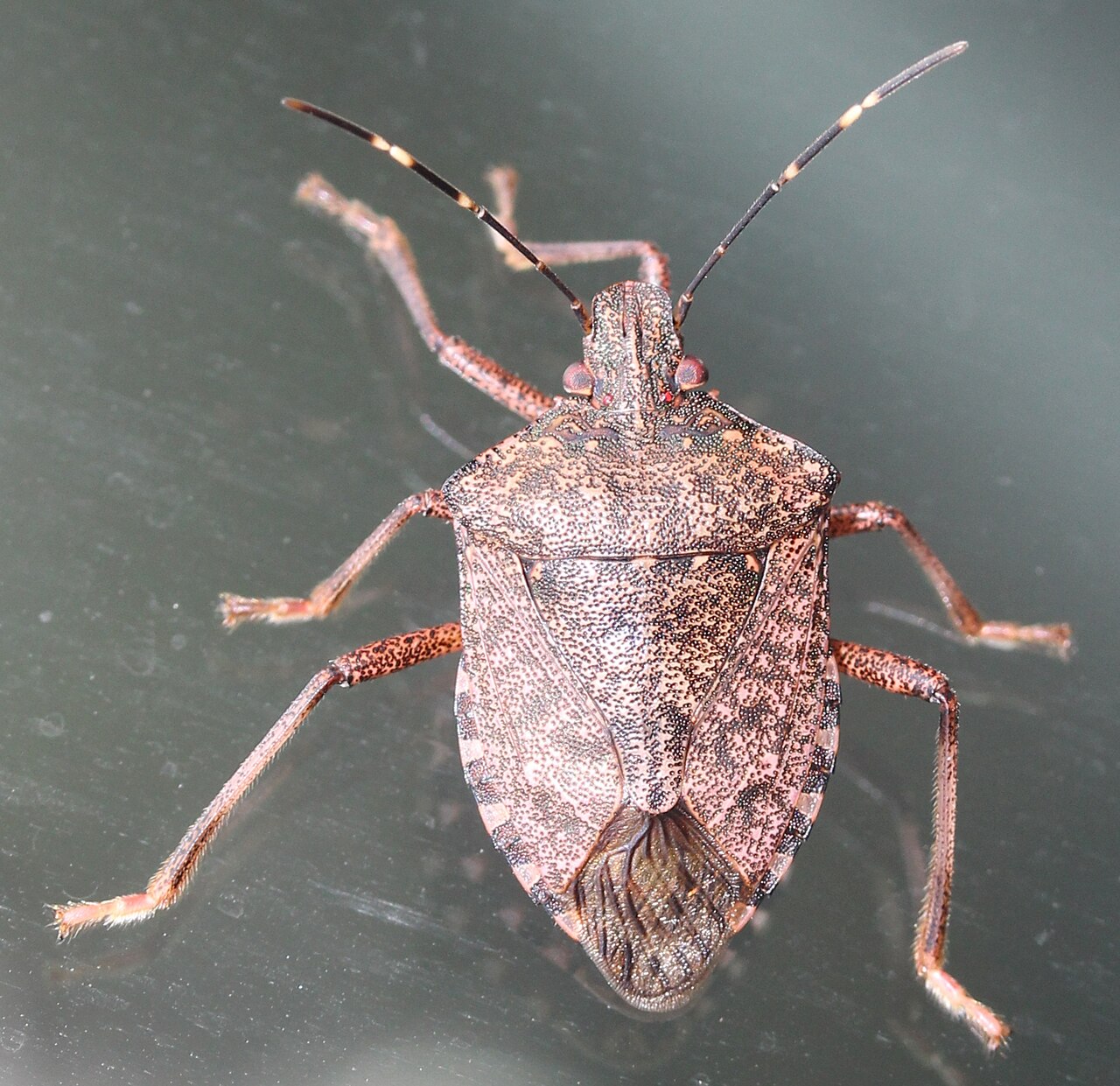
Stink bugs eat plants, almost exclusively, using needle like mouthparts to pierce fruit, leaves, and stems and drink the sap and juices inside. The brown marmorated stink bug, the species most commonly found invading US homes, is especially fond of fruit like apples and peaches, along with garden staples like tomatoes and peppers and field crops like soybeans.
They do not bite people, they do not feed on blood, and despite showing up indoors by the hundreds some autumns, they are not actually eating anything while they are in your walls. This guide covers what stink bugs eat in the wild, what they damage in gardens, and why they invade homes without ever looking for food once they are inside.
| Feeding method | Piercing-sucking mouthparts that drink plant sap and juice |
| Favorite foods | Fruit, tomatoes, peppers, soybeans, and many garden ornamentals |
| Do they bite humans | No, they lack the mouthparts to bite or feed on people |
| Diet indoors in fall/winter | None; overwintering stink bugs do not feed at all |
| Predatory exception | The spined soldier bug, a relative, eats other insects |
| Typical damage | Dimpled, scarred fruit skin known as cat-facing |
What Stink Bugs Eat in the Wild
Stink bugs are plant feeders through and through. Rather than chewing leaves like a caterpillar, they use a specialized needle like mouthpart called a stylet to puncture plant tissue and draw out the sap and juices inside, a feeding style shared with several other true bugs.
The brown marmorated stink bug, the invasive species responsible for most home invasions across the eastern and midwestern United States, has an unusually broad plant menu, feeding on well over 100 different plant species. That range is a big part of why it has become such a persistent agricultural pest since arriving in the country in the late 1990s.
Native stink bug species tend to be more selective, often favoring specific plant families, but they follow the same basic feeding style. In every case, the target is plant fluid, not solid plant material and never animal prey, with one notable exception covered further down. Feeding activity typically ramps up through spring and summer as adults build up the energy reserves needed for mating and, eventually, laying the barrel shaped stink bug eggs that hatch into the next generation of nymphs.
Favorite Host Plants and Crops
Fruit crops take some of the worst stink bug damage, with apples, peaches, and pears among the most commonly affected. Garden vegetables are not spared either, and tomatoes and peppers are frequent targets in home gardens throughout late summer.
Soybeans are a major concern on a larger agricultural scale, since brown marmorated stink bugs can move through soybean fields in large numbers and cause significant yield loss. Ornamental plants and some hardwood trees also serve as food sources, especially earlier in the season before fruit and vegetable crops are fully available.
This broad host range is exactly why stink bugs are considered such a difficult pest to manage. A yard or farm would need to eliminate dozens of plant species entirely to remove every food source, which is not realistic in most home garden or agricultural settings. Corn, grapes, and even some ornamental shade trees round out a menu broad enough that few backyards escape stink bug attention entirely once populations build up in a region.
Do Stink Bugs Eat Other Insects?
Most stink bugs are strict plant feeders, but there is a genuine exception worth knowing. The spined soldier bug, a close relative in the same family, is predatory rather than herbivorous, feeding on caterpillars, beetle larvae, and other soft bodied pest insects.
Because the spined soldier bug looks similar to plant feeding stink bugs at a glance, it is sometimes mistaken for a pest itself when it is actually beneficial. Gardeners who recognize it often leave it alone deliberately, since it helps control other insect pests without any chemical intervention. It is far from the only backyard insect that gets misidentified this way; the potato bug is another commonly confused species that looks intimidating but causes little practical harm around most homes.
Outside of this one predatory group, though, the overwhelming majority of stink bug species stick to a plant based diet, and finding one on a plant does not mean it is hunting other insects there.
Nymphs vs Adults: Does Diet Change?
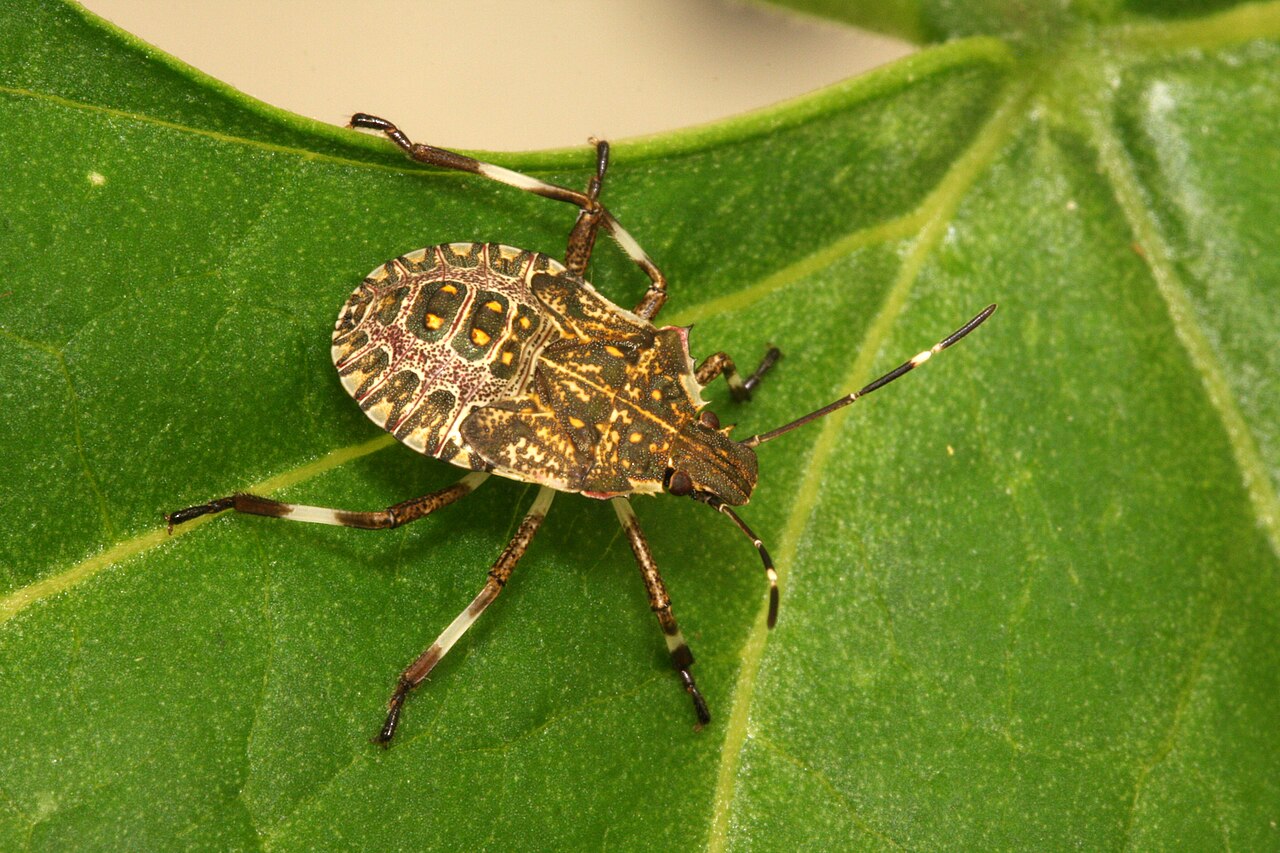
Stink bug nymphs go through several molts before reaching adulthood, and their basic diet stays consistent with the adult stage throughout that process. Even the youngest nymphs use piercing-sucking mouthparts similar in function to an adult’s, just on a smaller scale.
What does change is mobility and appetite relative to body size. Younger nymphs tend to feed on softer, more tender plant tissue simply because their mouthparts and bodies are less developed, gradually shifting toward the same broad range of host plants adults use as they mature.
By the time a stink bug reaches its final adult molt, it is feeding on essentially the same menu it will rely on for the rest of its life, with no dramatic dietary shift the way some insects experience between larval and adult stages.
Why Stink Bugs Invade Homes in Fall
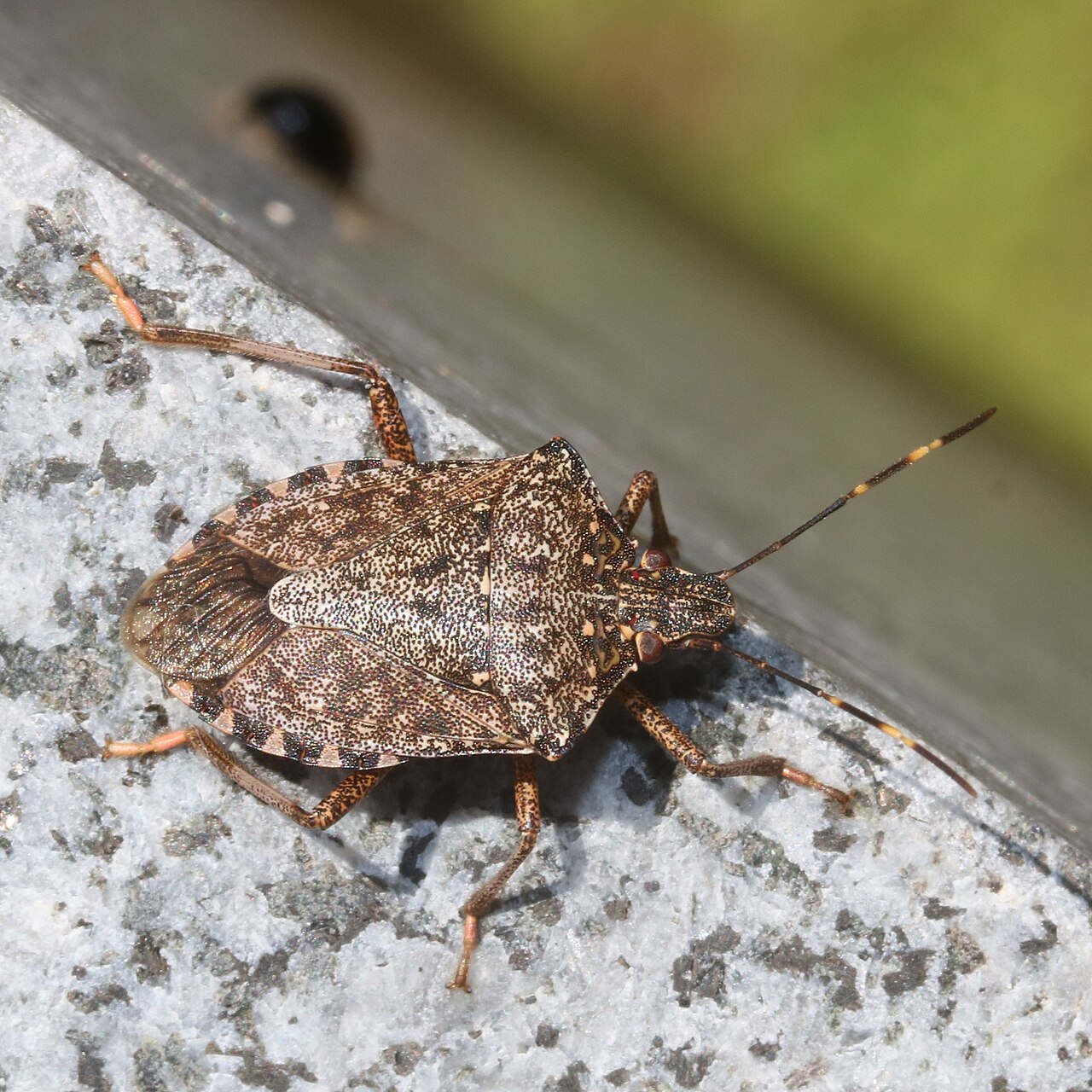
Stink bugs enter homes in large numbers in autumn for shelter, not food. As temperatures drop, they seek out warm, protected spaces to overwinter, and the gaps around siding, windows, and attic vents in a house make an ideal substitute for the natural crevices they would use outdoors. The Asian lady beetle is famous for exactly the same fall behavior, and homes that attract one nuisance insect for winter shelter often attract the other as well.
Once inside walls or attics, overwintering stink bugs enter a dormant state and do not feed at all until conditions warm up again in spring. This is why finding them indoors during winter rarely means they are damaging anything in the house itself, since houseplants aside, there is typically nothing for them to eat there.
This distinction matters for pest control. Sealing entry points before fall is far more effective than trying to address a “food source” indoors, since the insects are not hunting for food once they have settled in for the season. Homeowners who deal with both stink bugs and lady beetles each autumn are usually looking at the same underlying gaps and cracks rather than two unrelated problems.
Do Stink Bugs Bite or Feed on Humans or Pets?
No. Stink bug mouthparts are built exclusively for plant tissue and are not capable of piercing human or animal skin the way a mosquito or tick can. People occasionally report a pinching sensation from handling one roughly, but this is mechanical contact rather than a true bite or feeding attempt.
Pets are similarly unaffected in terms of feeding risk, though a curious dog or cat that mouths a stink bug may trigger its defensive odor, which can cause drooling or brief irritation rather than any lasting harm. Stink bugs are not venomous and carry no disease risk to humans or pets through contact.
The main nuisance they pose indoors is the smell released when they are crushed or feel threatened, not any risk of biting or feeding on people or animals inside the home.
How Stink Bug Feeding Damages Plants
Stink bug feeding leaves a distinctive mark on fruit known as cat-facing, a pattern of dimpled, discolored, sometimes corky scarring where the insect punctured the developing fruit. This damage is cosmetic on the surface but can make fruit unsellable for fresh market use even when the inside is still edible.
On leafy vegetables and field crops, feeding can cause stippling, discoloration, and in heavy infestations reduced yield, since repeated puncturing disrupts the plant’s ability to move nutrients normally through the affected tissue. Soybean pods hit hard enough can produce shriveled or discolored seeds.
Because the damage often shows up well after the feeding itself occurred, growers frequently notice a stink bug problem only once fruit or pods are already scarred, which makes early season monitoring more valuable than reacting after visible damage appears.
Managing Stink Bug Damage in Gardens
Physical barriers like row covers over vulnerable crops can meaningfully reduce stink bug feeding, especially during the weeks when fruit is developing and most susceptible to cat-facing damage. Removing nearby weedy hosts and garden debris also limits where populations can build up before moving onto cultivated plants.
Trap cropping, or planting a less valuable crop that stink bugs prefer even more than the main harvest, is another approach some home gardeners and small farms use to draw insects away from the plants that matter most. Encouraging natural predators, including the spined soldier bug discussed earlier, adds a biological check without chemical input.
For readers dealing with related nuisance insects rather than plant damage specifically, our guides on what ladybugs eat, what snails eat, and what crickets eat cover other common backyard creatures whose diets and garden impact differ quite a bit from a stink bug’s plant feeding habits. Comparing a few different pests side by side often makes it easier to prioritize which one actually deserves attention in a given yard.
Frequently Asked Questions
Do stink bugs bite humans?
No. Their mouthparts are built only for piercing plant tissue and cannot bite or feed on human or animal skin.
What do stink bugs eat in the winter?
Nothing. Overwintering stink bugs that shelter indoors or under bark enter a dormant state and do not feed until temperatures warm up in spring.
Do stink bugs eat other bugs?
Most species do not, but the spined soldier bug is a notable predatory relative that feeds on caterpillars and other soft bodied insects.
What plants do stink bugs damage the most?
Fruit crops like apples and peaches, along with tomatoes, peppers, and soybeans, tend to see the most noticeable feeding damage.
Why are stink bugs in my house if there is no food?
They enter homes seeking shelter for winter, not food, and remain dormant without feeding until spring rather than searching for anything to eat indoors.
What is the difference between a stink bug and a kissing bug?
Stink bugs feed only on plants and pose no bite risk, while kissing bugs are blood feeding insects that can bite humans and, in rare cases, transmit disease, making the two very different despite a superficially similar shape.
Do stink bugs eat mosquitoes?
Typical plant feeding stink bugs do not, since they lack the ability to prey on other insects. Only predatory relatives like the spined soldier bug feed on other insects, and mosquitoes are not a primary target even for those species.