Roach Poop vs Mouse Poop: Shape, Texture, and Control
Roach poop vs mouse poop comes down primarily to shape and texture once you know what to check: cockroach droppings appear as tiny, cylindrical pellets with distinctly ridged or grooved sides, resembling coarse ground pepper or tiny grains with visible longitudinal lines running along their length, while mouse droppings show a smoother, rod-like shape tapering to a distinct point on both ends without the ridged surface texture cockroach droppings characteristically display. Both pest problems require genuinely different management approaches, so correctly distinguishing between them from the very first sighting helps homeowners respond with appropriately targeted control measures rather than wasting time and resources on an approach designed for the wrong pest entirely.
Beyond the core shape and texture differences, several additional distinguishing features, including typical size ranges, characteristic locations within a home, and the specific additional evidence each pest leaves behind, help confirm an identification with genuine confidence even when a single dropping alone might seem ambiguous at first glance. This guide covers the full identification comparison between these two commonly confused household pest droppings, what each additional evidence type reveals, and the different control approaches each infestation actually requires once correctly identified.
| Feature | Roach Poop | Mouse Poop |
|---|---|---|
| Shape | Cylindrical, ridged sides | Rod-shaped, smooth, pointed ends |
| Size | 1/16 to 1/8 inch (varies by species) | 1/8 to 1/4 inch |
| Texture | Distinctly grooved/ridged surface | Smooth surface |
| Additional evidence | Egg cases, shed skins, musty odor | Gnaw marks, greasy rub marks |
| Typical clustering | Dense piles in hidden crevices | Scattered along travel routes |
Shape and Texture: The Fastest Identification Check
The single most reliable distinguishing feature between these two pest droppings is surface texture combined with overall shape: cockroach droppings show a distinctly ridged or grooved surface running along the length of each small cylindrical pellet, a texture feature that, once you know to look for it under reasonably close inspection, remains genuinely diagnostic even when overall size might otherwise seem ambiguous between the two pest types.
Mouse droppings, by contrast, show a smooth surface without this ridged texture, instead displaying their own distinguishing shape feature: a consistent tapering to a distinct point on both ends of each dropping, giving mouse droppings a spindle-like profile that cockroach droppings, generally more uniformly cylindrical along their length before rounding rather than sharply pointing at the ends, do not typically share.
This combination of texture (ridged versus smooth) and end-shape (rounded versus sharply pointed) provides a genuinely reliable identification method even for a single isolated dropping, though examining several droppings together, if available, generally improves confidence further, since both pests produce droppings with some natural size and shape variation that a broader sample helps average out compared to relying on judgment from just one single dropping in isolation.
Size Comparison and Species Variation
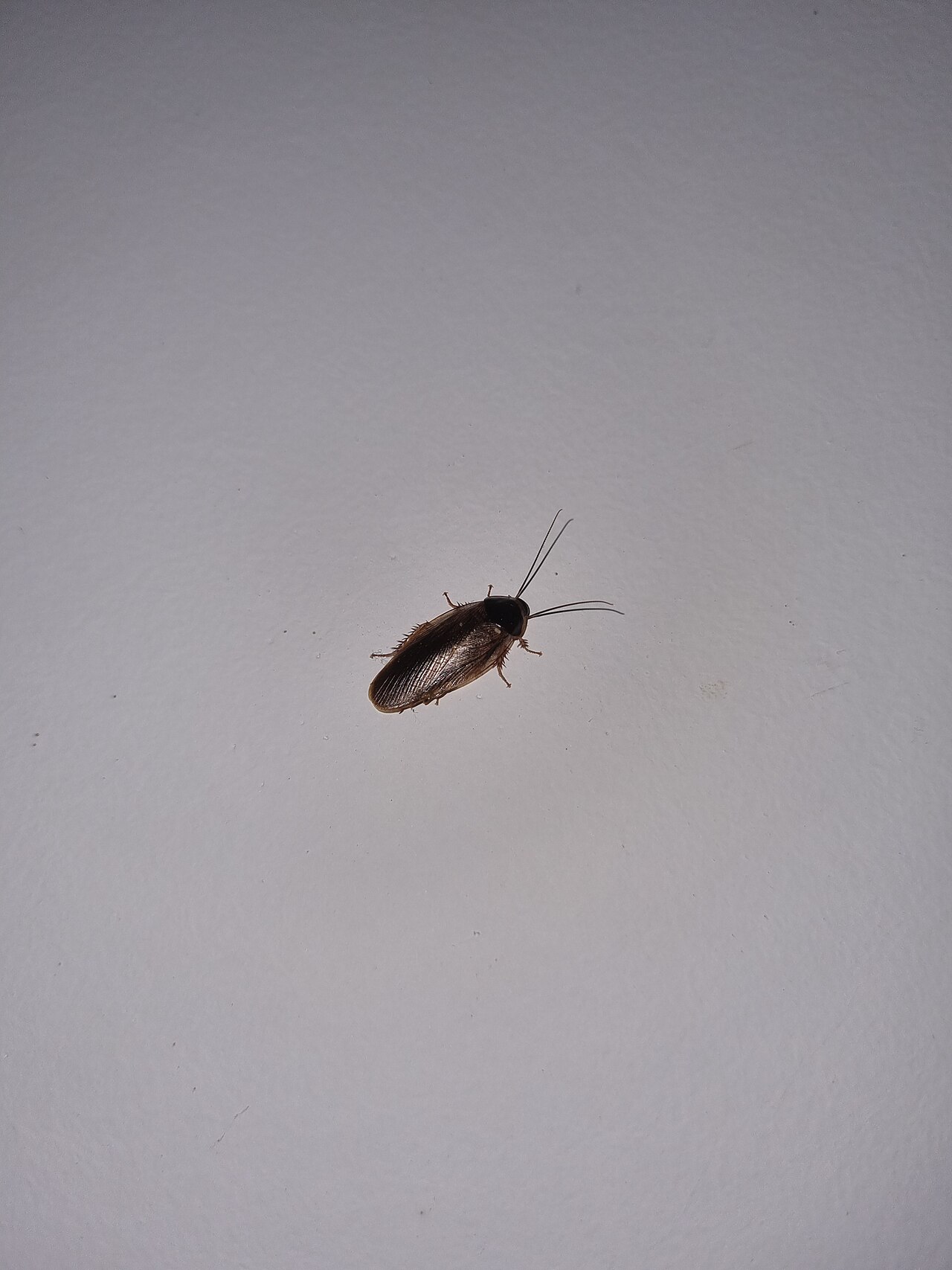
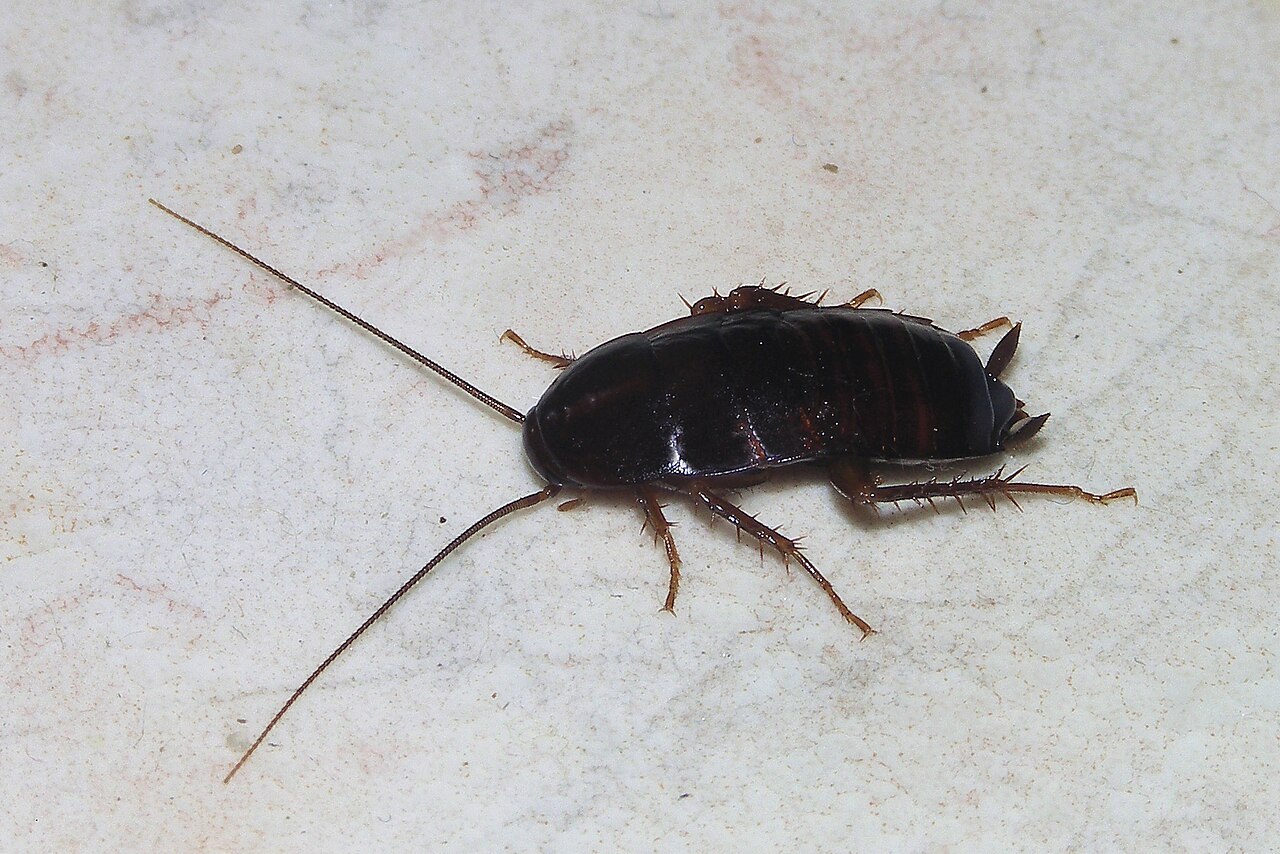
Cockroach dropping size varies meaningfully depending on the specific cockroach species involved, with smaller species like German cockroaches producing droppings around 1/16 inch, resembling little more than coarse ground pepper or fine dark specks, while larger species like American cockroaches produce correspondingly larger droppings that can approach or even slightly exceed the size range typical of mouse droppings, making size alone a somewhat less reliable standalone feature than the shape and texture checks covered above.
Mouse droppings maintain a somewhat more consistent size range around 1/8 to 1/4 inch regardless of the specific circumstances, reflecting the relatively consistent body size of house mice compared to the greater size variation across different cockroach species that might be present in a given infestation, meaning size comparison works best as a supporting check alongside the more definitive shape and texture features rather than as the primary standalone identification method.
Because larger cockroach species specifically can produce droppings approaching mouse-dropping size, relying on size alone risks misidentification in exactly the cases where correct identification matters most, reinforcing why the ridged-versus-smooth texture check and the pointed-versus-rounded end-shape check covered in the previous section deserve priority over size comparison whenever both types of evidence are available for examination.
Additional Evidence: What Else to Look For
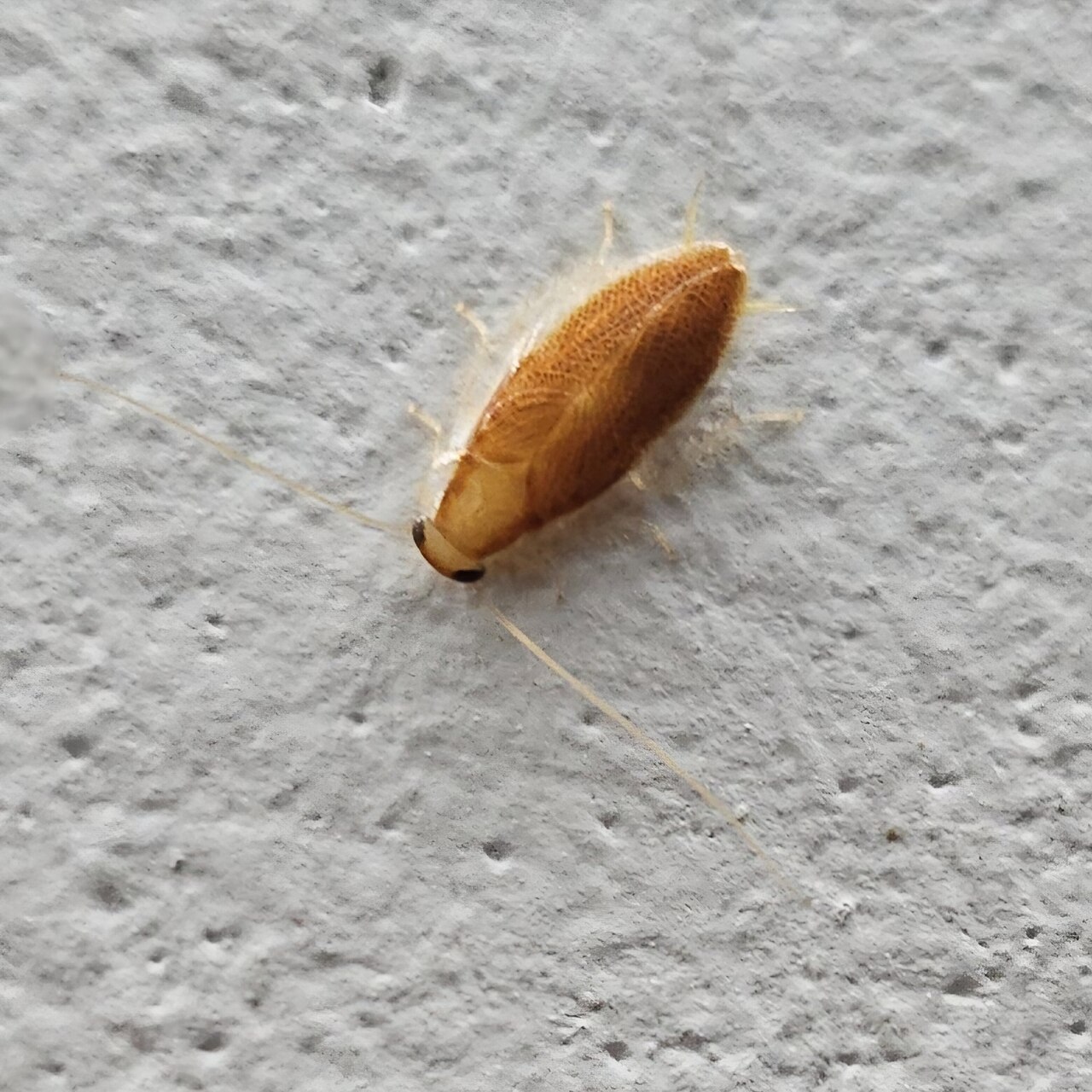
Beyond droppings themselves, cockroach infestations typically leave several additional characteristic signs worth checking for during any inspection, including egg cases (oothecae), small brown or reddish capsule-shaped structures that may be found alongside droppings, shed skins from nymphs molting as they grow toward adulthood, and, in more significant infestations specifically, a distinctive musty, oily odor that many people describe as genuinely unpleasant and identifiable once encountered.
Mouse infestations, by contrast, typically show a different set of accompanying evidence: gnaw marks on food packaging, wood, or other materials mice have chewed through to access food or create passages, greasy rub marks along frequently used travel routes where a mouse’s oily fur repeatedly contacts the same surface, and sometimes audible scratching or scurrying sounds particularly noticeable at night when mice are most active, evidence categories that differ meaningfully from the cockroach-specific signs covered above.
Checking for these additional, pest-specific evidence types alongside the droppings themselves generally provides considerably more confident identification than relying on dropping characteristics alone, since finding cockroach egg cases or shed skins alongside ambiguous droppings essentially confirms a roach identification regardless of any remaining uncertainty about the droppings themselves, while gnaw marks and rub marks similarly support a mouse identification when found in combination with droppings that might otherwise seem borderline.
Where Each Pest Typically Leaves Droppings
Cockroaches strongly favor hidden, dark, and often moisture-prone locations for both hiding and depositing droppings, meaning cockroach droppings concentrate particularly in areas like behind or under kitchen appliances, inside cabinet corners and crevices, near plumbing fixtures, and in bathroom areas where humidity tends to run higher, reflecting cockroaches’ general preference for warm, humid, hidden environments over the more open exploration pattern mice typically show.
Mice, while also seeking out cover and hidden spaces for nesting, tend to forage and travel somewhat more widely and openly throughout accessible areas of a structure, meaning mouse droppings often appear across a broader range of locations, including more open pantry shelving, inside drawers, and along baseboards throughout multiple rooms, a wider distribution pattern than the more concentrated, hidden-crevice clustering typical of cockroach droppings specifically, covered in more detail regarding mouse-specific patterns in our mouse poop guide.
This location difference itself provides a useful supporting identification clue even before examining individual dropping characteristics closely, since droppings found specifically in damp, hidden crevices near plumbing or appliances lean toward a cockroach identification, while droppings scattered more openly across pantry shelves, in drawers, or along multiple room baseboards lean somewhat more toward mice, though this location-based reasoning works best as a supporting consideration alongside the more definitive physical characteristics covered earlier in this guide.
Health Risks: Different Concerns for Each Pest
Cockroach droppings and the insects themselves are well documented as significant allergen and asthma triggers, particularly in children, with cockroach allergen proteins found in droppings, saliva, and shed skins capable of triggering allergic reactions and asthma symptoms in sensitive individuals, a health concern the CDC and various public health resources specifically highlight regarding cockroach infestations in residential settings, particularly relevant in more significant, established infestations rather than isolated occasional sightings.
Mouse droppings carry a different primary health concern profile, most notably including hantavirus risk associated with certain wild mouse species and specific regions, a potentially severe respiratory illness the CDC specifically warns can result from inhaling dust contaminated with infected rodent droppings, making the specific health risk profile genuinely different between these two pest categories even though both warrant careful, protective handling during any cleanup effort.
Given these differing but both genuinely serious health considerations, cleanup protocol for either pest type should avoid dry sweeping or vacuuming that could disperse contaminated particles into the air, instead using a wet-cleanup approach with disinfectant solution and disposable gloves throughout, a precautionary method that applies effectively to both cockroach and mouse dropping cleanup despite their somewhat different specific health risk profiles.
Different Control Approaches for Each Pest
Cockroach control generally centers on eliminating moisture sources and hidden harborage areas specifically, since cockroaches thrive in humid, dark crevices, meaning effective control often involves addressing plumbing leaks, reducing standing moisture, sealing cracks and gaps that provide hiding spots, and using cockroach-specific bait products or professional pest control treatments designed for this particular insect’s biology and behavior patterns.
Mouse control instead centers more heavily on physical exclusion and trapping, since mice require considerably larger entry gaps than cockroaches to access a structure, making sealing quarter-inch or larger gaps around the building’s exterior a genuinely effective preventive measure, combined with appropriately sized mouse traps placed along identified travel routes, an approach that differs meaningfully from the moisture-and-harborage-focused cockroach control strategy covered above.
Using an approach designed for the wrong pest, cockroach baits deployed against a mouse problem, or exclusion-focused mouse control applied to an actual cockroach infestation, generally proves considerably less effective than correctly targeted treatment, reinforcing why the careful identification process covered throughout this guide matters practically rather than existing as simply an academic exercise, particularly for infestations that have not responded well to initial control attempts that may have been based on an incorrect initial pest identification.
Placing This Comparison Within the Broader Droppings Family
Correctly identifying cockroach and mouse droppings becomes considerably easier when placed within the broader context of common household and backyard dropping identification generally, since the same fundamental approach of checking size, shape, texture, and typical location applies consistently across comparisons like our rat poop vs mouse poop guide and squirrel poop vs rat poop guide, building a genuinely transferable identification skill set applicable well beyond just the two pests covered specifically here.
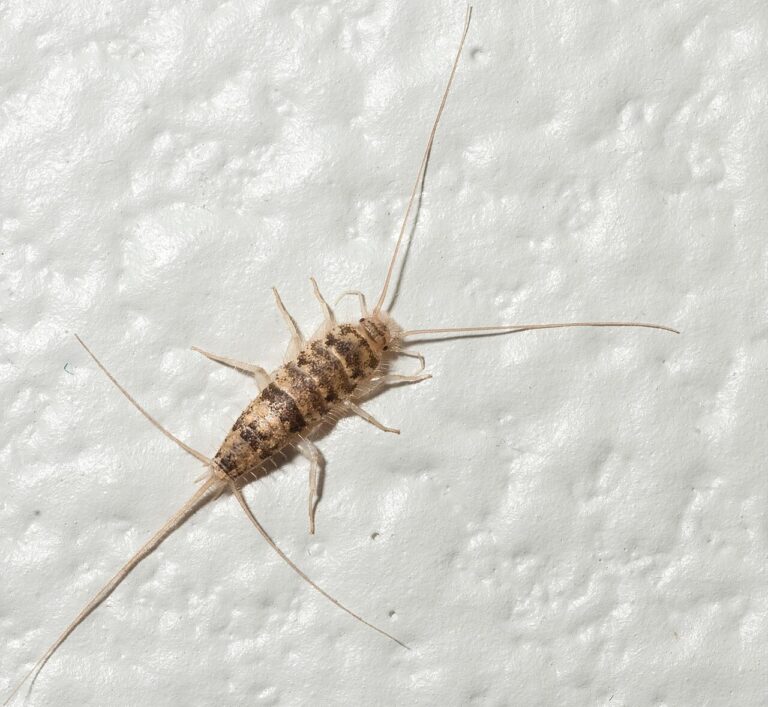
For readers dealing with a wider range of potential household pests beyond just roaches and mice specifically, understanding how silverfish droppings and other small pest evidence differ from both cockroach and mouse droppings provides additional useful context, particularly in households where multiple pest types might genuinely be present simultaneously rather than a single isolated infestation of just one specific pest.
Similarly, moisture-related pest problems more broadly, including the damp-environment pests covered in our gnat control guide, often share underlying causes with cockroach infestations specifically, given cockroaches’ strong preference for humid environments, meaning addressing broader moisture issues in a home can simultaneously help manage multiple pest concerns rather than treating each pest problem as entirely separate and unrelated to overall home moisture conditions.
When to Call a Professional
For infestations of either pest type that continue despite reasonable homeowner control efforts, or for situations where correctly identifying the specific pest remains genuinely uncertain despite careful examination using the criteria covered throughout this guide, professional pest control services bring both more definitive identification expertise and access to more effective, appropriately targeted treatment options than typically available to homeowners attempting self-directed control measures alone.
Professional identification proves particularly valuable in mixed-infestation situations, where both cockroaches and mice may be present simultaneously in the same structure, a genuinely possible scenario given that both pests are drawn to similar food sources and can coexist within the same building without necessarily competing directly, making comprehensive professional inspection considerably more likely to catch and appropriately address both pest problems rather than risk homeowner efforts focused narrowly on just one identified pest while the other continues largely unaddressed.
Given the genuinely different health risks and control approaches each pest requires, investing the effort in accurate initial identification, whether through careful self-examination using this guide’s criteria or through professional consultation when uncertainty remains, provides a considerably more effective foundation for successful pest management than proceeding with control efforts based on an incorrect assumption about which specific pest is actually present in a given infestation.
Frequently Asked Questions
How can I tell roach poop from mouse poop?
Check surface texture first: cockroach droppings show a distinctly ridged or grooved surface, while mouse droppings are smooth with a tapered, pointed shape on both ends that cockroach droppings generally lack.
Are cockroach droppings and mouse droppings the same size?
Not reliably; smaller cockroach species produce tiny pepper-like droppings, but larger cockroach species can approach mouse-dropping size, making size alone a less reliable identification feature than texture and shape.
What other signs indicate a cockroach infestation versus mice?
Cockroaches leave egg cases, shed skins, and a musty odor in significant infestations, while mice leave gnaw marks on packaging and greasy rub marks along travel routes, distinct evidence categories worth checking alongside droppings.
Are cockroach droppings dangerous to breathe?
Cockroach allergen proteins found in droppings, saliva, and shed skins are well documented as significant asthma and allergy triggers, particularly in children, making cleanup and control genuinely important for respiratory health.
Where do cockroaches typically leave droppings compared to mice?
Cockroaches favor hidden, humid crevices like behind appliances and near plumbing, while mice often leave droppings more openly across pantry shelves, drawers, and baseboards throughout multiple rooms.
Does the same pest control approach work for both roaches and mice?
No, cockroach control focuses on moisture reduction and harborage elimination, while mouse control emphasizes physical exclusion of entry gaps and trapping, making correct pest identification important for choosing an effective approach.
Should I clean up roach or mouse droppings the same way?
Yes, both should be cleaned using a wet method with disinfectant and disposable gloves rather than dry sweeping or vacuuming, which could disperse contaminated particles into the air regardless of which specific pest produced the droppings.