Spider Symbolism: What It Means to See One, by Situation
Seeing a spider is traditionally read as a message about patience and creation: keep weaving what you started, because the structure will hold. Across most cultures the spider spiritual meaning centers on craft, fate and creative power rather than danger, and the traditions that treat a spider as a warning read it as a warning about entanglement.
Which reading applies depends on where you found it. A spider in a bedroom corner, a web across a doorway at dawn, the same spider returning for a week and a dead spider on a windowsill all carry different interpretations. Beliefs below are named with the tradition they come from, because there is no universal spider omen.
In most traditions a spider symbolizes patience, craftsmanship and fate, so seeing one is read as a sign to keep building what you have begun. House spiders are widely treated as good luck and household protection. A spider in a dream usually points to a situation you feel caught in.
| Where you saw it | Common traditional reading |
|---|---|
| In your house or garden | Good luck, protection, money coming in |
| Crawling on your body | A decision you are already making is right |
| At a window or doorway | News arriving, or an unexpected visitor |
| At night or in a dark room | Work happening out of sight, patience required |
| Repeatedly, in one place | A message you have not acted on yet |
| Found dead | The end of a long effort |
| In a dream | Feeling trapped, or your power to shape events |
What Are Spiders Trying to Tell Me?
The traditional answer is to finish the web. A spider is the only common animal that builds a visible, geometric structure out of its own body, and that single fact drives nearly every symbolic reading attached to it: patience with slow work, trust in your own craft, and a reminder that what you are making is more durable than it looks.
What message does the spider bring when the timing feels pointed? Folk practice says look at what you were doing in the minute before you noticed it. A spider seen while you hesitate over a decision is read as confirmation; one seen while you are overcommitted is read as a caution about how many threads you are holding. The same place and repetition logic drives bird symbolism.
Spider Symbolism in Four Traditions
In Lakota storytelling, the spider trickster Iktomi catches both prey and the consequences of his own schemes, so the spider carries cleverness and its cost together. In Diné (Navajo) tradition, Spider Woman is credited with teaching weaving, and Hopi accounts place Spider Grandmother as a creator and advisor. Both treat the animal with respect rather than fear.
Scripture mentions spiders only a few times and never as a demon: Job 8:14 and Isaiah 59:5 use the web as an image of fragile human plans, and Proverbs 30:28 praises the spider’s skill. British and Irish folklore links small money spiders to windfalls, while Japanese tradition welcomes a morning spider as a sign of a visitor and treats a night spider as unwelcome.
Spider Spirit Animal, Totem and Omen Are Not the Same
These terms get used interchangeably and mean different things. An omen is a one-off sighting read for a message about now. A spider spirit animal is a temporary guide tied to a phase of building something. A spider totem, in modern popular usage, is a lifelong affinity: patience, independence and making something from your own resources. The same split applies to bat symbolism and coyote symbolism.
Spider Meanings by Situation: House, Web, Night and Dreams
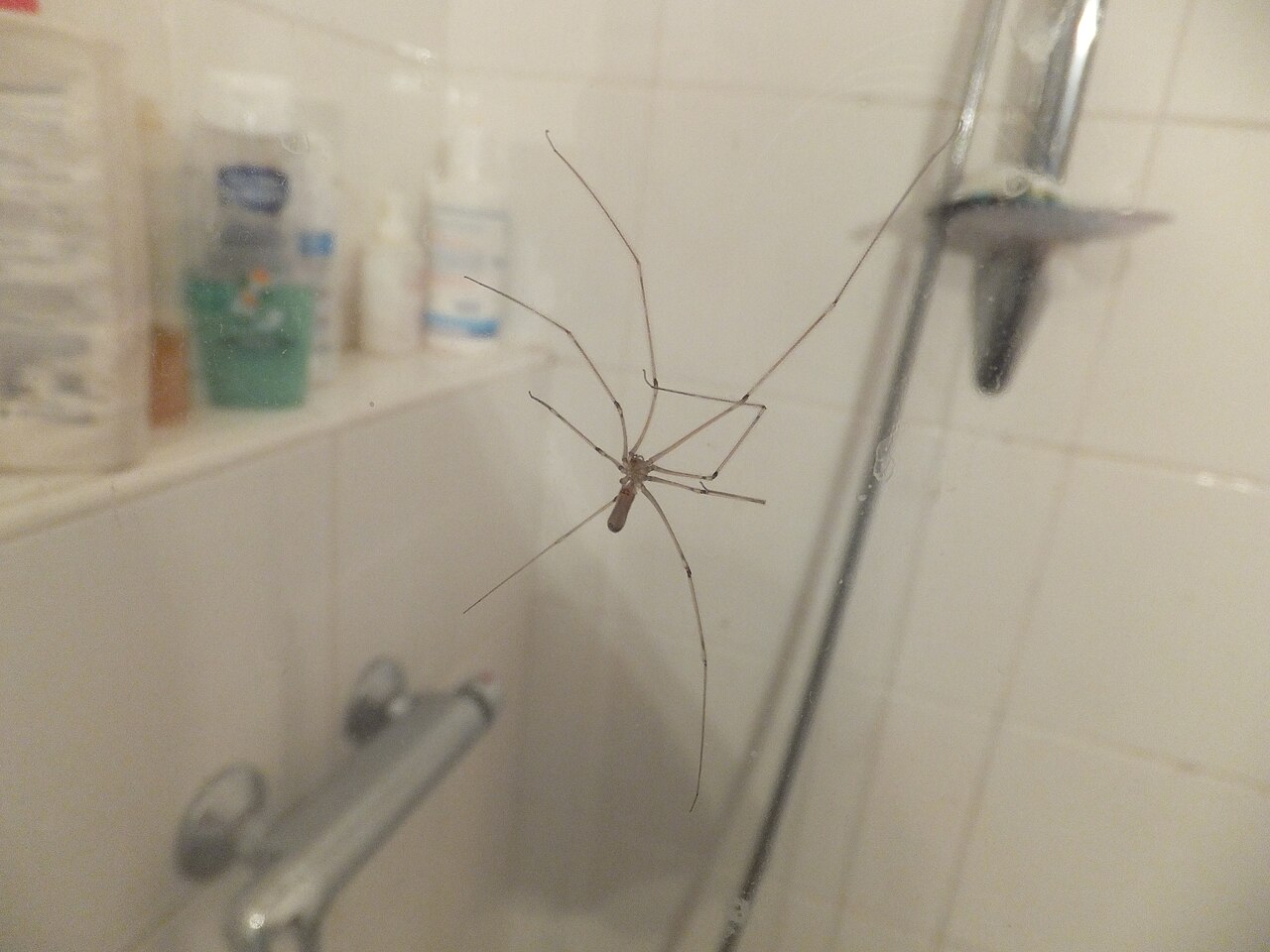
A spider in the house is the most common sighting and the most positive one in European folklore: protection, stability and money. A spider at a window sits on the boundary between inside and outside and is read as news or a visitor. One that drops into view in the dark is a reason, in Japanese tradition, to wait until morning before deciding anything.
What is the spiritual meaning of walking through a spider web? Folk readings treat it as an unseen obstacle you have just broken through, and as a sign you were not watching the path. A dead spider marks a finished chapter, usually a project. Dream spiders work differently: being wrapped or bitten maps onto feeling caught in an obligation, while watching one build is read as your own plan coming together, much as the black butterfly marks transition.
Do Spiders Mean Good Luck Spiritually?
More often than not, yes. The traditions that weigh in most heavily, British, Irish and Japanese morning readings, all land on fortune, protection or money, and the negative readings cluster around a narrow set of conditions: at night, in large numbers, or dead. That makes the spider one of the more consistently positive household omens, closer to the cardinal than to a warning.
There is a practical reason house spiders earned that reputation. They remove mosquitoes, flies and pantry pests, and most species in US homes are harmless to people. The Smithsonian Institution publishes public entomology resources on the common families. If you want to know what the resident is living on, see what spiders eat.
Frequently Asked Questions
What does God say about spiders?
The Bible mentions spiders only a few times and never condemns them. Job 8:14 and Isaiah 59:5 use the web as an image of fragile or futile human plans, and Proverbs 30:28 lists the spider among small creatures admired for skill. The text treats it as a lesson about effort, not as an evil animal.
Are spiders a demonic symbol?
Not in scripture, which never links them to demons. The association comes from later European folklore that tied webs, darkness and cellars to witchcraft, and from nineteenth century gothic fiction. Most Christian commentary reads the biblical spider as an image of futile scheming or of admirable persistence instead.
Are spiders monitoring spirits?
That idea circulates on social media but appears in no documented religious or folk tradition. The closest real belief is the Celtic reading of a web across a doorway as a sign the household is undisturbed, which is about protection rather than surveillance. Spiders in homes are simply following insect prey and humidity.
What is the spiritual meaning of seeing a red spider?
Red is read as urgency and vitality, so a red spider is traditionally interpreted as a message that a decision cannot wait much longer. In the US the usual red sighting is a tiny clover mite or a red house spider rather than a venomous species. The reading stays positive if the color prompts action rather than alarm.