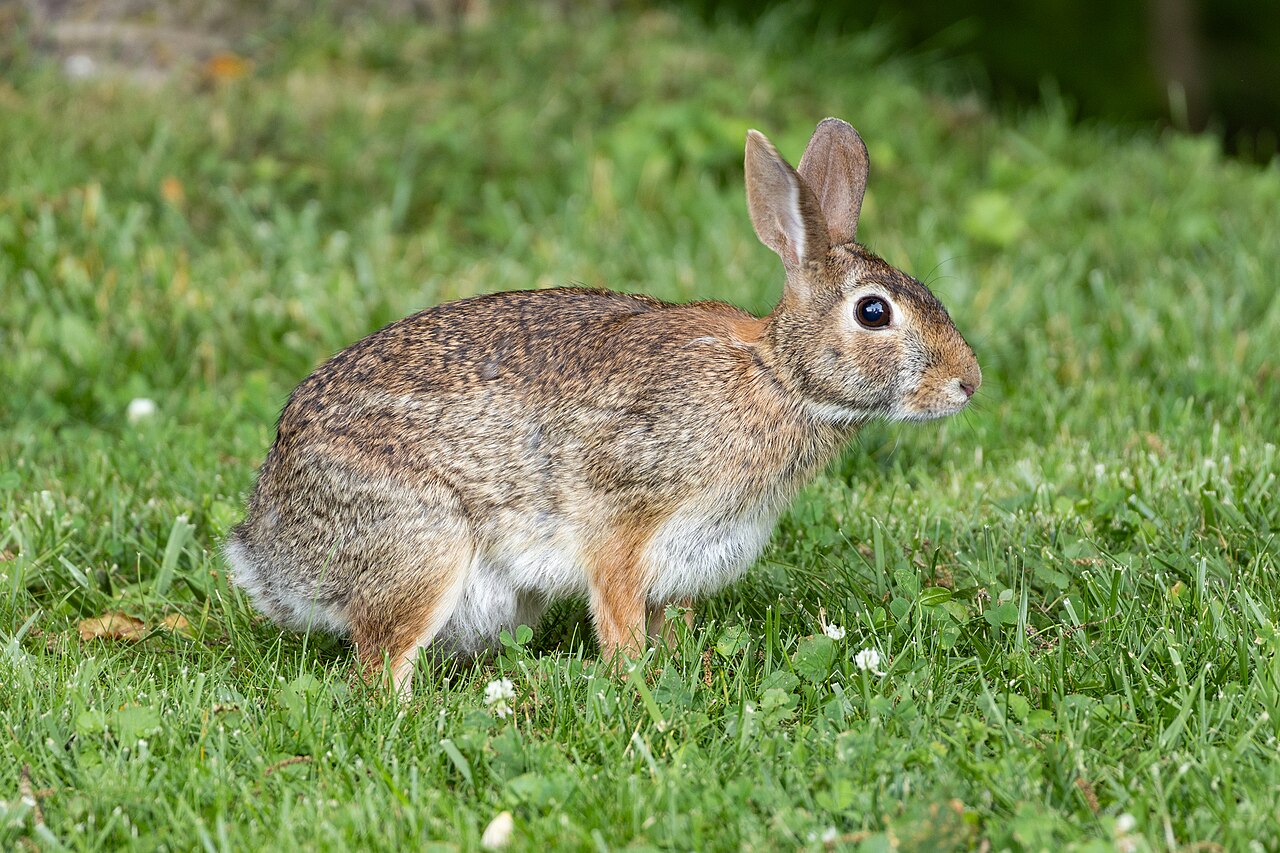
What Is a Group of Rabbits Called? Colony, Warren, and Fluffle
A group of rabbits is called a colony or a nest when the animals live together in the wild, a warren when referring to their burrow system and the rabbits that occupy it, and a herd when the rabbits are domestic. The term most people encounter online, a fluffle of rabbits, is a modern internet coinage rather than a traditional collective noun, though it has become genuinely popular. Older English also gives a trip, a bury, a leash, and a down of rabbits, most of which come from medieval hunting vocabulary and are effectively extinct in ordinary speech.
The confusion around this question is worth untangling, because the answer depends on which rabbit you mean. European rabbits, the ancestors of every domestic breed, are highly social animals that live in large underground warrens with a defined pecking order. Eastern cottontails, the rabbits in most American yards, are largely solitary and do not dig warrens at all. This guide covers every collective noun for rabbits, sorts the genuine terms from the invented ones, explains what a baby rabbit and a litter are called, and describes how rabbit social groups actually work.
A group of rabbits is called a colony or a nest in the wild, a warren when referring to their burrow system, and a herd for domestic rabbits. Fluffle is a popular modern internet term, not a traditional collective noun. Archaic English also lists a trip, a bury, and a down of rabbits. A group of baby rabbits is a litter or a kindle.
| Question | Answer |
|---|---|
| Wild rabbits together | Colony or nest |
| Burrow system and its rabbits | Warren |
| Domestic rabbits | Herd |
| Popular internet term | Fluffle (modern, not traditional) |
| Archaic terms | Trip, bury, leash, down |
| Group of babies | Litter or kindle |
| Baby rabbit | Kit or kitten |
Is a Group of Rabbits Called a Fluffle?
Fluffle is a modern, informal term for a group of rabbits, and it is not a traditional collective noun. It appears to have originated in Canada in the early 2000s and spread through social media, and it now shows up in listicles and merchandise as though it were an ancient English word. It is not recorded in any historical list of terms of venery, nor in older dictionaries. Some newer dictionaries have begun including it with a note that it is informal or humorous.
None of this makes fluffle wrong to use. Collective nouns are a living tradition, and words enter the language exactly this way; flamboyance for flamingos was also a twentieth century invention that is now standard. The difference is that flamboyance has been in reference works for decades while fluffle is still primarily an internet term. If you are answering a quiz that expects a traditional answer, colony or warren is the safer choice.
The word’s appeal is obvious. Fluffle is onomatopoeic in a way that suits the animal, and it describes something people genuinely see: a scattered group of rabbits on a lawn at dusk that looks like a collection of soft shapes rather than distinct animals. Whether it becomes fully established or fades as internet coinages often do is an open question, but for now it is best described as popular and informal rather than incorrect.
What Is a Warren of Rabbits?
A warren is the network of interconnected burrows that European rabbits dig, and the word is also used for the group of rabbits that lives in it. A large warren can contain dozens of entrances, several levels of tunnels, and separate chambers for sleeping and for nesting, and established warrens are used and extended by generations of rabbits over decades. The word comes from Anglo-Norman warenne, originally meaning a piece of land where game was kept and protected.
Warrens are genuinely social spaces with a structure. European rabbits live in groups of roughly 6 to 20 animals, sometimes more, organized around a dominance hierarchy in which the top female claims the safest and most central nesting chambers and the top male has priority in breeding. Subordinate females may be pushed to dig their own shallow nesting burrows, called stops, away from the main warren, where their kits are far more exposed to predators.
The critical point for American readers is that most rabbits in the United States do not build warrens. Eastern cottontails, the common species across the eastern two thirds of the country, do not dig burrow systems and instead shelter in brush piles, dense thickets, and abandoned burrows dug by other animals. They rest in shallow scrapes called forms. So a group of cottontails on your lawn is not a warren, and using the word for them is technically wrong even though it is common.
Do Wild Rabbits Live in Groups?
It depends entirely on the species. European rabbits are strongly social and live in stable colonies with a clear hierarchy, mutual grooming, and shared burrow systems. Eastern cottontails, the rabbits most Americans see, are essentially solitary outside the breeding season. Cottontails have overlapping home ranges and tolerate each other at good feeding sites, but they do not form bonded groups, do not groom each other, and do not share shelter.
This is why you can see six cottontails on one lawn at dusk without those animals constituting a social group. They are drawn to the same resource, in the same way that six robins on a wet lawn are not a flock in any meaningful sense. The rabbits will scatter in different directions when disturbed and will not coordinate their movements. A group of cottontails in the same field is best described as a group, a colony in the loose sense, or simply several rabbits.
Other North American species vary. Jackrabbits, which are actually hares, are solitary but sometimes gather in loose groups in open country and can be seen in numbers on winter range. Pygmy rabbits, the only North American rabbit that digs its own burrows, live at moderate densities in sagebrush habitat. Marsh and swamp rabbits are solitary. The rabbit sounds guide covers the calls and thumps rabbits use to communicate, which matter far more for social species than for solitary ones.
What Is a Group of Baby Rabbits Called?
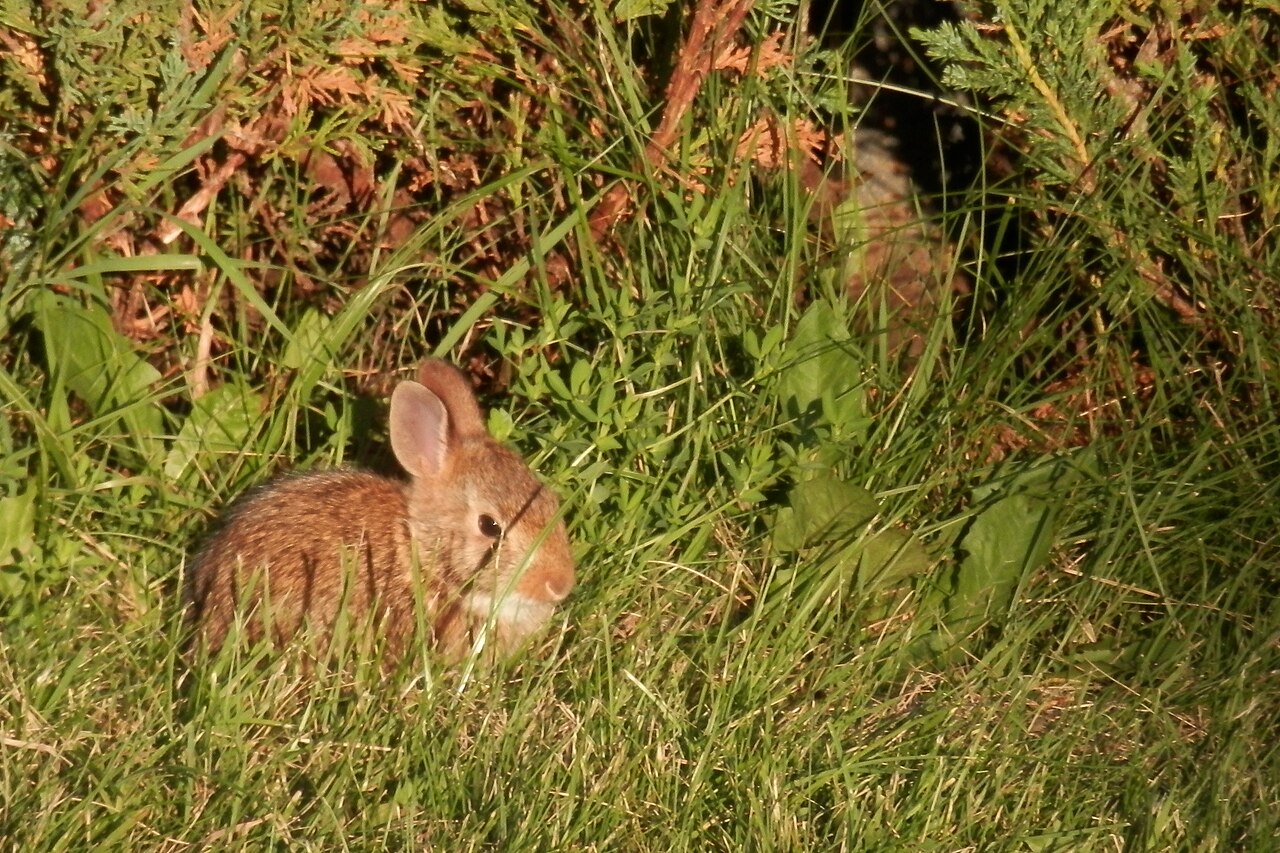
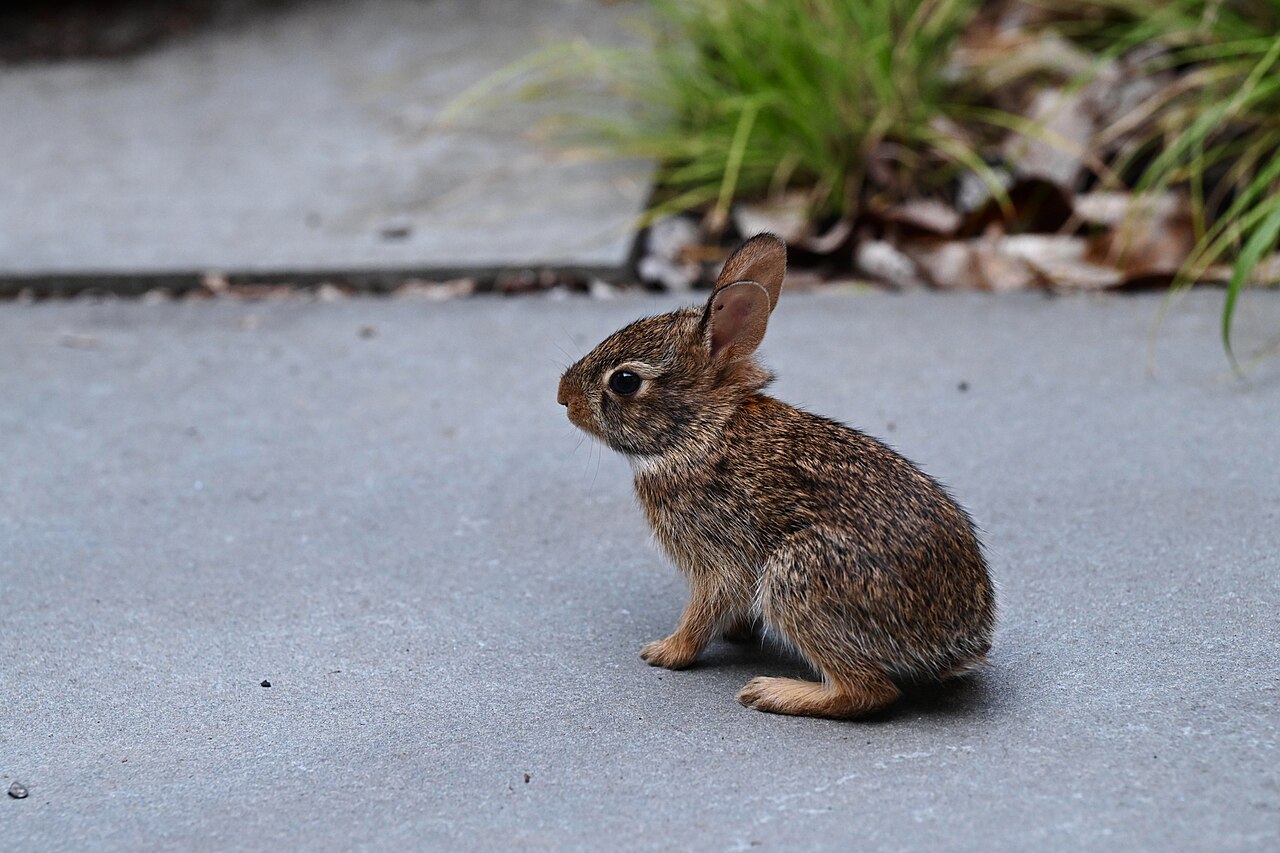
A group of baby rabbits born together is called a litter, and the older technical term is a kindle. A single baby rabbit is a kit or a kitten, and the word kindle also serves as the verb for a rabbit giving birth, as in a doe kindling a litter. Litter sizes typically run 3 to 8 for cottontails and 4 to 12 for European and domestic rabbits, with the larger domestic breeds capable of even more.
Rabbit reproduction is famously rapid. A female cottontail can produce three to five litters in a single year in warm climates, with a gestation of only 28 to 31 days, and she can conceive again within hours of giving birth. A single female and her descendants can theoretically produce hundreds of rabbits in a year, which is why introduced European rabbits became such a catastrophe in Australia after 24 animals were released in 1859 and multiplied into hundreds of millions within decades.
Cottontail kits are born blind, deaf, and nearly hairless in a shallow nest lined with grass and the mother’s own fur, usually in an open lawn or field rather than in cover. The doe visits only twice a day, at dawn and dusk, to nurse, and stays away otherwise so that her scent does not lead predators to the nest. This is why a nest of kits found in a yard almost always appears abandoned when it is not, a point the baby rabbit guide covers in detail along with what to do if you find one.
What Do You Call a Group of Domestic Rabbits?
A group of domestic rabbits is called a herd, and this is the term used by breeders, rabbitries, and agricultural organizations. Show and meat rabbit breeders refer to their entire collection of animals as a herd in exactly the way a cattle rancher would, and the word appears in breed standards and registration paperwork. It has no relation to the fanciful collective nouns and is simply the standard agricultural term for a managed group of animals.
House rabbits kept as pets are typically described as a pair or a bonded pair, because keeping two rabbits together requires a deliberate bonding process. Rabbits are territorial and will fight seriously, sometimes fatally, if introduced carelessly, so bonding is done gradually in neutral space over days or weeks. Once bonded, a pair will groom each other, sleep pressed together, and become extremely distressed if separated, which is why rescue organizations often refuse to split a bonded pair.
Domestic rabbits descend entirely from the European rabbit, which is why they retain the social instincts that cottontails lack. A single house rabbit kept alone is missing something its biology expects, and most rabbit welfare organizations, including the House Rabbit Society, recommend keeping rabbits in bonded pairs for this reason. Breed size affects group management too, and small breeds like the Netherland dwarf have their own space and temperament considerations.
Archaic Collective Nouns for Rabbits
Several older collective nouns for rabbits survive in dictionaries and trivia lists. A trip of rabbits is one of the more commonly cited, though its origin is unclear and it may derive from a term applied to goats and hares. A bury of rabbits refers directly to their burrowing habit and is closely related to warren in sense. A leash of rabbits traditionally meant exactly three, borrowed from the hunting term for three hounds coupled on one leash, and the same term was applied to hares, foxes, and deer.
A down of rabbits and a husk of rabbits both appear in some lists, usually attributed to hares rather than rabbits originally. Medieval English distinguished carefully between rabbits, called coneys until the nineteenth century, and hares, which were considered nobler quarry with their own vocabulary. A group of hares is traditionally a down or a husk, and the terms have drifted onto rabbits through later compilers who did not maintain the distinction.
The word coney is worth knowing because it explains place names and older texts. Rabbit originally meant only the young animal, while the adult was a coney, and Coney Island in New York takes its name from the rabbits that once lived there. Coney fell out of use in the nineteenth century, partly because its pronunciation had become an unfortunate homophone, and rabbit expanded to cover the animal at all ages.
How Rabbit Social Groups Are Organized
European rabbit colonies operate on a strict dominance hierarchy that is maintained separately for males and females. The dominant buck defends the group against outside males and gets priority access to breeding, while the dominant doe controls the best nesting chambers in the center of the warren, where kits are safest from predators and flooding. Subordinate does forced to nest in outlying stops lose far more kits, so the hierarchy translates directly into reproductive success.
Rank is established through chasing, boxing with the front paws, and occasional serious fights, and it is reinforced daily through subtler signals: chin rubbing to deposit scent from glands under the jaw, urine marking, and who gives way to whom at feeding sites. Social rabbits also groom each other, and grooming direction reflects rank, with subordinates grooming dominants more often than the reverse. These behaviors carry over into domestic rabbits, which is why a bonded pair will have a clear dominant partner.
Group living gives rabbits the same benefit it gives most prey species: more eyes watching. A rabbit feeding in a colony spends less time with its head up scanning than a solitary rabbit does, because the group as a whole maintains vigilance, and the thump of a single alarmed rabbit sends everyone underground within seconds. Against predators including foxes, coyotes, hawks, and owls, that early warning system is the main advantage the warren provides, along with the burrow itself.
Collective Nouns for Rabbits Compared With Other Animals
Rabbits are unusual in having a set of collective nouns tied to their housing rather than to their appearance or reputation. Warren, bury, and nest all describe where the animals live, which contrasts with the bird tradition of naming groups for how they look or what they supposedly do. Colony, the term rabbits share with flamingos, bats, and seabirds, is another functional word rather than a poetic one, and it appears wherever animals live at high density in one place.
Their close relatives have their own terms. A group of hares is a down or a husk, and hares differ from rabbits biologically in important ways: hares are born fully furred with open eyes and able to run within hours, while rabbits are born blind and helpless. Pikas, the small relatives of both in western mountains, live in colonies. A group of squirrels is a scurry or a dray, and a group of mice is a mischief, both belonging to the fanciful tradition.
For anyone identifying what has been in the garden, the group name matters less than the sign. Rabbit droppings are distinctive round pellets, and separating them from deer droppings is a common question that the deer poop vs rabbit poop guide addresses directly, while the rabbit poop guide covers the two distinct types rabbits produce, including the soft cecotropes they re-ingest to extract nutrients a second time. That double digestion is one of the more remarkable pieces of rabbit biology and has nothing to do with what you call a group of them.
Related reading: what is a group of foxes called.
Related reading: what is a group of frogs called.
Related reading: what is a group of squirrels called.
Related reading: what is a group of bears called.
Related reading: what is a group of snakes called.
Frequently Asked Questions
What is a group of rabbits called?
A group of rabbits is called a colony or nest in the wild, a warren when referring to their burrow system, and a herd for domestic rabbits. Fluffle is a popular modern term but is not a traditional collective noun.
Is a group of bunnies called a fluffle?
Fluffle is an informal, modern coinage that spread through the internet in the 2000s. It is not recorded in historical collective noun lists, though some newer dictionaries include it as informal. Colony or warren is the traditional answer.
Is a group of rabbits called a trip?
A trip of rabbits appears in some archaic collective noun lists, but its origin is unclear and it may have been borrowed from terms for goats or hares. It is valid in the sense that dictionaries record it, but nobody uses it.
What is a group of baby rabbits called?
A litter, or the older term kindle. Individual babies are kits or kittens. Cottontail litters usually contain 3 to 8 kits and domestic litters 4 to 12, with gestation lasting only 28 to 31 days.
What is a group of wild rabbits called?
A colony, or a warren if they share a burrow system. In the United States this distinction matters: Eastern cottontails do not dig warrens and are largely solitary, so several cottontails on a lawn are not a true social group.
Do rabbits live in groups?
European rabbits do, in colonies of roughly 6 to 20 animals with a clear dominance hierarchy. Eastern cottontails, the common American species, are essentially solitary and only tolerate each other at shared feeding sites.
What is a warren?
A warren is the interconnected burrow system European rabbits dig, with multiple entrances, tunnel levels, and separate sleeping and nesting chambers. The word also refers to the rabbits living in it, and large warrens are used for generations.