Animal Group Names: What Every Group of Animals Is Called
Animal group names are the collective nouns English uses for a gathering of one species, and they range from the plainly descriptive to the deliberately strange. A group of crows is a murder, a group of owls is a parliament, a group of flamingos is a flamboyance, and a group of rabbits is a colony in biology but a fluffle on the internet. Most of the memorable ones were invented in a single medieval hunting manual and have almost no history of ordinary use.
That split between working vocabulary and ornamental vocabulary explains nearly every argument about these terms. Biologists say herd, flock, colony, and school. English tradition offers unkindness, kettle, pandemonium, and rafter. Both are correct in their own contexts, and knowing which one belongs where is the whole skill.
Animal group names are collective nouns such as a murder of crows, a parliament of owls, and a gaggle of geese. Most of the elaborate terms come from the 1486 Book of Saint Albans, a medieval list of hunting terms. Scientists use a much smaller working set: herd, flock, colony, school, pack, and swarm.
| Animal | Best Known Term | Working Term | Group Type |
|---|---|---|---|
| Crows | Murder | Flock or roost | Communal roost |
| Owls | Parliament | Rarely group at all | Mostly solitary |
| Geese | Gaggle on water, skein in flight | Flock | Family based |
| Flamingos | Flamboyance | Colony | Breeding colony |
| Wolves | Pack | Pack | Family unit |
| Bats | Cauldron in flight | Colony | Roost colony |
| Turkeys | Rafter | Flock | Seasonal flock |
Where Animal Group Names Actually Come From
Most of the colorful terms trace to a single source, the Book of Saint Albans, printed in 1486 and containing a list of what it called terms of venery. These were hunting terms compiled for aristocratic readers, and the list was as much a display of education as a practical vocabulary. Many entries appear there and essentially nowhere else until the twentieth century revived them.
The book mixed genuine hunting vocabulary with obvious wordplay, including collective nouns for people such as a superfluity of nuns and a diligence of messengers. That mix tells you the compilers were not documenting usage so much as inventing it. Modern lists reproduce the whole set without distinguishing the two.
A second wave arrived much later. Terms like fluffle for rabbits and several social media favorites are twenty-first century inventions that spread through internet lists and never appeared in any historical source. They are perfectly usable, but calling them traditional is inaccurate.
Group Names for Birds
Birds carry the largest share of memorable collective nouns, partly because flocking is so visible and partly because medieval hunting culture paid close attention to them. A group of crows is famously a murder, though ornithologists studying their enormous winter gatherings simply call them roosts, and the details of what a group of crows is called show how far the folklore drifted from the behavior.
Ravens carry an even darker term, an unkindness, alongside conspiracy and storytelling, and the raven group names come with a genuine biological wrinkle, since adult ravens are territorial pairs and only non-breeding juveniles gather in numbers. Owls got parliament from a modern children’s book rather than any medieval manuscript, and the parliament of owls describes a grouping that barely happens in nature, since most owl species are solitary outside the breeding season.
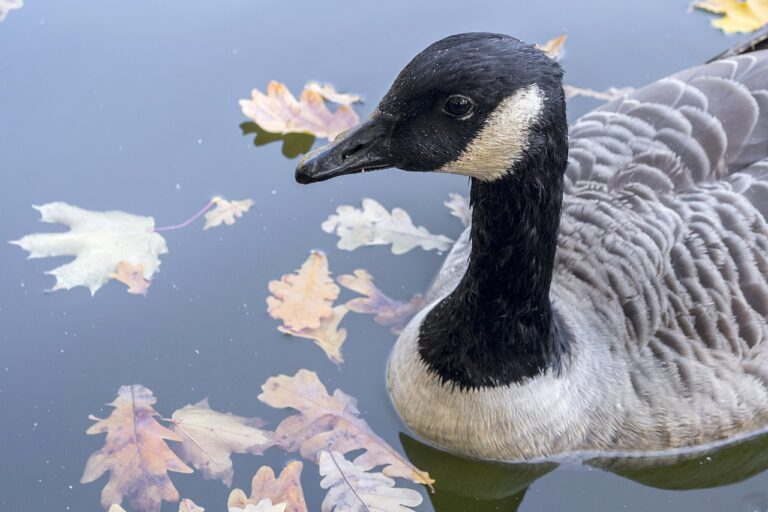
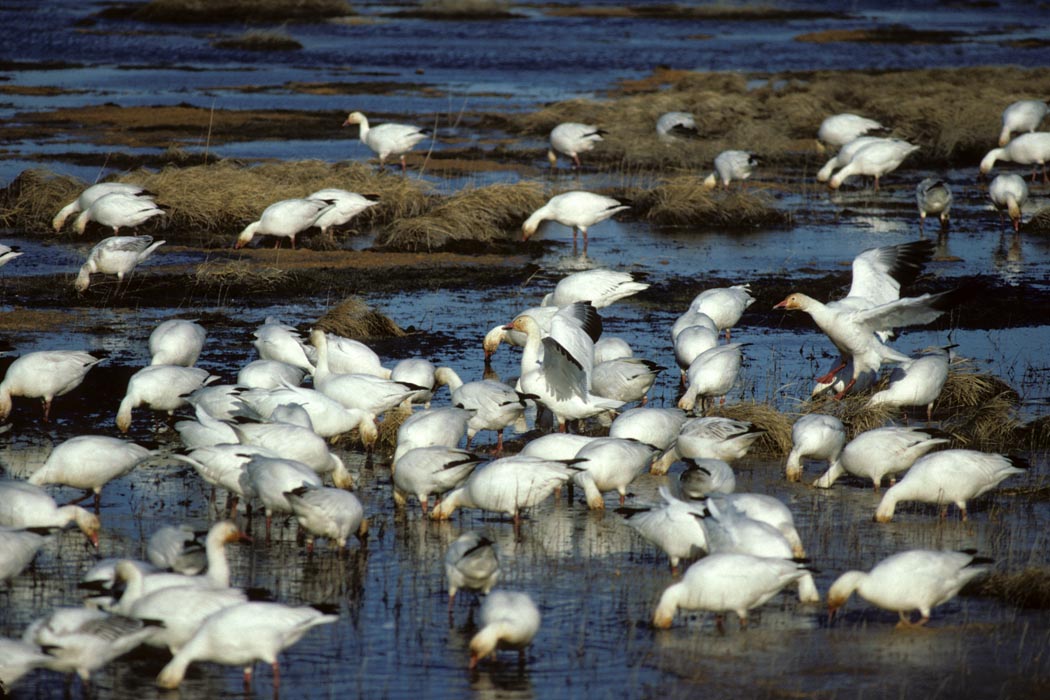
Geese split their term by context, which is unusually sensible for this vocabulary: a gaggle on the ground and a skein in flight. Ducks do the same thing, with raft, paddling, and flock depending on whether the birds are resting, swimming, or airborne. Turkeys are a rafter, and the rafter of turkeys traces to a word for roof beams rather than to anything about the birds.
Raptors and large soaring birds got terms tied to how they use thermals. Hawks form a kettle when they spiral together on rising air, and the hawk group names include cast and boil for smaller and more chaotic gatherings. Vultures share the kettle term in flight but become a committee when perched and a wake when feeding, and the vulture terms are among the few that genuinely track behavior. Eagles form a convocation, and the convocation of eagles is almost never seen outside salmon runs and winter roosts.
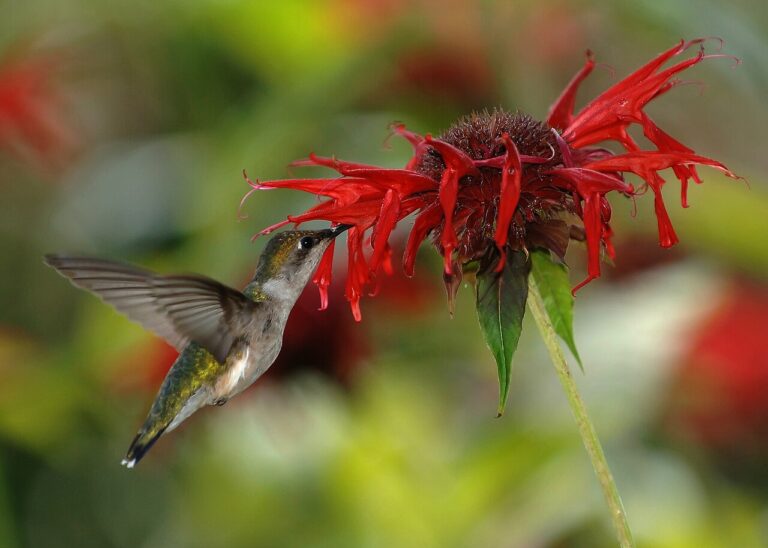
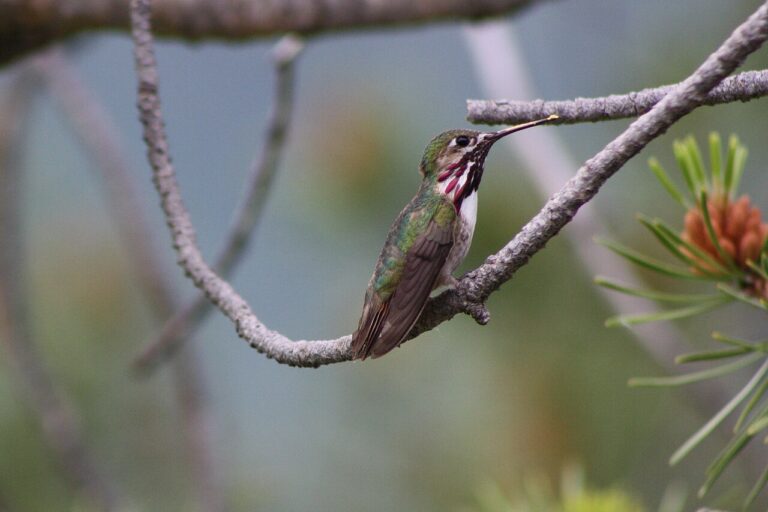
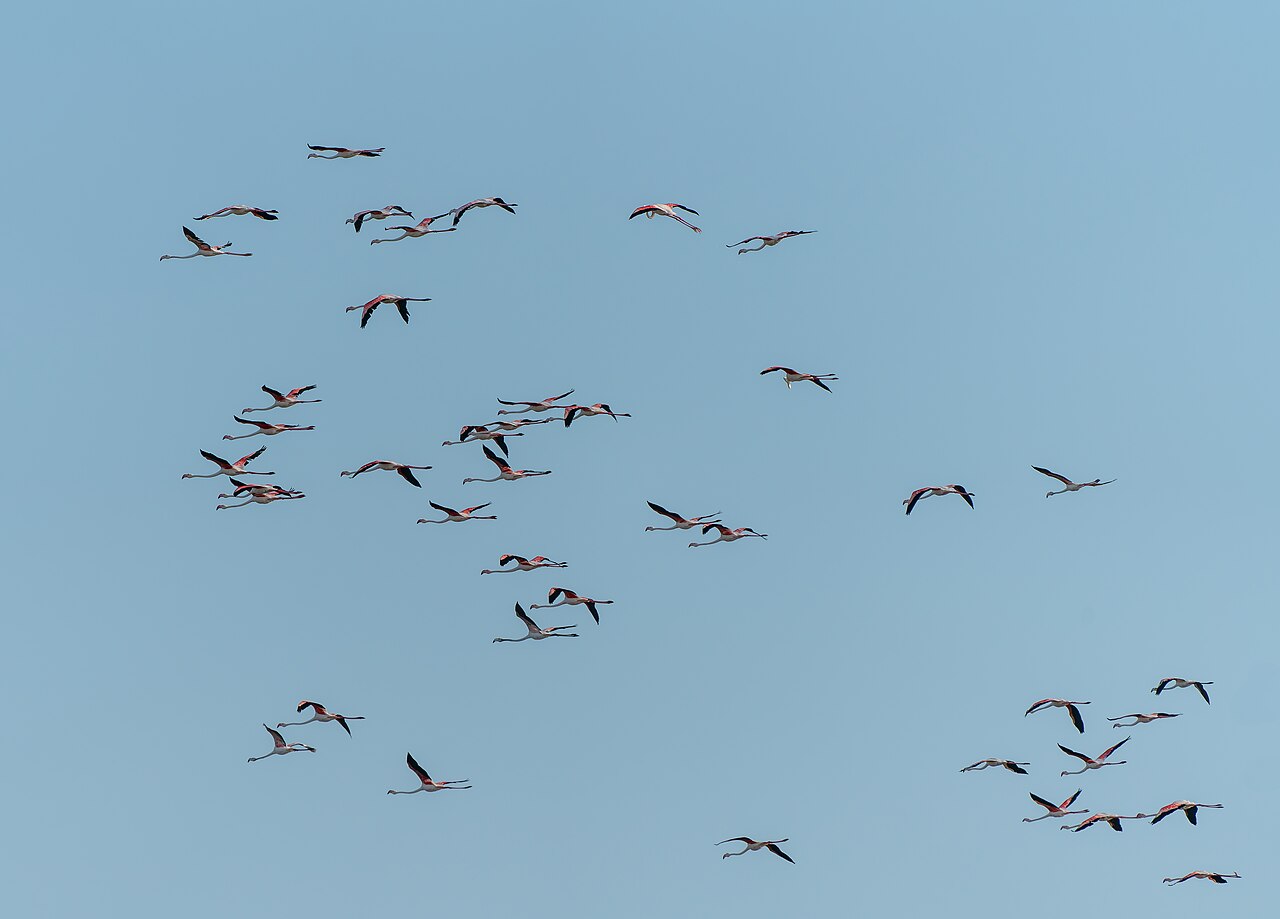
The showiest birds got the showiest words. Flamingos form a flamboyance, and the flamboyance of flamingos sits on top of colonies that can reach a million birds. Parrots form a pandemonium, and the pandemonium of parrots is one of the more accurate entries in the whole list. Hummingbirds form a charm, and the charm of hummingbirds is ironic given how aggressively territorial the birds actually are. Penguins waddle on land and raft at sea, which the penguin group names handle with three separate terms. Chickens are a flock, and the chicken terms include brood for hens with chicks and clutch for eggs.
Group Names for Mammals
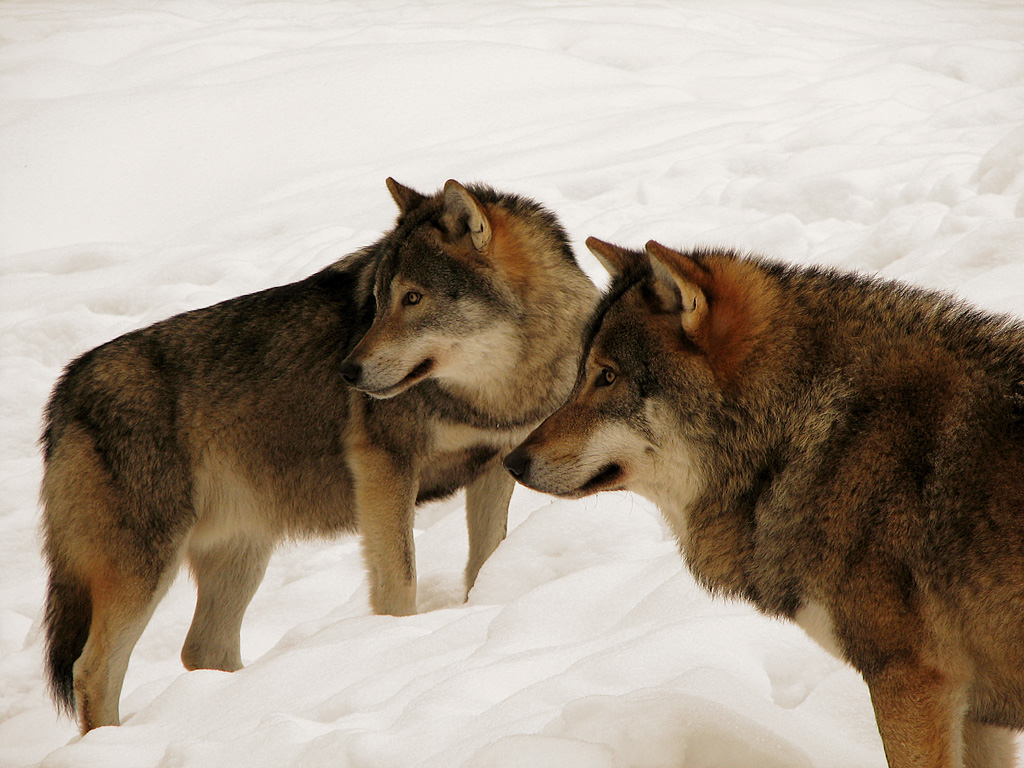
Mammals kept the practical vocabulary better than birds did, which is why herd, pack, and colony still do most of the work. Deer form a herd, and the deer group names add bevy and rangale from the hunting tradition without displacing herd in any real context. Cows are the clearest case, with herd, drove, and fold still in active agricultural use.
Predators got terms that reflect how little they actually gather. Bears form a sloth or a sleuth, and the bear group names describe something that rarely occurs, since adult bears are solitary except at salmon streams and dumps. Foxes form a skulk or a leash, and the fox terms come directly from hunting language, with earth referring to the den rather than the animals.
Rodents and small mammals produced the friendliest words. Squirrels form a scurry in trees and a dray in the nest, and the squirrel group names are among the few coined terms that describe the behavior accurately. Rabbits are a colony in the wild and a warren underground, with fluffle as the modern addition. Bats form a colony at roost and a cauldron when streaming out at dusk, and the bat terms cover gatherings that reach into the millions at some Texas caves. Pigs split by age and setting, with drift, drove, and sounder distinguishing farm animals from wild boar.
Group Names for Reptiles, Amphibians, and Insects
Cold-blooded animals gather for reasons that have nothing to do with sociality, and their collective nouns reflect that. Snakes form a den, nest, or pit, and the snake group names describe communal hibernation rather than any social bond, since the animals aggregate for warmth and disperse in spring.
Frogs got two terms that split neatly by activity. An army describes frogs moving on land, and a chorus describes the breeding calls of males in a pond, with the frog terms also including knot for a tight cluster. The chorus term is the one biologists actually use, since chorus structure is a real research subject.
Butterflies got the best word in the entire list. A group is a kaleidoscope, and the butterfly group names also include flutter and swarm, though what people usually photograph is a puddle club, the tight gathering of males drinking minerals from damp ground. That behavior has its own technical name, puddling, which predates the ornamental vocabulary by decades.
Group Names for Fish and Sea Animals
Marine collective nouns split cleanly between working terms and ornamental ones, and the working terms are unusually precise. A school is a group of fish swimming in coordinated formation with matched speed and direction, while a shoal is a looser social aggregation with no coordination. Ichthyologists treat these as genuinely different behaviors rather than synonyms.
Marine mammals took a different word entirely. Dolphins, whales, and porpoises form pods, which are stable social units built around related females in most species, and larger temporary gatherings are called superpods. Orcas take this furthest, with matrilines that stay together for the entire lifespan of the individuals involved.
The invertebrates got the strangest entries. Jellyfish form a smack or a bloom, with bloom being the term marine biologists actually use for population surges. Crabs form a cast, oysters form a bed, and eels form a swarm, though bed is the only one with any real currency in fisheries work.
Names for Male and Female Animals
The same medieval vocabulary that produced collective nouns also produced a parallel set of sex-specific terms, and these have survived far better because farming and animal husbandry kept them alive. A female horse is a mare, and the horse terms distinguish filly for a young female, broodmare for a breeding female, and dam for a mother with a foal at side.
Deer terminology varies by species in a way most lists get wrong. A female white-tailed deer is a doe, while a female red deer or elk is a hind or a cow, and the female deer terms depend entirely on which species is being discussed. Foxes are simpler, with vixen as the standard term, and the fox terms pair it with dog fox for males and kit for young.
Waterfowl reverse the usual pattern by giving the male the distinctive word. A male duck is a drake and a female is a hen, and the duck terms extend to duckling for young of either sex. This vocabulary is worth learning because it appears constantly in hunting regulations, breeding records, and wildlife agency documents.
Which Group Names Scientists Actually Use
Working biologists use roughly six collective nouns and no more. Flock covers birds, herd covers hoofed mammals, pack covers social canids, colony covers breeding aggregations and cave-roosting bats, school covers fish, and swarm covers insects. Everything else appears in press releases rather than papers.
The reason is precision. A term like colony carries specific meaning about shared nesting and coordinated defense, while flamboyance carries none. When a paper describes a flamingo colony, the word is doing analytical work that an ornamental synonym would erase.
Reference bodies follow the same convention. Species accounts published by the Cornell Lab of Ornithology at All About Birds describe crow roosts, hawk kettles, and goose flocks, using only the terms that describe observable structure. The elaborate vocabulary lives in popular writing, where it belongs.
Why Some Group Names Make No Biological Sense
A parliament of owls describes something that does not happen. Most owl species are solitary and territorial, defending exclusive hunting areas year round, and the exceptions are narrow: long-eared owls form winter roosts, and burrowing owls nest in loose colonies. The word came from twentieth century children’s literature, not from observation.
A murder of crows fails in the opposite direction, describing a real phenomenon with entirely the wrong connotation. Winter crow roosts genuinely reach tens of thousands of birds and serve as information centers where individuals follow successful foragers to food. Nothing about them is sinister, and the term has arguably shaped public hostility toward the species.
A sloth of bears is the strangest case, since it names a grouping that essentially never occurs. Brown and black bears are solitary except for females with cubs, and the temporary gatherings at salmon runs are tolerated proximity rather than social structure. The term reflects medieval assumptions about bear temperament rather than anything about bear ecology.
Group Names Invented in the Internet Era
A significant fraction of the terms circulating today are recent inventions with no historical source. Fluffle for rabbits is the most successful, appearing on thousands of pages while being absent from every dictionary and manuscript before roughly 2010. It spread because it is charming and because list articles copy from each other without checking.
Others in this category include several terms for pets, marine mammals, and popular zoo animals. The pattern is consistent: a term appears on a listicle, gets reposted, accumulates apparent authority through repetition, and eventually shows up in classroom worksheets as established fact. No individual step involves deception.
None of this makes the new terms wrong. English creates collective nouns continuously and always has, and the 1486 list was itself an invention when it was published. The only real error is presenting recent coinages as ancient tradition, which most sources do without intending to.
How to Use Animal Group Names Correctly
Match the term to the register of what you are writing. Scientific and technical writing takes the working vocabulary, journalism and nature writing can use either, and headlines and social posts are where the ornamental terms earn their keep. Mixing registers within one piece reads as inconsistency rather than range.
Check whether the animal groups at all before reaching for a term. Owls, most bears, adult ravens, and many snake species spend their lives alone, and describing a parliament or sloth of them implies behavior that does not exist. If the grouping is real but seasonal, saying so adds information that the collective noun removes.
Verify the source before calling a term traditional. If it appears in the Book of Saint Albans it has genuine historical standing, and if it appears only on modern lists it is a recent coinage. Both are usable, and knowing which is which prevents the confident repetition of invented history.
Frequently Asked Questions
What are the 20 most common animal group names?
The most widely used are flock, herd, pack, colony, school, swarm, gaggle, pod, pride, litter, brood, clutch, drove, troop, murder, parliament, kettle, warren, scurry, and rafter. The first six do nearly all the work in scientific writing. The rest range from active agricultural terms to medieval hunting vocabulary revived in the twentieth century.
Why is a group of crows called a murder?
The term appears in fifteenth century lists of hunting vocabulary and reflects folk associations between crows, battlefields, and death rather than anything about the birds. Winter crow roosts are cooperative gatherings where individuals share information about food sources. Ornithologists use roost or flock instead.
What is a group of zebras called?
A group of zebras is a dazzle, and also a herd, with dazzle referring to how the collective striping confuses predators trying to single out an individual. Zebras live in family harems led by a stallion, and multiple harems merge into larger herds during migration. Biologists use herd.
Are animal group names official?
No governing body approves collective nouns, and no scientific standard recognizes them. Most originate from the 1486 Book of Saint Albans, a list compiled as much for display as for use, and others were coined recently on the internet. Dictionaries record the widely used ones without granting them any formal status.
What is a group of elephants called?
A group of elephants is a herd, sometimes given as a parade or memory in popular lists. Herds are matriarchal families of related females and their young, led by the oldest female, while adult males live alone or in loose bachelor groups. Researchers use herd and family unit exclusively.
Do scientists use collective nouns like flamboyance?
Almost never. Scientific writing uses colony for flamingos because the word carries specific meaning about shared nesting and coordinated defense, while flamboyance carries none. The ornamental terms appear in outreach material and headlines, where the goal is engagement rather than precision.