What Is a Group of Eagles Called? Convocation and Aerie
A group of eagles is called a convocation, the most widely cited collective noun for the birds. A group of eagles is also called an aerie, a soar, a jubilee, and a tower, and a group of eagles circling on a thermal is called a kettle, which is the one term birders actually use. Biologists say group, aggregation, or concentration, because eagles are territorial and true groups form only where food is exceptionally abundant.
Convocation carries the sense of a formal assembly summoned together, which fits the eagle’s association with authority, nations, and heraldry rather than anything the birds do. What eagles genuinely form are winter concentrations at salmon runs and open water, and these can be spectacular: several thousand bald eagles gather along the Chilkat River in Alaska each autumn, the largest gathering of eagles anywhere on earth. This guide covers every term and the conditions under which eagles actually assemble.
A group of eagles is called a convocation, and also an aerie, a soar, a jubilee, or a tower. Eagles circling on a thermal form a kettle, the term birders use. Eagles are territorial and rarely gather, but winter concentrations at salmon runs can hold thousands, with over 3,000 bald eagles recorded on Alaska’s Chilkat River.
| Term | Meaning |
|---|---|
| Convocation | Main collective noun for eagles |
| Aerie | Also the eagle’s nest itself |
| Soar, jubilee, tower | Other listed terms |
| Kettle | Eagles circling on a thermal (used by birders) |
| Largest gathering | 3,000+ bald eagles, Chilkat River, Alaska |
| Baby eagle | Eaglet; a group is a brood, usually 1 to 3 |
| Do eagles flock? | No; territorial except at concentrated food |
Why Is a Group of Eagles Called a Convocation?
A group of eagles is called a convocation because of the eagle’s long association with authority, ceremony, and formal assembly. A convocation is a gathering summoned together for a purpose, used for church synods and university ceremonies, and applying it to eagles borrows all of that dignity. The term reflects how people regard eagles rather than how eagles behave, which is the pattern for most collective nouns given to solitary birds.
The eagle has carried symbolic weight for a very long time. It was the standard of the Roman legions, the emblem of the Holy Roman Empire, and it appears on the coats of arms of dozens of nations. The bald eagle became the national emblem of the United States in 1782, appearing on the Great Seal, and the golden eagle holds similar status across Eurasia. A bird associated with empires naturally attracted a stately collective noun.
Convocation is a modern addition rather than a medieval one, and it does not appear in the 1486 Book of Saint Albans that produced a murder of crows and an unkindness of ravens. Like a flamboyance of flamingos and a parliament of owls, it belongs to the later tier of coinages by writers extending the tradition. It is now firmly established in dictionaries and is the expected quiz answer.
What Is an Aerie of Eagles?
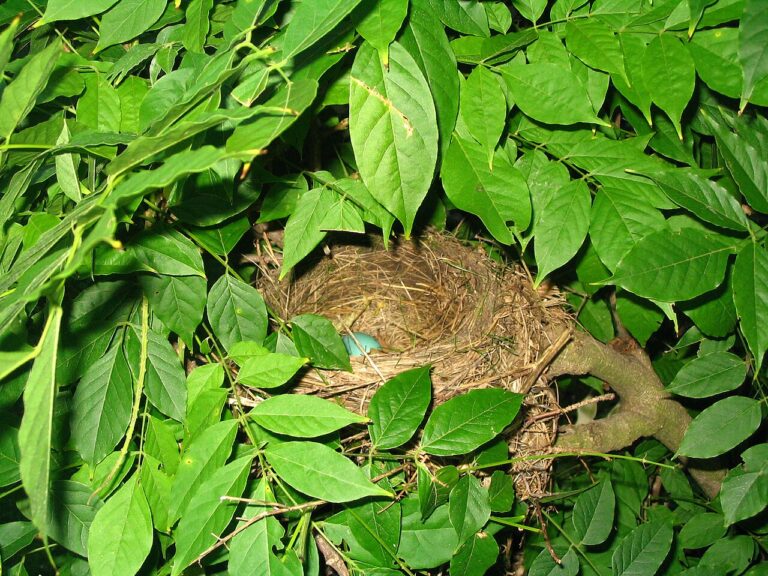
An aerie, also spelled eyrie, is the eagle’s nest, and by extension a group of eagles occupying one. The word comes through Old French and medieval Latin from a root meaning nest, and it is genuine working vocabulary: raptor biologists refer to aeries and to aerie occupancy in monitoring reports. It follows the same pattern that gave us a warren of rabbits and a den of snakes, where the name of the home became the name of the group.
Bald eagle aeries are the largest bird nests in North America. Built of sticks in a tall tree or on a cliff and reused and enlarged year after year, a mature nest typically measures five to six feet across and three feet deep. The record, a nest near St. Petersburg, Florida, measured nearly ten feet wide and twenty feet deep and was estimated to weigh over two tons, eventually bringing down the tree that held it.
A pair occupies its aerie for many years, and the nest is a central part of the territory they defend. Bald eagles frequently maintain an alternate nest within the territory and switch between them. Because aeries are so conspicuous and so long-used, they are the primary unit of bald eagle population monitoring, with agencies counting occupied nests rather than individual birds. The bald eagle guide covers nesting and the species’ recovery in detail.
Do Eagles Live in Groups?
No, eagles are territorial and live as mated pairs, defending an area against other eagles year-round in resident populations. Bald eagle territories vary with food availability, from under a square mile along a rich salmon river to several square miles in poorer habitat, and golden eagles hold much larger ranges, often 20 to 30 square miles. Neighboring pairs contest boundaries, and fights between eagles can be serious, occasionally fatal.
The reason is the same one that keeps most large predators solitary. Eagles hunt fish, waterfowl, mammals, and carrion, and hunting is an individual activity that a second bird can only interfere with. There is nothing to be gained from cooperation and a great deal to lose to competition, so the collective noun describes a situation that essentially does not arise in the breeding season.
Pair bonds, though, are strong and long-lasting. Bald eagles are generally monogamous and often stay with the same mate for many years, returning to the same territory and nest each season, and a pair reunites each year after spending winter apart in migratory populations. Courtship includes the spectacular cartwheel display, in which two birds lock talons in the air and tumble downward, separating just before impact.
When Do Eagles Gather in Numbers?
Eagles gather where food is concentrated enough to override their territoriality, and salmon runs produce the largest assemblies. The Chilkat Bald Eagle Preserve near Haines, Alaska, hosts the greatest concentration of bald eagles on earth: a late chum salmon run in a stretch of river kept ice-free by upwelling groundwater draws over 3,000 eagles each October through December, and counts have exceeded 3,500.
Winter open water produces similar effects elsewhere. Hundreds of bald eagles concentrate below dams on the Mississippi River, at Conowingo Dam in Maryland, along the Skagit River in Washington, and at reservoirs across the interior, wherever water stays unfrozen and fish are accessible. These winter concentrations are the best opportunity most people will ever have to see many eagles at once, and several towns have built winter festivals around them.
Migration also concentrates eagles. Golden eagles funnel along ridgelines and are counted in the hundreds at western hawk watch sites, and both species appear at eastern watches in smaller numbers. Carrion draws eagles too, and roadkill deer, winter-killed livestock, and beached marine mammals can pull a dozen or more birds into a small area. All of these are tolerated crowding rather than social behavior, with a strict dominance order at any food source. The hawk vs eagle comparison covers how to separate eagles from the large hawks they are confused with at distance.
Is a Group of Eagles Called a Kettle?
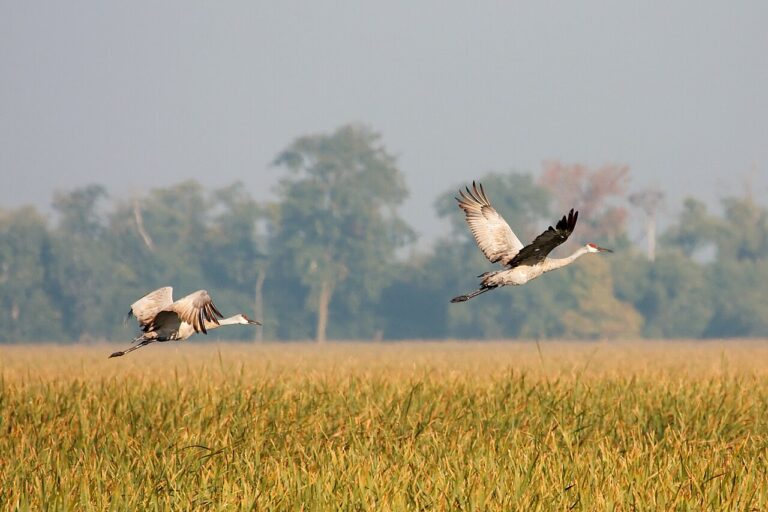
Yes, and this is the one eagle term genuinely used by birders. A kettle is any group of raptors circling upward together inside a thermal, and it applies to eagles, hawks, and vultures alike. The name comes from the resemblance to something boiling and churning in a pot, with birds rising, drifting, and circling within a column of warm air.
Eagles kettle less dramatically than broad-winged hawks, which form kettles of thousands during September migration, but golden eagles in particular use thermals and ridge lift extensively to cover long distances with minimal effort. A golden eagle can travel hundreds of miles across mountain country on almost no muscular work by chaining thermals and updrafts, which is what makes their migrations along the Appalachian and Rocky Mountain ridges possible.
The distinction between kettle and convocation is exactly the distinction between a term coined by people watching birds and a term coined by people compiling lists. Kettle describes a specific, recognizable event and communicates real information; convocation describes a stately assembly that eagles never hold. The group of vultures guide covers the kettle in its most common application.
What Is a Group of Baby Eagles Called?
A group of baby eagles is called a brood, and individual young are eaglets or nestlings. Bald eagles typically lay one to three eggs, most often two, and golden eagles one to three as well. Incubation runs about 35 days and is shared by both parents, and the young fledge at ten to twelve weeks, remaining dependent on the adults for several weeks after their first flight.
Eggs hatch asynchronously, with the first laid hatching a few days before the last, and the resulting size difference in the brood can be decisive. In golden eagles, siblicide is common: the older, larger eaglet frequently kills the younger, particularly when food is scarce. Bald eagles show this less often but it does occur. The asynchrony is an adaptation to unpredictable food, guaranteeing that one chick is raised well rather than two being raised poorly.
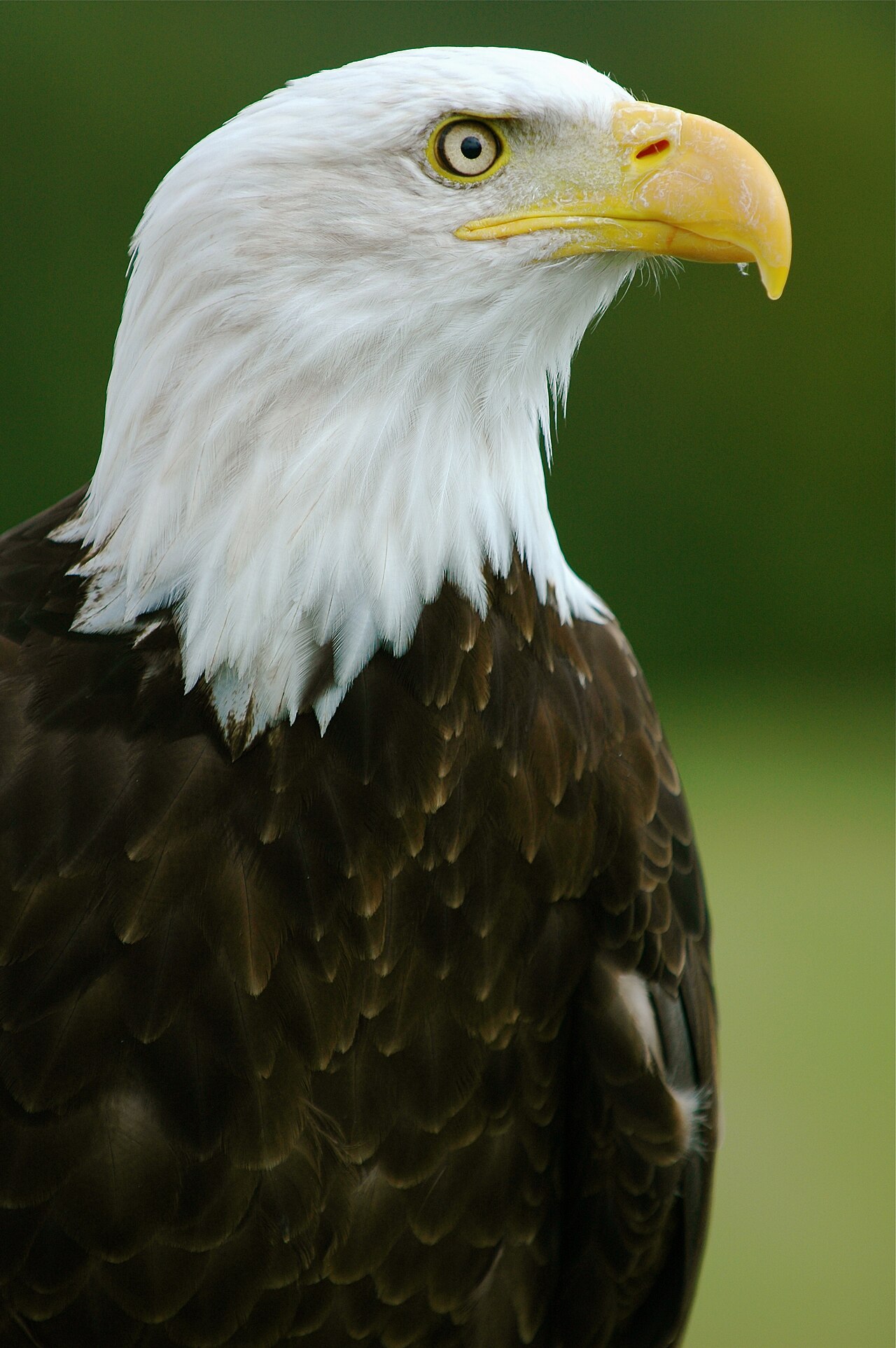
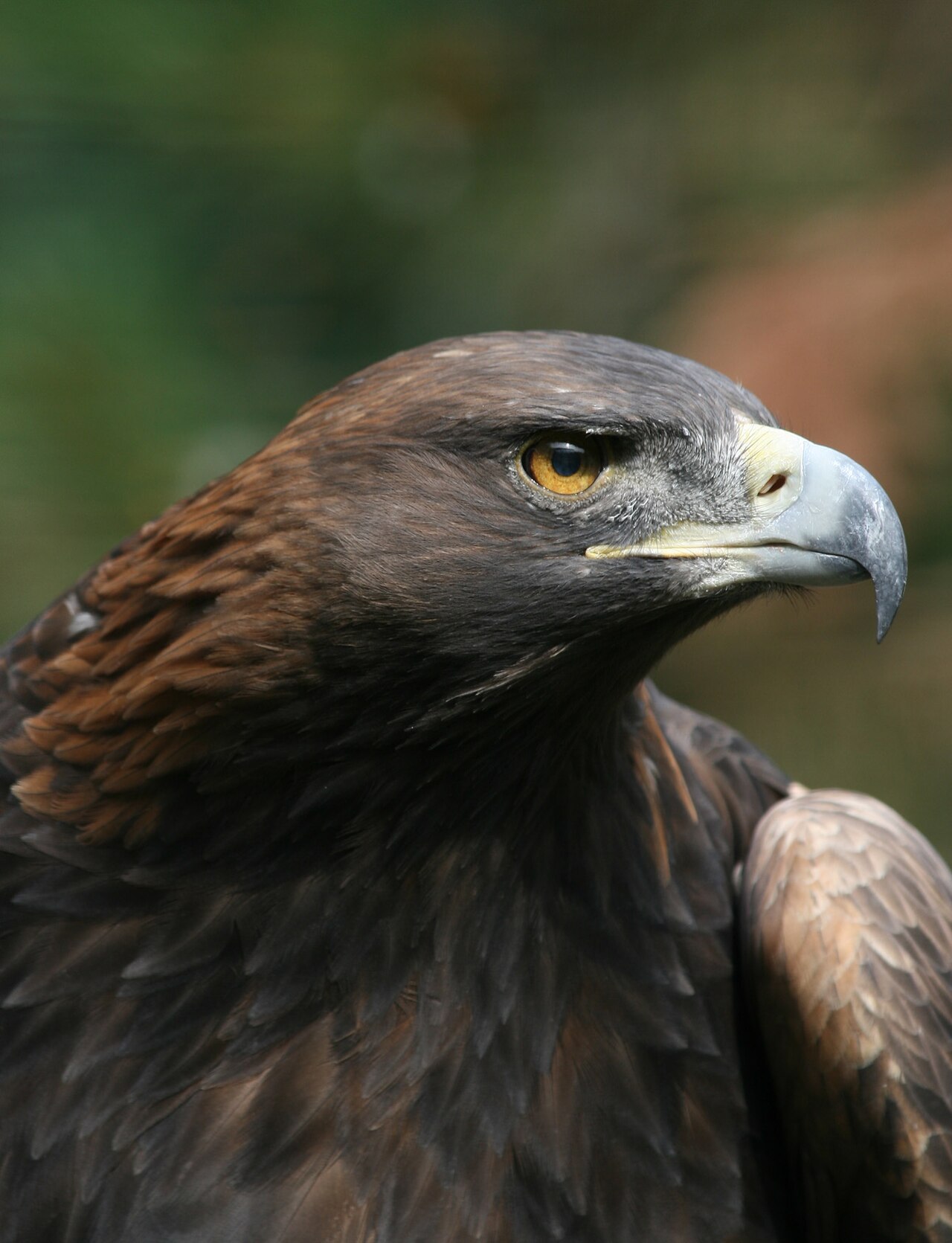
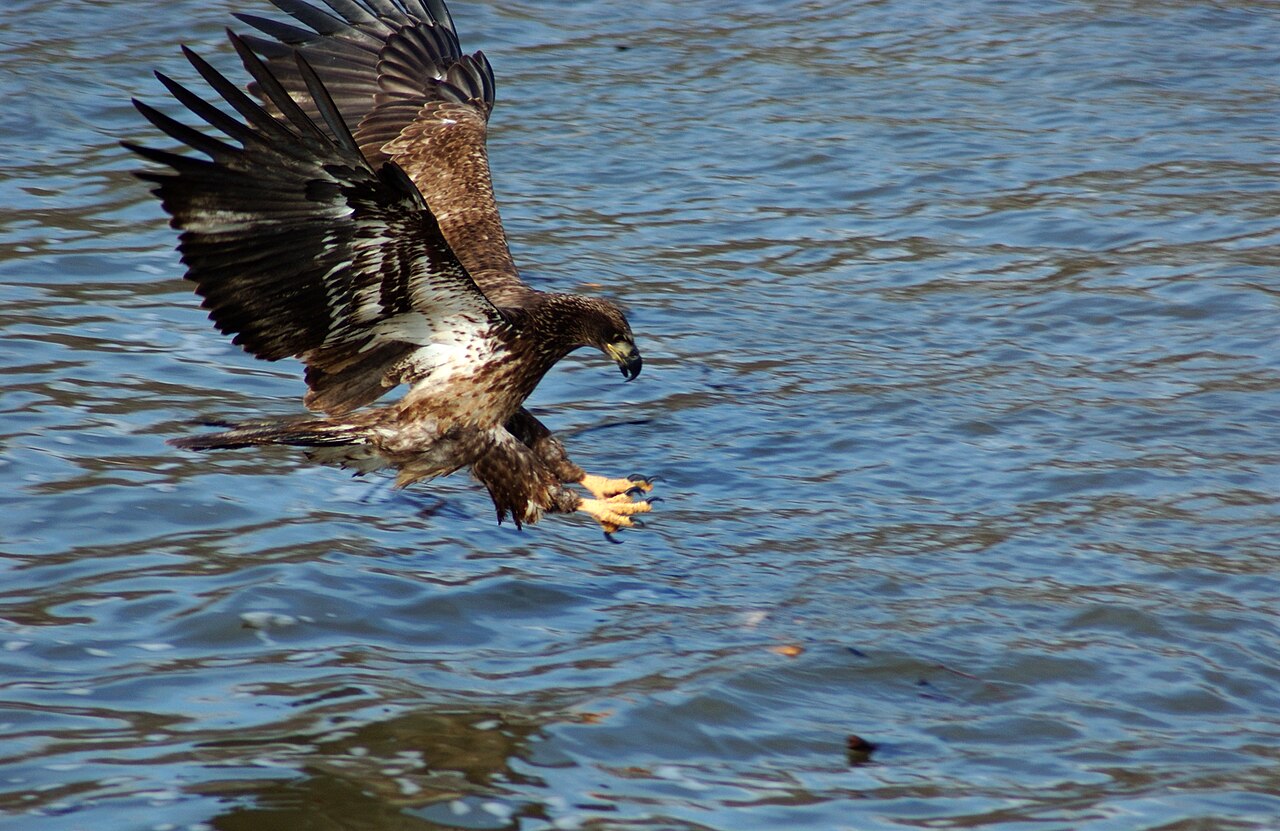
Immature bald eagles look nothing like adults, which is the source of endless misidentification. First-year birds are dark brown mottled with white, with a dark bill and dark eyes, and they pass through several distinct plumages before reaching the white head and tail and yellow bill at four to five years. Immature bald eagles are frequently reported as golden eagles, which is the most common raptor identification error in North America. The golden eagle guide covers the real differences.
How Did Bald Eagles Recover?
The bald eagle’s recovery is one of the clearest conservation successes in American history and is worth knowing alongside the vocabulary. By 1963 the lower 48 states held roughly 417 known nesting pairs, driven down by shooting, habitat loss, and above all by DDT, which caused eggshell thinning severe enough that eggs broke under the incubating parent.
DDT was banned in the United States in 1972, the species was protected under the Endangered Species Act in 1978, and numbers climbed steadily thereafter. The bald eagle was removed from the endangered species list in 2007, and a U.S. Fish and Wildlife Service (fws.gov) assessment in 2021 estimated the lower 48 population at more than 316,000 individual birds, including roughly 71,400 nesting pairs, more than four times the estimate from a decade earlier.
The birds remain protected under the Bald and Golden Eagle Protection Act and the Migratory Bird Treaty Act, which make it illegal to take, possess, or disturb eagles or to keep their feathers without a permit. This is why finding an eagle feather does not entitle anyone to keep it, a point that surprises many people. The practical consequence of the recovery is that eagles now nest in suburbs, along interstates, and near cities across most of the country, in places they were absent from for generations.
Collective Nouns for Eagles and Other Raptors
Raptor collective nouns divide neatly between working terms and ornamental ones. Kettle, used for any thermalling raptors, is universal at hawk watch sites. A cast of hawks or falcons has a genuine falconry origin, meaning birds released together. A wake of vultures describes a real feeding assembly. All three see regular use.
The ornamental terms are the rest. Eagles get a convocation, a jubilee, a soar, and a tower. Owls get a parliament. Hawks get a boil or a spiraling in some lists. Falcons get a bazaar. None appears in research literature, and none describes a social structure, because with the exception of a few species such as Harris’s hawks, which genuinely hunt cooperatively in family groups, raptors do not form groups.
Eagles are a good illustration of the gap between reputation and biology. They are territorial, largely solitary, frequently steal food from other birds, and readily eat carrion, none of which matches the noble image that produced convocation. That gap does not make the term wrong, only worth understanding. The group of owls guide covers the clearest case of a collective noun invented for a bird that never gathers, and the group of crows guide covers one where the name and the behavior actually match.
Frequently Asked Questions
What is a group of eagles called?
A group of eagles is called a convocation, and also an aerie, a soar, a jubilee, or a tower. Eagles circling on a thermal form a kettle, which is the term birders actually use.
Is a flock of eagles called a flame?
Flame appears occasionally online but is not recorded in dictionaries or standard collective noun references. The established terms are convocation, aerie, soar, jubilee, and tower, with kettle for birds in flight.
What is a gathering of eagles called?
A convocation is the traditional term. Biologists describing the real winter gatherings at salmon runs and open water use concentration or aggregation, since the birds are drawn by food rather than assembling socially.
Do eagles live in groups?
No. Eagles are territorial and live as mated pairs defending a range year-round. They gather only where food is concentrated, such as salmon runs and open water in winter, and those gatherings have a strict dominance order.
What is an aerie?
An aerie, or eyrie, is an eagle’s nest, and by extension a group of eagles in one. Bald eagle nests are the largest in North America, typically five to six feet across, with the record measuring nearly ten feet wide.
What is a group of baby eagles called?
A brood. Individual young are eaglets or nestlings. Bald eagles usually lay two eggs, incubate for about 35 days, and the young fledge at ten to twelve weeks but remain dependent for several more.
How many eagles gather in one place?
The largest known concentration is on the Chilkat River in Alaska, where over 3,000 bald eagles gather each autumn for a late salmon run. Hundreds gather below dams and at open water across the country in winter.