Monarch Butterfly: ID, Migration, and Milkweed
The monarch butterfly is a large orange and black butterfly with thick black veins, a black border studded with white dots, and a wingspan of three and a half to four inches. It is the only butterfly in the world known to make a two-way migration like a bird, with the autumn generation flying up to 3,000 miles from Canada and the northern United States to overwintering sites in central Mexico or coastal California.
Monarchs are also toxic, and deliberately so. Caterpillars feed only on milkweed, storing the plant’s cardiac glycosides in their tissues, and both larvae and adults advertise that poison with bright warning colouration that birds learn to avoid. This guide covers identification, the migration, the milkweed dependency, look-alikes, the population decline, and what actually helps.
The monarch butterfly is a large orange butterfly with black veins and white-spotted black borders, spanning about four inches. Caterpillars eat only milkweed, which makes them toxic to predators. Monarchs are the only butterfly making a true two-way migration, travelling up to 3,000 miles to overwinter in central Mexico or on the California coast.
| Feature | Monarch Butterfly |
|---|---|
| Wingspan | 3.5 to 4 in |
| Pattern | Orange with black veins, white-dotted border |
| Host plant | Milkweed only (Asclepias) |
| Toxicity | Cardiac glycosides stored from milkweed |
| Migration | Up to 3,000 miles, two-way |
| Summer adult lifespan | 2 to 6 weeks |
| Migratory generation | Up to 8 or 9 months |
How Do You Identify a Monarch Butterfly?
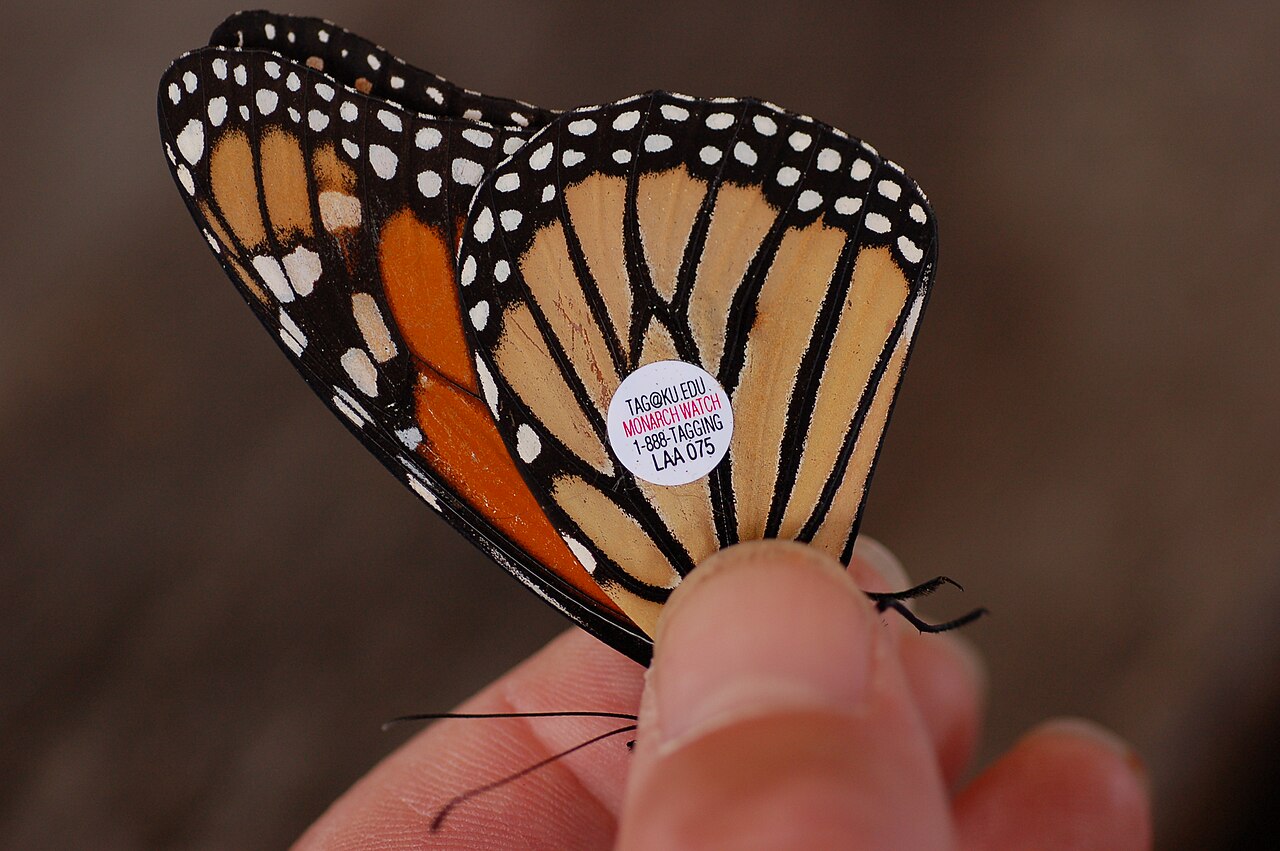
A monarch is a large butterfly with deep orange wings divided by thick black veins, edged by a broad black border containing two rows of small white spots, and with white spots scattered across the black forewing tips. The underside is paler, more yellowish-orange, with the same pattern showing through, and the body is black with white dots.
Size is the first clue in the field. At three and a half to four inches across, monarchs are among the largest butterflies most people see, and the flight is distinctive: strong, slow, gliding wingbeats with long soaring stretches rather than the constant fluttering of smaller species. A large orange butterfly gliding across a field with wings held in a shallow V is almost always a monarch.
Males and females differ in two visible ways. Males have a small black scent gland spot on a vein of each hindwing, absent in females, and males have noticeably thinner black veins. Females look darker and more heavily marked as a result. The orange and black butterfly guide covers the full set of species that share the colour scheme.
What Butterfly Is Mistaken for a Monarch?
The viceroy is the classic look-alike, and it is a genuinely close match: same orange ground colour, same black veins, same white-spotted border. The reliable difference is a single black line crossing the hindwing veins, forming a curved band that no monarch has. Viceroys are also smaller, around two and a half to three inches, and fly with quicker, more erratic wingbeats.
The resemblance was long taught as Batesian mimicry, a harmless species copying a toxic one. Research from the 1990s onward showed viceroys are themselves distasteful, from the willow and poplar their caterpillars eat, which makes the relationship Müllerian mimicry instead: two genuinely defended species converging on one warning pattern so predators learn faster. The viceroy butterfly guide covers the distinction in detail.
Two other species cause confusion in the south and west. The queen is a darker chocolate-brown-orange with far less black venation, and the soldier is similar again; both are also milkweed feeders and both are toxic. Gulf fritillaries and great spangled fritillaries are orange but have silver spots underneath and a very different upper pattern. The painted lady guide covers another orange species that is regularly reported as a monarch at a distance.
Why Do Monarchs Need Milkweed?
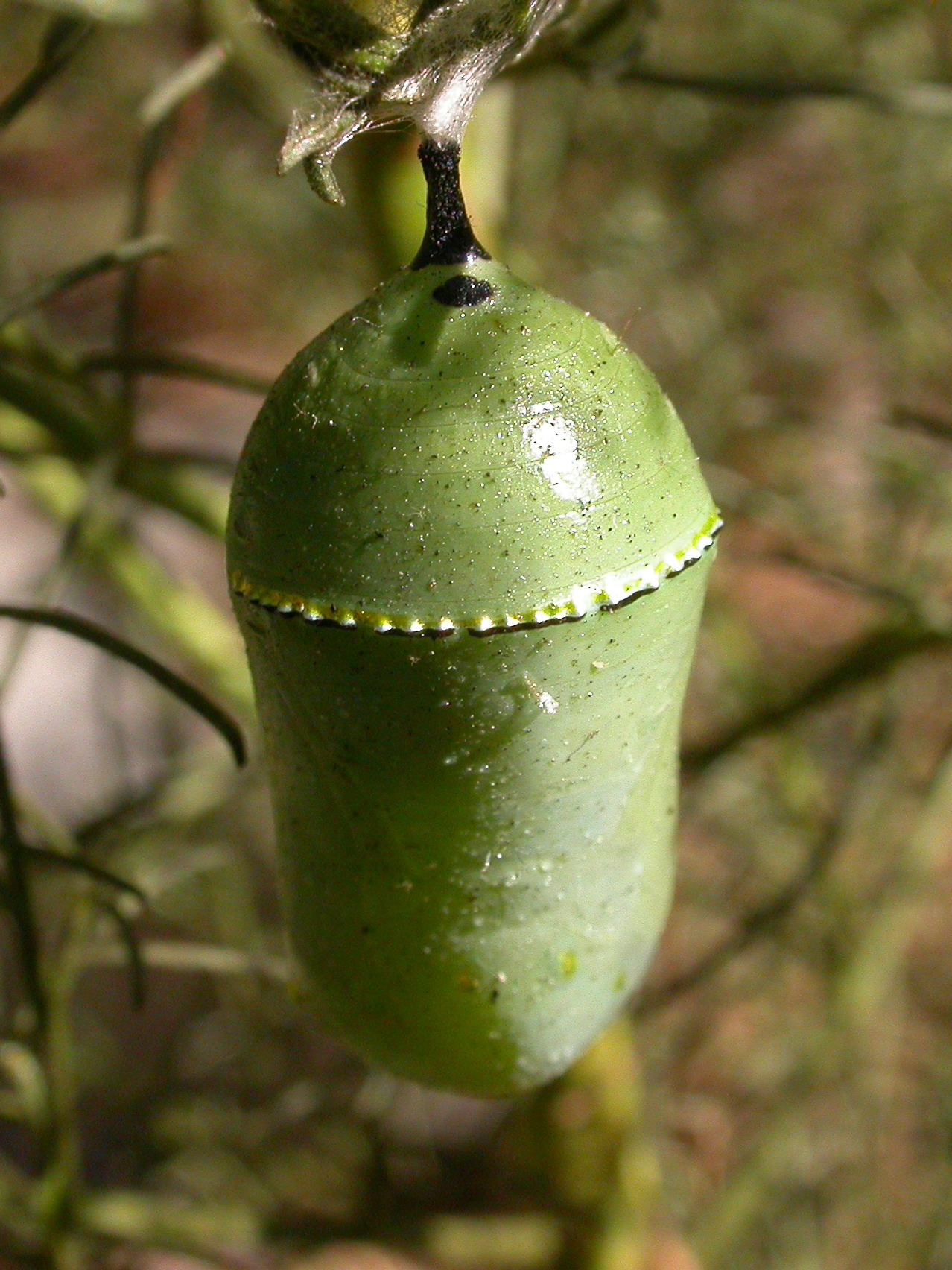
Milkweed is the only plant monarch caterpillars can eat, and it is the source of their chemical defence. Plants in the genus Asclepias contain cardiac glycosides, toxins that disrupt the sodium-potassium pump in animal cells, and monarchs have evolved mutations in that pump that make them insensitive. They eat the plant, store the toxin, and become poisonous themselves.
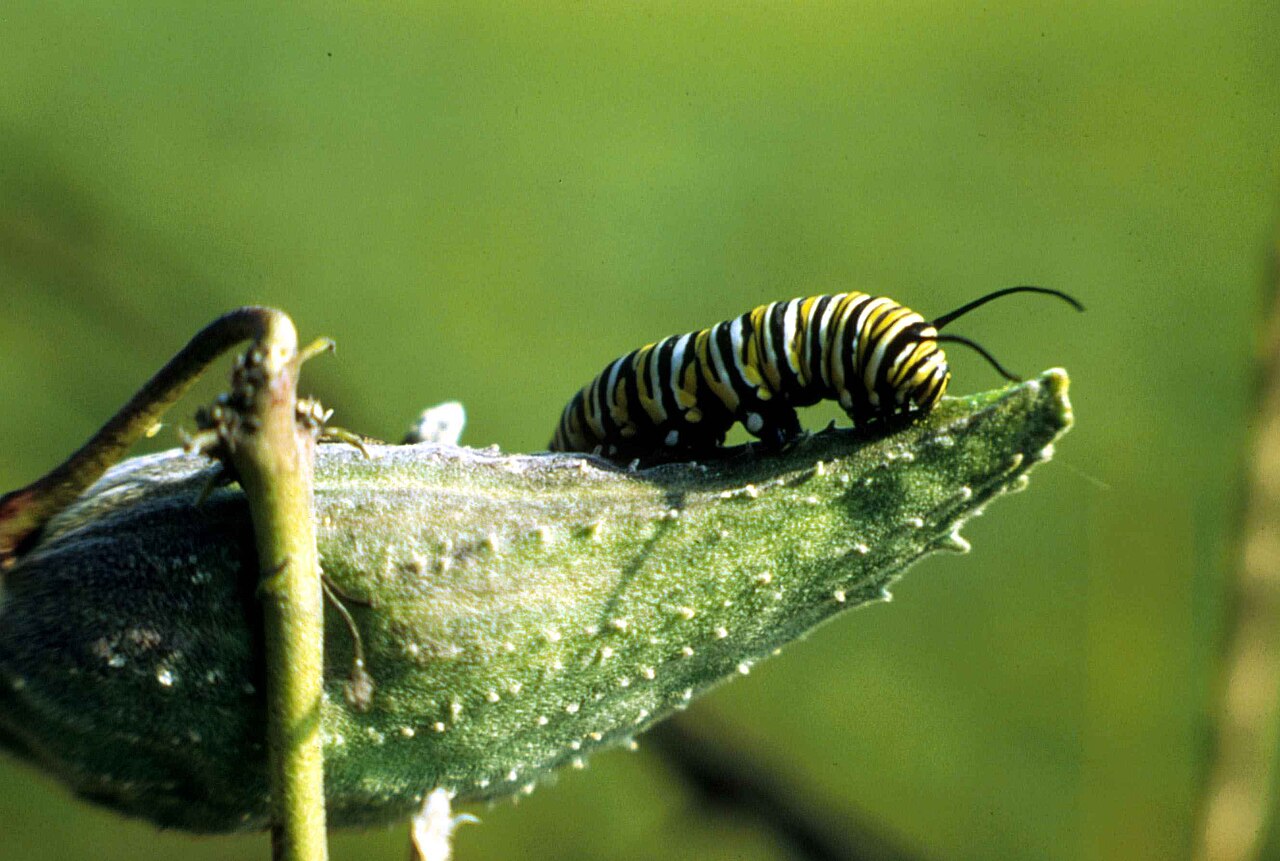
Female monarchs locate milkweed by chemical cues, drumming leaves with their feet to taste them before laying, and lay eggs singly on the undersides of leaves, up to several hundred over a lifetime. The caterpillar hatches, eats its own eggshell, and begins feeding, cutting a trench in the leaf first to drain the sticky latex that could otherwise glue its mouthparts shut.
Toxicity carries through the whole life cycle, from caterpillar to chrysalis to adult, and the bright colours at every stage advertise it. Birds that eat a monarch typically vomit within minutes and learn to avoid the pattern permanently, which is why the warning colouration works and why the viceroy benefits from resembling it. The monarch caterpillar guide covers the larval stages and how to raise them safely.
How Does the Monarch Migration Work?
Monarchs east of the Rocky Mountains fly south each autumn to a small area of oyamel fir forest in the mountains of Michoacán and the State of Mexico, gathering in colonies so dense that branches bend under their weight. Western monarchs overwinter along the California coast in eucalyptus, Monterey pine, and cypress groves. The southbound flight can cover up to 3,000 miles.
The strange part is that no individual makes the round trip. Summer monarchs live two to six weeks and go through several generations, but the generation emerging in late summer enters reproductive diapause, does not mate, and lives eight or nine months. That generation flies to Mexico, overwinters, and starts north again in spring, laying eggs in Texas and the Gulf states before dying. Its children and grandchildren continue north, and a great-grandchild reaches Canada.
How they navigate to a forest none of them has seen is partly understood. Monarchs use a time-compensated sun compass, reading the sun’s position and correcting for time of day using a circadian clock in the antennae, and they appear to use the Earth’s magnetic field as a backup on overcast days. The mechanism explains direction but not how they find the same specific groves, which remains open.
How Rare Is It to See a Monarch?
Monarchs are still widespread and can be seen across most of the United States and southern Canada in summer, but they are far less numerous than they were. Overwintering counts, the standard measure, show the eastern population down substantially from 1990s levels, and the western population fell to fewer than 2,000 butterflies in the winter of 2020 before a partial recovery.
The species was assessed as endangered on the IUCN Red List in 2022 for the migratory subspecies, and in the United States the Fish and Wildlife Service (fws.gov) proposed listing the monarch as threatened under the Endangered Species Act in December 2024. That proposal specifically targeted the migratory phenomenon rather than the species as a whole, since monarchs also occur as non-migratory populations elsewhere in the world.
Seeing one in a garden in July is still ordinary in most of the range. Seeing the great river of butterflies that older accounts describe is not, and the migration itself is what is at risk rather than the butterfly’s existence. Population counts fluctuate sharply year to year with weather, which makes single-season headlines in either direction unreliable.
Why Is the Monarch Population Declining?
Milkweed loss across the Midwest is the most cited cause. Herbicide-tolerant crops allowed broad-spectrum weed control across corn and soybean fields, and the milkweed that formerly grew between and among the rows largely disappeared from the agricultural landscape that sits directly under the migration route. Estimates put the loss of milkweed across the region in the hundreds of millions of stems.
Habitat loss at the overwintering sites compounds it. Illegal logging in the Mexican oyamel forests reduced and fragmented the small number of groves the entire eastern population depends on, and the same has happened to California’s coastal groves through development and tree removal. Concentrating a whole continental population into a handful of hectares makes those sites a critical bottleneck.
Climate is the third factor and cuts several ways. Severe winter storms at the Mexican colonies have killed millions of butterflies in single events, drought along the spring migration route reduces nectar and milkweed quality, and shifting temperature patterns disrupt the timing of the whole cycle. Pesticides, particularly neonicotinoids, and the parasite Ophryocystis elektroscirrha add further pressure, the latter spreading where tropical milkweed is planted outside its natural range and allows year-round breeding.
What Eats Monarch Butterflies?
Fewer things than you would expect, but not nothing. Most birds avoid monarchs after a single bad experience, but two species at the Mexican overwintering colonies have worked around the defence: black-backed orioles strip out the least toxic body parts, and black-headed grosbeaks appear to tolerate the toxins outright. Together they can consume a substantial fraction of a colony over a winter.
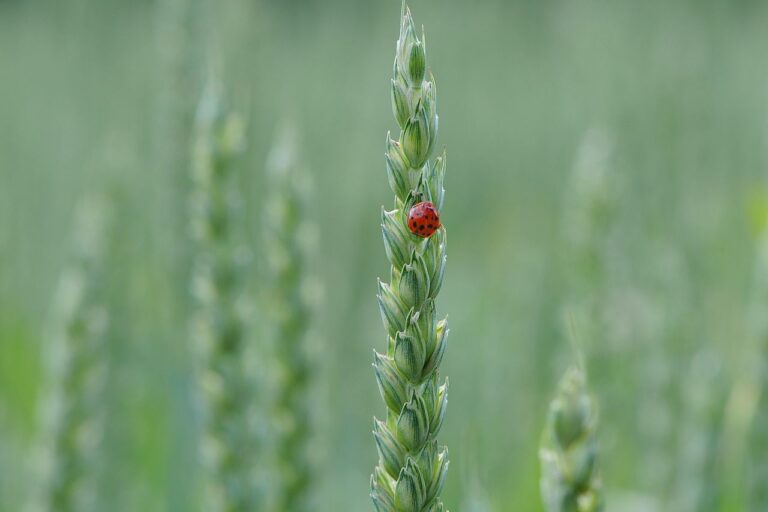
The heaviest losses happen early. Fewer than one in ten monarch eggs is thought to reach adulthood, with most taken by ants, spiders, lacewing and ladybug larvae, stink bugs, and wasps, all of which prey on eggs and small caterpillars regardless of toxicity. Tachinid flies and parasitic wasps lay eggs in caterpillars, and the larvae consume the host from inside.
Mice, notably the black-eared mouse in Mexico, eat monarchs that fall to the forest floor, and some frogs, lizards, and mantises take adults opportunistically. Toxicity is a statistical defence rather than absolute protection: it works well enough on visually hunting birds to be worth the metabolic cost. The guide to birds that eat spiders covers how insect-eating birds handle prey with chemical and physical defences.
What Does Seeing a Monarch Butterfly Symbolize?
Monarchs are read as symbols of transformation, endurance, and the return of the dead, and the last of these has an unusually concrete basis. The butterflies arrive at their Mexican overwintering sites around the start of November, coinciding with Día de los Muertos, and in Purépecha and broader Mexican tradition they are understood as the returning souls of ancestors.
Transformation symbolism follows the life cycle directly: an egg, a caterpillar that does nothing but eat, a chrysalis in which the body is largely dissolved and rebuilt, and an entirely different creature emerging. That is a stronger version of the metamorphosis narrative than most insects offer, and it accounts for the monarch’s use in imagery about grief, recovery, and change.
The migration adds a second layer about perseverance and about journeys completed across generations, since no individual sees both ends of the route. Modern readings frequently emphasise this idea of work carried forward by those who come after. The guide to a butterfly landing on you covers the wider symbolism people attach to butterfly encounters.
How Can You Help Monarchs?
Plant milkweed native to your region and plant plenty of it. A few stems in a border support a handful of caterpillars; a patch of a dozen or more plants of two or three regionally appropriate species does real work. Common milkweed, swamp milkweed, butterfly weed, and showy milkweed cover most of the country between them, and regional planting guides from state extension programmes list the right ones.
Avoid tropical milkweed outside the deep south, or cut it back hard each autumn if you already have it. It does not die back naturally in mild winters, which encourages monarchs to break diapause and breed year-round instead of migrating, and it allows the Ophryocystis parasite to build up on the same plants season after season. It is the one milkweed that can do more harm than good.
Nectar matters as much as host plants, particularly late-season nectar for migrating adults. Goldenrod, aster, blazing star, ironweed, and joe-pye weed flowering into September and October fuel the flight south. Skipping insecticides, leaving some untidy corners, and joining a monitoring project such as Journey North or the Monarch Larva Monitoring Project all contribute. The orange butterfly guide covers the other species that will use the same planting.
Related reading: Monarch Butterfly Meaning.
Related reading: Monarch Butterfly Eggs.
Related reading: Monarch Butterfly Life Span.
Related reading: Monarch Butterfly Life Cycle.
Frequently Asked Questions
How do you identify a monarch butterfly?
Large orange wings with thick black veins, a broad black border with two rows of white spots, and a wingspan of about four inches. Males have a black scent spot on each hindwing vein; females have thicker veins.
What butterfly is mistaken for a monarch?
The viceroy, which is smaller and has an extra black line crossing the hindwing veins. Queens and soldiers in the south are darker with less venation, and fritillaries have silver spots on the underside.
Why do monarchs need milkweed?
It is the only plant the caterpillars can eat, and it supplies their defence. Milkweed cardiac glycosides are stored in the body, making caterpillars, chrysalides, and adults toxic to most birds.
How far do monarch butterflies migrate?
Up to 3,000 miles, from Canada and the northern United States to central Mexico or the California coast. No single butterfly completes the round trip; the return north takes several generations.
How many years does a monarch butterfly live?
Summer adults live two to six weeks. The generation that emerges in late summer enters reproductive diapause and lives eight or nine months, long enough to migrate, overwinter, and start north again.
Why do birds not eat monarch butterflies?
Because they are toxic and taste foul. A bird that eats one usually vomits and avoids the pattern afterwards. A few species, including black-headed grosbeaks and black-backed orioles, have worked around the defence.
How rare is it to see a monarch butterfly?
Still common in summer across most of the range, but far less numerous than in the 1990s. The migratory monarch was assessed as endangered by the IUCN in 2022 and proposed for US threatened listing in 2024.