Orange and Black Butterfly: Monarch, Viceroy, and Lookalikes
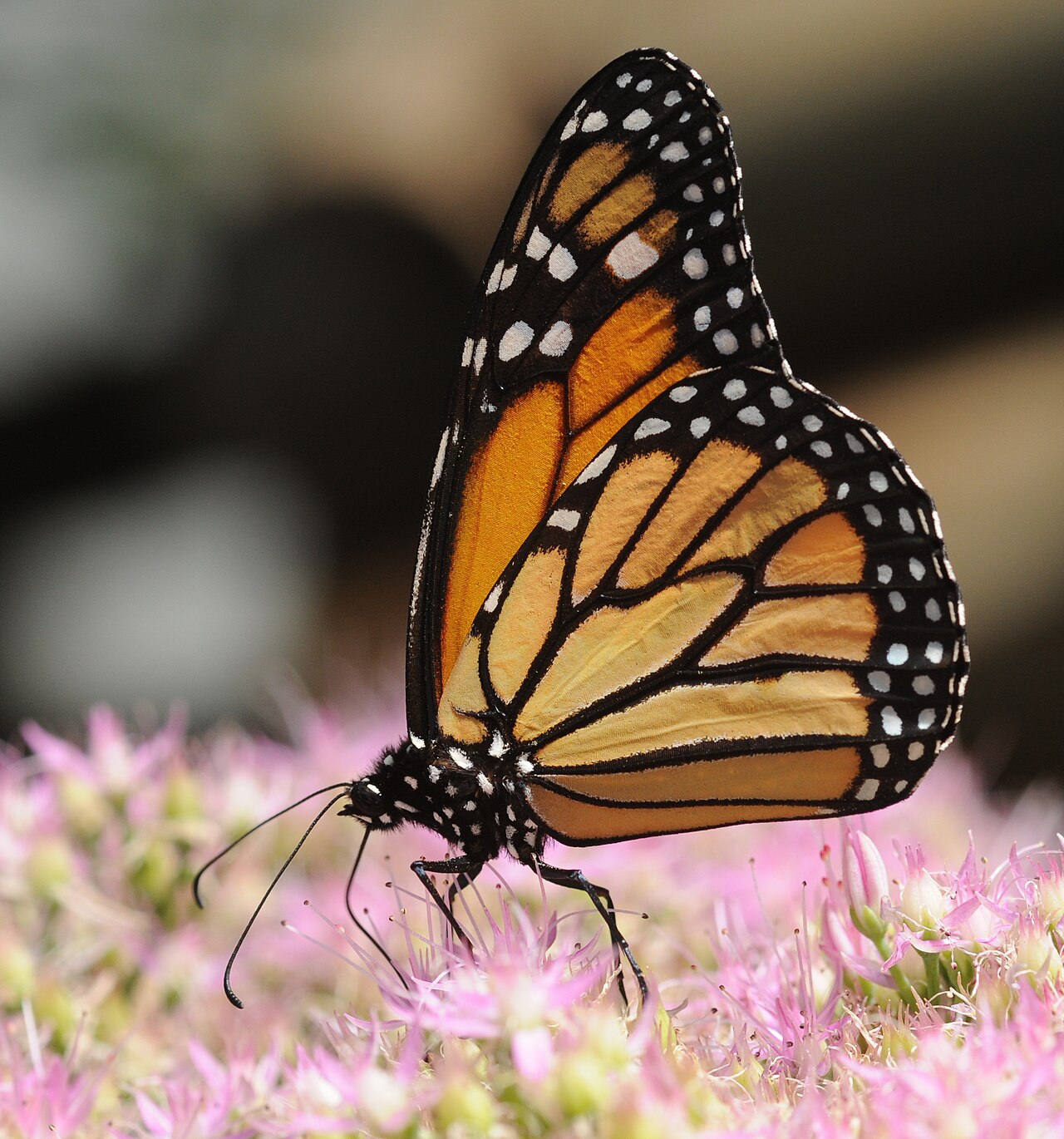
An orange and black butterfly spotted in North America is most often the monarch, the continent’s most famous and recognizable butterfly, easily identified by its bold orange wings crossed with black veins and bordered in black with white spots along the margins, a pattern strongly associated with the species’ toxicity to predators and its remarkable multi-generational migration spanning thousands of miles between the United States, Canada, and central Mexico. Beyond the monarch specifically, several other orange and black patterned species, including the closely related viceroy and the considerably rarer queen butterfly, share enough visual similarity to cause genuine identification confusion, making careful attention to specific pattern details worthwhile for anyone hoping to correctly distinguish between these visually similar species.
Because the monarch’s toxicity has driven other species to evolve similar warning coloration through mimicry, correctly sorting out which specific orange and black butterfly you actually encountered connects directly to a genuinely fascinating ecological story about predator avoidance and evolutionary convergence between otherwise unrelated species. This guide covers the monarch in full detail, its primary mimic the viceroy, other orange and black possibilities worth knowing, and the specific field marks that reliably separate these commonly confused species from one another.
| Species | Key Distinguishing Feature |
|---|---|
| Monarch | No extra black line across hindwing veins |
| Viceroy | Extra black line crossing hindwing veins |
| Queen | Darker orange-brown, white dots on wings |
| Gulf fritillary | Longer wings, silver-spotted underside |
| American painted lady | Smaller, mottled orange-brown-black pattern |
The Monarch: North America’s Signature Orange and Black Butterfly
The monarch butterfly stands as the most recognizable orange and black species across the entire continent, displaying bold orange wings with prominent black veins running throughout and a black border decorated with two rows of small white spots along the wing margins, a distinctive pattern that remains remarkably consistent across the species’ enormous range spanning most of North America.
This species carries genuine ecological significance well beyond its striking appearance, since monarch caterpillars feed exclusively on milkweed plants, absorbing toxic compounds from this host plant that render the adult butterfly genuinely unpalatable and mildly toxic to most predators, a toxicity that has driven the extensive mimicry complex covered in the next section, where other unrelated species have evolved similar coloration for their own protection.
Monarchs are perhaps best known for their extraordinary multi-generational migration, with populations traveling thousands of miles between breeding grounds across the United States and Canada and overwintering sites concentrated in specific forested mountain regions of central Mexico, a migration phenomenon so remarkable that it has made the monarch one of the most studied and conservation-prioritized butterfly species in the world.
Viceroy: The Monarch’s Closest Mimic
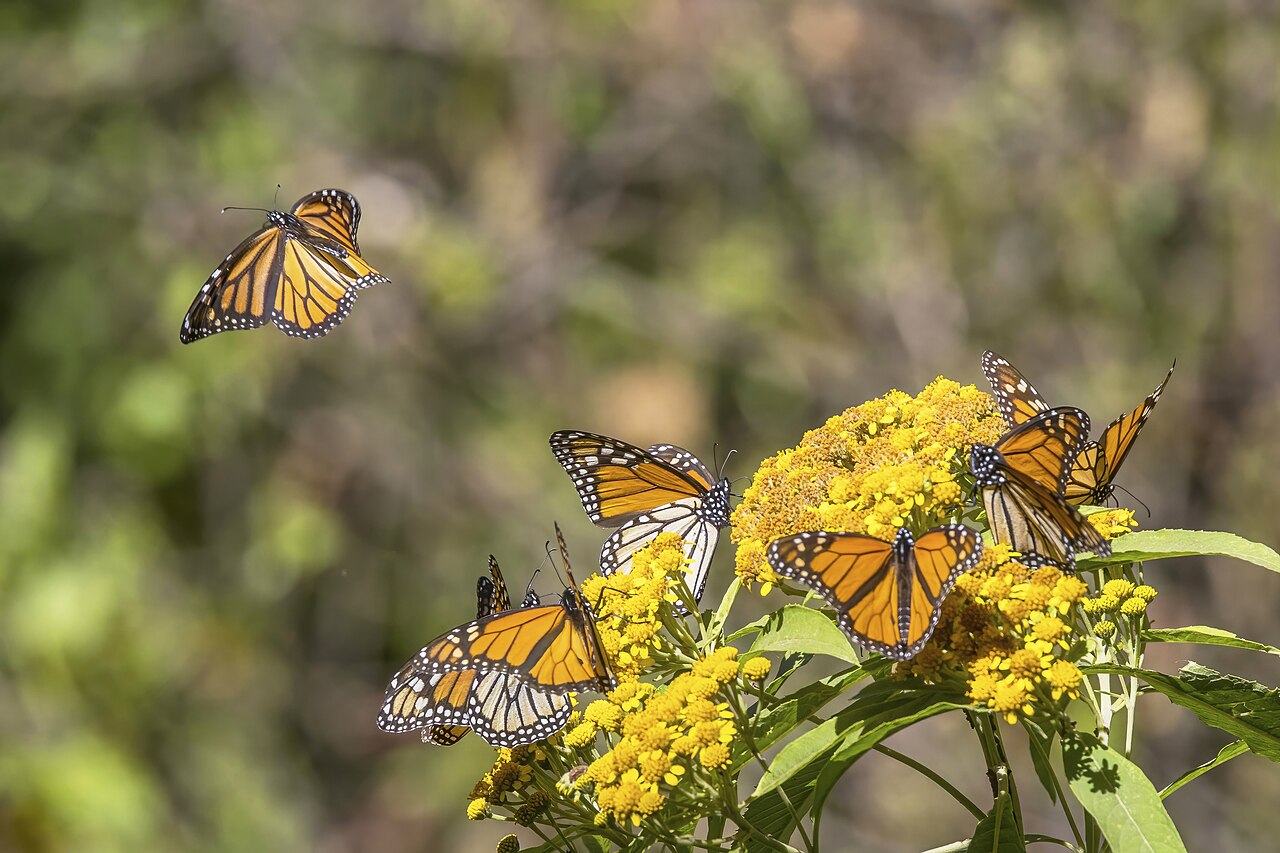
The viceroy butterfly presents by far the most commonly confused orange and black species specifically because it has evolved to closely resemble the toxic monarch through Batesian mimicry, gaining predator protection by visually resembling a genuinely unpalatable model species despite being considerably more palatable itself, a textbook example of this evolutionary mimicry strategy that has made the monarch-viceroy comparison a staple teaching example in biology education.
The single most reliable distinguishing feature between these two remarkably similar species is a black line crossing horizontally across the veins on the hindwing, present on viceroys and absent on monarchs, giving the viceroy’s hindwing a distinctly segmented or banded appearance that, once specifically looked for, resolves this particular identification challenge with genuine confidence even at a moderate viewing distance.
Viceroys also run somewhat smaller overall than monarchs and show a slightly different flight pattern, with quicker, more erratic wingbeats compared to the monarch’s characteristic slow, gliding flight style, though the hindwing line remains the single most definitive field mark worth prioritizing when these two genuinely similar species appear side by side or when only a brief glimpse is available for identification.
Queen Butterfly: A Southern Relative
The queen butterfly, a close relative of the monarch found primarily across the southern United States, shows a somewhat darker, more brownish-orange base color compared to the monarch’s brighter orange, along with scattered white dots across both the upper and lower wing surfaces that create a notably different visual texture than the monarch’s cleaner orange-and-black pattern.
Like monarchs, queen butterfly caterpillars also feed on milkweed plants, making this species similarly toxic to predators and giving it its own place within the broader milkweed-butterfly mimicry complex, though queens are generally non-migratory or only partially migratory compared to the monarch’s famous long-distance journey, tending to remain within their southern range year-round rather than undertaking the monarch’s extensive seasonal travels.
Distinguishing queens from monarchs relies primarily on checking for the queen’s characteristic white spotting pattern across the wings and its generally darker, more muted orange tone, features that become considerably easier to spot with direct comparison but that can require closer attention when only a single individual is available for examination without a reference monarch nearby.
Other Orange and Black Possibilities
The Gulf fritillary, common across the southern United States, presents a somewhat different orange and black pattern featuring more elongated wings and a distinctive silver-spotted underside visible when the wings are closed, a genuinely striking feature that, combined with its generally more elongated wing shape compared to the monarch’s broader wings, helps distinguish this species once specifically checked.
The American painted lady, found across a broad range throughout North America, shows a considerably smaller, more mottled orange-brown-black pattern than the bolder, more clearly defined monarch coloration, along with distinctive small blue spots on the hindwing underside that provide a further useful distinguishing feature from the cleaner, bolder patterns of the monarch and its closer mimics covered in earlier sections.
Various fritillary species beyond the Gulf fritillary specifically, along with certain moth species that fly during daylight hours, can occasionally add to the general orange and black identification confusion, though checking overall wing shape, size, and the specific presence or absence of the diagnostic features covered throughout this guide generally resolves identification confidently across this broader range of possibilities.
Why So Many Species Share This Coloring
The prevalence of orange and black coloring among several genuinely unrelated butterfly species reflects the same evolutionary logic driving mimicry complexes throughout the natural world: because monarchs and queens are genuinely toxic and predators, particularly birds, learn to avoid this specific color combination after a bad experience, other species gain real survival advantage by evolving similar coloration even without possessing any toxicity themselves, a strategy called Batesian mimicry that the viceroy exemplifies particularly clearly.
This shared warning coloration, technically called aposematism when displayed by the genuinely toxic species themselves, represents a broader pattern across the natural world where bright, bold color combinations, orange and black among the most common examples, signal danger or unpalatability to potential predators, a signal other species can then exploit through mimicry even without the underlying toxicity that made the original warning coloration effective.
Understanding this evolutionary mechanism adds genuine depth to what might otherwise seem like simple color-based coincidence between unrelated species, connecting the orange and black butterfly identification challenge covered throughout this guide to broader, well-documented principles of evolutionary biology and predator-prey dynamics that extend considerably beyond just these specific butterfly species alone.
Placing This Comparison Among Related Butterfly Guides
Monarchs belong to the broader swallowtail-adjacent identification challenges covered across several related guides, though monarchs themselves lack the tail projections defining true swallowtail species, an important distinction worth noting since casual observers sometimes lump all large, boldly patterned butterflies into a single mental category despite genuine family-level differences separating monarchs from true swallowtails entirely.
For readers specifically interested in the broader landscape of color-based butterfly identification, our guides covering yellow and black, black and white, black and blue, and even the considerably rarer purple butterfly patterned species each tackle a different color combination using the same fundamental approach applied throughout this guide: checking specific pattern details, size, and host plant association rather than relying on general color impression alone.
Approaching butterfly identification through this color-first lens across multiple guides, combined with family-level structural checks like the tail projections separating swallowtails from monarchs, gives backyard observers a genuinely comprehensive toolkit for confidently identifying the wide range of similarly colored but biologically distinct butterfly species commonly encountered across North American gardens and natural areas.
Monarch Conservation and Population Concerns
Monarch populations have experienced significant documented decline over recent decades, driven by factors including habitat loss, particularly the loss of milkweed plants monarch caterpillars depend on exclusively, pesticide use affecting both milkweed availability and monarch survival directly, and disruption to the specific overwintering forest habitat in Mexico that the eastern monarch population depends on each winter.
These conservation concerns have made monarchs a particularly high-profile focus for butterfly conservation efforts specifically, with organizations and researchers, including work associated with institutions like the Smithsonian, actively studying population trends and advocating for habitat restoration efforts, particularly milkweed planting initiatives, aimed at supporting the species’ long-term survival across its extensive migratory range.
For anyone specifically interested in supporting monarch conservation through their own garden or property, planting native milkweed species, the exclusive host plant for monarch caterpillars, alongside nectar-rich flowering plants for adult butterflies, represents one of the most direct and accessible ways individual property owners can contribute to broader monarch population support efforts, connecting backyard gardening directly to this genuinely significant conservation story.
Quick Identification Guide
When facing an uncertain orange and black butterfly, checking the hindwing veins first resolves the most common confusion: a clean orange field crossed only by the normal radiating veins, with no additional horizontal line, indicates monarch, while a visible black line crossing horizontally across those veins indicates viceroy, the single most reliable distinguishing feature between these two commonly confused species.
If the coloring appears notably darker or more brownish with scattered white dots rather than the monarch’s cleaner black-and-white wing border, consider queen butterfly, particularly likely in southern states, while notably elongated wings with a silver-spotted underside point toward Gulf fritillary, and a considerably smaller size with a more mottled, less clearly defined pattern suggests American painted lady rather than any of the monarch-mimicry-complex species covered earlier.
Size and flight pattern add final useful supporting checks: monarchs and their close mimics generally run larger with a characteristic slow, gliding flight style, while smaller species like the American painted lady show quicker, more erratic flight patterns, making this combination of pattern details, size, and flight behavior together considerably more reliable than relying on the basic orange and black color combination alone across this genuinely diverse group of similarly colored species.
Related reading: Orange Butterfly Meaning.
Frequently Asked Questions
What is the most common orange and black butterfly?
The monarch, recognized by its bold orange wings with black veins and a black border decorated with white spots, famous for its toxicity to predators and its remarkable multi-generational migration across North America.
How can I tell a monarch from a viceroy?
Check the hindwing veins: viceroys show an additional black line crossing horizontally across the veins, a feature monarchs lack entirely, making this the single most reliable distinguishing field mark between these two similar species.
Why do monarchs and viceroys look so similar?
Viceroys have evolved to mimic the genuinely toxic monarch through a process called Batesian mimicry, gaining predator protection by resembling a species predators have learned to avoid, despite viceroys themselves being more palatable.
What is the difference between a monarch and a queen butterfly?
Queens show a darker, more brownish-orange color with scattered white dots across the wings, compared to the monarch’s brighter orange and cleaner black-and-white bordered pattern, and queens are generally non-migratory.
Are orange and black butterflies poisonous?
Monarchs and queens are genuinely toxic to predators from their milkweed-based caterpillar diet, though this poses no danger to humans. Mimics like the viceroy share similar coloring without actually being toxic themselves.
Why are monarch butterflies endangered?
Monarch populations have declined significantly due to habitat loss, particularly reduced milkweed availability, pesticide exposure, and disruption to their specific overwintering forest habitat in Mexico, making them a major conservation focus.
What can I plant to attract monarch butterflies?
Native milkweed species specifically, since monarch caterpillars feed exclusively on this plant, combined with nectar-rich flowering plants for adult butterflies, provides direct support for this species’ population and migration.