What Do Axolotls Eat? Wild & Pet Diet Guide
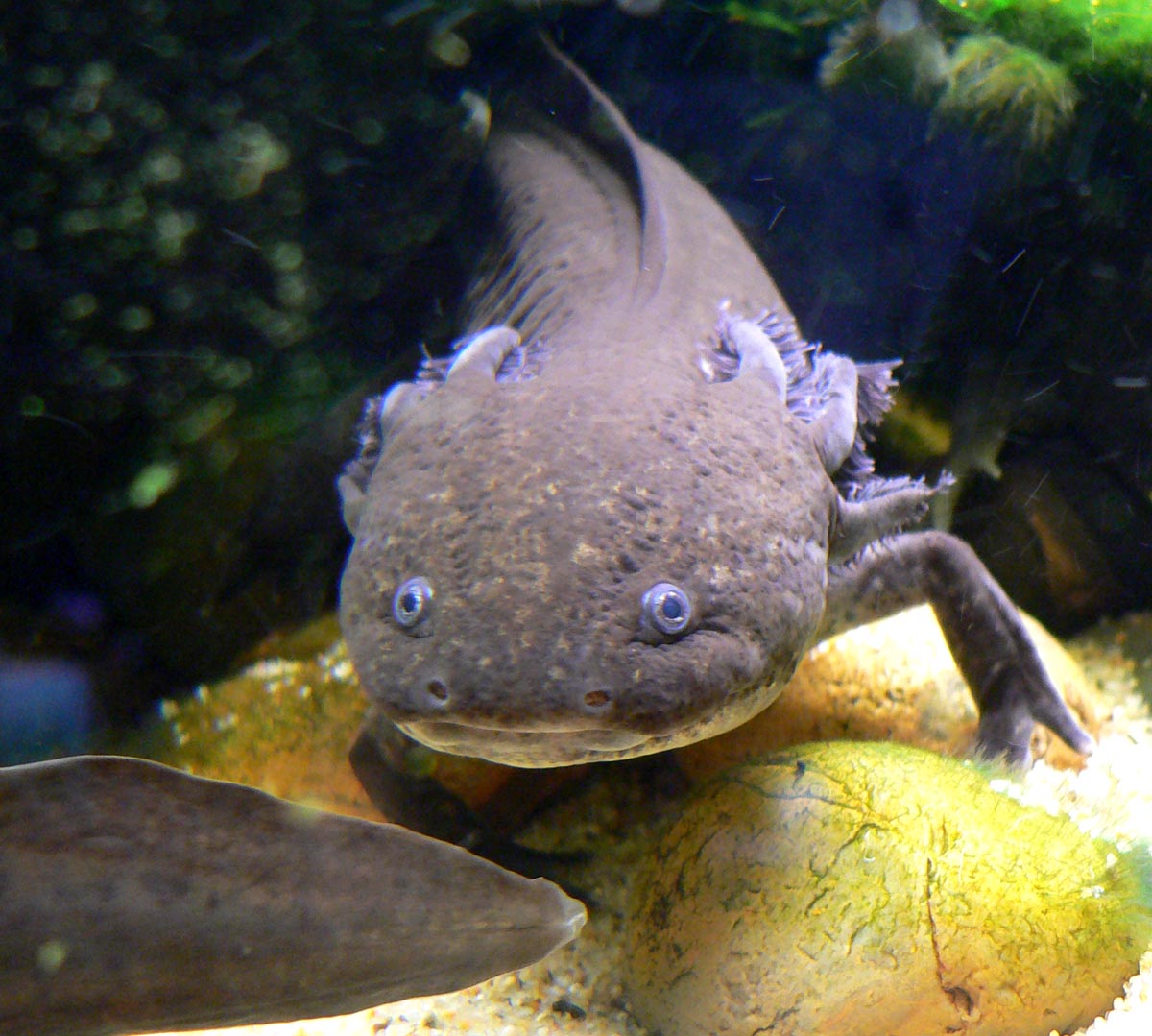
Axolotls are fully carnivorous and, in the wild, are opportunistic predators that eat virtually anything small enough to fit in their mouths: worms, insect larvae, small crustaceans, snails, tadpoles, and even small fish. This guide covers what axolotls eat in their native Mexican lakes, how their unusual vacuum-style feeding works, what to feed a pet axolotl at each life stage, and foods that are genuinely unsafe to offer.
| Life stage | Best foods |
|---|---|
| Larvae/very young | Baby brine shrimp, daphnia (small live food) |
| Juveniles | Bloodworms, blackworms, daphnia, small pellets |
| Adults | Earthworms/nightcrawlers, high-protein pellets, occasional bloodworms |
| Feeding frequency | Daily for young, every 2-3 days for adults |
What Do Axolotls Eat in the Wild?
Wild axolotls, native to the freshwater canals and lakes of Mexico City, particularly Lake Xochimilco, a system studied extensively by university conservation biology programs given the species’ critically endangered status, are carnivorous opportunists that feed on essentially anything they can catch and fit down their throat. Their natural diet includes insect larvae such as mosquito larvae, worms, snails and other small mollusks, small crustaceans, tadpoles, and small fish, with worms appearing to make up a particularly large share of their intake based on limited field studies. Axolotls were historically a significant predator within their native lake ecosystem, and juveniles are known to be cannibalistic toward smaller axolotls when food is scarce, a behavior also documented in captive settings, not unlike the cannibalistic tendencies occasionally seen in stressed or overcrowded feeder insect colonies.
How Axolotls Actually Eat: Suction Feeding
Axolotls have small, largely rudimentary teeth that are not designed for biting, tearing, or chewing prey the way many other predators’ teeth are. Instead, they feed using a rapid vacuum-style suction: the axolotl opens its wide mouth suddenly, creating negative pressure that pulls in water along with any prey caught in that current, swallowing food essentially whole. Because this suction-feeding method is not always perfectly targeted, axolotls frequently inhale water, incidental algae, and occasionally small pebbles or substrate particles along with their intended prey, which is a normal part of how the species feeds rather than a sign of any problem.
What to Feed a Pet Axolotl
A healthy pet axolotl diet should closely mirror what the species encounters in the wild: a protein-heavy mix of live or frozen foods rather than a single staple item. Earthworms and nightcrawlers are an excellent, widely available protein source for juveniles and adults, while bloodworms, daphnia, and brine shrimp work well for younger or smaller axolotls due to their smaller size. Commercial sinking pellets formulated specifically for axolotls or salmon-based formulas can supplement this live-food-heavy diet, though most sources recommend live or frozen food as the foundation rather than relying on pellets as a primary diet, since axolotls do not always readily accept pellets and some individuals refuse them entirely.
What Do Baby Axolotls Eat?
Young axolotls have particularly specific feeding needs and often respond only to live food during their earliest stages, since the movement of live prey is frequently what triggers their feeding response in the first place. Daphnia, a small live crustacean, is considered one of the best foods for growing juvenile axolotls, and baby brine shrimp are another commonly recommended live food appropriately sized for very young animals. Bloodworms, the larvae of non-biting midge flies rather than true worms despite the name, work well as a staple for babies and juveniles but are not considered nutritionally complete enough to serve as a primary food source once an axolotl reaches adulthood.
Do Axolotls Chew Their Food?
No, and this is directly tied to their unusual tooth structure. Axolotl teeth are small, blunt, and essentially vestigial in function, adapted only for gripping and holding prey in place rather than cutting, tearing, or grinding it into smaller pieces the way many other predators’ teeth do. This means every piece of food an axolotl eats, regardless of size, must be small enough to be swallowed whole, which is exactly why owners need to size live and frozen foods appropriately, generally no larger than the width of the axolotl’s own head, to avoid choking or digestive impaction from oversized prey items.
Foods to Avoid Feeding Axolotls
Several commonly available foods carry genuine risk and should be avoided. Insects and bugs, despite technically appearing in a wild axolotl’s diet, are not recommended for captive axolotls due to the risk of introducing parasites or diseases not present in commercially raised feeder insects. Feeder fish carry a similar risk, often serving as disease vectors that can introduce pathogens into an otherwise clean tank. Human foods, particularly processed meats or poultry, should never be offered, since axolotls cannot properly digest them and doing so risks serious digestive problems. Any meat offered must be fully cooked rather than raw, since raw meat can carry bacteria that make an axolotl sick.
Are Axolotls Endangered in the Wild?
Yes, wild axolotls are critically endangered, surviving only in the shrinking remnants of Lake Xochimilco and nearby waterways around Mexico City, threatened by habitat loss, water pollution, and introduced predatory fish species that prey on axolotl eggs and young. This precarious wild status is a major reason so much of what is known about axolotl biology, including their diet, comes primarily from captive research populations rather than extensive field studies, since the wild population has become genuinely difficult to study in any detail as it continues to decline. Ironically, axolotls are simultaneously one of the most common amphibians in captivity worldwide, kept both as popular pets and as important laboratory research animals studying regeneration.
How Often Should You Feed an Axolotl?
Feeding frequency shifts meaningfully with age and growth rate. Young, actively growing axolotls generally need daily feeding to support their rapid development, while adult axolotls typically do well on a schedule of feeding every two to three days rather than daily, since their growth has slowed and their nutritional needs are correspondingly lower. Overfeeding is a genuine concern at any age, since uneaten food fouls water quality quickly in an aquatic species that is particularly sensitive to poor water conditions, making it important to remove uneaten food promptly after a feeding session rather than leaving it to decompose in the tank.
Where to Source Axolotl Food Safely
Sourcing live food safely matters as much as choosing the right type of food. Earthworms collected from home gardens should only come from soil known to be free of pesticides and chemical treatments, since contaminated worms can poison an axolotl. Water-based live foods like daphnia, brine shrimp, and bloodworms ideally come from fish-free cultures or reputable commercial suppliers, since food sourced from tanks containing fish can carry parasites or diseases that easily transfer to an axolotl, similar to the same wild-caught-insect caution that applies when feeding other captive amphibians and reptiles, and comparable to sourcing considerations for other aquatic pets generally. Culturing live food at home, such as growing daphnia or brine shrimp cultures, gives dedicated keepers a reliable, controlled supply while avoiding the contamination risks associated with wild-collected or fish-tank-sourced live food.
Related reading: what do mice eat.
Frequently Asked Questions
What do axolotls eat in the wild?
Wild axolotls eat worms, insect larvae, small crustaceans, snails, tadpoles, and small fish, essentially anything they can catch and fit in their mouths, with worms making up a particularly large share of their natural diet.
How do axolotls actually eat their food?
Axolotls use vacuum-style suction feeding, rapidly opening their mouths to create negative pressure that pulls in water and prey together. Their rudimentary teeth are not designed for biting or chewing, so food is swallowed whole.
What should I feed my pet axolotl?
A protein-heavy diet of live or frozen foods works best: earthworms and nightcrawlers for adults, and bloodworms, daphnia, or brine shrimp for smaller or younger axolotls. Commercial sinking pellets can supplement this diet.
What do baby axolotls eat?
Young axolotls need live food, since movement often triggers their feeding response. Daphnia and baby brine shrimp are excellent choices, with bloodworms also working well as a staple for babies and juveniles.
How often should you feed an axolotl?
Young, growing axolotls typically need daily feeding, while adults do well being fed every two to three days, since their growth rate and nutritional needs decrease once they reach maturity.
Can axolotls eat feeder fish or insects?
This is not recommended. Feeder fish and insects can introduce parasites or diseases into a tank. Stick to earthworms, commercially raised live foods, or properly sourced frozen foods instead.
Can axolotls eat meat like beef or chicken?
Only if fully cooked, and even then it should not be a primary food source. Raw meat can carry harmful bacteria, and processed meats or poultry are not properly digestible for an axolotl’s system.
Whether kept purely as a fascinating pet or admired for its unique regenerative biology, an axolotl fed a varied, protein-rich diet that mirrors its wild feeding habits will generally stay active, healthy, and appropriately sized throughout a lifespan that can extend well beyond a decade in captivity.
Understanding an axolotl’s unique feeding biology, alongside the equally unusual regenerative abilities that make the species so scientifically valuable, helps explain why this particular amphibian has captured such widespread fascination well beyond its native, critically threatened range.
New keepers researching this species for the first time often find that a properly fed, well-cared-for axolotl proves considerably easier to keep long-term than the initial learning curve around live food sourcing might suggest.
For anyone weighing whether an axolotl fits their household, the dietary commitment involved is genuinely manageable once a reliable live-food source is established, arguably simpler in the long run than the more complex, species-specific feeding schedules required by many popular pet lizards or other amphibians, once a reliable other invertebrate feeder sources is in place.
With the right combination of live foods, appropriately sized portions, and a clean, well-maintained tank, feeding an axolotl becomes a straightforward, sustainable routine rather than an ongoing source of stress for a new owner.
The species’ unique combination of scientific fascination and manageable, straightforward feeding needs is a large part of why the axolotl has remained such an enduringly popular choice among exotic pet keepers worldwide.
As with any exotic pet, the initial research investment pays off quickly once a consistent feeding routine and a reliable food source, whether live, frozen, or a well-chosen combination of both, becomes an established, sustainable part of ordinary tank maintenance rather than an ongoing burden.
The result, done right, is a genuinely low-stress feeding relationship for both keeper and axolotl alike, much like the care routine many other beginner-friendly exotic pets eventually settle into.